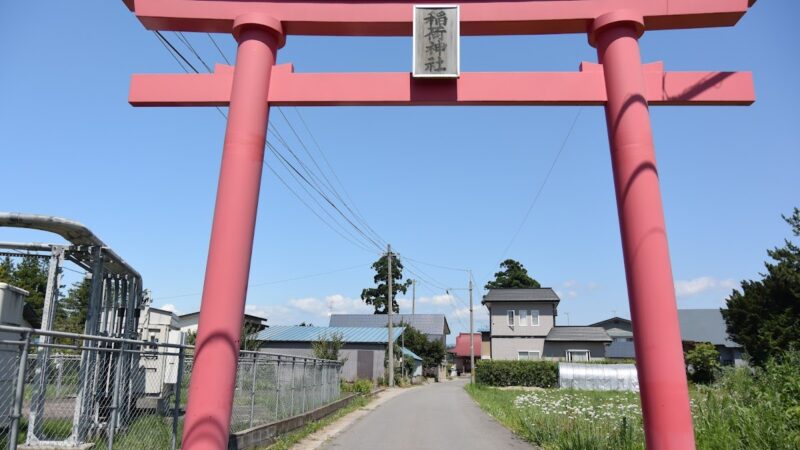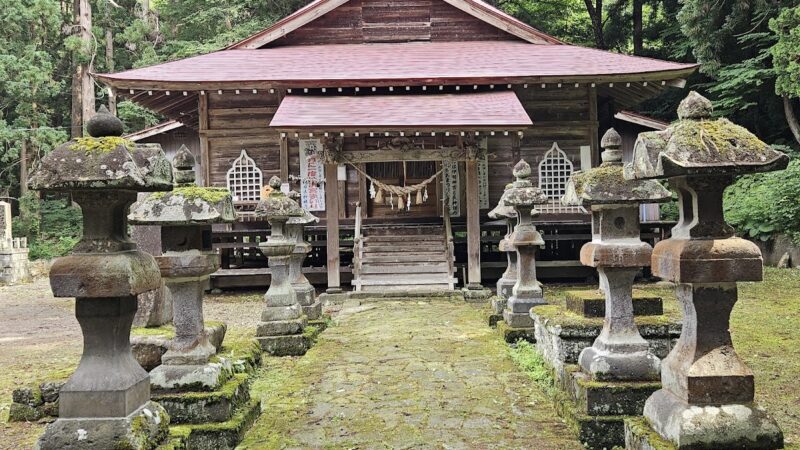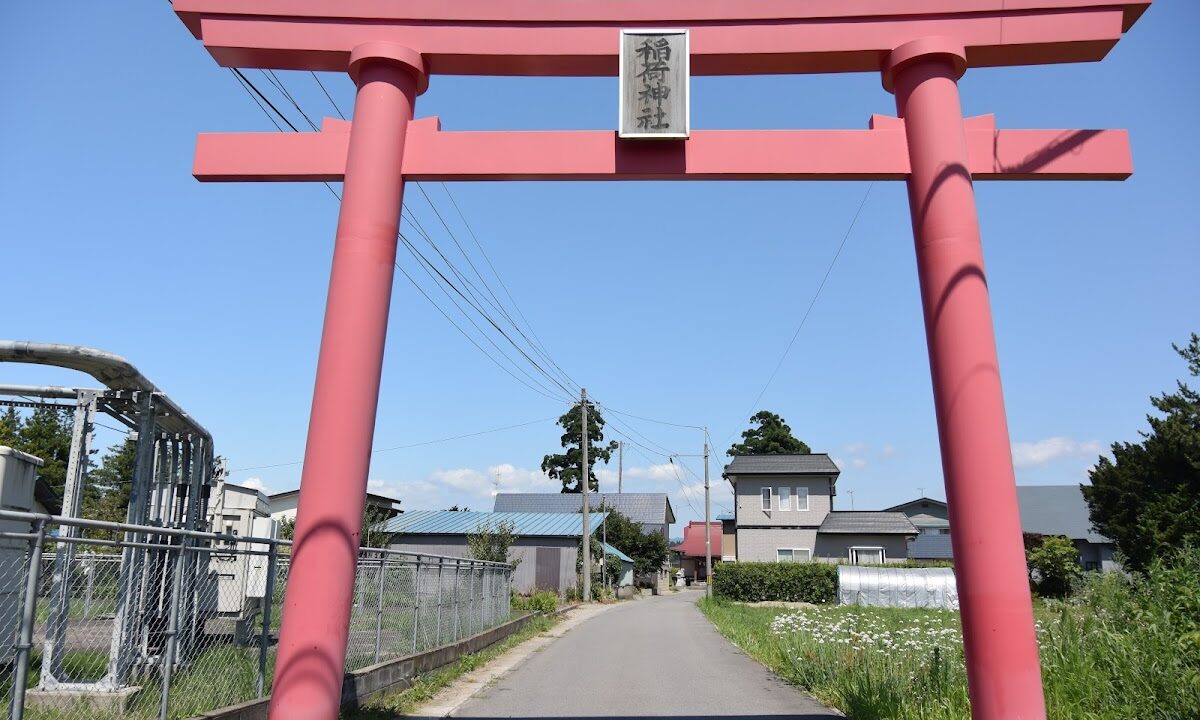
Inari Shrine (Hachimantai, Kazuno City, Akita Prefecture) Complete Guide
Located in Hachimantai, Kazuno City, Akita Prefecture, the Inari Shrine is a venerable shrine boasting a history of over 520 years. Founded by refugees from Takada in Echigo Province, this shrine has been preserved as a center of local faith to this day. This article comprehensively introduces all the information necessary for visitors, including the detailed history of the Inari Shrine, its enshrined deities, visiting information, and access methods.
Basic Information on Inari Shrine
Location and Contact Information
The Inari Shrine is located in the Hachimantai area of Kazuno City, Akita Prefecture.
- Address: 58, Hachimantai, Kazuno City, Akita Prefecture 018-5141
- Postal Code: 018-5141
- Jurisdiction: Akita Prefectural Shrine Association
Shrine Overview
Inari Shrine is a shrine in the Hachimantai area of Kazuno City, known for its divine blessings of business prosperity, abundant harvests, and family safety. It enjoys the fervent faith of local residents and plays a central role in local festivals and annual events.
History and Origins of Inari Shrine
Founding History
According to ancient traditions, Inari Shrine was founded over 520 years ago during the Eiroku era (1558-1570). This period was in the midst of the Sengoku period (Warring States period), a time of continuous warfare throughout the country.
A man named Takada Jin’emon, who fled from Takada in Echigo Province (present-day Takada, Joetsu City, Niigata Prefecture), arrived in this area carrying the sacred object of Sansuke Inari Shrine. Jin’emon settled in Hakamagata and is said to have built a stone shrine at the present location, enshrining Sansuke Inari.
Background of the Fugitive Legend
During the Eiroku era, Echigo Province was ruled by Uesugi Kenshin. Due to conflicts between warring daimyo and internal disputes, many samurai and influential figures were forced to leave their hometowns. Takada Jin’emon is believed to have been one of those caught in the currents of the times.
His bringing of the sacred object of Sansuke Inari Shrine is likely an expression of his longing for his hometown and his desire for peace and security in his new land. The journey across the Ou Mountains to Akita was arduous, and it is easy to imagine that faith served as his emotional support.
Stone Shrine
The record that a stone shrine was built at the time of its founding is noteworthy. The reasons for choosing stone construction in an era when wooden structures were common are thought to be:
- Desire for permanence: Stone construction is more durable than wood, allowing for long-term preservation.
- Fire resistance: A consideration to protect the sacred object from fire.
- Transmission of technology: The potential of stonemasonry techniques brought from Echigo Province.
Connection with the local community
For over 520 years, Inari Shrine has functioned as a spiritual pillar of the Hachimantai area. In a region centered on agriculture, it has played an important role as a place to pray for a bountiful harvest and to reaffirm community unity.
Deity and Divine Virtues
Deity
The deity enshrined at Inari Shrine is Ukanomitama-no-kami. Also known as Ukanomitama-no-mikoto, this is a god of food and grains appearing in Japanese mythology. Ukanomitama-no-kami is described in the Kojiki as a deity born to Susanoo-no-Mikoto and Kamu-Oichihime. “Uka” is an archaic word meaning grain or food, literally representing the spirit of food.
About Sansuke Inari
Sansuke Inari, which appears in the founding history, is thought to be one of the Inari deities worshipped in the Takada region of Echigo Province. It represents a form of Inari worship rooted in the local community, and its belief was spread to Akita when Takada Jin’emon brought it from his hometown.
Divine Virtues
The main divine virtues you can pray for at an Inari shrine are as follows:
- Abundant Harvest: Praying for a bountiful harvest of crops
- Business Prosperity: Development of business and success in commerce
- Family Safety: Health and peace of the family
- Industrial Development: Development of local industries
- Good Fortune and Prosperity: Bringing good luck and fortune
- Fulfillment of All Wishes: Fulfillment of various wishes
Originally a god of agriculture, Inari has also developed a strong character as a god of commerce over time, and is now worshipped as a deity with a wide range of divine virtues.
How to Worship and Etiquette
Basic Worship Etiquette
There are traditional manners for visiting shrines. When visiting an Inari shrine, please follow the steps below.
How to Pass Through a Torii Gate
- Bow before the torii gate.
- Walk along the path, avoiding the center (the center is considered the path of the gods).
- If there are multiple torii gates, bow before each one.
How to Wash Your Hands at the Water Basin
If there is a water basin, purify yourself using the following steps:
- Take the ladle in your right hand and wash your left hand.
- Switch the ladle to your left hand and wash your right hand.
- Take the ladle back in your right hand, receive water in your left hand, and rinse your mouth.
- Wash your left hand once more.
- Hold the ladle upright, let water flow over the handle, and return it to its original position.
How to Worship at the Shrine Hall
- Stand in front of the offering box and bow slightly.
- Gently place your offering in the box.
- If there is a bell, ring it.
- Worship using the two bows, two claps, one bow method.
- Bow deeply twice (two bows)
- Clap your hands twice at chest height (two claps)
- Finally, bow deeply once (one bow)
- Take a few steps back, bow once, and return along the approach to the shrine.
Mindset when visiting a shrine
Visiting a shrine is a time for dialogue with the gods. It is important to express your gratitude and pray with a sincere heart. Furthermore, it is considered important to make efforts yourself after visiting so that your wishes may be granted.
About Goshuin (Shrine Seals)
Availability of Goshuin
Regarding the issuance of Goshuin at Inari shrines, it is necessary to check in advance. In the case of small shrines, there may not be a resident priest, and the availability of Goshuin may be limited.
Those wishing to receive a Goshuin (temple/shrine stamp) are advised to check using the following methods:
- Inquire with the Akita Prefectural Shrine Association
- Inquire with the Kazuno City Tourism Association
- Inquire with nearby shrines that also serve as shrine administrators
Manners for Receiving a Goshuin
A Goshuin is proof of your visit, not a stamp rally. Please observe the following manners:
- Complete your prayers before receiving your Goshuin.
- Prepare a Goshuincho (avoid notebooks or colored paper).
- Prepare a donation (around 300-500 yen).
- Remember to express your gratitude to the Shinto priest.
Annual Events and Festivals
Main Annual Events
Local shrines hold various festivals throughout the year. Inari shrines may also hold the following events:
Hatsuumasai (February)
This is one of the most important festivals for Inari shrines. On the first Day of the Horse in February, prayers are offered for a bountiful harvest and business prosperity. This is a traditional event celebrated grandly at many Inari shrines.
Spring Grand Festival
This festival, marking the arrival of spring, is held to pray for a year’s bountiful harvest. In some regions, it is held from April to May.
Autumn Grand Festival
This festival, held in the autumn harvest season, is a time to express gratitude to the gods. Prayers are offered for the harvest and for a bountiful harvest in the following year.
Community Connections
The Inari shrines in the Hachimantai area function as central hubs of the local community. During festivals, local residents cooperate in preparations, fostering strong bonds centered around the shrine.
Access Information
Location
58, Hachimantai, Kazuno City, Akita Prefecture 018-5141
Access by Car
Using the Tohoku Expressway
- Exit the Tohoku Expressway at “Kazuno Hachimantai IC”
- Proceed along National Route 282 towards Hachimantai
- Follow the signs towards the Hichison area
- Travel time: Approximately 15-20 minutes from Kazuno Hachimantai IC
From Akita City
- Head north on National Route 7
- Go towards Kazuno City via Odate City
- Turn onto National Route 282 towards Hachimantai
- Travel time: Approximately 2 hours 30 minutes from Akita City
Access by Public Transportation
Using the JR Hanawa Line
- Get off at “Kazuno Hanawa Station” on the JR Hanawa Line
- Take a taxi or local bus from the station.
- Travel time: Approximately 20-30 minutes from Kazuno-Hanawa Station.
Using the bus
Akita Kita Bus operates local buses towards Hachimantai. However, the number of buses is limited, so it is necessary to check the timetable in advance.
Parking
Parking space may be limited depending on the size of the shrine. Please be considerate of the neighbors when visiting.
Nearby Tourist Attractions
Highlights of the Hachimantai Area
When visiting Inari Shrine, we recommend also visiting nearby tourist attractions.
Hachimantai Hot Spring Village
The Hachimantai area has several hot spring facilities where you can relax and unwind after your travels. The springs offer a variety of water types, including sulfur springs and simple springs.
Oyu Stone Circles
This is a Jomon period archaeological site designated as a National Special Historic Site. Known as a stone circle, it is a place where you can feel the romance of ancient times. It is one of Kazuno City’s representative tourist attractions.
Lake Towada
Lake Towada is a beautiful caldera lake located in the northern part of Kazuno City. Visitors can enjoy the natural beauty of the four seasons, and there are plenty of activities available, such as sightseeing boat tours and canoeing.
Goshogake Onsen
This famous hot spring is known for the saying, “Arriving on horseback and returning on clogs.” It features abundant hot springs resulting from volcanic activity, and unique bathing methods such as box-steam baths.
Specialty Products of Kazuno City
When you visit Kazuno City, be sure to try the local specialty products:
- Kazuno Apples: Sweet and delicious apples grown in a climate with large temperature differences between day and night.
- Hinai Chicken: A leading brand of local chicken from Akita Prefecture.
- Kiritanpo: A representative dish of Akita’s local cuisine.
- Awayuki Komachi: A brand of rice produced in Kazuno City.
About the Hachimantai Area of Kazuno City
Regional Characteristics
The Hachimantai area is located in the southern part of Kazuno City, close to the border with Iwate Prefecture. It is characterized by its high altitude and cool climate, making it a relatively comfortable environment even in summer.
History and Culture
Kazuno City, which has flourished as a mining town since ancient times, has a history of mining, including the Osarizawa Mine. Many Jomon period ruins have also been discovered, indicating that people have lived in this area since ancient times.
Natural Environment
Hachimantai is a mountain tourist destination known for the “Hachimantai Aspite Line.” It boasts a rich natural environment, including primeval beech forests, alpine plants, and wetlands. In winter, it becomes a snow-covered region, making it a popular spot for winter sports such as skiing.
Precautions When Visiting a Shrine
Clothing and Items to Bring
- Clothing: Appropriate attire is desirable as it is a sacred place.
- Shoes: Comfortable walking shoes are recommended as the path to the shrine may not be well-maintained.
- Seasonal Attire: Take precautions against the cold in winter and insects in summer.
- Items to Bring: Offering money, a Goshuincho (stamp book) (if desired), camera, etc.
Photography
Photography is generally permitted at shrines, but please note the following:
- Refrain from taking photos inside the main hall.
- Be considerate of other visitors.
- Check in advance before taking photos during religious ceremonies.
- Use flash sparingly.
Visiting in Winter
Northern Akita Prefecture is a region with heavy snowfall. When visiting in winter:
- Check road conditions in advance
- Install snow tires or chains
- Prepare warm clothing
- Be careful of snow on the approach to the shrine
Inari Faith in Akita Prefecture
Inari Shrines in Akita Prefecture
Numerous Inari shrines are located in Akita Prefecture. Each has its own unique history, reflecting the local history and characteristics.
Yojiro Inari Shrine (Akita City)
This Inari shrine, located within Senshu Park in Akita City, is a rare shrine dedicated to “Yojiro,” a fox who served as a messenger for the Satake clan. Its distinctive feature is that the fox is worshipped not as a messenger of the god, but as the god itself.
Spread of Inari Faith
Inari faith is widespread throughout Japan, and it is said to have the largest number of shrines. This reflects the deep faith in Inari, the god of abundant harvests, in Japan, which was an agricultural nation.
Significance of Shrine Visits
Spiritual Value
Shrine visits are not merely sightseeing; they offer the following spiritual value:
- Time for Self-Reflection: A chance to quietly reflect on oneself, away from daily life.
- Gratitude: An opportunity to express gratitude for daily blessings.
- Connection with the Community: An opportunity to experience local history and culture.
- Purification of the Mind: A chance to cleanse the mind in a sacred atmosphere.
Contribution to the Local Community
Visiting a shrine also contributes to the maintenance of the local community. Visitors’ visits support the maintenance and management of the shrine, positively impacting the local economy.
Summary
The Inari Shrine located in Hachimantai, Kazuno City, Akita Prefecture, is a venerable shrine with a history of over 520 years. It was founded by Takada Jin’emon, a refugee from Takada in Echigo Province, and enshrines the deity of Sansuke Inari.
This shrine, dedicated to Ukanomitama-no-kami, is known for its divine blessings of abundant harvests, business prosperity, and family safety. As a spiritual pillar of the Hachimantai region, it continues to attract the faith of local residents.
When visiting Kazuno City, be sure to visit Inari Shrine and experience the tranquil atmosphere of this historic shrine. Combining your visit with nearby hot springs and tourist attractions will make for a more fulfilling trip.
Through worship, you can connect with the region’s history and culture and enjoy a peaceful time. By experiencing the form of faith passed down from ancient times, we, living in the modern age, can connect with the thoughts and feelings of our ancestors.