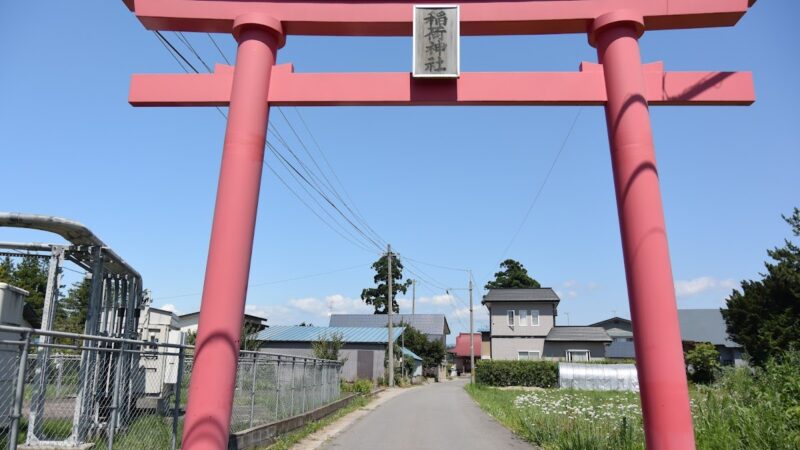
Komagata Shrine (Kazuno City, Akita Prefecture) Complete Guide | History, Blessings, Access, and Festival Information
Komagata Shrine, located in Kazuno City, Akita Prefecture, is a historical shrine that has been revered by the local people since ancient times. Known as the guardian deity of horses, it is believed to offer blessings for agriculture and traffic safety. This article provides detailed information useful for visiting Komagata Shrine, including its history, enshrined deities, blessings, annual events, and access methods.
History and Origins of Komagata Shrine
History of Founding
While the exact founding date of Komagata Shrine is unclear, it has long been a center of faith in the Kazuno region. The name “Komagata” originates from beliefs related to horses (koma), and several shrines with the same name exist in the Tohoku region.
The Kazuno region has been known as a horse-breeding area since ancient times, and was a thriving center for the production of Nanbu horses. Therefore, it is believed that the belief in praying for the safety and health of horses took root, and Komagata Shrine came to be revered as the guardian deity of the region.
Deep Ties with the Community
Komagata Shrine has been deeply involved in the history and culture of Kazuno City. During the Edo period, it received the patronage of the Nanbu clan and attracted worshippers along with the development of local industries. Especially during the era when agriculture and horse breeding were thriving, many people visited the shrine to pray for a bountiful harvest and the safety of their livestock.
Even today, it plays an important role as a spiritual center for local residents and as a place for the transmission of traditional culture.
Deities and Divine Virtues
Main Deity
The main deity of Komagata Shrine is generally considered to be Komagata-no-Okami. Komagata Shrine is worshipped as the guardian deity of horses, and the following deities are often enshrined there:
- Amenotokotachi-no-kami: God of creation
- Kuninotokotachi-no-kami: God of land formation
- Amaterasu-Omikami: Sun goddess, ancestral deity of the imperial family
These deities symbolize the source of life, the stability of the land, and the power to illuminate all things.
Benefits and Divine Virtues
Komagata Shrine is believed to offer the following benefits:
Traffic Safety
Horses have been an important means of transportation since ancient times. Today, many people visit to pray for safety in cars and motorcycles.
Family Safety
It is believed to offer divine protection for the health and happiness of family members.
Business Prosperity
You can pray for the development of your business and the prosperity of your commerce.
Guardian of Agriculture
This deity is worshipped as a god who watches over bountiful harvests and the development of agriculture.
Protection from Misfortune and Bringing Good Fortune
This deity is believed to have the power to ward off misfortune and improve one’s luck.
Highlights of the Shrine Grounds
Shrine Architecture
The shrine buildings of Komagata Shrine feature characteristics of traditional shrine architecture in the Tohoku region. The main hall and worship hall are arranged, creating a solemn atmosphere.
Natural Environment of the Shrine Grounds
Ancient trees line the shrine grounds, allowing visitors to experience the beauty of nature throughout the seasons. Fresh greenery in spring, deep green in summer, autumn leaves in fall, and snowscapes in winter—each season presents a different face.
Komainu and Stone Monuments
The shrine grounds are dotted with historical komainu (guardian lion-dogs) and stone monuments, telling the story of a long history of faith.
Annual Events and Festivals
Grand Festival
Komagata Shrine holds its annual grand festival every year. As an important local event, many parishioners and worshippers gather. A portable shrine procession and dedication ceremonies are held, preserving the region’s traditional culture.
New Year’s Visit
At the start of the new year, the shrine is bustling with worshippers making their first shrine visit of the year. People visit to pray for safety throughout the year, the health of their families, and the prosperity of their businesses.
Setsubun Festival
At the Setsubun festival in February, events such as bean-throwing are held, and prayers are offered for warding off evil and inviting good fortune.
Shichi-Go-San Festival
In the autumn, Shichi-Go-San festivals are held, and prayers are offered for the healthy growth of children.
Etiquette and Manners for Visiting a Shrine
Basic Etiquette for Visiting a Shrine
- When passing through the torii gate: Bow before entering the shrine grounds.
- Purification at the water basin: Purify your left hand, right hand, and mouth in that order.
- Worship at the main hall: Two bows, two claps, and one bow are the basic rituals.
- Offering a monetary donation: Place your donation quietly into the offering box.
Attire for Visiting a Shrine
If you are receiving a special prayer, it is advisable to wear attire that is not too casual. For regular visits, clean clothing is acceptable.
Goshuin (Shrine Seals), Amulets, and Other Items
Goshuin (Shrine Seals)
Komagata Shrine offers goshuin. More and more people are receiving them as a memento of their visit and to receive divine blessings. They are handled at the shrine office, but since staff may be absent, it is recommended to check in advance.
Amulets and Souvenirs
Various amulets and talismans are available, including traffic safety amulets. There are also souvenirs that reflect the local characteristics, making them memorable mementos of your visit.
Access Information
Location
Located in Kazuno City, Akita Prefecture. It is recommended to confirm the detailed address in advance.
Access by Car
If using the Tohoku Expressway
- Approximately 15-20 minutes by car from Kazuno Hachimantai IC
- Also accessible from Towada IC
Parking may be available on the temple grounds or nearby for visitors.
Access by Public Transportation
If using JR
- The nearest station is Kazuno-Hanawa Station on the JR Hanawa Line.
- From the station, it is convenient to take a taxi or bus.
If using the bus
- While there may be some bus services, the number of services may be limited.
- It is recommended to check the timetable in advance.
Notes on Access
- Due to snow in winter, winter tires are essential if accessing by car.
- Roads may be closed depending on road conditions, so please check in advance.
- When searching on a car navigation system, the shrine name may not be displayed accurately.
Tourist Attractions in Kazuno City
When visiting Komagata Shrine, why not also visit other tourist attractions in Kazuno City?
Oyu Stone Circle
This is an important archaeological site designated as a National Special Historic Site as a Jomon period site. It is registered as one of the component assets of the World Heritage Site “Jomon Prehistoric Sites in Hokkaido and Northern Tohoku.”
Hanawa Bayashi Festival
A traditional festival held every August in Kazuno City, considered one of Japan’s three greatest festival music traditions. It features magnificent floats and powerful, spirited music.
Goshogake Onsen & Mushinoyu Onsen
A secluded hot spring located within Towada-Hachimantai National Park, known for its therapeutic properties.
Kazuno Tourism and Hometown Center “Antoraa”
A facility where you can find information on Kazuno City’s local products and tourist attractions. You can also enjoy dishes made with local ingredients.
History and Culture of Kazuno City
Relationship with the Nanbu Domain
The Kazuno region was part of the Nanbu Domain during the Edo period. Under the rule of the Nanbu clan, horse breeding and mining development flourished, leading to a prosperous regional economy.
Center of Jomon Culture
As exemplified by the Oyu Stone Circles, the Kazuno region has been inhabited by people since the Jomon period. Its rich natural environment has supported people’s lives since ancient times.
History of Mines
The Kazuno region had many mines, such as the Osarizawa Mine, where copper and gold were extracted. These mines made a significant contribution to the local economy.
Recommended Seasons for Visiting
Spring (April-June)
This is a beautiful season with fresh greenery after the snow melts. The temple grounds and surrounding area become vibrant during the cherry blossom season. The temperature is mild, making it a pleasant time to visit.
Summer (July-September)
The greenery deepens, and you can visit the temple grounds in peace and quiet in the cool air. In August, there are festivals such as the Hanawa Bayashi, and the entire city of Kazuno comes alive.
Autumn (October-November)
This is a beautiful season with autumn leaves, and the trees on the temple grounds change color. It is also the season for Shichi-Go-San (a traditional Japanese rite of passage for children). It is also suitable for visiting to express gratitude for the harvest.
Winter (December-March)
The tranquil atmosphere covered in snow is its charm. There are winter-specific events such as Hatsumode (first shrine visit of the year) and Setsubun (bean-throwing festival). However, caution is needed regarding snow and icy roads.
Nearby Accommodations
Hotels and Ryokans in Kazuno City
There are business hotels and ryokans (traditional Japanese inns) around Kazuno-Hanawa Station, which can be used as a base for visiting the shrine.
Hot Spring Inns
There are many hot spring resorts nearby, such as Hachimantai Onsenkyo and Oyu Onsen. A travel plan combining shrine visits and hot springs is also recommended.
Visitor Voices and Experiences
Visitors to Komagata Shrine have shared the following impressions:
- “I was able to pray peacefully in a quiet and tranquil atmosphere.”
- “I was able to experience the culture of Kazuno at this shrine, where I could feel the history of the region.”
- “I received a traffic safety amulet, and now I can drive with peace of mind.”
- “The nature is beautiful in every season, and I discover something new every time I visit.”
Guidelines for Visiting Komagata Shrine
With a Grateful Heart
Visiting a shrine is not only about making wishes, but also about expressing gratitude for daily safety. Pray with a grateful heart.
Respect Local Culture
Komagata Shrine is an important place of worship for the local people. Please respect local culture and customs, and observe proper etiquette when visiting.
Protection of the Natural Environment
The nature within the shrine grounds has been nurtured over many years. Please take your trash with you and have a heart that cherishes nature.
Summary
Komagata Shrine, located in Kazuno City, Akita Prefecture, has long been revered as the guardian deity of horses and has served as a spiritual center for the local people. It is believed to offer various blessings, including traffic safety, family safety, and business prosperity, and continues to attract many worshippers today.
Kazuno City is blessed with attractive tourist resources, including Jomon period ruins, hot springs, and traditional festivals. Why not take this opportunity to visit Komagata Shrine and enjoy a trip to experience Kazuno City’s history, culture, and nature?
At Komagata Shrine, surrounded by the beautiful nature of each season, you can pray in peace and gain renewed energy. When visiting, it is recommended to check the opening hours and festival schedules in advance and plan your visit with ample time.
May Komagata Shrine be a place of peace and divine blessings for all visitors.