Complete Guide to Shinmei Shrine (Kami-Hanawa, Hanawa, Kazuno City, Akita Prefecture) | History and Charm of the Central Shrine of Hanawa Bayashi
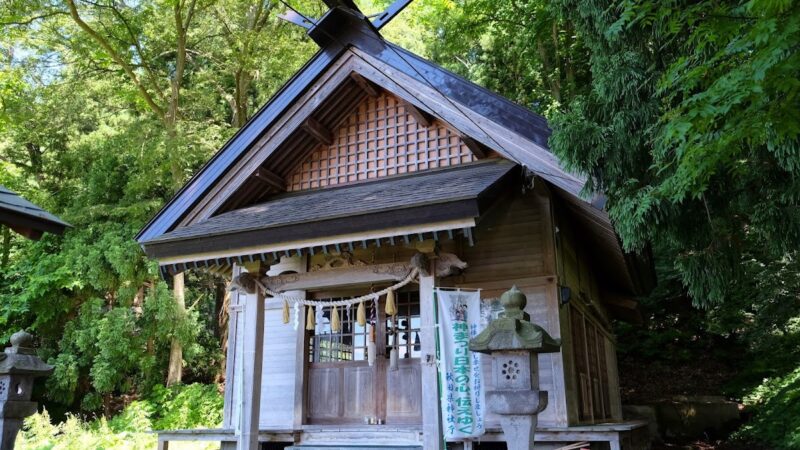
Shinmei Shrine, located in Kami-Hanawa, Hanawa, Kazuno City, Akita Prefecture, is the central shrine of “Hanawa Bayashi,” known as one of Japan’s three major festival music traditions, and has supported the faith and culture of the region. This article provides a detailed introduction to the history, festivals, and role of this historic shrine in the community.
Basic Information on Shinmei Shrine
Location and Access
Shinmei Shrine is located at 6 Kami-Hanawa, Hanawa, Kazuno City, Akita Prefecture. Situated in Muikamachi, the heart of the Hanawa district, it has been deeply revered by local residents for many years.
Address: 6 Kami-Hanawa, Hanawa, Kazuno City, Akita Prefecture
Corporate Number: 6410005000816
Access
- JR Hanawa Line: Approximately 15 minutes on foot from Kazuno-Hanawa Station
- Car: Approximately 10 minutes from Kazuno-Hachimantai IC on the Tohoku Expressway
- Parking: Temporary parking lots are set up in the surrounding area during the festival period.
The Hanawa area is located in the northeastern part of Akita Prefecture, close to the border with Aomori Prefecture. It has flourished as a transportation hub since ancient times and has developed as a commercial center.
History and Origins of Shinmei Shrine
History of Founding
While detailed records of the founding of Shinmei Shrine are not entirely accurate, it has been confirmed that it was already functioning as an important shrine in the Hanawa area during the Edo period. The name Shinmei Shrine is used for shrines that enshrine Amaterasu Omikami as their main deity, indicating a deep connection with Ise Grand Shrine.
Role in the Hanawa District
Hanawa was a town that flourished during the Edo period as part of the Morioka Domain. Mining development and commercial activities were thriving, making it a bustling town that attracted many merchants and artisans. Shinmei Shrine served as the guardian deity of this town and a place of worship for business prosperity and abundant harvests, attracting the faith of the local people.
Its location in Muikamachi suggests a connection to the regular market days, indicating its deep ties to commerce.
Records of Mikoshi Purchases
The current form of the Hanawa Bayashi festival is believed to have been established during the late Edo period, specifically the Bunka-Bunsei era (1804-1830). This is estimated from records of mikoshi purchases at Shinmei Shrine, suggesting that the festival took on its current elaborate form during this period.
Hanawa Bayashi and Shinmei Shrine
One of Japan’s Three Great Festival Musical Styles
Hanawa Bayashi is a representative festival of Akita Prefecture, counted among Japan’s three great festival musical styles. Held annually on August 19th and 20th, it is a festival of Shinmei Shrine and Kōinari Shrine.
UNESCO Intangible Cultural Heritage Registration
In November 2016, Hanawa Bayashi was registered as a UNESCO Intangible Cultural Heritage as part of the “Mountain, Float, and Procession Festivals.” This recognized the international value of the Shinmei Shrine festival.
Festival Characteristics
The most distinctive features of Hanawa Bayashi are its magnificent and opulent floats and the festival music that resonates throughout the night.
Characteristics of the Festival Floats:
- Luxurious construction decorated with genuine lacquer and gold powder
- Each neighborhood competes to create and maintain their floats
- Exquisite carvings and decorative metal fittings
- A fantastical atmosphere created by nighttime illumination
Characteristics of the Festival Music:
- Often called “Japan’s best festival music”
- Unique rhythm created by flutes, drums, and gongs
- Passionate melodies played throughout the night
- Unique melodies passed down within each neighborhood
Festival Schedule
August 19th (Eve of the Festival):
- Morning Gathering: Floats from each neighborhood gather early in the morning
- Shinto ritual at Shinmei Shrine
- Procession through the town
- Nighttime parade (until late at night)
August 20th (Main Festival):
- Main festival ritual at Shinmei Shrine
- Mikoshi procession
- Float parade through each neighborhood
- Gathering and performances in front of the station
- Return procession
The Relationship Between Shinmei Shrine and Kōinari Shrine
The Hanawa Bayashi festival is held as a joint festival of both Shinmei Shrine and Kōinari Shrine. The two shrines are located in the east and west of the Hanawa district, and each has been worshipped as a guardian deity of the region. During the festival, a procession of portable shrines connects the two shrines, and the entire town is enveloped in the festive atmosphere.
Points of Interest Around Shinmei Shrine
Historical Landscape of the Hanawa District
The Hanawa district, where Shinmei Shrine is located, still retains its Edo-period town layout. In particular, the road layout known as “masugata” (square-shaped) is a valuable relic that conveys the atmosphere of a castle town.
Otabisho (Temporary Shrine)
The Otabisho, where the portable shrine is temporarily housed during the festival, is an important place in the Shinmei Shrine festival. The Shinto rituals are performed here, and the sight of the festival floats gathering is breathtaking.
Red Torii Gate
The Hanawa district has a landmark called the “Red Torii Gate,” which is an important spot during the festival. The sight of the festival floats passing through this torii gate is one of the highlights of the Hanawa Bayashi festival.
Inamura Bridge
The area around Inamura Bridge, which spans a tributary of the Yoneshiro River system, is also an important point where the festival floats pass during the festival. It’s a picturesque place where the sound of the river and the festival music harmonize.
Culture and Industry of the Hanawa District
History as a Mining Town
The Kazuno region has a long history of mining development, and the Osarizawa Mine, in particular, was one of Japan’s leading copper mines, operating from the Edo period to the Showa period. The wealth from this mine supported the town of Hanawa and provided the economic foundation for the production and maintenance of the magnificent festival floats.
Commercial Center
Hanawa developed as the commercial center of the Kazuno region, with many shops and wholesalers lining the streets. Regular markets were also held, making it a lively town that attracted many people from the surrounding rural areas.
Traditional Crafts
Through the construction of festival floats, techniques such as lacquerware, carving, and metalwork have been passed down through generations. These traditional techniques are still utilized today in the restoration and maintenance of the floats.
Points to Note When Visiting Shinmei Shrine
Regular Visits
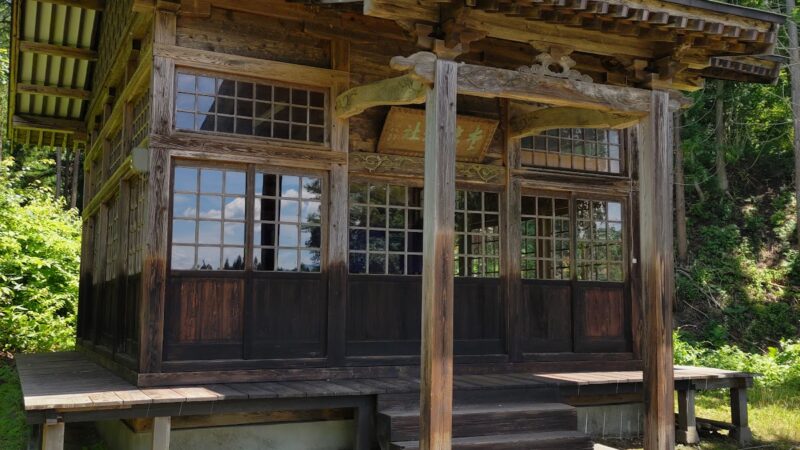
Shinmei Shrine is open for worship even outside of the festival period. You can visit the shrine in its quiet grounds, reflecting on the region’s history.
Visits During the Festival
During the festival on August 19th and 20th, many tourists visit as it is the largest event in Kazuno City.
Important Notes for Visitors:
- Early booking of accommodation is recommended.
- Traffic restrictions will be in place, so using public transportation is advised.
- Both summer heat and nighttime cold weather precautions are necessary.
- Photography is permitted, but please be considerate and avoid obstructing the float procession.
Recommended Viewing Spots
- Station Square: Floats gather here, allowing for a competitive display.
- Around the Masugata (square): You can witness the floats turning around.
- Shinmei Shrine Grounds: You can observe Shinto rituals up close.
- Main Street: Enjoy the float procession from the roadside.
Nearby Tourist Attractions
Michi-no-Eki Kazuno “Antoraa”
This facility houses the Hanawa Bayashi Festival Exhibition Hall, where you can learn about the history of the festival and see actual floats. It’s a valuable facility where you can experience the atmosphere of Hanawa Bayashi even outside of the festival period.
Kazuno Tourism and Hometown Museum “Antoraa” Festival Exhibition Hall
Experience the charm of the Hanawa Bayashi festival year-round through displays of actual festival floats and video materials. Learn in detail about the festival’s history and the characteristics of each town.
Osarizawa Mine
This mine boasts a 1,300-year history, and visitors can tour the inside of the mine shafts. It’s a valuable spot to experience the history of the mine that supported Hanawa’s prosperity.
Oyu Stone Circles
A large-scale stone circle from the late Jomon period, and one of the components of the World Heritage Site “Jomon Archaeological Sites in Hokkaido and Northern Tohoku.” It’s an important site that tells the story of the ancient history of the Kazuno region.
Seasons and Nature of Kazuno City
Spring in Kazuno
There are many famous cherry blossom viewing spots, and you can enjoy beautiful cherry blossoms around the Hanawa area. Spring, which arrives with the melting snow, is a season of beautiful fresh greenery.
Summer Festivals
The Hanawa Bayashi festival in August is a representative summer event in Kazuno. The festival, which passionately colors the short summer, is a source of pride for the local people.
Autumn Foliage
There are many famous spots for autumn foliage in the surrounding area, such as Lake Towada and Hachimantai. In autumn, Kazuno is blessed with a rich and colorful landscape.
Winter Snowscape
Kazuno, a heavy snowfall area, is covered in deep snow in winter. The Shinmei Shrine amidst the snowscape is also picturesque.
Community Involvement
Neighborhood Organizations
The Hanawa Bayashi festival is supported by organizations within each neighborhood. Maintenance of the floats, transmission of the music, and operation of the festival are all carried out by local residents.
Nurturing Young People
Traditions such as music performance techniques and float pulling methods are being reliably passed down to the younger generation. Children also participate in the festival and learn about local culture.
Value as a Tourism Resource
The Shinmei Shrine and the Hanawa Bayashi festival are important tourism resources for Kazuno City. Since its registration as a UNESCO Intangible Cultural Heritage, it has attracted increasing attention both domestically and internationally.
Shinmei Shrine as a Legal Entity
Shinmei Shrine is registered as a religious corporation and has been assigned corporate number 6410005000816. This indicates that it has formal legal personality under the Religious Corporations Act.
Role as a Religious Corporation
- Maintenance and management of shrine facilities
- Execution of festivals and ceremonies
- Center for local religious activities
- Protection and transmission of cultural properties
Local Information of the Hanawa District
Population and Number of Households
The Hanawa district is the central urban area of Kazuno City, where the city hall and major commercial facilities are concentrated. While facing the challenges of a declining population in a regional city, it is working to revitalize the community through festivals.
Transportation Access
- Railway: The JR Hanawa Line runs through the area, providing access to Morioka and Odate.
- Road: A major transportation hub with National Routes 282 and 103 passing through.
- Expressway: The nearest interchange is the Kazuno-Hachimantai Interchange on the Tohoku Expressway.
Living Environment
The area has all the necessary facilities for daily life, including commercial facilities, medical institutions, and educational institutions. It is a region that balances a rich natural environment with urban functions.
Cultural Value of Hanawa Bayashi
Significance as an Intangible Cultural Heritage
The “Mountain, Float, and Procession Festivals,” registered as a UNESCO Intangible Cultural Heritage, consist of 33 festival events from all over Japan. Among them, Hanawa Bayashi is highly regarded as a representative festival of northern Tohoku.
Core of Regional Identity
Hanawa Bayashi is not merely a tourist event; it is the core of the identity of the local residents. Through participation in the festival, bonds that transcend generations are nurtured.
Passing on Traditional Techniques
The construction and restoration of festival floats requires a variety of traditional techniques, including lacquerware, woodworking, metalworking, and carving. These techniques are passed down to the next generation through the festival.
Message to Visitors
Shinmei Shrine and the Hanawa Bayashi festival are places where the history and culture of the region, dating back to the Edo period, are condensed. The magnificent floats and passionate music continue to captivate visitors.
Visiting during the festival period is wonderful, but even visiting the quiet grounds on a normal day allows you to feel the presence of Shinmei Shrine as a place of worship that the local people have protected for generations.
When you visit Hanawa, Kazuno City, Akita Prefecture, be sure to visit Shinmei Shrine and experience the history and culture of this region. You will surely feel the warmth of the local people and their pride in preserving tradition.
Summary
Shinmei Shrine (6 Kami-Hanawa, Hanawa, Kazuno City, Akita Prefecture) is the central shrine of the UNESCO Intangible Cultural Heritage “Hanawa Bayashi,” playing a vital role in the region’s faith and culture. The festival tradition, which has continued since the late Edo period, is still carefully preserved by local residents and passed down to future generations.
Hanawa Bayashi, considered one of Japan’s three great festival music traditions, is characterized by its magnificent floats decorated with genuine lacquer and gold powder, and the festival music that resonates throughout the night. The festival, held annually on August 19th and 20th, attracts many tourists from all over Japan, who are captivated by its power and beauty.
Shinmei Shrine is not merely a tourist spot; it is a place where the region’s history, culture, and the bonds between its people are condensed. When visiting Kazuno City, be sure to experience this historic shrine and its festival, and feel the rich cultural heritage of northern Tohoku.