Noda Shrine (Hirosaki City, Aomori Prefecture) Complete Guide | History, Access, and Highlights of the Tenmei Famine Memorial Tower
Noda Shrine, located in the Fujisawa district of Hirosaki City, Aomori Prefecture, is a quiet shrine situated along Prefectural Road 129, which leads to the Soma Dam. This shrine, long cherished by the local community, houses a valuable memorial tower commemorating the Tenmei Famine of the Edo period, attracting attention from history enthusiasts.
This article comprehensively introduces information useful for those planning a visit to Noda Shrine, including its historical background, highlights within the grounds, detailed access information, and surrounding tourist information.
Basic Information about Noda Shrine
Location: 122 Noda, Fujisawa, Hirosaki City, Aomori Prefecture
Corporate Number: 9420005004680
Nearest Station: Hirosaki Gakuin University Station, Konan Railway Owani Line
Parking: Available (small space in front of the shrine grounds)
Visiting Hours: Open 24 hours (Shrine office hours are irregular)
Goshuin (Shrine Seal): Generally not available as the shrine is unmanned
Noda Shrine is located southwest of Hirosaki city center, in the naturally rich Fujisawa area. Situated on the road towards Soma Dam, it offers peace and tranquility to both local residents and visitors alike.
History and Origins of Noda Shrine
Founding and Connection to the Community
While the exact founding date of Noda Shrine remains unclear due to limited historical records, it has long been revered by the people of the Fujisawa district as the local tutelary deity. Like many village shrines in the Tsugaru region, it has a history of functioning as a place to pray for abundant harvests and the peace and prosperity of the community.
The Fujisawa district is located southwest of Hirosaki Castle town and was once a settlement centered on agriculture. Noda Shrine has played an important role as a spiritual pillar of this region, serving as a place for seasonal festivals and visits at important life events.
The Historical Value of the Tenmei Famine and the Memorial Tower
Of particular note within the grounds of Noda Shrine is the Tenmei Famine Memorial Tower. This memorial tower was erected in 1808 (Bunka 5) and bears the inscription “◯卯辰両歳無縁塔(蓮華)” (◯卯辰両歳無縁塔(蓮華)).
The Tenmei Famine (1782-1788) was one of the largest famines of the Edo period, causing devastating damage, particularly in the Tohoku region. Many people in the Tsugaru domain also perished, and the memory of this tragedy lingered in the community for a long time. This memorial tower was erected approximately 20 years after the famine, and it embodies the remembrance of the victims and the wish that such a tragedy will never be repeated.
“U-Tatsu Ryōsai” refers to the 3rd year of Tenmei (Year of the Rabbit, 1783) and the 4th year of Tenmei (Year of the Dragon, 1784), indicating the years when the damage was particularly severe. Its erection as a memorial tower for the unclaimed dead signifies the solace of many who lost family and relatives, making it a valuable historical document that conveys the hardships of the community at that time.
Highlights and Cultural Assets on the Temple Grounds
Tenmei Famine Memorial Tower
The most historically valuable item on the temple grounds is the aforementioned Tenmei Famine Memorial Tower. This stone memorial tower, even after more than 200 years, is still in relatively good condition, and the inscription is legible.
The tower’s shape, based on a lotus pedestal, is a typical late Edo period style, demonstrating the level of stonemasonry at the time. Among history enthusiasts and local history researchers, it is recognized as an important surviving document for studying the history of famine in the Tsugaru region.
Shrine Building and Torii Gate
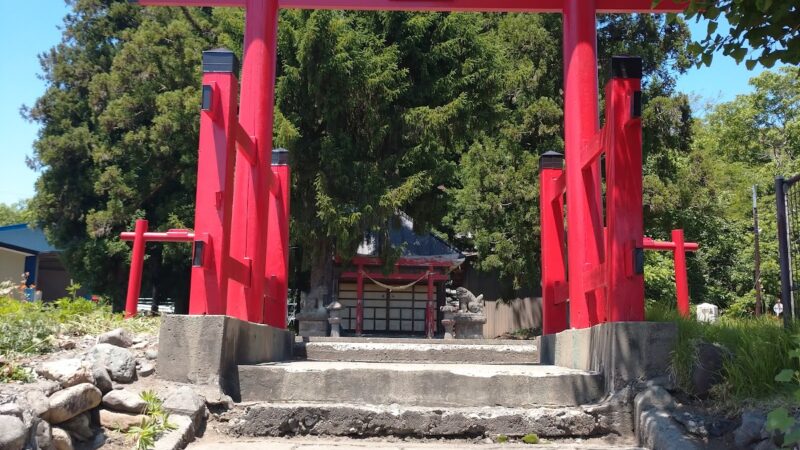
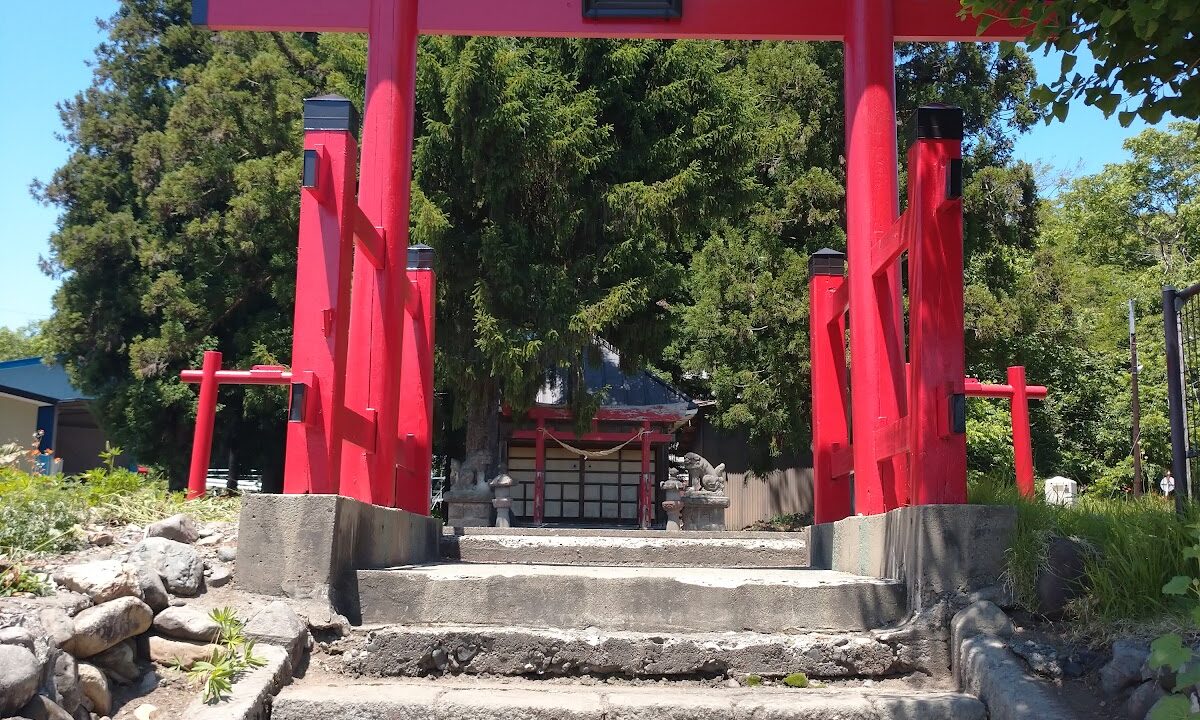
The shrine building of Noda Shrine, though small, is meticulously maintained, reflecting the deep faith of the local people. The torii gate gently welcomes visitors, marking the entrance to the sacred grounds.
The shrine grounds are surrounded by nature, and especially in autumn, the surrounding trees turn beautiful autumn colors, creating a tranquil environment for worship. As one visitor commented, “There’s nothing there, but that’s what makes it good,” highlighting the shrine’s charm lies in its unadorned simplicity.
Natural Environment of the Shrine Grounds
Noda Shrine is located on the road towards Soma Dam and is surrounded by abundant nature. You can enjoy the changing scenery of the seasons: fresh greenery in spring, deep green in summer, vibrant autumn leaves, and snowscapes in winter.
The quiet environment, far from the hustle and bustle of the city, is ideal for a peaceful visit. Visiting amidst the sounds of birdsong and rustling trees is also a great way to refresh your mind.
Detailed Access Information
Access by Public Transportation
Using the Konan Railway Owani Line:
- Take the Konan Railway Owani Line from Hirosaki Station
- Get off at Hirosaki Gakuin University Station (approx. 15 minutes)
- Approximately 30 minutes on foot from the station, or approximately 10 minutes by taxi
Noda Shrine is approximately 2.5 km from Hirosaki Gakuin University Station. If walking, take Prefectural Road 129 towards Soma Dam. The route is relatively flat, but be aware of traffic.
Using the Bus:
There are bus routes from Hirosaki city center to Fujisawa and Soma, but the number of buses is limited, so it is recommended to check the Konan Bus timetable in advance. It is a few minutes’ walk from the nearest bus stop.
Access by Car
From Hirosaki City Center:
- Approximately 15 minutes (approx. 8km) from Hirosaki Station
- Take National Route 7 to Prefectural Road 129 and head towards Soma Dam
- After passing through the Fujisawa area, you will reach the Noda area
From the Tohoku Expressway:
- Approximately 20 minutes from Owani-Hirosaki IC
- From the IC exit, take National Route 7 to Prefectural Road 129
Setting Your Car Navigation:
You can search using the address “122 Noda, Fujisawa, Hirosaki City, Aomori Prefecture”. However, because it is a small shrine, some car navigation systems may not display its exact location. Proceed carefully along Prefectural Road 129, and look for the sign for the Noda area.
Parking Information
Noda Shrine has a small parking space in front of the grounds. It can accommodate a few cars, but if you are visiting with a large vehicle or multiple cars, please consider parking on the roadside while checking the surrounding conditions. However, please be considerate so as not to obstruct traffic.
Points and Etiquette for Worship
Basic Worship Etiquette
Noda Shrine is an unmanned shrine, but please worship according to basic shrine worship etiquette.
- Bow before passing through the torii gate: This is a courtesy before entering the sacred area.
- Avoid walking in the center of the approach to the shrine: The center is considered the path of the gods.
- Purify yourself with water if there is a water basin: Purify your left hand, then your right hand, then your mouth.
- Etiquette in front of the main hall: The basic procedure is two bows, two claps, and one bow.
Recording and Photography
Photography is permitted at Noda Shrine, but please be mindful of the following:
- Photography of cultural assets such as the Tenmei Famine Memorial Tower is permitted, but please do so with respect.
- Be considerate of other worshippers.
- Be careful about how you handle location information when posting on social media.
Keeping a record of your visit is meaningful for later reflection. Note down the date and time of your visit, the weather, and the appearance of the shrine grounds; this will make a valuable personal record of your pilgrimage.
Recommended Time to Visit
Spring (April-May): Beautiful fresh greenery and pleasant weather
Autumn (October-November): Stunning autumn foliage and the most beautiful scenery
Winter (December-March): A tranquil pilgrimage experience amidst a snowy landscape
While summer brings lush greenery and winter brings snow, each season offers its own unique charm.
Nearby Attractions and Tourist Spots
Soma Dam
Continuing along Prefectural Road 129 from Noda Shrine will lead you to Soma Dam. Built in the 1960s, this dam serves to secure agricultural water and regulate floods, and the area around the dam lake boasts a rich natural environment.
A drive to Soma Dam, combined with a visit to Noda Shrine, is perfect for enjoying nature and relaxing.
Tourist Attractions in Hirosaki City
Located about a 15-minute drive from Noda Shrine, Hirosaki city center boasts the following tourist attractions:
Hirosaki Castle: Nationally renowned for its castle tower, a nationally important cultural property, and its beautiful cherry blossoms.
Iwaki-yama Shrine: A prestigious shrine situated at the foot of Mount Iwaki, also known as Tsugaru Fuji.
Hirosaki Toshogu Shrine: One of the Toshogu shrines dedicated to Tokugawa Ieyasu.
Aomori Prefecture Gokoku Shrine: A shrine dedicated to the war dead of Aomori Prefecture.
Planning a Hirosaki shrine tour that includes a visit to Noda Shrine is highly recommended.
Historical Walks in the Fujisawa District
The Fujisawa district, where Noda Shrine is located, retains some of its old rural scenery, making it a pleasant place for a leisurely stroll. Those interested in local history and culture should consider walking around the area.
The Shrine Culture of Hirosaki City and the Position of Noda Shrine
Shrine Beliefs in the Tsugaru Region
The Tsugaru region is an area where a culture of syncretism of Shinto and Buddhism has taken root since ancient times, and diverse forms of belief have coexisted. Hirosaki City, which developed as a castle town of the Hirosaki Domain, has shrines of various sizes and histories, from shrines associated with the feudal lord to local village tutelary deities.
Noda Shrine is not a large shrine, but it has unique value as a spiritual pillar of the local community and as a place that conveys the memory of the historical event of the Tenmei Famine.
The Current Situation and Challenges of Unmanned Shrines
Small, unmanned shrines like Noda Shrine face challenges in maintenance nationwide. However, thanks to the efforts of local people, the grounds are kept clean, giving a sense that the faith is still alive.
As visitors, it is important to understand the cultural value of such shrines and to visit with respect. Small considerations, such as taking your trash home and cooperating in maintaining the cleanliness of the grounds, contribute to the preservation of the shrine.
Actual Experiences of Visiting Noda Shrine
A Pilgrimage in a Tranquil Environment
Visitors who have actually come to Noda Shrine often say, “There’s nothing there, but that’s what makes it so good.” The simple environment, free from excessive decoration and commercialization, is precisely what makes this shrine so appealing.
Spending time in the quiet grounds, away from the hustle and bustle of the city, where only the sounds of nature can be heard, will be a valuable experience that frees you from the stresses of everyday life.
Value as a Historical Exploration Site
Many history enthusiasts visit specifically to see the memorial tower for the Tenmei Famine. Seeing this stone structure, over 200 years old, firsthand allows you to feel the hardships of the people of that time and the strength they possessed to overcome them.
Many are deeply moved to find that events learned in history textbooks are preserved in such a concrete form at a small, local shrine.
Hirosaki Sightseeing Model Course Including a Visit to Noda Shrine
Half-Day Course: Exploring Nature and History
Morning:
- Depart from Hirosaki city center
- Visit Noda Shrine (30 minutes)
- Visit Soma Dam (30 minutes)
Afternoon:
- Return to Hirosaki city center and stroll through Hirosaki Castle Park
- Visit Hirosaki Toshogu Shrine
- Lunch of Tsugaru cuisine in the city
Full-Day Course: Visiting Hirosaki Shrines
Morning:
- Visit Iwakiyama Shrine
- Stroll around Mt. Iwakiyama
Afternoon:
- Visit Noda Shrine
- Return to Hirosaki city center via Soma Dam
- Visit Aomori Prefecture Gokoku Shrine
- Stroll through Hirosaki Castle Park
These courses can be customized according to the season and your interests.
Precautions and Manners for Visiting the Shrine
Clothing and Belongings
- Clothing: No special attire is required, but it is desirable to wear clothing that reflects the sacred nature of the place.
- Shoes: The grounds are well-maintained, but comfortable walking shoes are recommended.
- Belongings: Camera, notebook (for recording), drinks (especially in summer)
Safety Precautions
- In winter, there is a possibility of snow and ice, so please be careful where you step.
- As it is located along Prefectural Road 129, please be considerate of traffic when parking.
- If visiting alone, please inform family or friends of your destination in advance.
Cooperation in Environmental Preservation
- Always take your trash with you.
- Touch plants and stone structures carefully.
- Refrain from smoking on the shrine grounds.
- Avoid loud conversations and maintain silence.
Summary: The Charm and Significance of Visiting Noda Shrine
Noda Shrine, located in Fujisawa, Hirosaki City, Aomori Prefecture, is small in scale, but it possesses a valuable historical artifact—a memorial tower for the Tenmei famine—making it an important place that conveys the history and culture of the region to the present day.
The unspoiled environment, the tranquil grounds surrounded by nature, and the memorial tower that has stood for over 200 years evoke deep emotion and a sense of history in visitors.
When sightseeing in Hirosaki, be sure to visit not only famous tourist spots, but also small, locally rooted shrines like this one. A visit to Noda Shrine will be a valuable opportunity to gain a deeper understanding of Tsugaru’s history and culture.
Combining it with a drive to Soma Dam will allow you to enjoy nature and history simultaneously. Why not spend some meaningful time at Noda Shrine, calming your mind in a peaceful environment and reflecting on the memories of our ancestors?