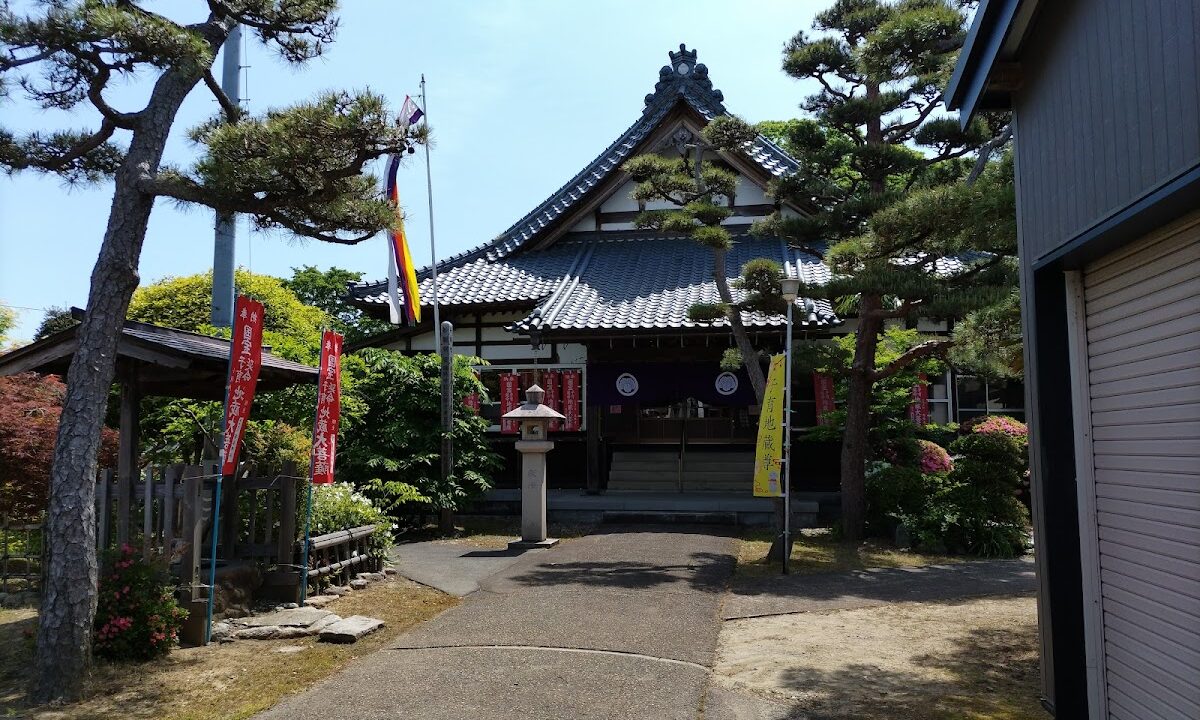
Morinji Temple (Akiha Ward, Niigata City, Niigata Prefecture) Complete Guide | Exploring the History and National Treasure-Designated Jizo Bodhisattva
Morinji Temple, located in Kosudo, Akiha Ward, Niigata City, Niigata Prefecture, is an ancient Soto Zen temple that has existed since the Edo period. It houses a wooden statue of Jizo Bodhisattva in a half-seated position, designated as a National Important Cultural Property, and is deeply revered by local people as the “Jizo Bodhisattva for Child-Rearing and Longevity.” This article comprehensively introduces information you should know before visiting Morinji Temple, including its history, cultural assets, visiting information, and access methods.
Overview of Morinji Temple
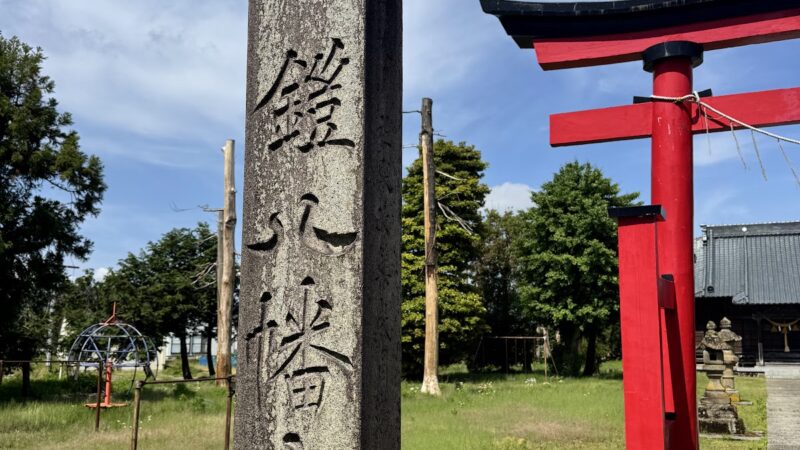
Morinji Temple is a Soto Zen temple located at 3362 Kosudo, Akiha Ward, Niigata City, Niigata Prefecture. It is situated in the former Kosudo town area of Akiha Ward, in a quiet environment surrounded by the rich nature along the Shinano River.
Basic Information
- Sect: Soto Zen
- Location: 3362 Kosudo, Akiha-ku, Niigata City, Niigata Prefecture
- Phone Number: 0250-38-2428
- Founder: Sakai Family (1669, Kanbun 9)
- Main Cultural Property: Wooden Jizo Bodhisattva Statue (Nationally Designated Important Cultural Property)
History of Morinji Temple
Founder in the Edo Period
Morinji Temple was founded in 1669 (Kanbun 9). The founder was the Sakai family, a powerful local family serving as village headmen in the Shibata Domain. During the mid-Edo period, in the Kosudo region, which was under the control of the Shibata Domain, the Sakai family played an important role in local administration and agricultural development. It is believed that Morinji Temple was established as a center of their faith.
Morinji Temple, founded as a Soto Zen Buddhist temple, has developed as a family temple and center of faith for the local residents. For over 350 years since its founding, it has continued to function as a spiritual pillar of the Kosudo region.
The Great Fire of the Meiji Era and Reconstruction
The greatest challenge in Morinji Temple’s history was a major fire that occurred during the Meiji era. This fire caused significant damage, destroying the main hall and other major buildings.
However, in this critical situation, the dedicated efforts of temple officials and local residents succeeded in saving the principal image, the Jizo Bodhisattva statue, from the fire. The desperate act of retrieving the Jizo Bodhisattva statue from the burning main hall resulted in the preservation of this precious cultural asset for future generations.
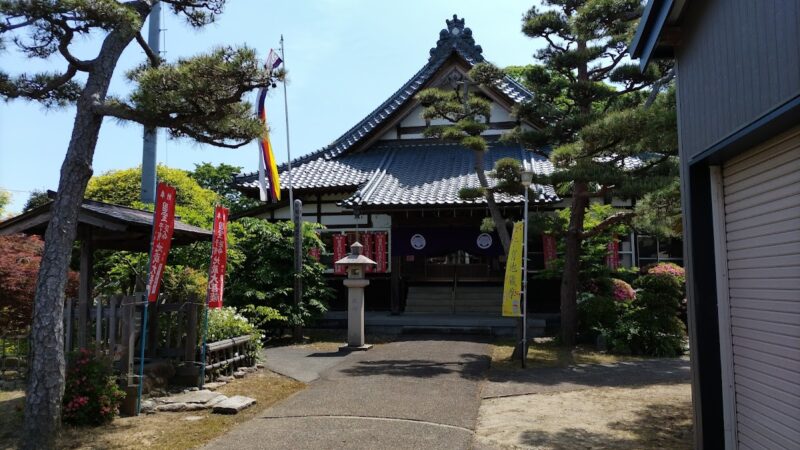
After the fire, with the support of the local people, Morinji Temple was rebuilt, and the current temple complex was constructed. This reconstruction process demonstrates the strong bond between the local community and the temple.
Development Since the Showa Era
In the Showa era, the cultural value of the Jizo Bodhisattva statue enshrined at Morinji Temple was officially recognized. In 1937 (Showa 12), under the then-existing National Treasure Preservation Law, it was designated a National Treasure as the “Wooden Jizo Bodhisattva in Half-Seated Position.” This was an extremely significant event in the history of Buddhist art in Niigata Prefecture.
After the war, in 1950 (Showa 25), when the Cultural Properties Protection Law was enacted, former National Treasures were re-designated as Important Cultural Properties, and the Jizo Bodhisattva statue at Morinji Temple remains a nationally designated Important Cultural Property to this day.
Cultural Property: Wooden Jizo Bodhisattva in Half-Seated Position
Faith in the Child-Rearing and Longevity Jizo
The wooden Jizo Bodhisattva in half-seated position enshrined at Morinji Temple has long been cherished in the region as the “Child-Rearing and Longevity Jizo.” The temple has attracted many worshippers, including parents praying for their children’s healthy growth and those seeking longevity.
In Buddhism, Jizo Bodhisattva is considered a bodhisattva who travels through the six realms (hell, hungry ghosts, animals, asuras, humans, and heaven) to save sentient beings. It is particularly revered as a guardian deity of children, and the Jizo Bodhisattva at Morinji Temple has become deeply rooted in the community as an object of such folk belief.
Artistic Value and National Treasure Designation
The reason the wooden Jizo Bodhisattva statue at Morinji Temple was designated a National Treasure (now an Important Cultural Property) lies in its outstanding artistic merit.
Characteristics of the Half-Lotus Position:
A half-lotus position refers to a seated posture with one leg crossed. This Jizo Bodhisattva statue assumes a half-lotus contemplative posture with the right leg down and the left leg crossed, and is characterized by its gentle and compassionate expression.
Sculpture Technique:
This wooden sculpture employs highly advanced techniques, with meticulous detail in the drapery and the sculpting of the body. While there are no clear records of its creation date or the sculptor, its style suggests it dates from the medieval to early modern period.
Condition:
Rescue from a major fire during the Meiji era, this statue has been properly preserved and maintained since, remaining in excellent condition today.
Significance as a Cultural Property
While Niigata Prefecture has many temples, only a limited number possess Buddhist statues designated as National Important Cultural Properties. The wooden Jizo Bodhisattva statue at Morinji Temple holds a significant position in the history of Buddhist art in Niigata Prefecture and is highly valued academically.
Furthermore, its combination of its role as a local object of worship and its value as a work of art is a distinctive feature of this Jizo Bodhisattva statue.
Highlights of the Temple Grounds
Main Hall
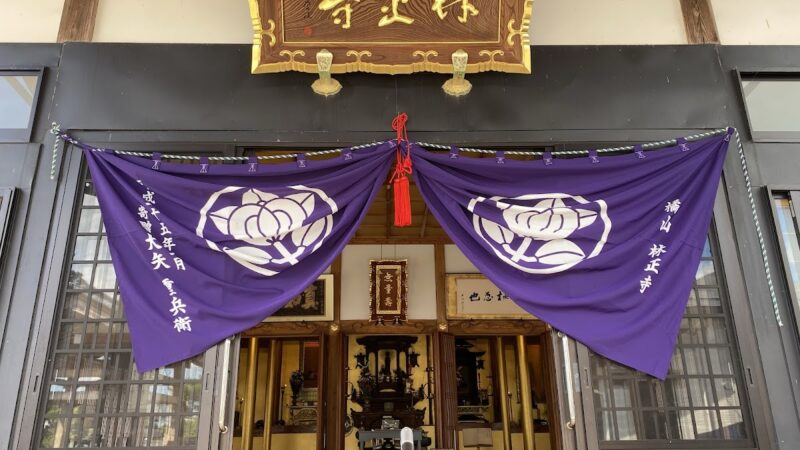
Rebuilt after a major fire in the Meiji era, the main hall is a magnificent building with an atmosphere befitting a Soto Zen temple. Inside the main hall is enshrined the principal image, a statue of Jizo Bodhisattva, where visitors can quietly offer their prayers.
Atmosphere of the Temple Grounds
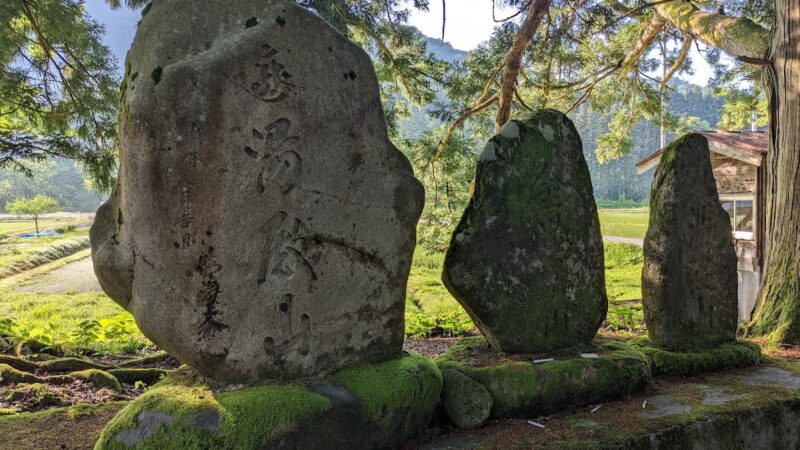
The grounds of Morinji Temple are located in the naturally rich environment of Kosudo, displaying different expressions throughout the seasons. You can enjoy the beauty of each season: cherry blossoms in spring, lush greenery in summer, autumn leaves in fall, and snowscapes in winter.
The quiet and peaceful grounds are cherished by local residents and visitors alike as a place to escape the hustle and bustle of everyday life and find peace of mind.
Goshuin (Temple Stamp) Information
You can receive a Goshuin at Morinji Temple. If you wish to receive a Goshuin, please speak to the temple office during your visit.
A Goshuin is not merely a commemorative stamp, but a token of your visit. It is important to receive it with gratitude after a respectful visit. Notes on Receiving a Goshuin (Temple Stamp):
- Bring your Goshuincho (stamp book).
- Complete your prayers first before requesting a Goshuin.
- The temple staff may be absent due to temple circumstances, so it is recommended to call ahead to confirm.
- Prepare a donation (offering).
Access
Access by Train
From JR Shin’etsu Main Line “Yashiroda Station”:
- Approximately 33 minutes on foot (approximately 2.5 km)
- Approximately 5-7 minutes by taxi
Yashiroda Station is the closest station to Morinji Temple, but it takes more than 30 minutes on foot, so taking a taxi is convenient.
Access by Car
From Niigata City Center:
- Approximately 30 minutes via National Route 49
- Approximately 25 minutes from Niigata Bypass “Meike IC”
From Niigata Airport:
- Approximately 40 minutes by car
Parking:
Parking is available on or around the temple grounds, but please contact the temple in advance for details.
Access by Bus
While it is possible to use Niigata Kotsu bus routes, the number of buses is limited, so we recommend checking the timetable in advance.
Notes on Access
- Due to the possibility of snow in winter, we recommend using snow tires if you are traveling by car.
- As the surrounding area is a residential area, please be considerate of the neighbors regarding noise, etc.
- When searching with a car navigation system, please enter the address “3362 Kosudo, Akiha-ku, Niigata City” or the phone number “0250-38-2428”.
Manners and Points for Visiting
Visiting Hours
Morinji Temple is a typical temple and is open for daytime visits. However, please avoid visiting early in the morning or after sunset, and visit during reasonable hours.
If you wish to view the Jizo Bodhisattva statue, which is a designated Important Cultural Property, we recommend contacting the temple by phone in advance. Due to cultural property preservation considerations, it may not be open to the public at all times.
Etiquette for Visiting a Temple
- Bow at the Temple Gate: When entering the temple grounds, bow at the temple gate before proceeding.
- Be Quiet: Be quiet within the temple grounds and be considerate of other visitors.
- Photography: Photography inside the main hall and of Buddha statues may be prohibited. Always check before taking pictures.
- Attire: Avoid overly revealing clothing and dress appropriately for a temple.
- Offering: Offer a donation within your means as a token of gratitude.
Nearby Attractions
History of the Kosudo Area
The Kosudo area, where Morinji Temple is located, is a historic area that once flourished due to river transport on the Shinano River. During the Edo period, it was under the control of the Shibata Domain and developed as a center for the collection and distribution of rice.
The current Kosudo area in Akiha Ward retains remnants of its historical streetscape and includes museums that convey the history of the region. In addition to visiting Morinji Temple, you can also enjoy exploring the local history.
Tourist Spots in Akiha Ward
When visiting Morinji Temple, why not also visit other tourist spots in Akiha Ward?
- Niitsu Art Museum: A cultural facility in Akiha Ward, Niigata City
- Niitsu Railway Museum: A facility where you can learn about the history of Niitsu, known as a railway town
- Flower and Ruins Hometown Park: A park where you can enjoy ancient ruins and flowers
Annual Events at Morinji Temple
As a Soto Zen Buddhist temple, Morinji Temple holds various Buddhist events throughout the year.
Main Annual Events (Examples from typical Soto Zen temples)
- Shushōe: New Year’s service (January)
- Shunki Higane: Spring equinox service (March)
- Hanamatsuri: Service celebrating the birth of Buddha (April 8th)
- Urabon-e: Obon service (August)
- Shūki Higane: Autumn equinox service (September)
- Kaisanki: Memorial service on the anniversary of the founder’s death
For specific event dates and details, please contact Morinji Temple directly.
Differences from other Morinji Temples in Niigata Prefecture
There are several temples named “Morinji” throughout Japan. The most famous is Morinji Temple in Tatebayashi City, Gunma Prefecture, known for the legend of the “Bunbuku Chagama” (a magical tea kettle).
Morinji Temple in Akiha Ward, Niigata City, is most notable for possessing a wooden statue of Jizo Bodhisattva in a half-seated posture, a nationally designated Important Cultural Property. It boasts a unique history and cultural heritage, distinct from other Morinji temples.
Adding keywords such as “Morinji Niigata” or “Morinji Akiha Ward” to your search will help you find more accurate information.
Significance of Visiting Morinji Temple
Visiting Morinji Temple has meaning beyond mere sightseeing.
Encountering Cultural Heritage
The Jizo Bodhisattva statue, a nationally designated Important Cultural Property, is a precious Buddhist artwork with a history spanning several hundred years. Facing this statue offers a valuable opportunity to directly experience Japanese cultural heritage.
Understanding History
The history of Morinji Temple, from its founding in the Edo period to the present day, is also part of Niigata Prefecture’s regional history. Visiting the temple deepens your understanding of the history this region has experienced.
Peace of Mind
The Jizo Bodhisattva, revered as the “Jizo Bodhisattva of Child-Rearing and Longevity,” has received the prayers of many. Praying in the tranquil temple grounds will provide a time to calm your mind, away from the hustle and bustle of everyday life.
Summary
Morinji Temple in Akiha Ward, Niigata City, Niigata Prefecture, is a Soto Zen Buddhist temple with a history of over 350 years since its founding in 1669. It houses a wooden statue of Jizo Bodhisattva in a half-seated posture, a nationally designated Important Cultural Property, and has attracted the faith of local people as the “Jizo Bodhisattva of Child-Rearing and Longevity.”
Having overcome the ordeal of a great fire during the Meiji era, Morinji Temple, which preserves valuable cultural assets to the present day, occupies an important position in the history of Buddhist culture in Niigata Prefecture.
When visiting Niigata City, why not visit Morinji Temple in Kosudo, Akiha Ward, and pray before the historic Jizo Bodhisattva statue? A visit to the tranquil temple grounds will bring deep peace to your heart.
Morinji Temple (Akiha Ward, Niigata City) Basic Information
- Location: 3362 Kosudo, Akiha Ward, Niigata City, Niigata Prefecture
- Phone: 0250-38-2428
- Sect: Soto Zen
- Main Cultural Property: Wooden statue of Jizo Bodhisattva in a half-seated position (Nationally designated Important Cultural Property)
- Nearest Station: Approximately 33 minutes on foot from Yashiroda Station on the JR Shin’etsu Main Line
- Parking: Available (Please inquire for details)
When visiting, it is recommended to call in advance to confirm. Especially if you wish to view the Important Cultural Property, be sure to contact them beforehand.