Chōonji Temple (Chuo-ku, Niigata City, Niigata Prefecture) Complete Guide | History, Access, and Highlights Explained in Detail
Located in Yūei-chō, Chuo-ku, Niigata City, Chōonji Temple is a historic temple belonging to the Jōdo Shinshū Honganji sect. Despite being situated in a residential area close to Niigata Station, it maintains a tranquil atmosphere and is cherished as a place of worship for the local community. This article provides detailed information useful for those considering a visit to Chōonji Temple, from basic information and history to highlights within the temple grounds, access methods, and nearby tourist attractions.
Basic Information about Chōonji Temple
Location and Contact Information
Official Name: Kōtokusan Chōonji Temple
Address: 4494 Yūei-chō, Chūō-ku, Niigata City, Niigata Prefecture 951-8023
Phone Number: 025-228-0224
Sect: Jōdo Shinshū Honganji-ha (Nishi Honganji-ha)
About the Sect
Chōonji Temple belongs to the Jōdo Shinshū Honganji-ha. Jōdo Shinshū is one of the largest Buddhist sects in Japan, founded by Shinran Shōnin, and the Honganji-ha is a sect with Nishi Honganji as its head temple. It teaches that by chanting “Namu Amida Butsu,” everyone can be equally saved by the original vow of Amida Buddha.
A key characteristic of Jodo Shinshu Buddhism, unlike other sects, is that it does not require Zen meditation or rigorous training, but instead emphasizes chanting the Nembutsu (invocation of Amida Buddha) in daily life. Furthermore, monks are permitted to marry, and there are unique customs regarding funerals and memorial services.
Access to Chōonji Temple
Access by Public Transportation
From JR Niigata Station
Walking: Approximately 27 minutes on foot (approx. 2.1 km) from the Bandai Exit of Niigata Station. Recommended for those with ample time who wish to enjoy the sights of Niigata while visiting.
By Bus: Take a Niigata Kotsu bus from the Bandai Exit bus terminal at Niigata Station, get off at the “Hayakawa-cho 1-chome” bus stop, and arrive at the temple approximately 2 minutes on foot (approx. 117 m). Multiple bus routes operate, and the journey takes approximately 15-20 minutes.
By Taxi
Taking a taxi from the Bandai Exit of Niigata Station will take approximately 10 minutes. The toll fee varies depending on traffic conditions, but is generally around 1,000 to 1,500 yen.
Access by Car
From the Expressway
- From Niigata Chuo IC: Approximately 15 minutes
- From Niigata Nishi IC: Approximately 20 minutes
- From Niigata Kameda IC: Approximately 25 minutes
Access from the Niigata Bypass and National Route 8 is also good. Entering the address (4494 Yuuei-cho, Chuo-ku, Niigata City) or phone number (025-228-0224) into your car navigation system will provide accurate directions.
Parking Information
There may be parking spaces for visitors on the temple grounds, but it is recommended to confirm by phone in advance. There are also several coin-operated parking lots in the surrounding area. When visiting for memorial services or other events, it is advisable to inquire with the temple in advance about the availability and number of parking spaces.
History and Origins of Chōonji Temple
Origins of the Temple
Chōonji Temple’s official mountain name is “Kōtokuzan,” and it has a long history as a Jōdo Shinshū Honganji-ha temple in Niigata City. Niigata flourished as a port of call for Kitamae-bune ships during the Edo period, developing into a port town where many merchants and artisans gathered. During this process, temples of various sects, including Jōdo Shinshū, were built, becoming centers of faith for the people.
Chōonji Temple is one such temple that has functioned as a spiritual pillar for the local residents within this historical context. Inheriting the teachings of Shinran Shōnin, it has preached salvation through nembutsu (recitation of Amida Buddha’s name) based on the philosophy of “reliance on the power of others.”
Spread of Jōdo Shinshū in Niigata
Niigata Prefecture is known nationwide as a region with a large number of Jōdo Shinshū temples. This is deeply connected to the history of Shinran Shōnin’s exile to Echigo (present-day Niigata Prefecture). In 1207 (Jogen 1), Shinran was exiled from Kyoto to Echigo Province (present-day Joetsu City), where he spent approximately five years.
During this period, Shinran directly preached to the common people, laying the foundation for Jodo Shinshu Buddhism. Subsequently, his disciples spread his teachings, and Jodo Shinshu Buddhism took root throughout Niigata Prefecture. Chōonji Temple, within this historical context, has developed as one of the centers of Jodo Shinshu Buddhism in Niigata City.
Highlights of the Temple Grounds
Architectural Beauty of the Main Hall
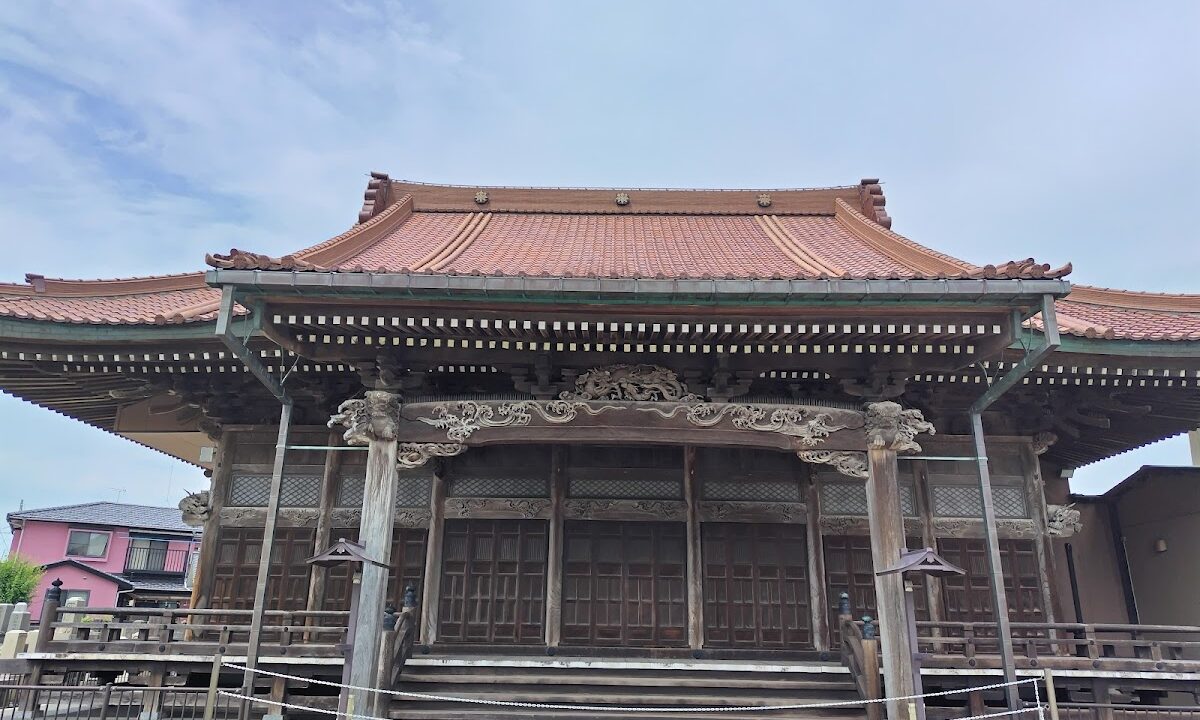
The main hall of Chōonji Temple is a typical example of the Jodo Shinshu Honganji sect architecture. According to visitor reviews, there is a short distance from the entrance to the main hall; the hall gradually comes into view as you proceed along the path.
Particularly impressive is the curve of the main hall’s roof. The elegant curves, unique to Japanese architecture, give the viewer a solemn and majestic impression. This curve is not merely decorative; it’s a practical design feature for efficiently draining rainwater, a testament to architectural techniques adapted to Niigata’s heavy snowfall and rainfall.
Atmosphere of the Temple Grounds
Although Chōonji Temple is located in a residential area, entering the temple grounds reveals a tranquil space far removed from the hustle and bustle of the city. The well-maintained grounds display different expressions throughout the seasons, offering peace and tranquility to visitors.
In spring, you can enjoy cherry blossoms and fresh greenery; in summer, deep green; in autumn, vibrant autumn leaves; and in winter, snowscapes—each season offers its own unique beauty. Especially in Niigata, winters often see heavy snowfall, and the snow-covered main hall exudes an even more solemn atmosphere.
Etiquette of Worship
Jōdo Shinshū Buddhism has different worship etiquette than other Buddhist sects. The basic procedure is as follows:
- Bow at the Temple Gate: Before entering the temple grounds, bow at the temple gate.
- Visiting the Main Hall: Join your hands in prayer in front of the main hall and recite the Nembutsu, “Namu Amida Butsu.”
- Offering: If there is an offering box, place your offering in it.
- Praying: In Jodo Shinshu Buddhism, you do not clap your hands. Simply join your hands in prayer and recite the Nembutsu.
In Jodo Shinshu Buddhism, the essence of worship is not about “making wishes,” but about expressing gratitude to Amida Buddha.
Services Available at Chōonji Temple
Buddhist Memorial Services
Chōonji Temple conducts various Buddhist memorial services in accordance with the customs of the Jōdo Shinshū Honganji sect:
- Funeral: Funeral services based on the teachings of Jōdo Shinshū
- Annual Memorial Services: First anniversary, third anniversary, seventh anniversary, thirteenth anniversary, etc.
- Monthly Memorial Service: Memorial service held every month on the anniversary of death
- Equinox Memorial Service: Memorial service held during the spring and autumn equinoxes
- Obon: Obon Festival
If you wish to hold a Buddhist memorial service, we recommend contacting us by phone in advance to discuss the date and details.
Buddhist Consultation
We accept consultations on various Buddhist matters, including questions about Buddhism and the teachings of Jōdo Shinshū, life advice, and consultations regarding funerals and memorial services. Even those who are not temple parishioners may be able to consult with us, so please inquire by phone first.
About the Cemetery
Chōonji Temple may have an attached cemetery. Those seeking a cemetery in Niigata City, especially those interested in a temple cemetery of the Jodo Shinshu Honganji sect, should contact the temple directly regarding availability and fees.
Nearby Tourist Attractions and Points of Interest
When visiting Chōonji Temple, exploring the surrounding tourist attractions will allow you to gain a deeper understanding of the charm of Niigata City’s Chuo Ward.
Former Ozawa Residence (a few minutes’ walk)
Located a few minutes’ walk north of Chōonji Temple, the Former Ozawa Residence is a valuable building designated as a Niigata City Tangible Cultural Property. It was the residence of a wealthy merchant during the Meiji era and is an important historical site that conveys the prosperity of Niigata at that time.
The interior of the building is open to the public, allowing visitors to see the lifestyle and architectural techniques of the Meiji era up close. The garden is also beautiful, offering seasonal beauty. Admission is approximately 200 yen for adults, and it is especially recommended for those interested in Niigata’s history.
Akebono Park (within walking distance)
Located near Chōonji Temple, Akebono Park is a popular park for local residents to relax in. It features playground equipment and open spaces, making it suitable for family strolls. In spring, cherry blossoms bloom, making it a popular spot for cherry blossom viewing.
Niigata City History Museum Minatopia (approx. 10 minutes by car)
This museum offers a comprehensive look at the history and culture of Niigata City. Through various exhibits, you can learn about the charm of Niigata, including its history as a port town, the era of Kitamae-bune (northern trade ships), and the process of modernization. The grounds also house the former Niigata Customs House, a nationally designated important cultural property, making it well worth a visit.
Hakusan Shrine (approx. 5 minutes by car)
Hakusan Shrine, known as the guardian shrine of Niigata City, is a venerable shrine with over 1,000 years of history. It attracts many worshippers throughout the year, including those seeking blessings for matchmaking, for occasions such as New Year’s and Shichi-Go-San (a traditional Japanese rite of passage for children). While its religion differs from Chōonji Temple, it is worth visiting for understanding Niigata’s religious culture. ### Niigata Furusato Village (approx. 15 minutes by car)
This tourist facility brings together Niigata’s specialty products and culture. You can purchase souvenirs such as Niigata rice, sake, and seafood, and enjoy Niigata’s local cuisine at the restaurant. It’s perfect for concluding your sightseeing.
Temple Culture in Niigata City’s Chuo Ward
History of Teramachi
Many temples are scattered throughout Niigata City’s Chuo Ward, in addition to Chōonji Temple. During the Edo period, Niigata flourished as a port of call for Kitamae-bune (northern route trading ships), becoming a commercial city that attracted merchants from all over the country. Consequently, temples of various sects were built, forming areas known as “Teramachi” (temple towns) where temples were concentrated.
These temples were not merely religious institutions; they also functioned as centers of education and culture, serving as terakoya (temple schools) where children were taught reading and writing, and as venues for cultural activities.
The Connection Between Jodo Shinshu Buddhism and Niigata
As mentioned earlier, Niigata Prefecture is a region associated with Shinran Shonin and has a particularly large number of Jodo Shinshu temples. Within the prefecture, there are temples of both the Honganji and Otani (Higashi Honganji) branches, each continuing its activities rooted in the local community.
Jodo Shinshu Honganji branch temples like Chōonji Temple hold various events throughout the year, including not only funerals and memorial services, but also the Hōonkō, a memorial service commemorating the death anniversary of Shinran Shonin. These events are not merely religious ceremonies but also play an important role in maintaining the local community.
Points to Note and Manners When Visiting a Temple
Regarding Attire
For regular visits, no special attire is required. However, it is advisable to avoid revealing or overly flashy clothing, as temples are sacred places.
When attending memorial services or Buddhist ceremonies, mourning attire or clothing in subdued colors such as black or navy blue is appropriate. It is recommended to bring prayer beads (juzu) specifically for the Jodo Shinshu sect.
Regarding Photography
When photographing the temple grounds or the exterior of the main hall, please be considerate of other visitors. Photography of the interior of the main hall or Buddha statues should be avoided without permission. If you wish to take photographs, please be sure to obtain permission from the temple beforehand.
Visiting Hours
While there are no specific visiting hours listed, it is best to visit during reasonable hours (around 9 AM to 5 PM). Avoid visiting early in the morning or late at night. If visiting for a memorial service or other religious ceremony, please arrive with ample time to avoid being late for your appointment.
Offerings
There is no set amount for offerings during a visit, but it is common to offer coins considered auspicious, such as 5-yen coins (symbolizing good fortune) or 50-yen coins. For offerings during memorial services or other religious ceremonies, it is best to consult with the temple beforehand or follow local customs.
The Significance of Visiting Chōonji Temple
A Place of Spiritual Peace
In modern society, opportunities to find peace of mind are scarce amidst the hustle and bustle of daily life. Visiting a temple like Chōonji offers a precious time to step away from daily life and reflect on oneself.
By joining your hands in prayer and chanting the Nembutsu in the quiet temple grounds, your mind will calm down, and you can return to your daily life with a renewed spirit.
Experiencing History and Culture
Visiting Chōonji Temple is also an opportunity to experience the history of Niigata and the culture of Jōdo Shinshū Buddhism. You can feel traditional Japanese culture through various elements such as the architectural style, Buddhist statues, and the atmosphere of the temple grounds.
In particular, Jōdo Shinshū is a sect that has developed uniquely within Japanese Buddhism, and learning about its teachings and culture will deepen your understanding of Japanese culture.
Connection with the Community
Temples have long been central to local communities. Chōonji Temple is also an important place for local residents, fostering connections among people through various events.
Even when visiting as a tourist, respecting the local history and culture and participating in the worship as a member of the community will lead to a deeper experience.
Model Itinerary Combining Niigata Sightseeing
We introduce a model sightseeing itinerary in Niigata City that includes a visit to Chōonji Temple.
Half-Day Course (Morning)
- 9:00 Arrive at Niigata Station
- 9:30 Visit Chōonji Temple (30 minutes)
- 10:15 Visit the Former Ozawa Residence (45 minutes)
- 11:15 Stroll through Akebono Park (30 minutes)
- 12:00 Lunch near Niigata Station (Hegi soba, Niigata sushi, etc.)
Full-Day Course
- 9:00 Arrive at Niigata Station
- 9:30 Visit Chōonji Temple (30 minutes)
- 10:15 Visit the Former Ozawa Residence (45 minutes)
- 11:15 Visit Hakusan Shrine (30 minutes)
- 12:00 Lunch in Furumachi (Niigata’s Five Great Ramen, Italian food, etc.)
- 13:30 Niigata City History Museum Minatopia (90 minutes)
- 15:30 Shopping at Bandai City (60 minutes)
- 17:00 Souvenir shopping at Niigata Furusato Village (60 minutes)
- 18:30 Dinner near Niigata Station (Sake and seafood)
Enjoying Niigata’s Food Culture
Before and after visiting Chōonji Temple, let’s enjoy Niigata’s unique food culture.
Recommended Gourmet
- Hegi Soba: Niigata’s unique soba noodles using seaweed as a binder
- Tare Katsu Don: A rice bowl topped with a pork cutlet soaked in a sweet and spicy sauce
- Niigata’s Five Great Ramen: Niigata light broth, Tsubame-Sanjo pork back fat broth, Nagaoka ginger soy sauce broth, Sanjo curry broth, rich miso broth
- Italian: Niigata’s B-grade gourmet dish. Yakisoba noodles topped with meat sauce
- Sake: Niigata is one of Japan’s leading sake-producing regions. A wide selection of fine sake, including Hakkaisan, Kubota, and Shimeharitsuru.
- Sushi: Sushi made with fresh seafood from the Sea of Japan.
There are also local restaurants and eateries around Chōonji Temple, so enjoying local cuisine after your visit is highly recommended.
Annual Events and Festivals
Jōdo Shinshū Honganji-ha temples hold various events throughout the year. Chōonji Temple may also hold the following events (please contact the temple directly for details).
Main Annual Events
- Shushōe: January 1st-3rd, a Buddhist service to welcome the New Year
- Nehan-e: Around February 15th, a Buddhist service commemorating the passing of Buddha
- Spring Equinox: One week centered around the spring equinox in March
- Hanamatsuri (Buddha’s Birthday): April 8th, a Buddhist service celebrating the birth of Buddha
- Urabon-e: July or August, a Buddhist service for the Obon festival
- Autumn Equinox: One week centered around the autumn equinox in September
- Hōonkō: Around November-January, a Buddhist service commemorating the death anniversary of Shinran Shonin (the most important event in Jodo Shinshu Buddhism)
- Joya-e: December 31st, New Year’s Eve Memorial Service
Participating in these events allows for a deeper understanding of the teachings of Jodo Shinshu Buddhism.
Summary: The Value of Visiting Chōonji Temple
Chōonji Temple, located in Yūei-chō, Chūō-ku, Niigata City, is a Jodo Shinshu Honganji-ha temple that continues to be a place of faith deeply rooted in the community. It is easily accessible from Niigata Station, and there are many tourist attractions nearby, such as the former Ozawa Residence and Akebono Park.
The elegant architecture of the main hall, the tranquil atmosphere of the temple grounds, and the experience of encountering the teachings of Jodo Shinshu Buddhism offer a place of peace and tranquility. When visiting Niigata, be sure to visit Chōonji Temple and experience a part of Niigata’s history and culture, as well as a glimpse into Japanese Buddhist culture.
For those wishing to visit or inquire about memorial services, it is recommended to contact the temple in advance by phone (025-228-0224). Even those who are not parishioners may be able to visit or inquire about Buddhist services, so please feel free to contact them.
At Chōonji Temple, a representative temple of Niigata City’s temple culture, you can spend a peaceful time and find spiritual fulfillment away from the hustle and bustle of everyday life.