Seiryu-ji Temple (Niigata Prefecture, Nishikan-ku) Complete Guide | History, Goshuin (Temple Seal), and Access Information
Located in Ishize, Nishikan-ku, Niigata City, Seiryu-ji Temple is an ancient temple of the Buzan branch of the Shingon sect with a history of nearly 1300 years. Founded in 736 AD by Gyoki Bodhisattva, this temple boasts the oldest history in the Iwamuro area and welcomes many visitors as the 32nd temple of the Echigo New Shikoku Eighty-Eight Sacred Sites Pilgrimage. This article provides a detailed explanation of everything you need to know before visiting Seiryu-ji Temple, including its history, highlights, goshuin information, and access methods.
History and Origin of Seiryu-ji Temple
Background of Founding and Construction by Gyoki
The founding of Seiryu-ji Temple dates back to 736 AD, during the Nara period. At that time, Gyoki Bodhisattva, a high-ranking priest who was inspecting the Hokuriku region on the orders of Emperor Shomu, stopped in Ishize. Gyōki is known as a Buddhist monk who actively engaged in spreading Buddhism and social work, and is famous for constructing temples, bridges, and ponds throughout Japan.
In Ishise, Gyōki personally carved a statue of Yakushi Nyorai (Medicine Buddha) and established a temple with it as the principal image. Initially, Yakushi Nyorai was the principal image, but later it developed into a Shingon Buddhist temple with Dainichi Nyorai (Vairocana Buddha) as the principal image.
Origin of the Name of Tahōzan Seiryūji Temple
The official name is “Tahōzan Seiryūji Temple.” The mountain name “Tahōzan” originates from Tahō Nyorai (Many Treasures Buddha) in Buddhism, indicating that the temple is a place that protects many treasures (the teachings of Buddhism). The temple name “Seiryūji” (Blue Dragon Temple) is thought to be related to the Azure Dragon, one of the Four Symbols, and embodies the meaning of protecting the temple as a sacred being that guards the east.
Historical Connections with the Uesugi Family
An essential aspect of the history of Seiryu-ji Temple is its relationship with the Uesugi family from the Sengoku period to the early Edo period. The Uesugi clan, known as a powerful daimyo of Echigo Province during the Sengoku period, protected temples and shrines within their territory and highly valued Buddhist faith.
Seiryu-ji Temple is considered one of the temples that received the patronage of the Uesugi family, and was able to maintain its function as a temple even during times of war. It is believed that the Uesugi family’s retainers and subjects also visited Seiryu-ji Temple, and it played an important role as a center of faith in the region.
Value as the Oldest Temple in the Iwamuro District
As the oldest temple in the Iwamuro district, Seiryu-ji Temple has been a core element of the region’s cultural and religious identity. Having attracted the faith of local people for nearly 1300 years and witnessed the changes of the times, this temple is also important for studying the history of Buddhism in Niigata Prefecture.
About the Sect, Denomination, and Principal Image
What is the Shingon-shu Buzan-ha?
Seiryu-ji Temple belongs to the Shingon-shu Buzan-ha sect. Shingon Buddhism is a sect of esoteric Buddhism founded by Kobo Daishi Kukai in the early Heian period. “Shingon” means the true words of Buddha. The Buzan branch of Shingon Buddhism, with Hase-dera Temple in Sakurai City, Nara Prefecture as its head temple, has a tradition of emphasizing both scholarship and ascetic practice.
The characteristics of Shingon Buddhism include its emphasis on visual teachings using mandalas, the practice of chanting mantras, and rituals such as goma (fire ritual). These traditional Shingon practices and rituals are also preserved at Seiryu-ji Temple.
Principal Deity: Dainichi Nyorai
The principal deity of Seiryu-ji Temple is Dainichi Nyorai. Dainichi Nyorai is the most important Buddha in Shingon Buddhism, considered the fundamental Buddha embodying the very truth of the universe. In Sanskrit, it is called “Maha Vairocana” (Great Light), symbolizing the source of all Buddhas and the light of wisdom that illuminates the entire universe.
Dainichi Nyorai (Vairocana Buddha) is usually depicted in two forms: the Vajradhatu and the Garbhadhatu, both representing profound enlightenment and compassion. It is believed that by praying to Dainichi Nyorai, worshippers can touch upon the truth of the universe and attain inner peace and wisdom.
Faith in Kobo Daishi
As a Shingon Buddhist temple, Seiryu-ji Temple also deeply upholds faith in Kobo Daishi Kukai. Kobo Daishi was the founder of the Shingon sect and a great monk who brought Esoteric Buddhism to Japan. He is also known for establishing the Shikoku 88 Temple Pilgrimage, and his spirit is carried on in the Echigo New Shikoku 88 Temple Pilgrimage.
Echigo New Shikoku 88 Temple Pilgrimage, Temple No. 32
What is the Echigo New Shikoku Pilgrimage?
Seiryu-ji Temple is designated as the 32nd temple of the Echigo New Shikoku 88 Temple Pilgrimage. The Echigo New Shikoku Pilgrimage is a pilgrimage route established in Niigata Prefecture, modeled after the Shikoku 88 Temple Pilgrimage. It is a popular pilgrimage route for many, tracing the footsteps of Kobo Daishi (Kukai).
In times when traveling to Shikoku was difficult, “New Shikoku Pilgrimages” were established in various locations to allow people to receive similar merit locally. The Echigo New Shikoku is one such example, primarily composed of Shingon Buddhist temples within Niigata Prefecture.
Significance and Merit of the Pilgrimage
The pilgrimage is not merely sightseeing; it is considered a form of spiritual practice for purifying the mind, dispelling worldly desires, and approaching enlightenment. The number 88 is said to represent the number of worldly desires, and visiting all the temples symbolizes eliminating one desire at a time.
Visiting Seiryu-ji Temple, the 32nd temple on the pilgrimage, is an important first step. By joining your hands in prayer in the quiet temple grounds and calming your mind, you can find spiritual peace away from the hustle and bustle of everyday life.
Goshuin Information
Goshuin Available at Seiryu-ji Temple
Seiryu-ji Temple offers goshuin (temple stamps) to visitors. Goshuin are a traditional Japanese cultural practice that has long been cherished as proof of worship and a record of pilgrimage.
The goshuin at Seiryu-ji Temple features the temple’s name, “Seiryu-ji,” written in ink, and a red stamp indicating that it is the 32nd temple of the Echigo New Shikoku Eighty-Eight Sacred Sites Pilgrimage. It may also include a stamp indicating devotion to Kobo Daishi, making it a valuable memento for pilgrims.
Manners When Receiving a Goshuin
When receiving a goshuin, it is important to observe several manners:
- Complete your worship first: Since the goshuin is proof of worship, first offer your prayers at the main hall before heading to the goshuin office.
- Prepare a goshuin notebook: Bringing a dedicated goshuin notebook is recommended. Please avoid writing in notebooks or on colored paper.
- Prepare an offering: It’s helpful to have around 300 yen prepared as an offering for the Goshuin (temple stamp).
- Wait quietly: Please wait quietly while the head priest or temple staff writes the stamp.
- Express gratitude: After receiving the Goshuin, express your gratitude by saying “Thank you.”
A heartwarming interaction with the head priest’s mother
According to visitor accounts, the head priest’s mother warmly welcomes visitors to Seiryu-ji Temple, allowing them to spend time chatting and enjoying pleasant conversation. This kind of human connection is one of Seiryu-ji Temple’s charms. The warm atmosphere, characteristic of a temple rooted in the community, soothes the hearts of visitors.
Highlights of the temple grounds
Main Hall
The main hall of Seiryu-ji Temple is the central facility of the temple, housing the Dainichi Nyorai (Vairocana Buddha). This temple boasts traditional Japanese architectural styles, offering a serene atmosphere for worship. Inside the main hall, you can admire the magnificent Buddhist implements and decorations of the Shingon sect, conveying the dignity of a temple with a long history.
Natural Environment of the Temple Grounds
As the place name Ishise suggests, this area has long been blessed with stone and water. The grounds of Seiryu-ji Temple are also surrounded by nature, providing a quiet environment where visitors can enjoy the scenery of each season.
From cherry blossoms and fresh greenery in spring, to deep green in summer, autumn leaves in fall, and snowscapes in winter, the temple grounds display different expressions with each season, offering peace of mind to visitors.
Stone Structures Reflecting History
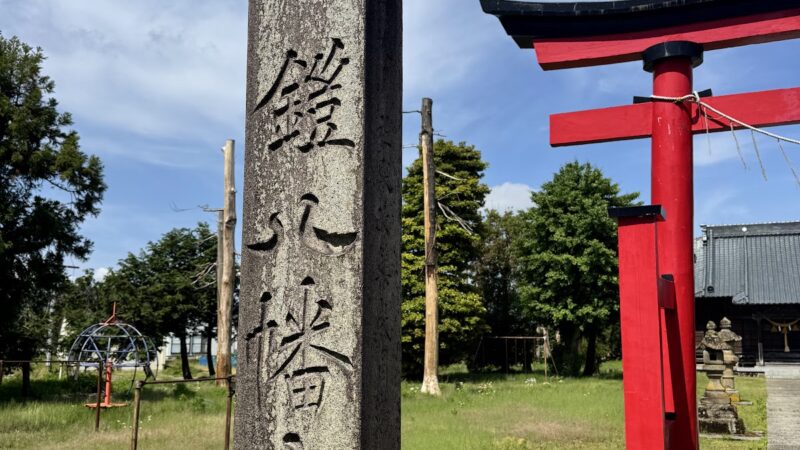
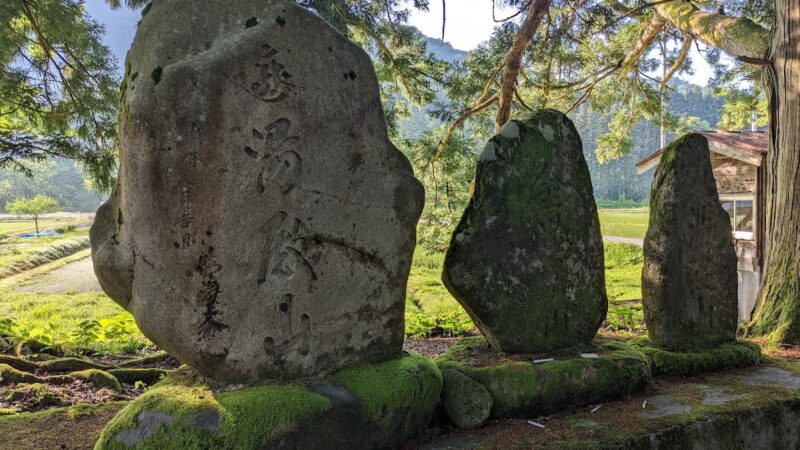
Stone structures that tell the story of a long history are scattered throughout the temple grounds. Old stone pagodas and stone Buddha statues are evidence of the continued preservation of faith across generations. Each of these stone structures embodies the prayers and wishes of our ancestors.
Access Information
Location
Address: 3674 Ishize, Nishikan-ku, Niigata City, Niigata Prefecture
Phone Number: 0256-82-2456
Access by Public Transportation
Access from the Nearest Station
- Approximately 2.8km from JR Yahiko Line “Yahiko Station” (approximately 7 minutes by taxi)
- Approximately 4km from JR Echigo Line “Iwamuro Station” (approximately 10 minutes by taxi)
Access by Bus
The nearest bus stop is “Hozan Shuzo,” and it’s approximately a 5-minute walk (approximately 360m) to Seiryuji Temple. However, since bus service is limited, it is recommended to check the timetable in advance.
Access by Car
By Expressway
- Approximately 30 minutes from Hokuriku Expressway “Sanjo-Tsubame IC”
- Approximately 25 minutes from Hokuriku Expressway “Maki-Gatahigashi IC”
From Niigata City Center
Approximately 40 minutes from Niigata City center via National Route 116. Entering the address or phone number into your car navigation system is convenient.
Parking
The temple has parking spaces for visitors, but if you plan to visit with a large bus or multiple vehicles, it is recommended to contact the temple in advance to confirm.
Manners and Etiquette for Visiting a Temple
Basic Visiting Etiquette
- Bow at the Temple Gate: Before entering the temple grounds, bow at the temple gate to compose yourself.
- Purify at the Water Basin: If there is a water basin, purify your hands and mouth before proceeding to the main hall.
- Worship at the Main Hall: Bow before the main hall, quietly place your offering, and pray with your hands clasped together. In Shingon Buddhism, you may also chant “Namu Daishi Henjo Kongo.”
- Quietly Walk Around the Temple Grounds: Please be quiet and avoid speaking loudly within the temple grounds.
- Bow When Leaving: Bow again when leaving the temple gate.
Regarding Clothing
There are no particularly strict dress code regulations, but it is desirable to dress appropriately, keeping in mind that this is a sacred place. Avoid revealing or overly flashy clothing; aim for clean and understated attire.
Regarding Photography
Photography is generally permitted within the temple grounds, but photography inside the main hall or of Buddha statues may be prohibited. Please check with the temple office or review posted notices before taking photos. Also, please be considerate of the privacy of other visitors.
Nearby Tourist Attractions
Iwamuro Onsen
Located about a 10-minute drive from Seiryu-ji Temple, Iwamuro Onsen is one of Niigata Prefecture’s leading hot spring resorts. This historic hot spring town, dating back to the Edo period, offers a relaxing soak in the hot springs after visiting the temple.
Yahiko Shrine
Yahiko Shrine, known as the Ichinomiya (first-ranked shrine) of Echigo Province, is located about a 15-minute drive from Seiryu-ji Temple. It’s a popular power spot in Niigata Prefecture, perfect for those enjoying temple and shrine visits.
Hozan Sake Brewery
Near Seiryu-ji Temple, Hozan Sake Brewery is a sake brewery producing local Niigata sake. They have a direct sales store where you can sample and purchase sake, allowing you to experience Niigata’s sake culture.
Kakuda Mountain
Kakuda Mountain is a representative mountain of Nishikan-ku, Niigata City, offering opportunities for mountain climbing and hiking. In spring, the mountain is covered in blooming snowdrops, attracting many hikers.
Annual Events and Memorial Services
Seiryu-ji Temple, a Shingon Buddhist temple, holds various memorial services and events throughout the year.
Main Annual Events
- First three days of the New Year: Welcoming visitors for the first shrine visit of the year
- Spring and Autumn Equinoxes: Equinox memorial services are held
- Obon: Urabon-e memorial service
- Kobo Daishi Memorial Service: Memorial service for the anniversary of Kobo Daishi’s death
For specific dates and times, please contact the temple directly.
Points to Note When Visiting Seiryu-ji Temple
Advance Contact
If you wish to receive a temple stamp or participate in a memorial service, especially if you are visiting as a group or require special arrangements, it is best to contact the temple by phone in advance. The head priest or temple staff may be absent, so we recommend contacting the temple in advance to ensure you receive the necessary assistance.
Best Time to Visit
While Seiryu-ji Temple is open for worship year-round, it can experience heavy snowfall characteristic of Niigata during winter. Those unfamiliar with driving on snowy roads should visit between spring and autumn for safety.
Especially during the fresh green of spring and the vibrant autumn foliage, the temple grounds are beautiful, making it an ideal time to visit.
Estimated Time Required
A visit to Seiryu-ji Temple typically takes 30 minutes to an hour. If you plan to receive a temple stamp (Goshuin) or leisurely explore the grounds, allow about an hour.
Summary
Located in Nishikan-ku, Niigata City, Seiryu-ji Temple is the oldest temple in the Iwamuro area, founded in 736 AD by Gyoki. It is a Shingon sect temple of the Buzan school with a history of nearly 1300 years. As the 32nd temple on the Echigo New Shikoku Eighty-Eight Sacred Sites pilgrimage, it is beloved by many pilgrims and worshippers.
This temple, which enshrines Dainichi Nyorai as its principal deity and boasts historically intriguing stories, including its connection to the Uesugi family, welcomes visitors with its tranquil grounds and warm atmosphere. The anecdotes of visitors enjoying pleasant conversations with the head priest’s mother while receiving a temple stamp suggest that it is a warm and welcoming temple deeply rooted in the community.
Easily accessible from Yahiko Station and Iwamuro Station, and with nearby tourist attractions such as Iwamuro Onsen and Yahiko Shrine, it’s a great place to visit as part of a temple and shrine tour or a hot spring trip.
Why not spend some time at Seiryu-ji Temple, where history and faith breathe life into the world, offering a moment of quiet prayer and escaping the hustle and bustle of everyday life?