Myokoji Temple (Niigata Prefecture, Nishikan-ku) Complete Guide: A Famous Temple on Kakuda Mountain with 700 Years of History and a Jodo Shinshu Temple in Maki
Did you know that there are two temples named “Myokoji” in Nishikan-ku, Niigata City, Niigata Prefecture? One is an ancient Nichiren Buddhist temple located in Kakudahama, and the other is a Jodo Shinshu Honganji-ha temple in the Maki area. This article provides a detailed explanation of these two Myokoji temples, including their history, characteristics, cultural assets, and transportation access.
Kakuda-san Myokoji Temple (Nichiren Buddhism): A Famous Temple on Kakudahama with 700 Years of History
Overview and History
Kakuda-san Myokoji Temple is a Nichiren Buddhist temple located at 1056 Kakudahama, Nishikan-ku, Niigata City, Niigata Prefecture. Its mountain name is Kakuda-san, and its former head temple is the Daihonzan Honkoku-ji Temple (Rokujo-monryu), belonging to the Tenshi Hōen (Tento-kai) lineage. With a history spanning over 700 years since its founding, Myoko-ji Temple has been cherished in the community as one of the “Three Daimoku of Kakudahama.”
Myoko-ji Temple’s founding dates back to the late Kamakura period, specifically to the second year of the Showa era (1313). It is said to have been founded by Nichiin Shonin, and developed as a temple following in the tradition of Nichiren Shonin’s missionary activities. It is believed that Nichiren Shonin’s missionary work in this region during his exile to Sado Island in the Bun’ei era (1264-1275) laid the foundation for the later founding of Myoko-ji Temple.
What are the Three Daimoku of Kakudahama?
In addition to Myoko-ji Temple, there are three other Nichiren Buddhist temples in the Kakudahama area: Myohoji Temple and Rengeji Temple. These three temples together are known as the “Three Daimoku of Kakudahama.” This name originates from their role as three centers of worship for the Nichiren sect, where the fundamental mantra “Namu Myoho Renge Kyo” is chanted, playing a central role in the region’s faith.
Temple History
Myoko-ji Temple has experienced several changes throughout its long history. It is said that it was originally named Keioji Temple, and later renamed Myoko-ji Temple. Even in the Heisei era, the temple has continued to operate in accordance with the needs of the times, establishing the “Mori no An’on” perpetual memorial grave, considered a pioneer in Japan, and continuing innovative initiatives while preserving tradition.
Highlights of the Temple Grounds
The grounds of Kakuda-san Myoko-ji Temple are dotted with historical buildings and religious facilities.
Temple Gate
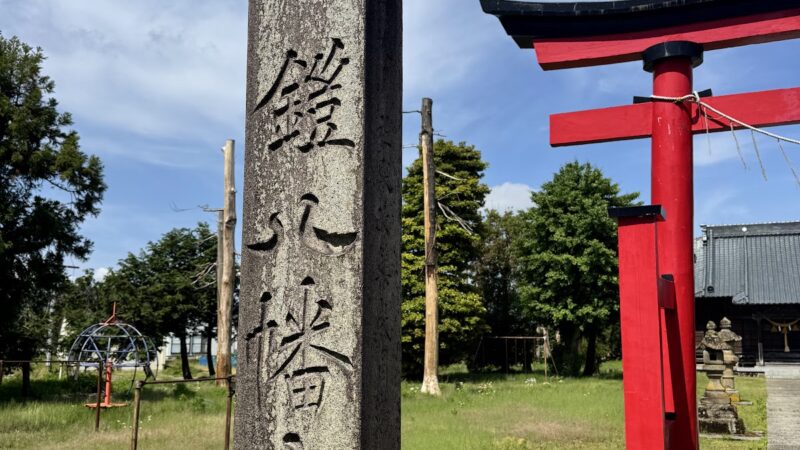
The temple gate, located at the entrance to the temple, is an important structure welcoming visitors. Passing through the gate, one enters a temple grounds enveloped in a tranquil atmosphere.
Main Hall
The main hall, which houses the mandala, the principal image of Nichiren Buddhism, is the central building of faith. Regular memorial services and sermons are held here, and it serves as a gathering place for parishioners and visitors.
Bell Tower
Within the temple grounds stands a bell tower, where a temple bell hangs to announce the time. It plays an important role in annual events, such as the ringing of the New Year’s Eve bell.
Shichimen Daimyojin Hall
A hall dedicated to Shichimen Daimyojin, worshipped in the Nichiren sect, is also located on the temple grounds. Shichimen Daimyojin has been revered in Nichiren temples since ancient times as a guardian deity of the Lotus Sutra.
Three-Storied Miniature Pagoda
One of the distinctive structures on the temple grounds is a three-storied miniature pagoda. This pagoda is attracting attention as a valuable cultural asset that conveys the beauty of Buddhist architecture to the present day.
Cultural Properties and Registered Tangible Cultural Properties
Kakuda-san Myoko-ji Temple preserves cultural properties of high historical and cultural value. In particular, some of the buildings are designated as Registered Tangible Cultural Properties (nationally registered) and are carefully protected as regional historical heritage. These cultural properties are valuable resources that convey the architectural styles and religious art characteristics from the Edo period to the Meiji and Taisho periods.
Perpetual Memorial Grave “Mori no An’on”
To meet the needs of modern society, Kakuda-san Myoko-ji Temple has established the perpetual memorial grave “Mori no An’on.” Located in a naturally rich environment surrounded by the sea and mountains, it is attracting attention as a pioneering initiative nationwide, providing a memorial facility for those without successors or those who wish not to burden their descendants.
Annual Events and Memorial Services
Kakuda-san Myoko-ji Temple holds various Buddhist events and memorial services throughout the year. Traditional Buddhist events are preserved, including the Oeshiki, an important event of the Nichiren sect, as well as the spring and autumn equinox services and the Obon Segaki memorial service.
Oiwayama Myokoji Temple (Jodo Shinshu Honganji School): A Place of Support for Followers in the Maki Area
Overview and History
Oiwayama Myokoji Temple is a Jodo Shinshu Honganji School (Nishi Honganji School) temple located at 2221 Maki-ko, Nishikan-ku, Niigata City, Niigata Prefecture. It is conveniently located in the heart of the Maki area, just a short 0.5km walk from JR Echigo Line Maki Station.
As a Jodo Shinshu Honganji School temple, it has inherited the teachings of Shinran Shonin and supported the religious lives of local followers (believers). It preaches the doctrine of salvation through the power of Amida Buddha’s original vow, stating that all people are saved by the power of Amida Buddha’s original vow through the recitation of “Namu Amida Butsu.”
Dharma Gatherings and Educational Activities
Oiwayama Myokoji Temple holds various Dharma gatherings (gatherings to listen to Buddhist teachings) every month. The official website (www.maki-myoukouji.com) provides information on the schedule and content of Dharma services, demonstrating an open temple operation that allows participation not only from temple members but also from the general public.
Dharma services feature sermons that explain the teachings of Jodo Shinshu Buddhism in an easy-to-understand manner, and also serve as a place for interaction among participants. They play a role in personal development through Buddhism and as a spiritual anchor in modern society.
Temple Facilities and Grounds
Maki Myokoji Temple features a main hall built in the traditional architectural style of the Jodo Shinshu Honganji sect, surrounded by the priest’s quarters and guest hall. The main hall houses the principal image of Amida Buddha, and Dharma services and services are conducted in a solemn atmosphere.
The temple grounds are well-maintained, offering an environment where one can experience the changing seasons. It is a popular place of relaxation for temple members and local residents.
Annual Events
As a temple of the Jodo Shinshu Honganji sect, Myokoji Temple on Oiwayama observes the following annual events:
- Hoonko: The most important memorial service commemorating the anniversary of Shinran Shonin’s death
- Spring and Autumn Equinox Services: Memorial services for ancestors
- Birth Day (Flower Festival): A memorial service celebrating the birth of Shakyamuni Buddha
- Obon Festival: A memorial service for the Obon festival
- New Year’s Eve Service: A memorial service on New Year’s Eve
Through these events, the temple fosters the faith of its followers and deepens the bond between the temple and its parishioners.
Access Information
Access to Kakudayama Myokoji Temple (Nichiren Buddhism)
Location
1056 Kakudahama, Nishikan-ku, Niigata City, Niigata Prefecture 953-0011
Phone Number
0256-77-2025
By Public Transportation
- Take a Niigata Kotsu bus from JR Echigo Line “Echigo Akatsuka Station” or “Maki Station”
- Take a bus bound for Kakudahama, get off at the “Kakudahama” bus stop, and walk for about 5 minutes.
By Car
- Approximately 15 minutes from Hokuriku Expressway “Makigatahigashi IC”
- Accessible via National Route 402 (Japan Sea Coastal Tohoku Expressway)
- Parking available
Surrounding Environment
Located at the foot of Mt. Kakuda, facing the Sea of Japan, in a naturally rich environment. Mt. Kakuda is a popular spot for mountain climbing and hiking, and in spring, many tourists visit to see the large clusters of snowdrop flowers. Enjoy the natural beauty of Mount Kakuda in conjunction with your temple visit.
Access to Myokoji Temple (Jodo Shinshu Honganji School)
Location
2221 Maki-ko, Nishikan-ku, Niigata City, Niigata Prefecture 953-0041
Phone Number
0256-72-2788
By Public Transportation
- Approximately 5 minutes on foot (approx. 0.5 km) from JR Echigo Line “Maki Station”
- Maki Station is approximately 30 minutes from Niigata Station on the Echigo Line
By Car
- Approximately 10 minutes from Hokuriku Expressway “Maki-gatahigashi IC”
- Accessible via National Route 116 or prefectural road
- Parking available
Surrounding Environment
Located in the urban area of Maki district, it boasts a convenient location with shops and public facilities nearby. It is also close to Maki Station, making it easily accessible by public transportation.
Differences and Characteristics of the Two Myokoji Temples
The two Myokoji temples located in Nishikan-ku, Niigata City, share the same name but are separate temples with different sects, histories, and locations.
Differences in Sects
Kakuda-san Myokoji is a Nichiren Buddhist temple, based on the teachings of Nichiren Shonin, and its fundamental practice is chanting the title “Namu Myoho Renge Kyo.” It considers the Lotus Sutra to be the highest scripture and its teachings are characterized by the preaching of worldly benefits and attainment of Buddhahood.
Oiwayama Myokoji is a Jodo Shinshu Honganji-ha temple, based on the teachings of Shinran Shonin, and preaches salvation through the power of Amida Buddha’s original vow by chanting the Nembutsu “Namu Amida Butsu.” Its teachings are characterized by the concept of salvation through the power of others.
Historical Background
Kakuda-san Myoko-ji Temple boasts a history of over 700 years, founded in 1313 during the Kamakura period, and possesses valuable cultural assets, including registered tangible cultural properties. On the other hand, while the exact founding date of Oiwayama Myoko-ji Temple is unknown, it has become deeply rooted in the community as a center for the propagation of Jodo Shinshu Buddhism in the Maki area.
Location and Environment
Kakuda-san Myoko-ji Temple is located in a naturally rich environment facing the Sea of Japan at Kakudahama, near the starting point for climbing Mount Kakuda. In contrast, Oiwayama Myoko-ji Temple is located in the urban area of Maki, characterized by its convenient location close to the train station.
Points to Note and Manners When Visiting
Attire and Preparation
When visiting temples, clean and subdued attire is desirable. Especially when attending memorial services, mourning attire or semi-formal attire should be worn. Even in summer, avoid revealing clothing.
Etiquette for Visiting a Temple
For Nichiren Buddhism (Kakuda-san Myoko-ji Temple)
- Bow at the temple gate before entering the grounds.
- Join your hands in prayer in front of the main hall and chant “Namu Myoho Renge Kyo.”
- Use prayer beads in the style of Nichiren Buddhism.
For Jodo Shinshu Buddhism (Oiwayama Myoko-ji Temple)
- Bow at the temple gate before entering the grounds.
- Join your hands in prayer in front of the main hall and chant “Namu Amida Butsu.”
- Do not clap your hands in Jodo Shinshu Buddhism.
- Use prayer beads in the style of Jodo Shinshu Buddhism.
Regarding Photography
Photography of the temple grounds and the exterior of buildings is generally permitted, but permission is required in advance for photography of the interior of the main hall or of Buddha statues. Photography during religious services should be avoided as a general rule.
Nearby Tourist Attractions
Around Kakudayama Myokoji Temple
Kakudayama
A mountain with an elevation of 481.7m, famous for its clusters of snowdrop and dogtooth violet flowers in spring. There are multiple hiking trails, suitable for beginners.
Kakudahama Beach
A beautiful beach facing the Sea of Japan, bustling with swimmers in the summer. Also known for its beautiful sunsets.
Iwamuro Onsen
A hot spring resort located about 15 minutes away by car, boasting a history of over 300 years and one of Niigata Prefecture’s leading hot spring areas.
Around Oiwayama Myokoji Temple
Maki Cultural Center
A cultural and artistic hub in the Maki area, hosting various events.
Tahozan
A symbolic mountain in the Maki area, offering panoramic views of the Niigata Plain and the Sea of Japan from its summit.
Kakudayama Lighthouse
A lighthouse offering stunning views of the Sea of Japan; the surrounding area is perfect for strolling. ## Summary
The two Myokoji temples in Nishikan-ku, Niigata City, are important temples that have supported the faith of the local people, each with its own distinct sect and history. Kakuda-san Myokoji is an ancient Nichiren Buddhist temple boasting 700 years of history and cultural assets, while Oiwayama Myokoji serves as a base for the Jodo Shinshu Honganji sect in the Maki area, each fulfilling its own role.
When visiting for worship or sightseeing, it is important to understand the characteristics of each temple and the differences in their sects, and to worship with appropriate manners. Furthermore, visiting them in conjunction with the surrounding nature and tourist attractions will allow you to experience the charm of Nishikan-ku, Niigata City, more deeply.
Both temples continue to work to meet modern needs while preserving their history, and will undoubtedly continue to play an important role as spiritual pillars of the region. When visiting Niigata, please be sure to visit these Myokoji temples.