Complete Guide to Hōonji Temple (Chuo-ku, Niigata City, Niigata Prefecture) | Access and History of a Soto Zen Temple
Hōonji Temple, located in Nishibori-dori 3-bancho, Chuo-ku, Niigata City, is a historic temple belonging to the Soto Zen sect. Despite its secluded location in the heart of the bustling city center, this temple maintains a tranquil atmosphere, making it a valuable resource for conveying Niigata’s history and culture. This article provides a comprehensive overview of Hōonji Temple, including detailed information, access methods, historical background, and architectural features, incorporating a local perspective.
About Hōonji Temple
Hōonji Temple is a Soto Zen temple located at 804 Nishibori-dori 3-bancho, Chuo-ku, Niigata City, Niigata Prefecture. Its mountain name is Shōjusan, and it conducts religious activities based on the teachings of the Soto Zen sect. While there are 76 temples in Chuo-ku, Niigata City, Hōonji Temple is unique in that, despite its proximity to the commercial area of Nishibori-dori, it offers a peaceful space for visitors.
The Soto Zen sect is a branch of Zen Buddhism that emphasizes practice centered on seated meditation (zazen). Hoonji Temple has inherited this tradition and has functioned as a center of faith for the local people. Although located in a somewhat secluded area, it is relatively easy to find, even for first-time visitors, as a path leads from the main street.
Hoonji Temple’s Sect and Characteristics
The Soto Zen sect is a Japanese Zen sect founded by Zen Master Dogen and with Zen Master Keizan as its grand patriarch. Its characteristic teachings are based on “shikan taza,” or simply sitting meditation, and view daily life itself as a form of spiritual practice. Hoonji Temple also inherits this spirit of the Soto sect, conveying Buddhist teachings through Dharma talks and zazen sessions for local residents.
Niigata Prefecture as a whole has 2,795 temples, making it known as a region with a large number of temples nationwide. Among them, Hoonji Temple is noteworthy for maintaining the atmosphere of a traditional temple despite being located in the urban area of Chuo Ward.
Basic Information
The following is a summary of basic information about Hoonji Temple. Please use this as a reference when visiting or making inquiries.
Official Name: Shojusan Hoonji Temple
Sect: Soto Zen
Address: 804, Nishibori-dori 3-bancho, Chuo-ku, Niigata City, Niigata Prefecture 951-8061
Phone Number: 025-223-0287
Genre: Temple, Soto Zen Temple
Jurisdiction: Registered on the official Soto Zen temple portal site “Soto Zen Navi,” and officially recognized as a Soto Zen temple.
Surrounding Environment and Location Characteristics
Nishibori-dori, where Hoonji Temple is located, is close to the center of Chuo-ku, Niigata City, and was once a thriving commercial center. Even today, the surrounding area is lined with shops and restaurants, giving it an urban atmosphere. However, stepping into the grounds of Hōonji Temple reveals a tranquil space far removed from the hustle and bustle.
This location offers both the convenience of easy access for daily visits and the serenity necessary for peaceful prayer. Its easy access from business districts and residential areas makes it a familiar place of worship for local residents.
Access
This section provides detailed information on how to access Hōonji Temple using both public transportation and private cars.
Access by Train
The nearest station to Hōonji Temple is Hakusan Station on the JR Echigo Line. Detailed access information from each station is as follows:
From Hakusan Station:
- Distance: Approximately 1.3-1.5 km
- Walking time: Approximately 17-19 minutes
- The most common route is to head towards Niigata city center from the Hakusan Station exit and proceed towards Nishibori-dori.
From Niigata Station:
- Distance: Approximately 1.9-2.1 km
- Walking time: Approximately 25-26 minutes
- Niigata’s gateway, served by multiple lines including the JR Echigo Line, Joetsu Shinkansen, and Hakushin Line.
- By taxi, it takes approximately 10 minutes.
From Kamisho Station:
- Distance: Approximately 1.3 km
- Walking time: Approximately 16 minutes
- A station on the Echigo Line, adjacent to Hakusan Station.
Walking Access Points
Hoonji Temple’s approach road is accessible from the main street, so you can find the entrance by walking along Nishibori-dori. However, because it is located in a somewhat secluded area, first-time visitors are advised to use a map app or navigation system.
There are landmark buildings and shops in the surrounding area, so asking locals for directions is also a good idea. Many Niigata residents are familiar with Hōonji Temple and will likely be happy to guide you.
Access by Car and Parking Information
If visiting by car, access from major roads is relatively easy as the temple is located in the heart of Niigata City’s Chuo Ward. However, since there are many one-way streets around Nishibori-dori, using a car navigation system is recommended.
Regarding parking, it is recommended to check in advance by phone (025-223-0287) for details on whether there is a dedicated parking space for the temple. There are also several coin-operated parking lots in the surrounding area, which you can consider using.
Bus Options
If using local buses operating within Niigata City, buses bound for Nishibori-dori or Furumachi are convenient. The nearest bus stop is within a few minutes’ walk, but please check the Niigata Kotsu official website for the latest information on specific bus stop names and schedules.
History and Origins of Hōonji Temple
While publicly available information on the founding date and detailed history of Hōonji Temple is limited, it is certain that it has a long history as a Sōtō Zen temple. Niigata City developed as a port town from the Edo period onward, and many temples were built. It is believed that Hōonji Temple also functioned as a center of local faith during this period.
Development of Buddhist Culture in Niigata
Niigata Prefecture has one of the highest numbers of temples in Japan, with 2,795 temples. This is deeply related to Niigata’s history as a key point on the Hokuriku Road and an important port city on the Sea of Japan side. As commerce developed, the population increased, and consequently, the number of temples also increased.
The area around Nishibori-dori, where Hōonji Temple is located, was once a thriving commercial center of Niigata. It is presumed that it attracted the faith of merchants and townspeople and functioned as a spiritual pillar of the local community.
Role as a Soto Zen Temple
The Soto Zen sect was introduced to Japan during the Kamakura period by Zen Master Dogen and subsequently spread throughout the country. Many Soto Zen temples exist in Niigata Prefecture, and Hoonji Temple is one of them, supporting the local Buddhist culture.
Soto Zen temples have functioned not only as religious facilities but also as centers of education and culture. They have a history of fulfilling diverse roles, such as serving as temple schools teaching reading and writing to children and as community meeting places.
Architecture and Highlights of Hoonji Temple
Regarding the architecture of Hoonji Temple, records indicate that it is a wooden building constructed in 1917 (Taisho 6). As a valuable building that preserves the architectural style of the Taisho era, it is considered to have high historical value.
Distinctive Architectural Style
A particularly noteworthy feature of Hoonji Temple’s architecture is the presence of a Chinese lion (karajishi) atop its square roof. While this karajishi is a traditional decoration in temple architecture, the one at Hoonji Temple is particularly impressive, enhancing the overall dignity of the building.
The square roof, a roof style with slopes on all four sides, is a structure that conveys stability and dignity. It harmoniously blends the warmth unique to wooden architecture with the simple yet powerful beauty characteristic of Zen Buddhist temples.
Atmosphere of the Temple Grounds
Located in a secluded area, the grounds of Hōonji Temple offer a quiet space isolated from the hustle and bustle of the city. Entering the grounds via the approach path allows one to escape the hustle and bustle of daily life and find peace of mind.
Besides the main hall, related buildings and stone monuments are arranged within the grounds, maintaining an orderly beauty. The well-maintained grounds convey the dedication of those who continue to protect the temple.
Manners and Precautions for Visiting
When visiting Hōonji Temple, it is important to observe basic manners for visiting temples. Below are general manners for visiting Sōtō Zen temples.
Basic Manners for Visiting Temples
- Attire: Please wear clean, understated clothing. It is advisable to avoid clothing that exposes a lot of skin.
- Upon entering the temple grounds: Bow before entering through the temple gate. Since the center of the path is considered the path for gods and Buddhas, it is polite to walk along the sides.
- Worship at the main hall: Bow before the main hall, offer your donation, and then clasp your hands together in prayer. While there are specific rituals in the Soto Zen sect, general visitors can simply clasp their hands together sincerely.
- Quietness: Be quiet within the temple grounds and be considerate of other visitors.
- Photography: Photography is prohibited in some areas, so check beforehand or take pictures sparingly.
Visiting Hours
While visiting hours are often not officially published, it is generally appropriate to visit temples during daylight hours. General visits may be restricted during memorial services or events, so it is recommended to call ahead if you have a special reason to visit.
Hōonji Temple and the Local Community
Hōonji Temple is not merely a religious facility; it functions as an important part of the local community. For residents of Chuo Ward, Niigata City, Hōonji Temple is a place for ancestral worship and an important place to visit at important milestones in life.
Annual Events and Memorial Services
Sōtō Zen temples hold various events and memorial services throughout the year. Seasonal Buddhist events, such as Obon and Higan memorial services, and year-end and New Year’s celebrations, provide opportunities for local residents to gather.
Through these events, Buddhist teachings are passed down to the next generation, and community bonds are deepened. Hōonji Temple, while preserving local traditions, serves as a source of spiritual support for people living in the modern age.
Cemeteries and Perpetual Memorial Services
Like many temples, Hōonji Temple may offer services such as cemetery management and perpetual memorial services. For details, please contact the temple directly to inquire about cemetery availability and conditions for perpetual memorial services.
Places to Visit Alongside Nearby Tourist Attractions
When visiting Hōonji Temple, you can also explore other tourist attractions in the surrounding Chuo Ward of Niigata City.
Furumachi Area
Within walking distance of Hōonji Temple is Furumachi, Niigata’s traditional shopping and entertainment district. It’s lined with long-established shops and restaurants, offering a glimpse into Niigata’s history and culture.
Hakusan Shrine
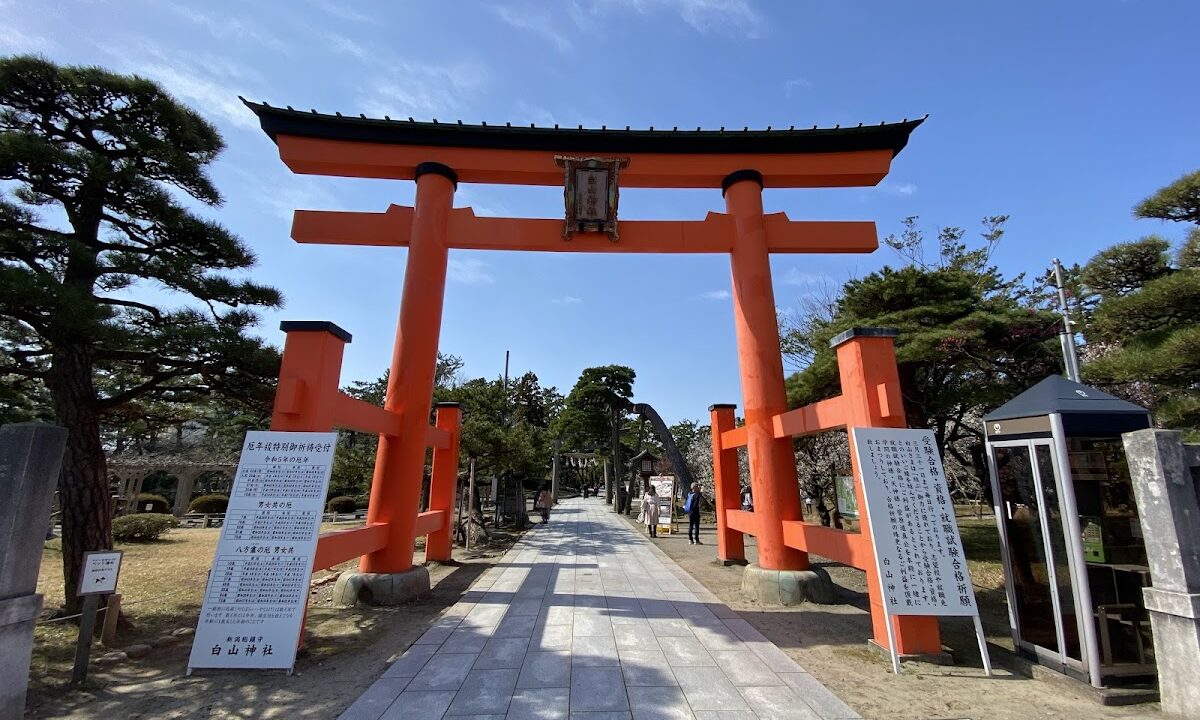
Hakusan Shrine, the guardian shrine of Niigata City, is also relatively close. Visiting the shrine along with Hōonji Temple will deepen your understanding of Niigata’s religious culture.
Stroll Along the Shinano River
The area along the Shinano River, which flows through Niigata City, is ideal for a stroll. Enjoy Niigata’s nature and urban landscape while walking along the riverside promenade.
How to Contact Hōonji Temple
For detailed information about Hōonji Temple, including services, ceremonies, cemeteries, and other services, you can contact the temple directly.
Phone Number: 025-223-0287
When making inquiries, please be mindful of the temple’s business hours and avoid calling early in the morning or late at night. Generally, the appropriate time is considered to be between 9:00 AM and 5:00 PM.
Soto Zen Official Network
Hoonji Temple is registered on “Soto Zen Navi,” the official Soto Zen temple portal site. This site is also helpful for learning about the teachings and activities of the Soto Zen sect as a whole. Furthermore, the official Soto Zen sect social media accounts (Instagram, etc.) disseminate information about the activities of Soto Zen temples nationwide and Buddhist teachings.
Summary
Located in Nishibori-dori 3-bancho, Chuo-ku, Niigata City, Hoonji Temple is a historic temple that continues to uphold the teachings of the Soto Zen sect. Despite its secluded location in the city, it maintains a tranquil atmosphere and serves as a place of faith for local residents.
The wooden building, constructed during the Taisho era, features a distinctive appearance with a square roof topped with a Chinese lion, and is a building of high historical value. Located approximately 17-19 minutes on foot from JR Echigo Line Hakusan Station, Hoonji Temple boasts excellent accessibility from Niigata City, making it easily accessible for regular visits.
Visiting Hoonji Temple allows you to experience Niigata’s history and Buddhist culture, and enjoy a peaceful time away from the hustle and bustle of everyday life. When visiting, it is important to observe basic manners and be mindful of preserving this valuable cultural heritage.
If you have the opportunity to visit Chuo Ward in Niigata City, be sure to stop by Hoonji Temple and experience the unique atmosphere of a Soto Zen temple and the spirituality nurtured by its long history.