Enmei-ji Temple (Kaminoyama City, Yamagata Prefecture) Complete Guide | History, Access, and Surrounding Area Information for a Soto Zen Temple
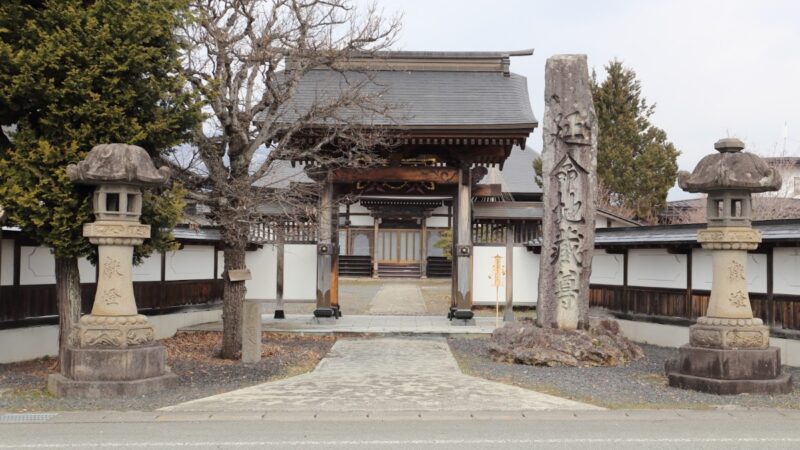
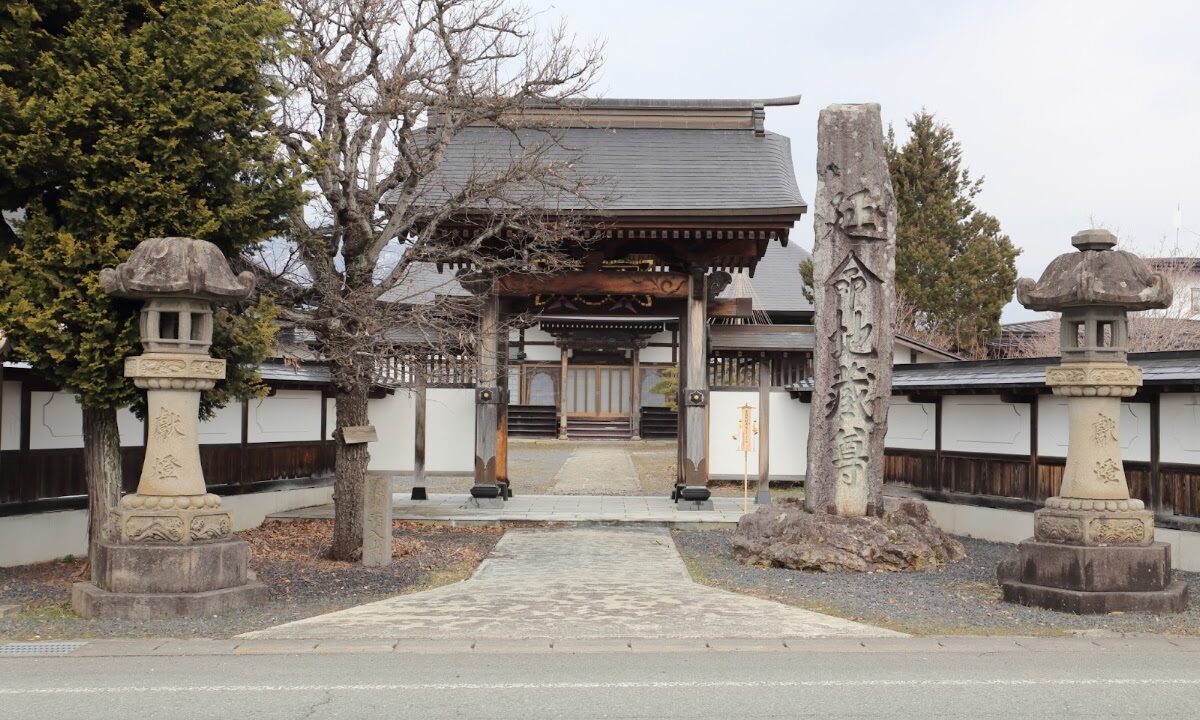
Located in Mikami, Kaminoyama City, Yamagata Prefecture, Enmei-ji Temple is a historic temple belonging to the Soto Zen sect. As a place of faith deeply rooted in the community, it has served as a spiritual anchor for local residents for many years. This article provides a detailed explanation of Enmei-ji Temple, from its basic information and historical background to access methods and surrounding environment.
Basic Information about Enmei-ji Temple
Enmei-ji Temple is a Soto Zen temple located at 5 Yashiki, Mikami, Kaminoyama City, Yamagata Prefecture. Detailed basic information is summarized below.
Location and Contact Information
Address: 5 Yashiki, Mikami, Kaminoyama City, Yamagata Prefecture 999-3223
Postal Code: 999-3223
Sect: Soto Zen
Corporate Number: 6390005002427
Chief Priest: Tadao Kobayashi
About Enmei-ji Temple’s Sect
Enmei-ji Temple belongs to the Soto Zen sect, a branch of Zen Buddhism introduced to Japan by Zen Master Dogen during the Kamakura period. It is characterized by its emphasis on “Shikantaza,” a teaching that prioritizes simply sitting in meditation. It is one of the major Buddhist sects in Japan, with over 14,000 temples nationwide.
The Soto Zen sect has two main temples: Eihei-ji Temple in Fukui Prefecture and Soji-ji Temple in Kanagawa Prefecture, employing a dual-head-temple system. Enmei-ji Temple also supports local religious activities based on the teachings of the Soto Zen sect.
History and Origin of Enmei-ji Temple
The name Enmei-ji Temple originates from the Buddhist concept of “prolonging life.” This concept not only means extending one’s lifespan, but also embodies the wish that the Buddha’s compassion protects the lives of all sentient beings, enabling them to live healthy lives.
Kaminoyama City in Yamagata Prefecture is a historic region known for its Kaminoyama Onsen (hot springs). It has a history of flourishing as a castle town of the Kaminoyama Domain, and many temples and shrines have been built there. Enmei-ji Temple is one of the temples that has walked hand in hand with the history of this region.
Temple Culture of Kaminoyama City
Besides Enmei-ji Temple, many other temples exist in Kaminoyama City, each supporting the local faith and culture. Many temples date back to the Edo period, serving as valuable cultural heritage that conveys the region’s history to the present day.
As a Soto Zen temple, Enmei-ji Temple has played a role in conveying Buddhist teachings to local residents through Zen meditation sessions and memorial services. Enmei-ji Temple is an indispensable part of the community, especially as a venue for ceremonies marking important life events such as funerals and memorial services.
How to Access Enmei-ji Temple
This section provides detailed information on how to access Enmei-ji Temple.
Access by Public Transportation
Nearest Station: Kaminoyama Onsen Station (Yamagata Shinkansen/Ou Main Line)
Kaminoyama Onsen Station is a stop on the Yamagata Shinkansen, making it easily accessible from Tokyo. The temple is approximately a 15-minute drive from the station.
You can easily reach Enmei-ji Temple by taking a taxi from the station or by renting a car. Regarding bus routes, there may be community buses operated by Kaminoyama City, so it is recommended to check in advance.
Access by Car
Expressway: Approximately 20 minutes from Yamagata Zao IC on the Yamagata Expressway
If using the Yamagata Expressway, exit at Yamagata Zao IC and head towards National Route 13. You can access the Mikami area via the Kaminoyama city center.
Regarding parking, there is generally parking space for visitors on the temple grounds, but it may get crowded during religious services and events, so it is recommended to check in advance.
Map and Location Information
Enmei-ji Temple is located in the Mikami area of Kaminoyama City, in a quiet environment surrounded by rural scenery. It is a little distance from the Kaminoyama Onsen hot spring resort area, allowing for a peaceful visit.
You can find accurate location information and route guidance by searching for “Enmei-ji Temple, Kaminoyama City, Mikami” on online map services such as Google Maps or Yahoo! Maps.
Surrounding Environment and Facilities of Enmei-ji Temple
About the Mikami Area of Kaminoyama City
The Mikami area is a rural area located in the northern part of Kaminoyama City, surrounded by abundant nature. It boasts beautiful views of the Zao mountain range, and you can enjoy the scenery of each season.
The main industry in the region is agriculture, with rice cultivation being particularly thriving. Furthermore, fruit cultivation, including cherries and La France pears, is also practiced in this area, allowing visitors to experience Yamagata Prefecture’s rich agricultural culture.
Nearby Temples and Shrines
Besides Enmei-ji Temple, Kaminoyama City is dotted with numerous temples and shrines. Each possesses its own unique history and characteristics, supporting the local faith.
Major temples and shrines within Kaminoyama City include Tsukioka Shrine, Kasuga Shrine, and the group of temples surrounding the samurai residences. Visiting these temples and shrines will allow you to gain a deeper understanding of Kaminoyama’s history and culture.
Nearby Tourist Attractions
Kaminoyama Onsen: Located about 10 minutes by car from Enmei-ji Temple, Kaminoyama Onsen is a hot spring resort with a history of approximately 560 years. It consists of five hot spring districts (Shinyu, Yumachi, Tokamachi, Kawasaki, and Hayama), each offering a different atmosphere.
Kaminoyama Castle (Tsukioka Castle): Kaminoyama Castle, a symbol of Kaminoyama City, offers a magnificent view from its observation deck, providing a panoramic view of the city. It also functions as a local history museum, where you can learn about the history of Kaminoyama.
Samurai Residences: Samurai residences from the Edo period are preserved, offering a glimpse into the lifestyle of that time.
Zao Mountain Range: Kaminoyama City is located at the foot of the Zao Mountain Range, allowing visitors to enjoy nature throughout the seasons through activities such as mountain climbing, trekking, and winter skiing.
Nearby Funeral Homes and Facilities
The following funeral homes and funeral-related facilities are located near Enmei-ji Temple:
- Family Funeral Hall Obanazawa
- Obanazawa City Oishida Town Environmental Sanitation Association Funeral Hall Shiragiku-en
These facilities may be used for funerals and memorial services. If you hold a funeral at Enmei-ji Temple, it is possible to coordinate with these funeral homes.
Memorial Services and Events at Enmei-ji Temple
About Funerals and Memorial Services
Enmei-ji Temple, as a Soto Zen Buddhist temple, conducts funerals and various memorial services. Soto Zen funerals are based on the idea of sending off the deceased as a disciple of Buddha, and are characterized by rituals such as ordination and guidance.
Main Memorial Services:
- Funeral (Wake and Farewell Ceremony)
- First Seven Day and Forty-Ninth Day Memorial Services
- Annual Memorial Services (First, Third, Seventh Anniversary, etc.)
- Memorial Services during Obon and Higan
If you wish to hold a memorial service, you must contact the temple in advance to discuss the date and content.
Zen Meditation and Sutra Copying Sessions
Soto Zen temples sometimes hold Zen meditation and sutra copying sessions for the general public. Enmei-ji Temple may also offer such activities, so please contact the temple directly if you are interested.
Zen meditation is a valuable opportunity to calm the mind and confront oneself. Generally, careful instruction is provided so that even beginners can participate.
Funeral Culture in Kaminoyama City
Funeral Customs in Yamagata Prefecture
Yamagata Prefecture retains unique regional customs regarding funerals. The following characteristics are observed within Yamagata Prefecture, including Kaminoyama City:
Wake Reception: After the wake, it is customary to offer a meal to the attendees. Dishes often use local ingredients, providing a time to remember the deceased and share memories.
Early First Seven Day Memorial Service: In recent years, it has become common to hold the first seven day memorial service on the day of the funeral.
Returning Condolence Money: In Yamagata Prefecture, both immediate returns and returns after the 49th day are sometimes given.
Characteristics of Soto Zen Funerals
Soto Zen funerals have the following characteristics:
Receiving Precepts: This is a ceremony in which a Buddhist name is bestowed upon the deceased, making them a disciple of Buddha. It is believed that through this, the deceased, as a protector of Buddha’s teachings, will be guided to the Pure Land.
Indō: A ceremony to guide the deceased’s soul to the Buddhist world, with the officiating priest chanting the Indō Dharma.
Ekō: A ceremony to dedicate the merit of the chanting to the deceased. Sutras such as the Heart Sutra and the Kannon Sutra are chanted.
History of Funerals and Burials
The form of funerals in Japan has changed significantly over time. In ancient times, Shinto funeral rituals were central, but with the introduction of Buddhism, Buddhist funerals became widespread.
During the Edo period, the Danka system was established, creating a system where each family belonged to a specific temple. This system solidified the idea that funerals were conducted by temples.
After the Meiji era, Shinto and Buddhism were clearly separated by the Shinto-Buddhist Separation Order, but Buddhist funerals have remained the mainstream.
In modern times, funeral forms have diversified, including family funerals and direct cremations, but traditional Buddhist funerals are still chosen by many.
Other Enmei-ji Temples in Yamagata Prefecture
There are several temples named “Enmei-ji” throughout Japan, and in Yamagata Prefecture, there are several Enmei-ji temples besides the one in Kaminoyama City.
Enmei-ji Temple in Yamagata City
There is also an Enmei-ji temple at 1-1 Emata, Yamagata City. This Enmei-ji temple houses stone Buddhist statues such as a Himachi-to (Sun-Waiting Tower) and a Koshin-to (Koshin Tower), which are valuable cultural assets that tell the history of local faith.
The Himachi-to is a stone structure related to the worship of the sunrise, and was widely erected during the Edo period. The Koshin-to is based on the Koshin faith and was erected as a memorial to the Koshin-machi, a ritual where people stayed up all night on the Koshin day, which occurred once every 60 days.
Enmei-ji Temple in Oishida Town
There is also an Enmei-ji temple in Oishida Town, Yamagata Prefecture, which is also a Soto Zen temple. Although belonging to the same sect, each temple has its own unique history and role in its respective region.
Basic Knowledge of Buddhist Terminology
This section explains basic Buddhist terminology that will be useful when visiting Enmei-ji Temple or attending memorial services.
Soto Zen Related Terminology
Shikan Taza: This means simply sitting in meditation. It is the fundamental method of practice in the Soto Zen school.
Shusho Itto: This teaching states that practice and enlightenment are not separate things, but that practice itself is enlightenment.
Igi Soku Buppo: This is the idea that all daily actions and behaviors are the practice of Buddhism.
Funeral Related Terminology
Kaimyo: This is the name given to a person as a disciple of Buddha, usually bestowed at the funeral. In the Soto Zen school, it is also called “Hōmyō” (Buddhist name).
Indō: This is a ceremony to guide the deceased to the world of Buddha.
Eko (Dedication of Merit): This refers to directing the merits of chanting sutras and other actions toward the deceased.
Shoko (Incense Offering): This is the ritual of offering incense to Buddha. In the Soto Zen sect, incense is usually offered twice.
Juzu (Prayer Beads): These are Buddhist implements used when chanting the Nembutsu (Buddhist prayer). The style varies depending on the sect.
Manners and Etiquette for Visiting Enmei-ji Temple
Basic Manners for Visiting a Temple
When visiting a temple, please observe the following basic manners.
Clothing: Unless it is a special memorial service, clean and subdued clothing is acceptable. However, avoid revealing or flashy clothing.
Photography: It is advisable to obtain permission before taking photographs on the temple grounds. Note that photography inside the main hall and of Buddha statues is often prohibited.
Silence: Temples are places of practice and prayer. Please remain quiet and avoid speaking loudly or making noise.
Etiquette for Visiting a Temple
Bow at the Temple Gate: When entering the temple, bow before the temple gate.
Watering Hands: If there is a watering basin, cleanse your hands and mouth before praying.
Praying at the Main Hall: Join your hands in prayer and bow before the main hall. If offering a monetary donation, quietly place it in the offering box.
Bow Upon Departure: When leaving, turn back to the temple gate, bow, and then depart.
Enmei-ji Temple and the Local Community
As a Center of the Local Community
Enmei-ji Temple serves not only as a religious facility but also as an important hub for the local community. Through funerals and memorial services, it serves as a place where local people gather and deepen their bonds.
Especially in rural areas experiencing depopulation, temples often serve as the last bastion for preserving local traditions and culture. Enmei-ji Temple also plays an important role in passing on the history and culture of the region to future generations.
Protection of Cultural Properties
Many temples preserve valuable cultural properties such as Buddhist statues, Buddhist paintings, ancient documents, and buildings. These are important materials that tell the story of the region’s history, and proper preservation and management are required.
Enmei-ji Temple is also believed to possess cultural properties and records that have been passed down through its long history. Passing these on to future generations is one of the temple’s important missions.
Tourism in Kaminoyama City and Enmei-ji Temple
As part of historical and cultural tourism
Many tourists visiting Kaminoyama City come for Kaminoyama Onsen (hot springs), but sightseeing that combines hot springs with visits to historical and cultural sites is also popular.
Visiting local temples like Enmei-ji Temple allows visitors to experience the everyday faith and culture of the region, which differs from typical tourist destinations. This will be a valuable opportunity for those seeking a deeper travel experience.
Charms of the Four Seasons
Yamagata Prefecture is a region with beautiful seasonal changes. The area around Enmei-ji Temple also shows different faces with each season.
Spring: A season of beautiful cherry blossoms and plum blossoms, and fresh greenery.
Summer: A season of lush green scenery and refreshing breezes from Zao.
Autumn: A season of beautiful autumn foliage, and the harvest season where you can enjoy fruit picking.
Winter: A beautiful snowscape, and the temple grounds enveloped in silence have a special atmosphere. Visiting in conjunction with viewing the Zao snow monsters is also recommended.
Summary
Enmei-ji Temple is a Soto Zen Buddhist temple located at 5 Yashiki, Mikami, Kaminoyama City, Yamagata Prefecture, and plays an important role as a center of local faith and culture. It is located about 15 minutes by car from Kaminoyama Onsen Station, and stands in a quiet environment surrounded by abundant nature.
Based on the teachings of the Soto Zen sect, it conducts funerals and various memorial services, and functions as a spiritual center for local residents. When visiting Kaminoyama City, in addition to hot springs and tourist attractions, visiting local temples like Enmei-ji Temple will allow you to gain a deeper understanding of the region’s history and culture.
Those wishing to visit are advised to contact the temple in advance. Please inquire directly with the temple regarding the schedule of memorial services, events, and Zen meditation sessions.
Enmei-ji Temple, as a valuable temple that conveys the history and culture of Kaminoyama City, Yamagata Prefecture, will continue to walk hand in hand with the local community.