Takamatsu Kannon (Kaminoyama City, Yamagata Prefecture) Complete Guide | History and Highlights of the 11th Temple of the Mogami Thirty-Three Kannon Pilgrimage
Located in Kaminoyama City, Yamagata Prefecture, Takamatsu Kannon (Kōmyōin) is a Kannon hall that has been cherished by many pilgrims since ancient times, serving as the 11th temple of the Mogami Thirty-Three Kannon Pilgrimage. Its official name is Kōmyōin, and it is a historical temple said to have been founded by Gyōki Bodhisattva, serving as a center of faith in the region.
This article will introduce the charm of this pilgrimage site in its entirety, including its history, highlights, information on temple stamps, access methods, and even traditional events passed down in the region.
What is Takamatsu Kannon (Kōmyōin)?
Takamatsu Kannon is a Shingon Buddhist temple located in the Takamatsu district of Kaminoyama City, Yamagata Prefecture, and is counted as the 11th temple of the Mogami Thirty-Three Kannon Pilgrimage. The temple’s mountain name is “Takamatsu-san,” and its principal image is the Eleven-Faced Kannon Bodhisattva.
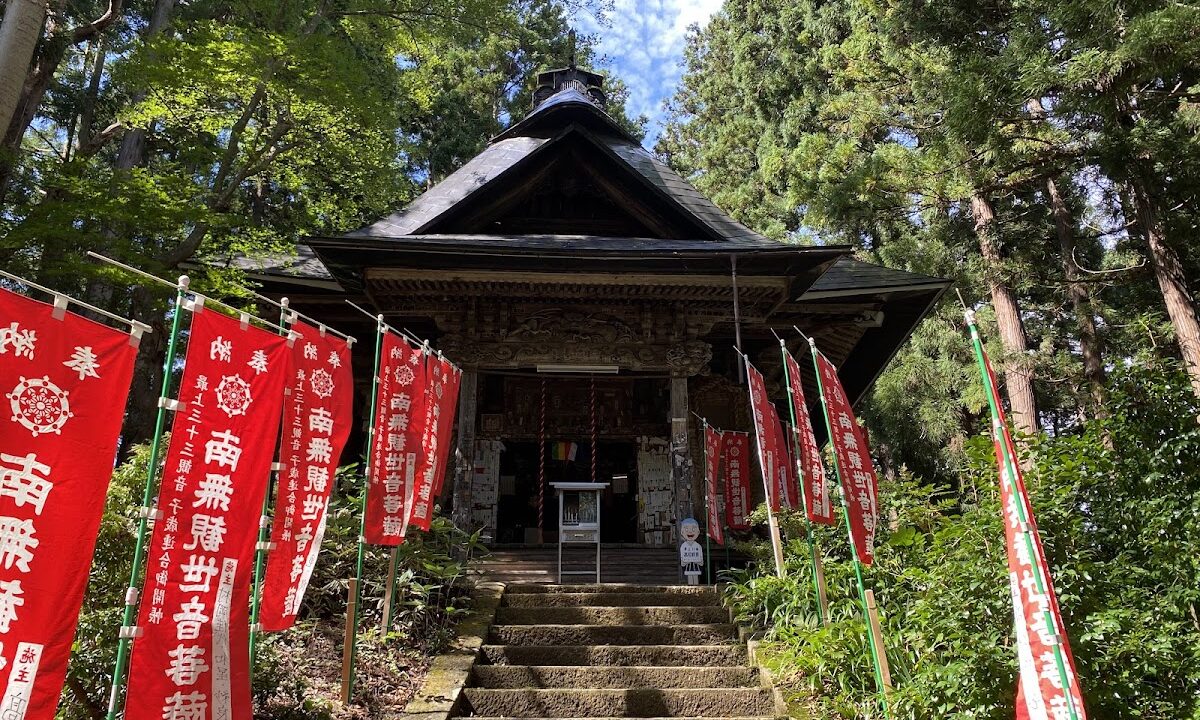
The Kannon Hall is situated in a tranquil environment surrounded by lush trees, offering visitors a peaceful escape from the secular world. Especially in summer, the tall trees carry a cool breeze, creating a mystical space where only the sound of cicadas can be heard.
About the Mogami Thirty-Three Kannon Pilgrimage
The Mogami Thirty-Three Kannon Pilgrimage is a pilgrimage route that visits 33 Kannon temples scattered along the Mogami River in Yamagata Prefecture. Its founding dates back over 570 years, and it is known as one of the most historically significant pilgrimage sites in the Tohoku region.
Takamatsu Kannon is the 11th temple on this pilgrimage route, and is an important sacred site visited by many pilgrims.
History and Origin of Takamatsu Kannon
Legend of Founding by Gyoki Bodhisattva
The founding of Takamatsu Kannon dates back to the Nara period. According to legend, the renowned monk Gyōki Bodhisattva built a small hermitage in the village of Takamatsu and resided there for a time.
It is said that during his stay, Gyōki himself carved an eleven-faced Kannon Bodhisattva statue and had people worship it, marking the beginning of Takamatsu Kannon. Later, a temple was built on the mountaintop to enshrine the Kannon statue, giving it its current form.
Designation as a Prayer Site by Emperor Shōmu
The Kannon statue of Takamatsu Kannon was so miraculously effective that its reputation reached as far as the capital. It is said that the rumor reached the ears of Emperor Shōmu, the 45th emperor, and he designated Takamatsu Kannon as a prayer site.
This designation greatly elevated the status of Takamatsu Kannon, and since then, people from all walks of life, from daimyo (feudal lords) to commoners, have visited the temple.
Development Since the Edo Period
During the Edo period, the temple received deep reverence from samurai families, including the lord of the Kaminoyama domain, and it is said that the domain provided support for the maintenance and repair of the Kannon Hall. Furthermore, Kannon worship became popular among commoners, and many worshippers visited the temple seeking blessings, particularly for conception, safe childbirth, and healing from illness.
Even after the Meiji era, it continued to be preserved as a center of local faith, and remains so to this day.
Highlights of Takamatsu Kannon
Architectural Beauty of the Kannon Hall
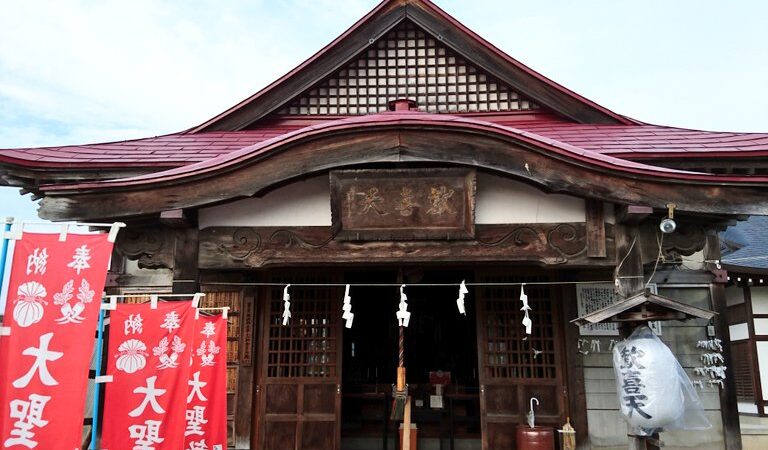
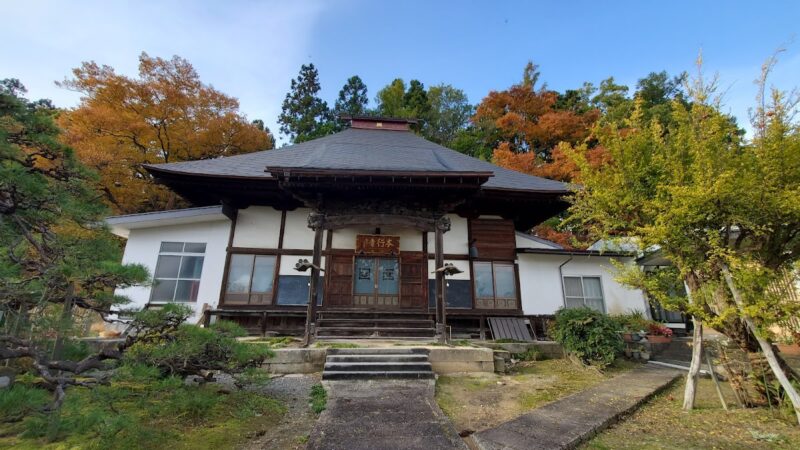
The Kannon Hall of Takamatsu Kannon is a building that conveys the beauty of traditional Japanese architecture. The wooden hall, while simple, exudes a sense of dignity and harmonizes beautifully with the surrounding natural environment.
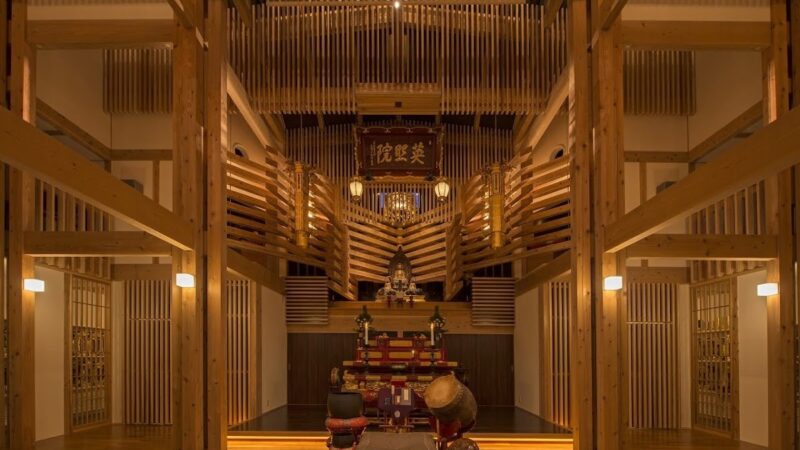
Inside the hall is enshrined the principal image, an eleven-faced Kannon Bodhisattva statue, where worshippers can quietly offer their prayers.
The Culture of Mukasari Ema Votive Offerings
One of the major characteristics of Takamatsu Kannon is the offering of “Mukasari Ema” (votive tablets). Mukasari is a Yamagata dialect word meaning “marriage.”
Mukasari ema (votive tablets) are paintings of a wedding ceremony for a fictional partner, dedicated by parents whose children died young. These are for their children who would have reached marriageable age if they were still alive. It is a unique form of folk belief, imbued with the heartfelt wishes of parents for their children’s happiness.
Numerous Mukasari ema are dedicated at the Kannon Hall, each imbued with the deep love and prayers of parents. This custom has been particularly prevalent in the Kaminoyama area of Yamagata Prefecture and is a valuable resource for understanding Japanese folk culture.
Natural Environment of the Temple Grounds
The grounds of Takamatsu Kannon are surrounded by tall trees, creating a lush, green environment. Especially in summer, the shade of the trees provides coolness, creating a tranquil space that allows you to forget the hustle and bustle of the city.
Walking through the temple grounds, a cool breeze blows through from somewhere, and the only sound is the chirping of cicadas, giving you a feeling of being completely separated from the secular world. This unique atmosphere continues to fascinate many visitors.
Takamatsu Kannon’s charm also lies in the fact that you can enjoy the beauty of each season: cherry blossoms in spring, fresh greenery in summer, autumn leaves in fall, and snowscapes in winter.
Takamatsu Kannon Naked Mochi-Pounding | Intangible Cultural Property of Kaminoyama City
Overview of the Traditional Event
The “Takamatsu Kannon Naked Mochi-Pounding,” held annually at Takamatsu Kannon, is a traditional event designated as an intangible cultural property of Kaminoyama City. This event is held as a New Year’s Eve ritual to give thanks for a bountiful harvest and to pray for good health and safety for the family.
Characteristics of Naked Mochi-Pounding
The most distinctive feature of “Naked Mochi-Pounding” is its magnificent appearance. Participants, naked (actually wearing white loincloths), pound mochi (rice cakes), then toss the pounded mochi high into the air with a thousand-pronged pestle.
The naked mochi-pounding, accompanied by energetic shouts, is an overwhelming spectacle, and its intensity is amplified by the cold winter nights it takes place on.
Location and Time
Naked mochi-pounding can be seen at the Takamatsu Community Center in Kaminoyama City. It is usually held from the end of the year to the beginning of the new year and is an important annual event in the region.
It is open to both local residents and tourists, making it a must-see event for those visiting Kaminoyama City during this time.
Goshuin (Temple Seal) Information
Goshuin of Takamatsu Kannon
At Takamatsu Kannon, you can receive a goshuin as the 11th temple of the Mogami Thirty-Three Kannon Pilgrimage. The goshuin includes calligraphy such as “No. 11” and “Takamatsu Kannon,” along with a red seal.
Goshuin (temple stamps) are cherished as proof of worship and a record of pilgrimage. They are an essential part of the pilgrimage for those visiting the 33 Kannon temples of Mogami.
Points to Note When Receiving a Goshuin
It is customary to receive a goshuin after praying at the Kannon Hall. Bring your goshuincho (stamp book) and request it politely.
Note that Takamatsu Kannon is often an unmanned temple, so it is recommended to check in advance regarding the issuance of goshuin. In the case of the 33 Kannon temples of Mogami, you may be able to receive a goshuin at another managing temple.
Access Information
Location
Address: Takamatsu, Kaminoyama City, Yamagata Prefecture
Access by Car
- Approximately 10 minutes from the Kaminoyama Onsen IC on the Tohoku Chuo Expressway
- Approximately 25 minutes from the Yamagata Zao IC on the Yamagata Expressway
There is some parking space near the Kannon Hall, but it may be difficult for large vehicles to enter.
Access by Public Transportation
- Approximately 15 minutes by taxi from JR Ou Main Line “Kaminoyama Onsen Station”
- Bus service is limited, so taking a taxi is recommended.
Nearby Tourist Attractions
When visiting Takamatsu Kannon, we recommend also visiting the following nearby spots:
Kaminoyama Onsen: Kaminoyama City is famous for its hot springs, and there are many hot spring inns. Relaxing in the hot springs after your visit is a great idea.
Kaminoyama Castle: Kaminoyama Castle (Tsukioka Castle), a symbol of Kaminoyama City, offers a magnificent view from its observation deck, overlooking the city.
Harusame-an: A hermitage associated with the haiku poet Saito Mokichi, known for its tranquil atmosphere.
Manners and Precautions for Visiting a Temple
Basic Manners for Visiting a Temple
- Purification at the Water Basin: Before visiting, purify your hands and mouth at the water basin.
- Respect: Be quiet within the temple grounds and be considerate of other visitors.
- Photography: Limit photography inside the hall, and especially avoid photographing the main deity.
- Offering: Offer a monetary donation within your means, expressing your gratitude.
Clothing and Belongings
- Clothing: Wear clean clothing appropriate for visiting a temple.
- Shoes: Since the temple grounds utilize the natural terrain, comfortable walking shoes are recommended.
- Seasonal Precautions: Don’t forget insect repellent in summer and warm clothing in winter.
Visiting Hours
The Kannon Hall is generally open for worship during the day, but it gets dark in the early morning and after sunset, so daytime visits are recommended.
Takamatsu Kannon and Local Culture
As a Center of Local Faith
Takamatsu Kannon is not merely a tourist spot; it remains a cherished center of faith for the local residents. Local people actively participate in cleaning and maintenance, making it a place that strengthens community bonds.
A Treasure Trove of Folk Culture
Takamatsu Kannon retains a strong presence of Yamagata Prefecture’s unique folk culture, such as the Mukasari ema (votive tablets) and the Naked Mochi-tsuki (rice cake pounding). These are not merely traditional events, but valuable cultural heritage reflecting people’s lives, beliefs, and views on life and death.
Significance in the Modern Age
In modern society, community-based places of faith like Takamatsu Kannon play a vital role as spiritual havens. Its value as a place to escape the hustle and bustle of the city and quietly reflect on oneself will undoubtedly remain unchanged.
A Recommendation for the Mogami Thirty-Three Kannon Pilgrimage
The Charm of the Pilgrimage
The pilgrimage to the Mogami Thirty-Three Kannon Temples, including Takamatsu Kannon, is a wonderful opportunity to experience the rich nature and culture of Yamagata Prefecture. Each temple has its own unique characteristics and is located in a scenic area.
A Pilgrimage Enjoyable Even for Beginners
Visiting all 33 temples at once is challenging, but it’s recommended to start with a relatively easily accessible temple like Takamatsu Kannon. You can also enjoy the pilgrimage at your own pace, visiting the temples little by little.
Pilgrimage Preparations
- Goshuincho (Stamp Book): A special stamp book for the Mogami Thirty-Three Kannon pilgrimage is also available.
- Nokyocho (Pilgrimage Record Book): You can keep a record of your visits to each temple.
- Maps/Guidebooks: It’s helpful to research the location and characteristics of each temple beforehand.
- Clothing: Prepare comfortable clothing suitable for walking and the season.
Summary
Takamatsu Kannon (Komyoin) is a venerable Kannon hall with a history of nearly 1300 years, located in Kaminoyama City, Yamagata Prefecture, and is the 11th temple of the Mogami Thirty-Three Kannon pilgrimage.
While boasting a distinguished history, including its founding by Gyoki Bodhisattva and designation as a prayer site by Emperor Shomu, it is also a valuable place that preserves local folk culture, such as Mukasari ema (votive tablets) and naked mochi pounding.
The lush grounds display beauty in every season, offering tranquility and peace to visitors. As part of your pilgrimage to the 33 Kannon temples of Mogami, or during your trip to Kaminoyama Onsen, be sure to visit Takamatsu Kannon.
In this Kannon hall where people of ancient times offered their prayers, we, living in the present, can also quietly join our hands in prayer and feel a spiritual connection that transcends time. Takamatsu Kannon is an irreplaceable cultural heritage that connects the past, present, and future.