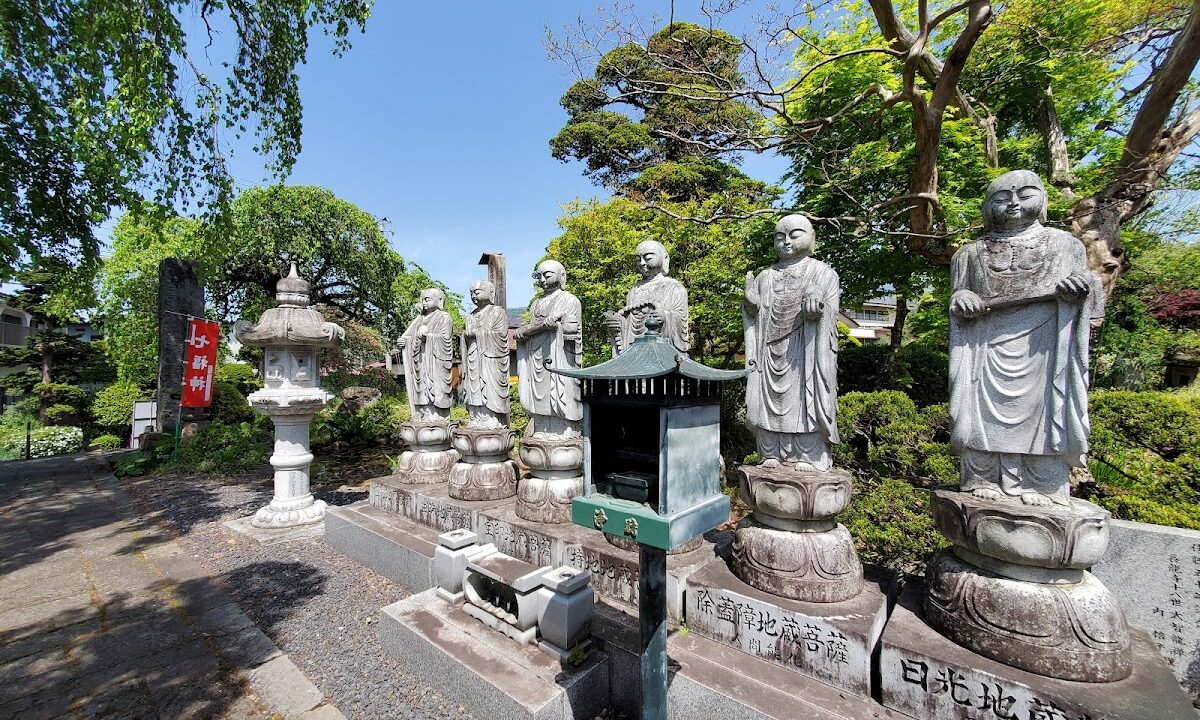
Complete Guide to Choryuji Temple (Kaminoyama City, Yamagata Prefecture): History, Highlights, and Access Information
Located in Ogura, Kaminoyama City, Yamagata Prefecture, Choryuji Temple is a historic temple deeply intertwined with the history of Kaminoyama. This article provides detailed information useful for visitors, from the historical background of Choryuji Temple to its highlights, visiting information, and surrounding tourist attractions.
Basic Information on Choryuji Temple
Location and Access
Location: 34 Ogura, Kaminoyama City, Yamagata Prefecture
Choryuuji Temple is located in the Ogura district of Kaminoyama City, easily accessible from Kaminoyama Onsen (hot springs). Kaminoyama City is located in the southeastern part of Yamagata Prefecture, a region with a rich history of hot springs and a castle town, spread across the eastern foothills of the Zao mountain range.
Access
Access by Train:
- Approximately 10 minutes by car from JR Kaminoyama Onsen Station
- Taking a taxi from JR Kaminoyama Onsen Station is convenient
Access by Car:
- Approximately 5 minutes from the Tohoku Chuo Expressway Kaminoyama Onsen Interchange
- Approximately 20 minutes from the Yamagata Expressway Yamagata Zao Interchange
Kaminoyama City is located midway between Yamagata City and Yonezawa City, major cities in Yamagata Prefecture, and has a history of developing as a transportation hub in the Tohoku region.
History and Origins of Choryuji Temple
Historical Background of Kaminoyama City
Understanding the history of Kaminoyama City is important for understanding Choryuji Temple. During the Edo period, Kaminoyama City flourished as a castle town of the Kaminoyama Domain and also functioned as a post town on the Ushu Kaido road. Many temples and shrines were built in the castle town that developed around Kaminoyama Castle, fostering a unique culture that blended samurai culture and commoner culture.
The Temple’s Origins
Choryu-ji Temple, deeply rooted in the Kaminoyama region, has long been a center of faith for the local people. Kaminoyama City boasts numerous historically significant temples, including the family temple of the Matsudaira clan, the lords of the Kaminoyama domain. Choryu-ji Temple, as one of these, continues to preserve the region’s history and culture.
The Ogura district retains a historical charm within Kaminoyama City, and Choryu-ji Temple has functioned as a spiritual pillar for this area.
Highlights and Features of Choryu-ji Temple
Architectural Style and Grounds
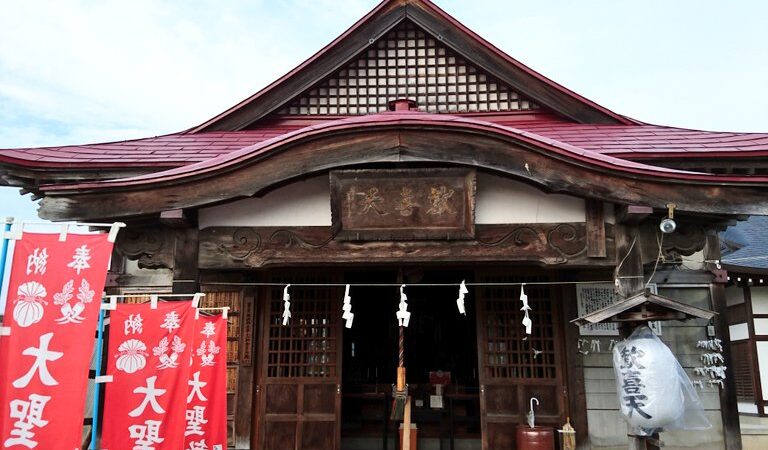
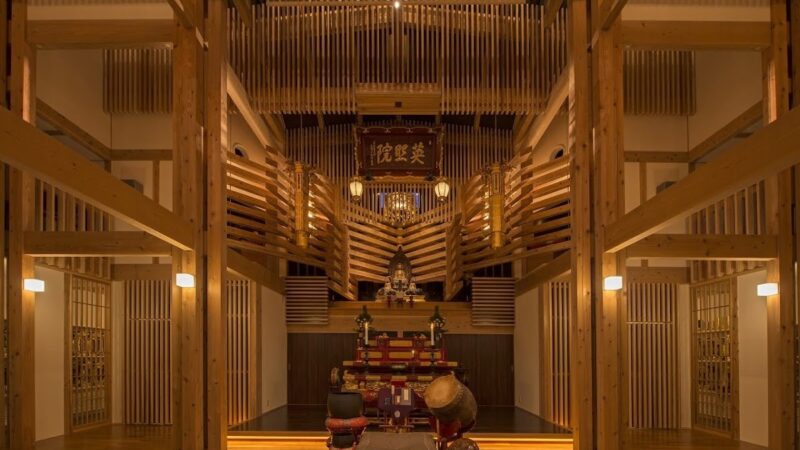
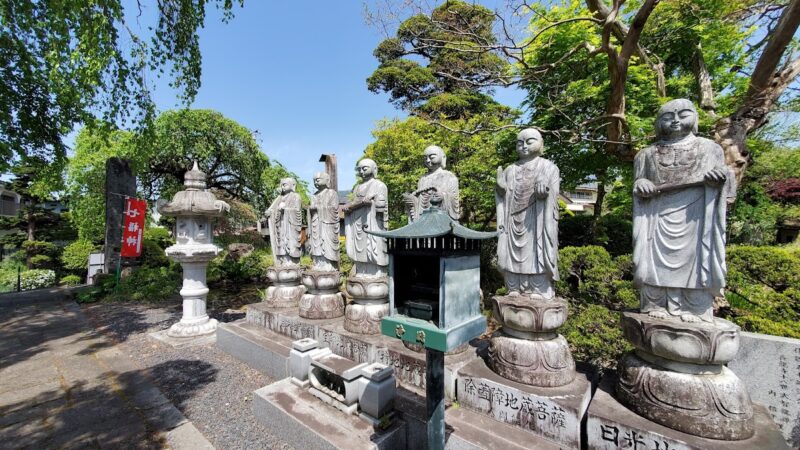
The grounds of Choryu-ji Temple create a tranquil space harmonizing with the natural environment of Yamagata. The temple architecture is adapted to the climate and topography of the Tohoku region, showcasing ingenuity unique to heavy snowfall areas.
Cultural Properties and Treasures
The temple preserves various cultural properties that tell the story of the region’s history. These are important resources for the study of Kaminoyama’s history.
Scenery Throughout the Seasons
Spring: The cherry blossoms in the temple grounds bloom beautifully, delighting visitors.
Summer: The lush green grounds are cool and refreshing, making it a suitable season for quiet worship.
Autumn: The autumn leaves color the temple grounds, allowing visitors to enjoy the beauty of autumn in Yamagata.
Winter: The snow-covered grounds create a solemn atmosphere, offering a unique winter landscape.
Temple Culture of Kaminoyama City
Relationship Between the Kaminoyama Domain and Temples
Throughout the Edo period, the Kaminoyama Domain was ruled by various daimyo families, but during the Matsudaira family’s rule, many temples were protected, leading to cultural development. Among the temples that became the family temples of the Matsudaira family, the lords of the Kaminoyama Domain, there are famous gardens said to have been designed by Zen Master Takuan, exhibiting garden styles influenced by Ryoan-ji Temple and Katsura Imperial Villa in Kyoto.
Within this temple culture, Choryuji Temple has also played an important role as a center of local faith.
The Role of Temples in the Community
Temples in Yamagata Prefecture have functioned not merely as religious institutions, but as centers of local communities. They play an important role not only in funerals and memorial services, but also as hubs for local events and cultural activities.
Similarly, Choryuji Temple is cherished as a spiritual anchor for the people of the Kokura district, and as a place to preserve the region’s history and traditions.
Etiquette and Manners for Visiting a Temple
Basic Way to Visit a Temple
When visiting a temple, please observe the following basic manners:
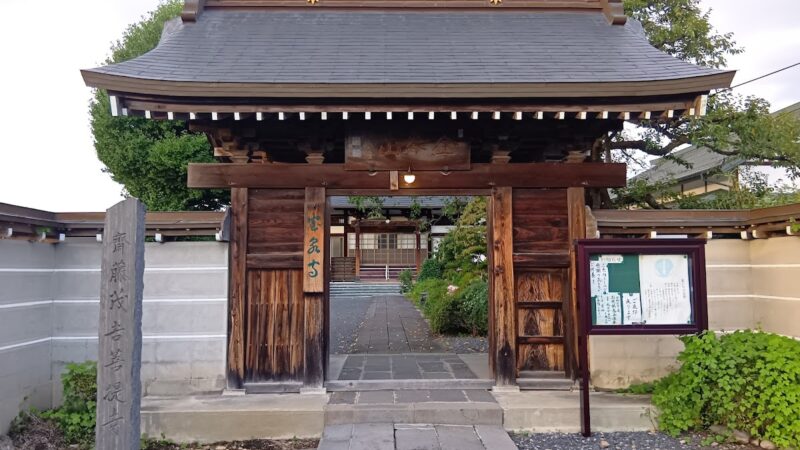
- Bow at the Temple Gate: Bow before entering the temple grounds.
- Purification at the Water Basin: If there is a water basin, purify your hands and mouth.
- Worship at the Main Hall: Quietly join your hands in prayer and pray with sincerity.
- Photography: Take photographs only in permitted areas, and generally refrain from taking pictures inside the main hall.
- Behavior on the Temple Grounds: Maintain silence and be considerate of other visitors.
Appropriate Attire for Visiting a Temple
There are no specific dress code requirements, but please dress appropriately and respectfully, as this is a sacred place like a temple. Formal attire is especially desirable when attending religious services.
Attractions of Kaminoyama City and Surrounding Sightseeing
Kaminoyama Onsen (Hot Springs)
When visiting Choryuji Temple, be sure to also enjoy Kaminoyama Onsen. Kaminoyama Onsen, along with Higashiyama Onsen and Yunohama Onsen, is a renowned hot spring resort known as one of the “Three Great Hot Spring Resorts of Oshu.”
Characteristics of the Hot Springs:
- Shinyu/Yumachi Area: An area retaining the atmosphere of the castle town of the Kaminoyama Domain and a post town on the Ushu Kaido road.
- Hayama/Kawasaki/Takamatsu Area: An area with superb views, located on a hill overlooking the Zao mountain range.
Kaminoyama Castle
Kaminoyama Castle, a symbol of Kaminoyama City, is located close to Choryuji Temple. The current castle tower was rebuilt in 1982, and the interior is open to the public as a local history museum. From the castle, you can enjoy a magnificent panoramic view of Kaminoyama city and the Zao mountain range.
Exploring Samurai Residences and the Castle Town
Kaminoyama City preserves samurai residences from the Edo period, allowing you to learn about the lifestyle of samurai at that time. Strolling through the streets that retain the atmosphere of a castle town will give you the feeling of stepping back in time.
Kamiyama City’s Traditional Event: “Kase-dori”
Kamiyama City’s “Kase-dori,” a well-known winter tradition, is a folk event held every February. Young men, clad in straw cloaks, become “Kase-dori” and visit merchant houses to offer blessings. This unique event is designated as a National Important Intangible Folk Cultural Property.
Gourmet Food and Local Products
Wine: Kamiyama City is also known as a wine-producing region, and you can enjoy local wines at places like “Yamagata Wine Bar.”
Dried Persimmons: Dried persimmons, a specialty of Kamiyama City, are exquisite with their concentrated sweetness.
Local Agricultural Products: Fresh local vegetables and fruits can be purchased at the ZAO Tairagura Agricultural Products Direct Sales Store.
Climate and Geography of Kamiyama City
Climate Characteristics
Kamiyama City has a continental climate with distinct seasonal changes. Summers are characterized by relatively high temperatures and humidity, while winters are characterized by heavy snowfall and severe cold. This climate has fostered a unique hot spring culture and food culture.
Geographical Location
Kaminoyama City is located in the southeastern part of Yamagata Prefecture, at the eastern foot of the Zao mountain range. The majestic Zao mountain range rises to the west of the city, and the east side is close to the border with Miyagi Prefecture, giving it a geographically important position.
City Bird: Egret
City Flower and Tree: A variety of azalea endemic to Kaminoyama
These symbols represent the richness of Kaminoyama City’s natural environment.
Visiting Temples in Yamagata Prefecture
Major Temples in Yamagata Prefecture
After visiting Choryuji Temple, it is also recommended to visit other famous temples in Yamagata Prefecture.
Yamadera (Risshakuji Temple): A famous temple known for Matsuo Basho’s haiku, “Silence—the cicada’s cry penetrates the rocks.” Located in Yamagata City, the temple buildings perched on a cliff offer a spectacular sight.
The Matsudaira Family’s Family Temple (Lord of Kaminoyama Domain): Located in Kaminoyama City, its garden, said to have been designed by Zen Master Takuan, is a highlight.
Model Temple Tour Course
Historical Exploration Course:
- Visit Yamadera (Risshaku-ji Temple)
- Visit temples in Kaminoyama City (including Choryu-ji Temple)
- Visit Kaminoyama Castle
- Stay overnight at Kaminoyama Onsen
This course allows you to gain a deep understanding of Yamagata’s history and culture.
Practical Information for Visiting Choryu-ji Temple
Visiting Hours and Admission Fees
Generally, temples are open during the daytime, but it is recommended to check specific hours and admission fees in advance. General visits may be restricted during religious services or other events.
Parking Information
There are parking spaces around the temple, but if you are visiting with a large vehicle or multiple vehicles, you should check in advance.
Contact Information
For detailed information regarding visits to the temple or requests for memorial services, please contact the temple directly. The Kaminoyama City Tourism Association can also provide information on surrounding tourist attractions.
Accommodation in Kaminoyama City
Accommodation in Kaminoyama Onsen
If you are staying in Kaminoyama City in conjunction with visiting Choryuji Temple, we recommend staying at a ryokan (traditional Japanese inn) or hotel in Kaminoyama Onsen. The hot spring town offers various types of accommodations, allowing you to choose according to your budget and preferences.
Ryokan Type: Traditional Japanese inns where you can enjoy kaiseki cuisine using local ingredients and hot springs.
Hotel Type: Hotels with modern facilities and hot springs, offering a comfortable stay.
Footbaths/Day Trip Hot Springs: Even if you are not staying overnight, there are facilities where you can enjoy hot springs for a day trip or a footbath.
Combining Accommodation and Sightseeing
Staying in Kaminoyama City allows you to experience things you can’t do on a day trip, such as visiting Choryuji Temple in the quiet morning hours or strolling through the castle town in the tranquil evening atmosphere.
Annual Events and Festivals
Major Events in Kaminoyama City
Kase-dori (February): As mentioned above, this is a representative winter folk event of Kaminoyama City.
Kaminoyama Castle Festival (Spring): Held during cherry blossom season, this event allows visitors to experience the history of the castle town.
Kaminoyama Onsen National Scarecrow Festival (Autumn): Unique scarecrows adorn the hot spring town.
Annual Events at Temples
Many temples hold various memorial services and events throughout the year. These include New Year’s visits, spring and autumn equinox services, and Obon memorial services, providing opportunities for local people to gather.
Detailed Access Information to Kaminoyama City
Access from the Tohoku Region
From Hokkaido and Tohoku Prefectures:
- Access is possible from Hokkaido, Aomori, Iwate, Akita, Miyagi, and Fukushima prefectures via the Tohoku Expressway and Tohoku Shinkansen.
- From Sendai, it’s about a 40-minute ride on the Yamagata Shinkansen, or about an hour by car via the Tohoku Expressway.
Access from the Kanto Region
From Tokyo, Kanagawa, Saitama, Chiba, Ibaraki, Tochigi, and Gunma Prefectures:
- Approximately 2 hours 30 minutes by Yamagata Shinkansen from Tokyo
- Approximately 4 hours by car via the Tohoku Expressway
Access from Other Regions
From Koshinetsu and Hokuriku (Niigata, Toyama, Ishikawa, Fukui, Yamanashi, and Nagano Prefectures):
- Approximately 2 hours 30 minutes by National Route 113 from Niigata
- Accessible from Nagano via the Joshinetsu Expressway and Tohoku Expressway
From the Tokai Region (Gifu, Shizuoka, Aichi, and Mie Prefectures):
- Approximately 4 hours by connecting Tokaido Shinkansen and Yamagata Shinkansen from Nagoya
- Accessible by car via the Chuo Expressway and Tohoku Expressway
From the Kansai Region (Osaka, Kyoto, etc.):
- Approximately 4 hours 30 minutes by connecting Shinkansen trains
- If traveling by plane, use Yamagata Airport or Sendai Airport.
Guidelines for Visiting Choryuji Temple
Significance of Temple Visits
Visiting a temple is not merely sightseeing; it’s also an opportunity to quiet your mind and reflect on yourself. By visiting a historical temple like Choryuji, you can experience the history and culture of the region and feel the thoughts of our ancestors.
Consideration for the Community
Choryuuji Temple is also a place of worship for the local people. When visiting, please be mindful of respecting the lives and beliefs of the local residents and pray quietly.
Summary: The Charms of Choryuji Temple and Kaminoyama City
Located in Ogura, Kaminoyama City, Yamagata Prefecture, Choryuji Temple is a valuable temple that conveys the history and culture of Kaminoyama to the present day. By visiting it together with Kaminoyama Onsen, Kaminoyama Castle, and the atmosphere of the castle town, you can experience the multifaceted charms of Kaminoyama City.
The magnificent nature of the Zao mountain range, a famous hot spring counted as one of the three most enjoyable hot spring resorts in Oshu, traditional events that have continued since the Edo period, and historical temples and shrines. With all these elements harmoniously blended, Kaminoyama City is one of Yamagata Prefecture’s leading tourist destinations.
Why not experience Yamagata’s history and culture, as well as the faith of the local people, through a visit to Choryuji Temple? Along with the beautiful scenery of each season, it will surely be a memorable experience.
When visiting Kaminoyama City, be sure to allow ample time to slowly enjoy its diverse attractions, including Choryuji Temple and other temples and shrines, hot springs, and strolls through the castle town. You will be able to fully appreciate the charm of Kaminoyama City, woven from Yamagata Prefecture’s rich nature, history, and culture.