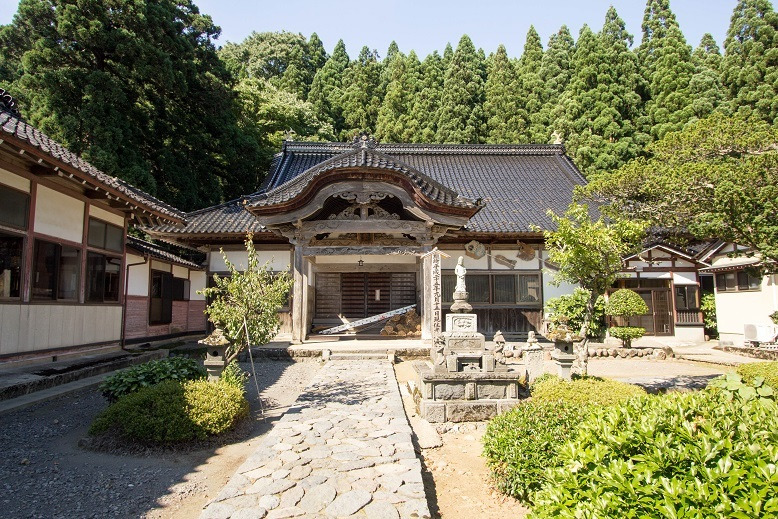
Entsuji Temple (Sakata City, Yamagata Prefecture) Complete Guide | History, Benefits, and Access Information
Located in Sakata City, Yamagata Prefecture, Entsuji Temple is a historic Soto Zen Buddhist temple founded during the Heian period. Known for its blessings of good health and safe childbirth, it has long been revered by the local community. This article provides a detailed overview of Entsuji Temple, including its history, blessings, highlights, and access information.
Basic Information about Entsuji Temple
Temple Name: Kenryuzan Entsuji
Address: 50 Tatenokoshi, Fumoto, Sakata City, Yamagata Prefecture
Postal Code: 999-8231
Phone Number: 0234-64-2163
Sect: Soto Zen
Corporate Number: 1390005003512
Founded: 865 (Jōgan 7)
Former Name: Kannonji
Entsuji Temple is located in the Fumoto district, away from the center of Sakata City, offering a peaceful environment for worship. The nearest station is Minami-Toriumi Station, but it takes approximately 58 minutes (about 4.5 km) on foot, so access by car or bus is more convenient.
History and Origins of Entsuji Temple
Founded in the Heian Period
Entsuji Temple has a long history, dating back to its founding in 865 AD (Jōgan 7). Initially called “Kannonji Temple,” it held the status of a Jōgakuji (a high-ranking temple). A Jōgakuji was a large, government-sponsored temple second only to a Kokubunji (provincial temple), indicating its status as a prestigious temple officially recognized by the state.
During the Heian period, the Tohoku region was not yet fully under the control of the central government. The establishment of such a temple is important evidence of the spread of Buddhist culture in this region.
Development in the Medieval Period
In the medieval period, Kannonji Castle was built on a hill behind Entsuji Temple. This castle was constructed by the Raiji clan, who claimed descent from the Kiyohara clan, and Kannonji Temple (later Entsuji Temple) came under their patronage as their family temple.
Under the patronage of the samurai class, Kannonji Temple flourished throughout the medieval period, playing a vital role as a religious and cultural center in the region. The relationship between the Koji clan and Kannonji Temple is a classic example of the close relationship between samurai and temples during the medieval period.
Conversion to the Soto Zen School and Renaming to Entsuji Temple
Later, Kannonji Temple converted to the Soto Zen school, and its name was changed to “Entsuji Temple.” The Soto Zen school is a branch of Zen Buddhism introduced to Japan by Zen Master Dogen during the Kamakura period, and it gained widespread devotion in the Tohoku region.
The name “Entsu” is thought to originate from “Entsu Daishi,” another name for Kannon Bodhisattva. This indicates a continuation of the tradition of Kannon worship from the Kannonji Temple era.
From the Early Modern Period to the Present
Even after the Edo period, Entsuji Temple continued to exist as a center of faith for the local people. Having weathered the wave of anti-Buddhist movement after the Meiji Restoration, it has a history of over 1000 years, continuing to the present day.
Sakata City is a port town that flourished as a port of call for Kitamae-bune (northern route trading ships), and Entsuji Temple has attracted the faith of those involved in the shipping industry and local residents. Even today, it continues to play its role as a temple beloved by the local people.
Benefits and Principal Deity of Entsuji Temple
Main Benefits
Entsuji Temple is known for the following benefits:
Good Health and Protection from Illness: Prayers can be offered for good health and a long life. Many worshippers visit to pray for good health, especially the elderly and families of those undergoing medical treatment.
Longevity and Resilience: Prayers can be offered for extending one’s lifespan and living a long life.
Safe Childbirth: Prayers can be offered for safe childbirth for pregnant women. Some also visit to pray for the conception of children.
Childbearing: Prayers can be offered for being blessed with children.
Family Safety: Prayers can be offered for the health and happiness of all family members.
These blessings are believed to be due to the compassionate power of Kannon Bodhisattva, and the temple is particularly popular with female visitors and families.
Tradition of Kannon Worship
As the name of its predecessor, Kannon-ji Temple, suggests, this temple has a long tradition of Kannon worship. Kannon Bodhisattva is a symbol of compassion and is believed to relieve the suffering of all people.
In particular, the blessings of safe childbirth and fertility are deeply related to the fact that Kannon Bodhisattva has been worshipped as “Koyasu Kannon” (Kannon of Safe Childbirth). It has attracted the faith of women’s guardians and those praying for the happiness of their families.
Highlights of Entsu-ji Temple
Main Hall
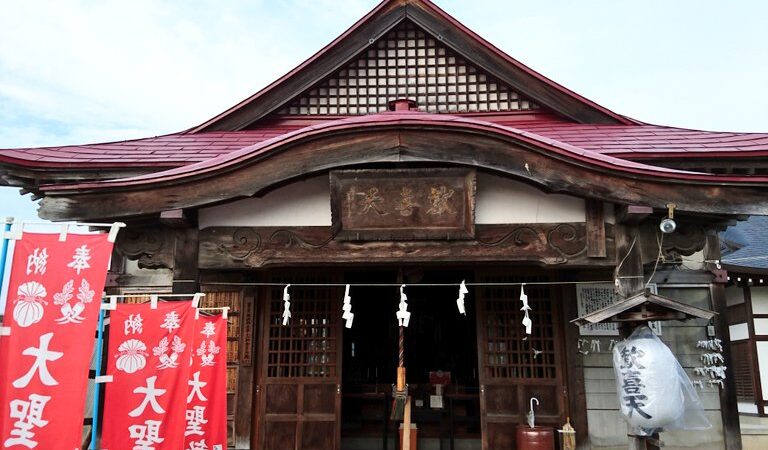
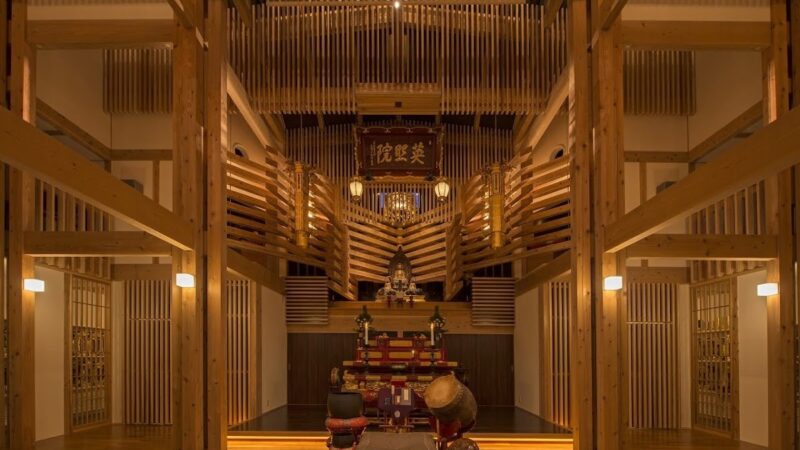
The main hall of Entsu-ji Temple exhibits a tranquil atmosphere typical of a Soto Zen temple. Visitors can quietly practice Zen meditation inside the hall, experiencing the spirituality unique to Zen temples.
Atmosphere of the Temple Grounds
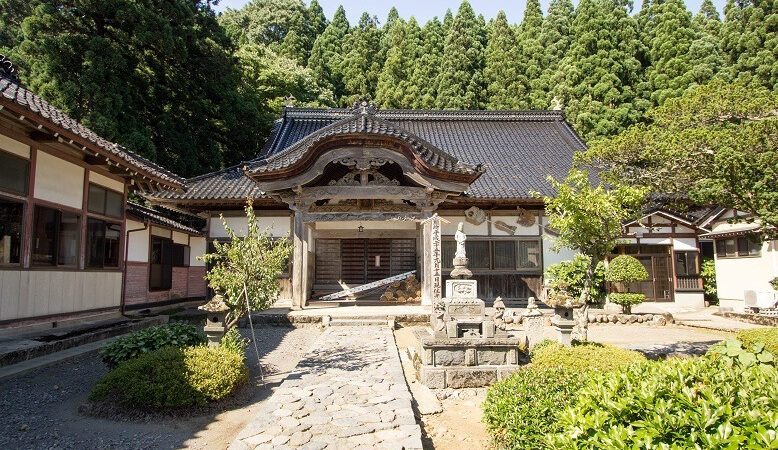
Located in the quiet environment of the Fumoto district, the grounds of Entsu-ji Temple are a place where you can feel the changing seasons. In spring, cherry blossoms; in summer, lush greenery; in autumn, vibrant autumn leaves; and in winter, snowscapes—each season offers a different and beautiful view.
Relationship with Kannonji Castle Ruins
Behind Entsuji Temple, on a hill, stood the former site of Kannonji Castle. Currently, only the castle ruins remain. Those interested in history can visit the castle ruins in conjunction with Entsuji Temple to imagine what this area was like in the Middle Ages.
A Pilgrimage in Tranquility
Due to its location away from the center of Sakata City, Entsuji Temple is rarely crowded with tourists, maintaining a peaceful environment for worship. It’s an ideal spot for those seeking tranquility away from the hustle and bustle of the city.
Access Methods
Access by Train and Bus
Nearest Station: JR Uetsu Main Line, Minami-Toriumi Station
Distance from Station: Approximately 4.5km (approximately 58 minutes on foot)
While it’s possible to walk from Minami-Toriumi Station, the distance is considerable, so it’s recommended to take a taxi from the station or a bus from Sakata Station.
Bus from Sakata Station: Buses operate from Sakata Station, providing access to the Fumoto area. For detailed timetables and routes, please check the Shonai Kotsu or Sakata City bus information.
Access by Car
The most convenient way to access Entsuji Temple is by car.
From Sakata City Center: Approximately 20 minutes
From Yamagata Expressway Sakata IC: Approximately 25 minutes
From Nihonkai Tohoku Expressway Sakata Minato IC: Approximately 20 minutes
We recommend checking with the temple in advance regarding parking.
Car Navigation Settings
Address Input: 50 Tatenokoshi, Fumoto, Sakata City, Yamagata Prefecture
Phone Number Input: 0234-64-2163
Notes and Manners for Visiting
Visiting Hours
We recommend checking Entsuji Temple’s visiting hours by phone in advance. Generally, temples are open for daytime visits, but visits may be restricted during religious services or other events.
Attire and Items to Bring
Please dress appropriately for temple visits. Avoid overly flashy or revealing clothing as it is considered good manners.
What to Bring:
- Offering money (small change is convenient)
- Goshuincho (stamp book) (if you wish to receive a stamp)
- Camera (only in areas where photography is permitted)
Visiting Manners
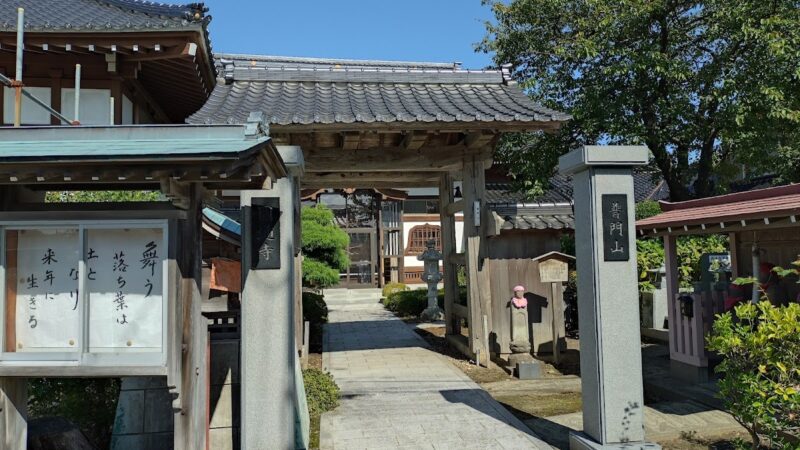
- Bow at the Temple Gate: Bow before entering the temple grounds.
- Purify at the Water Basin: Purify your hands and mouth before praying.
- Pray at the Main Hall: Quietly join your hands in prayer and pray with sincerity.
- Consideration for Photography: Refrain from taking photos in areas where photography is prohibited.
- Respect: Do not speak loudly on the temple grounds and remain quiet.
Nearby Tourist Attractions
Sightseeing Spots in Sakata City
Here are some tourist spots in Sakata City that you might want to visit along with Entsuji Temple.
Sankyo Warehouses: These rice storage warehouses were built during the Meiji era and are a representative tourist attraction of Sakata City. The zelkova tree-lined streets are beautiful, and the area is also known as a filming location for the NHK morning drama series “Oshin.”
Former Honma Residence: This was the residence of the Honma family, known as one of Japan’s leading landowners. It showcases a rare architectural style that combines samurai and merchant house architecture.
Kaikoji Temple: This temple houses a mummified monk, offering a glimpse into the depths of Japanese Buddhist culture.
Sakata Port: A port that flourished as a stopover for Kitamae ships, it still functions as the gateway to Sakata City. There are numerous restaurants where you can enjoy seafood.
Spots to Enjoy Nature
Mount Chokai: A beautiful mountain also known as Dewa Fuji, perfect for mountain climbing and hiking. Mount Chokai can also be seen from Entsuji Temple.
Mogami River: One of Japan’s three major rapids, offering various activities such as boat trips.
History and Culture of Sakata City
Kitamae Ships and Sakata’s Prosperity
Sakata City flourished greatly from the Edo period to the Meiji period as a port of call for Kitamae ships. These ships sailed the Sea of Japan, transporting goods from Hokkaido to Osaka, and were an important means of transportation.
Sakata Port was a hub for various goods from all over Japan, and it particularly prospered as a rice shipping port. This prosperity gave rise to wealthy merchants in Sakata, and its culture and arts also flourished.
Temple Culture of Sakata
Sakata City has many temples, including Entsuji Temple. These temples are deeply intertwined with Sakata’s history as a thriving port town and have attracted the faith of those involved in shipping and merchants.
There are temples of various sects in Sakata City, such as Senryuji Temple and Enmeiji Temple, each with its own unique history and characteristics. Visiting these temples will allow you to gain a deeper understanding of Sakata’s history and culture.
Experiences and Events at Entsuji Temple
Zen Meditation Experience
Entsuji Temple, a Soto Zen temple, may offer opportunities to experience Zen meditation. Zen meditation is a valuable opportunity to calm the mind and confront oneself. If you wish to experience Zen meditation, it is recommended to inquire with the temple in advance.
Annual Events
Many temples hold various events throughout the year. Entsuji Temple may also hold memorial services and events. For details, please contact the temple directly.
Typical Annual Events at Temples:
- Shusho-e (January)
- Spring Equinox (March)
- Hana Matsuri (April)
- Obon (August)
- Autumn Equinox (September)
- New Year’s Eve Bell Ringing (December 31st)
About Goshuin (Temple Seals)
In recent years, collecting Goshuin has become a popular hobby. It may be possible to receive a Goshuin at Entsuji Temple, but it is recommended to check in advance regarding availability, reception hours, and offering fees. Goshuin (temple stamps) are not merely stamps collected during a stamp rally; they are sacred items received from the temple as proof of worship. Always pray before receiving a goshuin.
Best Season for Visiting Entsuji Temple
Spring (March-May)
Spring is beautiful with its fresh greenery, and the temple grounds become vibrant when the cherry blossoms bloom. The mild weather makes it an ideal season for visiting.
Summer (June-August)
Summer brings lush greenery, allowing you to experience the vibrant energy of the temple grounds. However, heat protection is necessary.
Autumn (September-November)
Autumn is the most ideal season for visiting, with its beautiful autumn foliage. The cool, pleasant weather allows for a leisurely visit.
Winter (December-February)
While winter offers beautiful snowscapes, caution is needed regarding snow accumulation and icy roads. Be sure to dress warmly for your visit. The quiet temple grounds amidst the snow have a unique charm.
Summary
Entsuji Temple, located in Sakata City, Yamagata Prefecture, is a historic Soto Zen Buddhist temple founded in 865 AD. Known for its blessings of good health, longevity, safe childbirth, and fertility, it has long been revered by the local community.
Its history, beginning as a Kannonji temple, developing under the patronage of the Koji clan during the medieval period, and later converting to the Soto Zen sect to become Entsuji Temple, is a microcosm of Japanese temple history.
Located in a quiet environment away from the hustle and bustle of Sakata city center, it is an ideal place to visit for those seeking peace of mind. When sightseeing in Sakata, be sure to visit Entsuji Temple and experience the atmosphere of a temple with over 1000 years of history.
When visiting, please call ahead to confirm and be mindful of proper etiquette and quiet worship. We hope your visit to Entsuji Temple will be a time of peace and tranquility.