Enmanji Temple (Shinjo City, Yamagata Prefecture) Complete Guide | History, Goshuin (Temple Seal), Access, and Cemetery Information
Enmanji Temple, located in Itsukamachi, Shinjo City, Yamagata Prefecture, is a historic temple belonging to the Chizan branch of the Shingon sect. Affectionately known as “Shinjo Shōten,” it has a long history as a center of local faith. This article comprehensively introduces information useful for those considering visiting Enmanji Temple or searching for a burial plot, from its historical background and goshuin information to access methods and the adjacent Enmanji Sakura Cemetery.
What is Enmanji Temple? | A Shingon Buddhist Temple in Shinjo City, Yamagata Prefecture
Enmanji Temple is a Shingon Chizan branch temple located at 5914 Itsukamachi, Shinjo City, Yamagata Prefecture, and is widely known locally as “Shinjo Shōten.” The Chizan branch of the Shingon sect is a branch of Shingon Buddhism founded by Kūkai, and its head temple is Chishakuin in Kyoto.
Shinjo City is located in the northeastern part of Yamagata Prefecture and has developed as the central city of the Mogami region. Enmanji Temple serves as a center of Buddhist culture in this region and a spiritual pillar for the local residents. While the temple’s official name is “Enmanji,” it is sometimes written as “圓満寺.”
Characteristics of the Shingon Chizan School
The Shingon Chizan School is a sect based on the teachings of Esoteric Buddhism, aiming for instantaneous enlightenment (becoming a Buddha in this very body). It emphasizes Goma rituals and various incantations, and is characterized by a faith that seeks worldly benefits. Enmanji Temple has inherited this tradition of Shingon Esoteric Buddhism and has responded to the various wishes of the local people.
History and Origins of Enmanji Temple
Regarding the founding date and detailed history of Enmanji Temple, it is known that it has a long history as a local temple. As a temple that has continued since the time of the Shinjo Domain, it has contributed to the development of Buddhist culture in the Mogami region.
Shinjo City has a rich history as a castle town of the Shinjo Domain, ruled by the Tozawa clan, and Enmanji Temple has been deeply intertwined with the local community throughout that history. During the Edo period, it is believed to have developed as a temple that attracted the faith of ordinary people while receiving the protection of the domain.
Shōten Worship and Enmanji Temple
As its alternative name, “Shinjo Shōten,” suggests, Enmanji Temple is characterized by its strong devotion to Shōten (Kankiten). Shōten is believed to bring blessings such as marital harmony, business prosperity, and increased wealth, and has attracted particularly strong devotion from merchants and business owners.
Shōten worship is prevalent in esoteric Buddhist temples, and the fact that Enmanji Temple, a Shingon Buddhist temple, enshrines Shōten can be seen as a manifestation of this esoteric Buddhist tradition.
Highlights and Grounds Guide of Enmanji Temple
There are several points of interest within the grounds of Enmanji Temple that visitors should see.
Main Hall and Principal Image
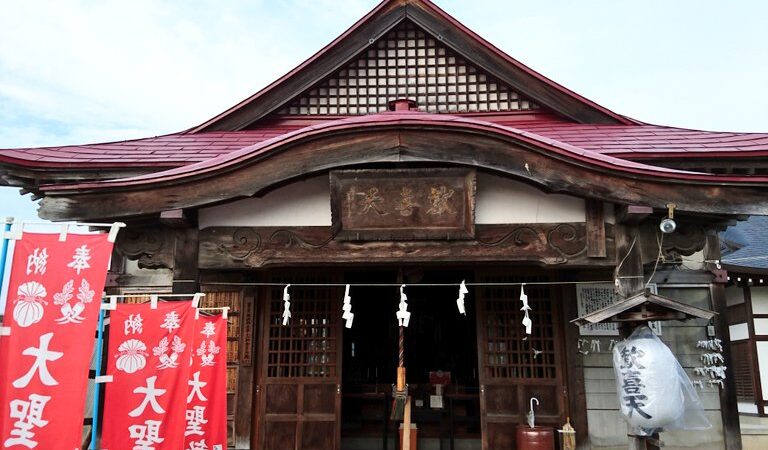
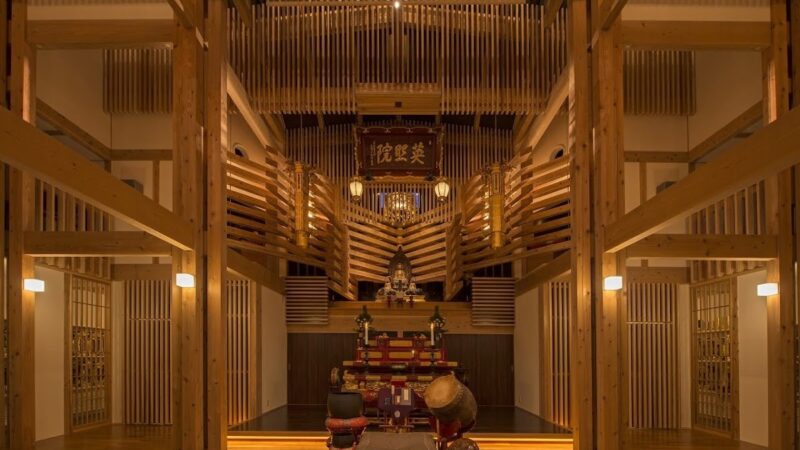
Enmanji Temple’s main hall has a solemn atmosphere typical of Shingon Buddhist temples, welcoming visitors. The principal image and enshrined Buddha statues can be viewed during your visit. While Dainichi Nyorai is often the principal image in Shingon Buddhist temples, this may vary from temple to temple.
Shōtendo Hall
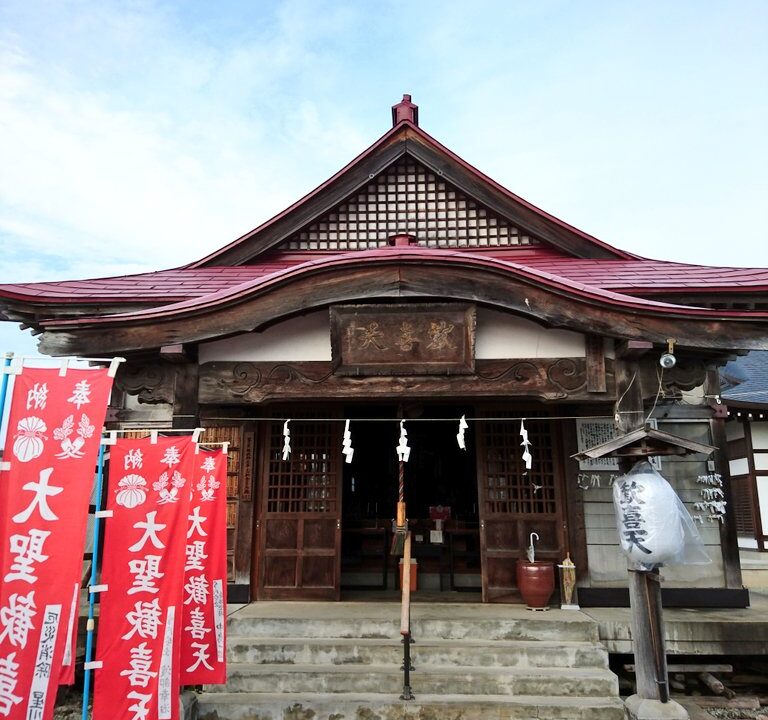
There is a hall dedicated to Shōten, the deity from which the temple’s name “Shinjo Shōten” originates. Visitors come here to pray for business prosperity and successful relationships. Shōten is often treated as a hidden Buddha and is only unveiled on special occasions.
Natural Environment of the Temple Grounds
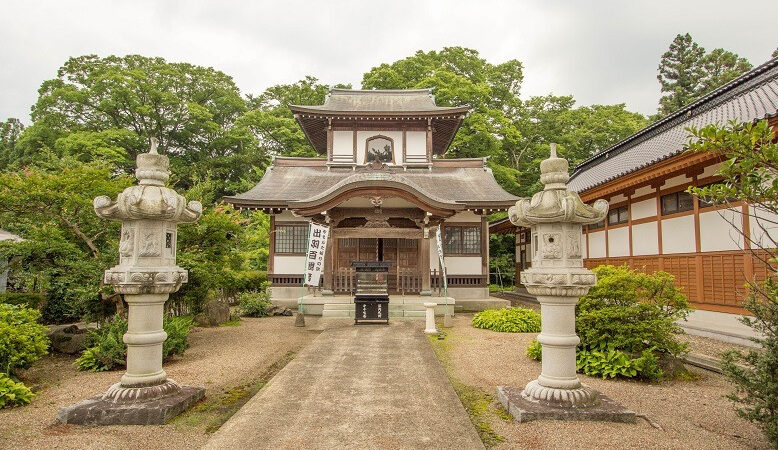
Enmanji Temple’s grounds offer beautiful natural scenery throughout the seasons, especially during the cherry blossom season in spring and the autumn foliage season. The name of the adjacent Enmanji Sakura Cemetery is thought to derive from the beauty of the cherry blossoms in this area.
Enmanji Temple’s Goshuin (Temple Seal) Information
You can receive a Goshuin at Enmanji Temple. This will be a precious item for those who enjoy visiting temples and collecting Goshuin (temple stamps).
Goshuin Reception Hours and Location
Goshuin are usually available at the temple office or living quarters. While it’s generally best to visit during visiting hours, it’s recommended to check in advance as they may not be available during religious services or events. General temple visiting hours are from 9:00 AM to around 5:00 PM.
Goshuin Offering Fee
The offering fee (donation) for a Goshuin is generally around 300 to 500 yen. It’s polite to have the exact amount in coins to avoid needing change.
About Goshuin Notebooks
Enmanji Temple may have its own unique Goshuin notebooks. These original notebooks often reflect the temple’s characteristics and have value as souvenirs. While you can bring your own Goshuin notebook, starting with an Enmanji Temple notebook is also a good option.
Etiquette for Receiving a Goshuin (Temple Stamp)
A Goshuin is proof of your visit and is not a stamp rally. The correct procedure is to first visit the main hall, complete your prayers, and then receive your Goshuin. Present your Goshuin book with both hands and politely request it. Wait quietly while the stamp is being written, and express your gratitude when you receive it.
How to Access Enmanji Temple
Enmanji Temple is located in the center of Shinjo City, Yamagata Prefecture, and is accessible by both public transport and private car.
Access by Train
Access from JR Shinjo Station
- Yamagata Shinkansen: Shortest travel time from Tokyo Station to Shinjo Station is 3 hours and 11 minutes.
- Ou Main Line (Yamagata Line): Approximately 1 hour from Yamagata Station to Shinjo Station.
- Rikuu East Line (Oku no Hosomichi Yukemuri Line): Access from Naruko Onsen area.
Shinjo Station is the terminal station of the Yamagata Shinkansen, making it very convenient to access from Tokyo. It is also accessible from Sendai Station via the Rikuu East Line, allowing you to enjoy the atmosphere of the “Oku no Hosomichi” journey.
Transportation from Shinjo Station to Enmanji Temple
By Bus
You can use the city bus from Shinjo Station:
- Tsuchinai Line: Approximately 7 minutes to the “Enmanji” bus stop, then approximately 2 minutes on foot.
- Circular Line: Approximately 51 minutes to arrive.
The Enmanji bus stop is approximately 137 meters from the temple, within walking distance. By Taxi
Enmanji Temple is approximately 1.3 kilometers from Shinjo Station, taking about 5 minutes by taxi. The fare will be around the minimum fare.
By Foot
It’s also possible to reach the temple on foot from Shinjo Station in about 15 to 20 minutes. Enjoying the scenery of Shinjo City while walking is also a pleasant experience.
Access by Car
Using Expressways
- Tohoku Chuo Expressway: From Higashine IC or Shinjo Kita IC, take National Route 13.
- Tohoku Expressway: From Furukawa IC, take National Route 47 for about 1 hour.
Once you enter the center of Shinjo City, take National Route 13 or a prefectural road towards Itsukamachi. Entering “Enmanji Temple” or the address “5914 Itsukamachi, Shinjo City, Yamagata Prefecture” into your car navigation system is convenient.
Parking Information
Temples generally have parking lots for visitors. However, it may get crowded during memorial services and events, so we recommend visiting with plenty of time to spare.
Enmanji Sakura Cemetery | Cemetery and Perpetual Memorial Service Information
Enmanji Temple has the “Enmanji Sakura Cemetery” attached to it, making it an important option for those looking for a grave.
Overview of Enmanji Sakura Cemetery
Location: 5914 Itsukamachi, Shinjo City, Yamagata Prefecture
Religious Affiliation: Open to all religions (anyone can use it)
Cemetery Type: Temple Cemetery
Enmanji Sakura Cemetery is managed by a Shingon Buddhist temple, but a major feature is that it is open to all religions. This allows many people, regardless of their religious affiliation, to use it with peace of mind.
Cemetery Facilities and Features
Enmanji Sakura Cemetery is located within or near the temple grounds and has the following features:
- Peace of Mind from Temple Management: Managed by a temple with resident Shingon Buddhist priests, ensuring peace of mind regarding memorial services and rituals.
- Easy Access: Close to Shinjo Station, easily accessible by public transport.
- Natural Environment: Surrounded by nature, including cherry blossoms, throughout the seasons.
- Comprehensive Facilities: Equipped with water facilities, rest areas, and other amenities necessary for visiting graves.
About Traditional Cemeteries
Traditional cemeteries are burial plots that can be passed down through generations of a family. You can erect a tombstone of your own design, engraving your family history.
Advantages of a Traditional Cemetery:
- Freedom in tombstone design
- Can be passed down through generations of family
- Secure individual grave visitation space
- Comprehensive memorial services provided by a temple
About Perpetual Memorial Graves
Enmanji Sakura Cemetery may also offer perpetual memorial graves. Perpetual memorial graves are a suitable option for those without heirs or those who do not want to burden their descendants.
Advantages of Perpetual Memorial Graves:
- No need for heirs, ensuring peace of mind for the future
- Lower costs than traditional cemeteries
- Perpetual memorial services and management by a temple
- Reduced burden of grave maintenance
Cemetery Visit and Application Method
If you are interested in Enmanji Sakura Cemetery, we recommend making a reservation for a visit first. Visiting the site in person allows you to check the atmosphere, environment, and facilities.
Points to Check During Your Visit:
- Plot size and sunlight exposure
- Location of facilities such as water supply
- Management status and cleanliness
- Surrounding environment and scenery
- Distance from parking lot
- Details of annual maintenance fees and other costs
It is recommended to make a reservation by phone in advance and prepare any questions beforehand for a smoother visit.
Consultation on Grave Closure and Reburial
We also handle “grave closure” needs, such as moving a distant grave to Enmanji Sakura Cemetery or consolidating an existing grave. Reburial requires administrative procedures, but support may be available from the temple.
Sightseeing and Pilgrimage Spots Around Enmanji Temple
When visiting Enmanji Temple, exploring the surrounding shrines, temples, and tourist spots will allow you to experience the charm of Shinjo more deeply.
Tozawa Shrine
This shrine is dedicated to the Tozawa clan, the lords of the Shinjo domain, and is an important spot for understanding the history of Shinjo. It is within walking distance of Enmanji Temple and adjacent to the Shinjo Castle ruins.
Shinjo Gokoku Shrine
This shrine, serving as the Gokoku Shrine of Shinjo City, enshrines those who died in war. Visitors can pay their respects in a quiet setting, reflecting on history.
Fukuda-in Temple
Like Enman-ji Temple, this is a Shingon Buddhist temple and an interesting place to learn about the Buddhist culture of Shinjo City.
Shinjo Furusato History Center
This facility allows visitors to learn about the history and culture of Shinjo, exhibiting historical materials related to the Shinjo Domain and the Mogami region. It’s worth visiting to gain a deeper understanding of the historical background of Enman-ji Temple.
Shinjo Castle Ruins (Mogami Park)
The site of the former castle of the Shinjo Domain, now developed as a park. Known as a famous cherry blossom viewing spot, it attracts many visitors in spring.
Mogami Regional Exchange Center Yumeria
This complex facility, adjacent to Shinjo Station, houses a tourist information center and a local products shop. It’s convenient for purchasing Shinjo’s local products and obtaining tourist information.
Annual Events in Shinjo City and Enmanji Temple
Shinjo City holds various traditional events throughout the year, and Enmanji Temple may be involved in some of them.
Shinjo Festival (August 24th-26th)
The Shinjo Festival, registered as a UNESCO Intangible Cultural Heritage, is a traditional event with a history of over 260 years. Magnificent floats parade through the city, attracting many tourists. During this period, temples and shrines in the city also welcome many worshippers.
First Shrine Visit of the Year / First Goma Ceremony
At the start of the new year, worshippers visit Enmanji Temple for their first shrine visit of the year. Many Shingon Buddhist temples hold their first goma (fire ritual) of the year, praying for good health and safety for the family throughout the year.
Spring and Autumn Equinoxes
The equinox period, centered around the spring and autumn equinoxes, is an important time for visiting graves. Many people visit Enmanji Sakura Cemetery to pay respects to their ancestors.
Obon (Urabon-e)
During the Obon period in mid-August, memorial services are held to welcome the spirits of ancestors. Enmanji Temple also holds Urabon-e memorial services, bringing together parishioners and relatives.
Memorial Services and Prayers at Enmanji Temple
Enmanji Temple accepts various Buddhist services and prayers.
Funerals and Memorial Services
Family members of Enmanji Temple and those with grave plots in Enmanji Sakura Cemetery can hold funerals and various memorial services at Enmanji Temple. We accommodate annual memorial services such as the seventh day, forty-ninth day, first anniversary, and third anniversary.
Goma Prayer
Goma prayer, a characteristic ritual of the Shingon sect, is an esoteric Buddhist ritual using fire. Prayers can be offered for various wishes, such as family safety, business prosperity, recovery from illness, and success in examinations.
Memorial Service for Stillborn Children
We offer respectful memorial services for stillborn children.
Ancestor Memorial Service and Perpetual Memorial Service
We also provide consultations for those who wish to have ancestral memorial services or perpetual memorial services.
Enmanji Temple’s Annual Schedule
The temple holds various events throughout the year. Examples of major annual events:
- January: Shusho-e (New Year’s Ceremony), Hatsugoma (First Fire Ritual)
- March: Spring Equinox Memorial Service
- April: Hana Matsuri (Buddha’s Birthday)
- August: Obon Festival
- September: Autumn Equinox Memorial Service
- December: New Year’s Eve Bell Ringing
We recommend contacting the temple in advance for specific dates and times.
Points to Note and Manners When Visiting Enmanji Temple
There are basic manners to observe when visiting a temple. Please pay attention to the following points when visiting Enmanji Temple.
Attire
When visiting a temple, clean and presentable attire is desirable. Especially when attending a memorial service, formal or semi-formal attire is appropriate. For regular visits, everyday clothes that are not too flashy are acceptable, but avoid revealing clothing.
Etiquette for Visiting a Temple
- Bow at the Temple Gate: Bow slightly at the entrance (temple gate) before entering the temple grounds.
- Purify at the Water Basin: If there is a water basin, purify your hands and mouth.
- Pray at the Main Hall: Join your hands in prayer in front of the main hall, bow, ring the bell (if present), and then join your hands again and pray.
- Offering Money: Quietly place your offering into the offering box. Throwing things into the temple grounds is disrespectful.
- Bow upon leaving: When leaving the temple grounds, turn around at the main gate and bow.
Photography
Photography is often permitted within the temple grounds, but photography inside the main hall or of Buddha statues may be prohibited. Check beforehand or follow any signs prohibiting photography. It is also important to be considerate of other visitors.
Respect
Temples are places of prayer and meditation. Refrain from speaking loudly or making noise. Put your mobile phone on silent mode and make calls outside the temple grounds.
Frequently Asked Questions about Enmanji Temple
Is there an entrance fee?
Generally, there is no entrance fee to visit temple grounds. However, an entrance fee may be required for viewing special treasures or special exhibitions.
Are there set visiting hours?
Many temples have daytime visiting hours (approximately 9:00 AM to 5:00 PM). However, the temple grounds themselves may be open 24 hours a day. If you wish to receive a Goshuin (temple stamp) or prayer, you must visit during the temple office’s opening hours.
Can I visit even if I’m not a parishioner?
Yes, you are welcome to visit even if you are not a parishioner. Enmanji Temple is open to the community.
Is a reservation required to visit the cemetery?
Making a reservation for a cemetery visit will ensure a smoother experience. A staff member will provide detailed guidance, so we recommend making a reservation by phone in advance.
Can I bring my pet?
Policies regarding pets vary by temple. We recommend checking in advance. Generally, small dogs that are carried or in a cage may be permitted, but it is considered good manners to refrain from bringing them into the main hall.
Historical connection between Shinjo City and Enmanji Temple
Shinjo City has developed as the central city of the Mogami region. During the Edo period, it flourished as a castle town of the Shinjo Domain, ruled by the Tozawa clan, and was a center of commerce and culture.
Enmanji Temple, located in the historic town of Shinjo, has contributed to the local community as a center of Buddhist culture. In particular, as a Shingon Esoteric Buddhism temple, it has a history of providing spiritual support to people through incantations, prayers, and various religious ceremonies.
During the Shinjo Domain era, not only the feudal lord and samurai class, but also merchants and farmers—a wide range of people—visited Enmanji Temple and deepened their faith. The worship of Shōten (a Buddhist deity) was especially popular among merchants, and it is believed that there was a constant stream of worshippers praying for business prosperity.
Buddhist Culture of the Mogami Region and Enmanji Temple
The Mogami region, located in the northeastern part of Yamagata Prefecture, has formed its own unique cultural sphere. The Buddhist culture of this region developed under the influence of the Dewa Sanzan faith and Shugendō (mountain asceticism).
Enmanji Temple, as a Shingon Chizan sect temple, has preserved the traditions of Esoteric Buddhism while integrating with local beliefs. It has harmoniously blended with the nature worship and folk beliefs unique to the Mogami region, and has continued to exist as a temple deeply rooted in the community.
How to Contact Enmanji Temple
You can contact or inquire about Enmanji Temple using the following methods:
Telephone Inquiry
You can contact the temple office directly by phone. They will provide courteous assistance with matters such as applying for memorial services, making reservations for cemetery visits, and other inquiries.
Direct Visit
You can also visit the temple directly when you are in Shinjo City. However, since services may be in progress or the temple staff may be absent, it is recommended to call in advance if you have an important inquiry.
Online Information Gathering
You can check basic information on Enmanji Temple’s official website, temple information sites, and review sites. The latest event schedules and cemetery information may also be posted.
Model Course Combining Shinjo Sightseeing and Enmanji Temple Visit
Here is a model one-day sightseeing course for when you visit Shinjo.
Morning: Arrival at Shinjo Station and City Exploration
- 9:00 Arrive at Shinjo Station, gather tourist information at Yumeria
- 9:30 Explore Shinjo Castle Ruins (Mogami Park)
- 10:30 Visit Shinjo Furusato History Center
Lunch: Lunch and Break
- 12:00 Lunch featuring Shinjo’s specialty, Torimotsu Ramen or Soba
Afternoon: Temple and Shrine Visits
- 13:30 Visit Enmanji Temple and receive a Goshuin (temple stamp)
- 14:30 Visit Tozawa Shrine
- 15:00 Visit Shinjo Gokoku Shrine
- 15:30 Explore the surrounding shopping streets and purchase souvenirs
Evening: Return Trip
- 16:30 Depart from Shinjo Station
This course allows you to efficiently experience Shinjo’s history and culture in one day.
Summary: Enmanji Temple is a temple steeped in Shinjo’s history and faith
Enmanji Temple in Shinjo City, Yamagata Prefecture, is a Shingon sect Chizan school temple with a long history, and has been affectionately known as “Shinjo Shōten” by the local people. Centered around the Shōten faith, the temple has received various prayers, including those for business prosperity, family safety, and successful relationships.
Visitors can quietly pray while experiencing the changing seasons within the temple grounds and receive a Goshuin (temple stamp). Furthermore, Enmanji Sakura Cemetery is a temple cemetery that accepts people of all religions, making it an attractive option for those seeking a burial plot.
Located near Shinjo Station and easily accessible, it’s a must-visit spot when sightseeing in Shinjo. Visiting during traditional events such as the Shinjo Festival will allow you to experience Shinjo’s culture even more deeply.
A quiet time of prayer at this historic temple will be a precious moment away from the hustle and bustle of everyday life. When visiting Shinjo, be sure to visit Enmanji Temple.