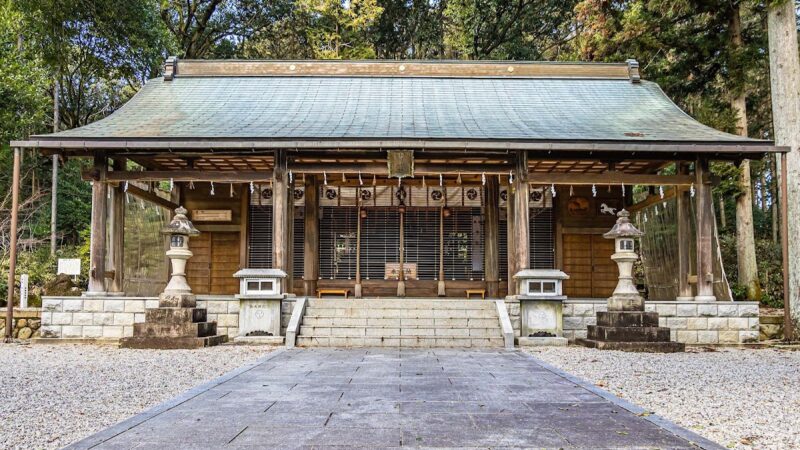
Insaiji Temple (Gifu Prefecture) Complete Guide | History, Highlights, and Access Information
About Insaiji Temple
Insaiji Temple is a Jodo Shinshu Honganji-ha (Nishi Honganji-ha) temple located in Gifu Prefecture. It has a long history as a center of local faith and has been cherished by the local people.
Jodo Shinshu is a branch of Japanese Buddhism founded by Shinran Shonin, and teaches that by chanting “Namu Amida Butsu,” one can attain rebirth in the Pure Land through the power of Amida Buddha’s vow. Insaiji Temple also bases its teachings on this principle and serves as a spiritual center for the local people.
History of Insaiji Temple
Founding and Origin
Regarding the founding date of Insaiji Temple, it is believed to have existed as a local temple for a long time, but detailed records are limited. As a Jodo Shinshu temple, it developed from the Muromachi period to the Edo period, deepening its relationship with Honganji Temple.
The temple’s name, “Insei,” is thought to embody the Buddhist concept of “karma” and the belief in the Western Pure Land (Amida Buddha’s Pure Land).
Development during the Edo Period
During the Edo period, with the establishment of the danka system (parishioner system), the role of temples in local communities increased in importance. Insei-ji Temple, as a local family temple, conducted funerals and memorial services, becoming a spiritual pillar for the people.
During this period, many Jodo Shinshu temples strengthened their relationships with the head temple, solidifying their foundations for doctrinal study and temple management. Insei-ji Temple was no exception, and it is presumed to have developed activities rooted in the local community.
Progress since the Modern Era
After the Meiji Restoration and the subsequent anti-Buddhist movement and World War II, Japanese temples underwent a period of great transformation. Insei-ji Temple, adapting to the changing times, has continued to exist as a place of faith in the community to this day.
In modern times, in addition to traditional religious activities, it also plays a role as a hub for the local community.
About the Jodo Shinshu Honganji School
Characteristics of the School
The Jodo Shinshu Honganji School is one of the largest Buddhist sects in Japan, with its head temple being Nishi Honganji in Kyoto. It inherits the teachings of Shinran Shonin and centers on the philosophy of “reliance on the power of others.”
Its main characteristics include:
- Nembutsu-centered approach: Chanting “Namu Amida Butsu” is the most important practice.
- The doctrine of salvation for the wicked: Ordinary people burdened with worldly desires are the very objects of Amida Buddha’s salvation.
- Lay Buddhism: Marriage of monks is permitted, making it a form of Buddhism that remains connected to the secular world.
- Simple Doctrine: Emphasis is placed on faith rather than difficult ascetic practices or scholarship.
Relationship with Honganji
Insaiji Temple, as a branch temple of the Honganji School, maintains a relationship with its head temple, Nishi Honganji. It maintains ties with the sect through regular reports and participation in events hosted by the head temple.
Architecture and Grounds of Insai-ji Temple
Main Hall
The main hall of Insai-ji Temple exhibits the typical style of a Jodo Shinshu Buddhist temple. The inner sanctuary houses the principal image, a statue of Amida Buddha, creating a magnificent space gleaming with golden light.
The main hall of a Jodo Shinshu temple, also called a “Mido,” is designed as a place where believers gather to listen to sermons and chant the Nembutsu together.
Temple Grounds
Besides the main hall, the temple grounds include the Kuri (the living quarters of the head priest) and a bell tower. The trees and flowers, displaying different expressions with each season, soothe the hearts of visitors.
Like a local temple, the grounds are small but meticulously maintained, creating a space suitable for quietly walking the Buddhist path.
Cultural Assets and Treasures of Insai-ji Temple
Principal Image and Buddhist Statues
The principal image of Insai-ji Temple is Amida Buddha. In Jodo Shinshu Buddhism, believing in the power of Amida Buddha’s original vow is considered the path to salvation, and the principal image of worship is the central object of faith.
Furthermore, there is a possibility that wooden statues or paintings of Shinran Shonin are enshrined, representing gratitude and appreciation for the founder of the sect.
Temple Treasures
Temples with long histories possess treasures that have been passed down through generations. Ancient documents, scriptures, and Buddhist implements are preserved, serving as valuable resources for understanding the history of the region.
Annual Events and Memorial Services
Regular Memorial Services
At Insai-ji Temple, as a Jodo Shinshu temple, the following annual events are held:
Spring Equinox Service (March)
A memorial service held around the spring equinox, providing an opportunity for ancestral veneration and listening to Buddhist teachings.
Flower Festival (April 8th)
A celebration of the birth of Shakyamuni Buddha, with the custom of pouring sweet tea.
Founder’s Birthday Celebration (May 21)
A memorial service commemorating the birthday of Shinran Shonin.
Obon (August)
One of the most important periods for remembering ancestors and holding memorial services. In Jodo Shinshu Buddhism, it is called “Kanki-e” (Joyful Gathering) to commemorate those who have passed on to the Pure Land.
Autumn Equinox Service (September)
A memorial service held around the autumnal equinox.
Hoonko (November-January)
The most important memorial service in Jodo Shinshu Buddhism, held around the anniversary of Shinran Shonin’s death (November 28th in the old lunar calendar).
New Year’s Eve Service/New Year’s Day Service (December 31 – January 1)
A memorial service held at the end of the year and New Year to prepare for the New Year.
Special Memorial Services
Special memorial services may be held in milestone years. Important events for the temple, such as the restoration of the main hall and memorial services for the founder of the sect, are held here.
Life of Faith at Insai-ji Temple
Life as a Temple Follower
In Jodo Shinshu Buddhism, followers are called “monto.” The monto of Insai-ji Temple deepen their faith by chanting the Nembutsu in their daily lives and participating in monthly and annual memorial services.
Dharma Talks and Listening to the Dharma
In Jodo Shinshu Buddhism, listening to the Dharma (monpo) is highly valued. Insai-ji Temple regularly holds Dharma talks, where you can learn the teachings of Shinran Shonin from the head priest and lecturers.
Buddhist Rituals Consultation
We also accept consultations regarding Buddhist rituals such as funerals, memorial services, and the placement of Buddhist altars. You can learn appropriate responses based on Buddhist teachings at important life events.
Buddhist Culture in Gifu Prefecture and Insai-ji Temple
Religious Background of Gifu Prefecture
Gifu Prefecture is a region where Buddhist culture has flourished since ancient times. The Hida region has many ancient temples, and numerous temples are also scattered throughout the Mino region.
Jodo Shinshu Buddhism has a particularly strong influence in the Chubu region, and many Honganji and Otani branch temples exist within Gifu Prefecture.
Connection with the Local Community
Insaiji Temple functions not merely as a religious facility, but as an integral part of the local community. It plays an open role as a temple, participating in local events and cooperating with social welfare activities.
Access Information
Location
Insaiji Temple is located in Gifu Prefecture. It is recommended to confirm the specific location with the temple in advance.
Access by Public Transportation
For access from the nearest station, you will need to use local public transportation. Please consider using buses or taxis.
Access by Car
If visiting by car, please enter the temple name into your car navigation system or check the address before visiting. It is recommended to check the availability of parking in advance.
Notes for Visitors
- Visiting Hours: Generally, daytime hours are preferable, but please check in advance if there are any events such as memorial services.
- Dress Code: There are no strict regulations, but please dress appropriately and respectfully for a temple.
- Photography: It is advisable to obtain permission in advance before taking photographs on the temple grounds.
- Respect: Please be quiet on the temple grounds and be considerate of other visitors.
Contacting Insaiji Temple
Visiting and Sightseeing
General visits are permitted, but if you wish to tour the interior of the main hall or receive a detailed explanation, it is recommended to contact the temple in advance.
Requesting Memorial Services
If you wish to request funerals, memorial services, or other religious services, please contact the temple directly to discuss the date and details.
Becoming a Temple Member
If you wish to become a temple member (parishioner) of Insaiji Temple, you will need to meet with the head priest and proceed with the necessary procedures.
Learning the Teachings of Jodo Shinshu Buddhism
The Life of Shinran Shonin
Shinran Shonin (1173-1263) was a Buddhist monk who was active from the late Heian period to the Kamakura period. After training at Mount Hiei, he became a disciple of Honen Shonin and inherited the teachings of exclusive recitation of the Buddha’s name.
After being exiled to Echigo during the Jogen Persecution, he conducted missionary work in the Kanto region, spreading the teachings of the Buddha’s name to many people. In his later years, he returned to Kyoto and wrote his main work, *Kyogyoshinsho*.
Basic Doctrines of Jodo Shinshu Buddhism
Other-Power Vow
This is the idea that salvation is achieved not through one’s own power (self-power), but through the power of Amida Buddha’s original vow (other-power).
The Salvation of the Wicked
This teaching states that since even good people can attain rebirth in the Pure Land, wicked people, filled with worldly desires, are the true recipients of Amida Buddha’s salvation.
Transfer of Merit in the Pure Land and Transfer of Merit in the Returning World
This explains the merit bestowed upon us by Amida Buddha (Transfer of Merit in the Pure Land) and the work of returning from the Pure Land to this world to save sentient beings (Transfer of Merit in the Returning World).
Significance in Modern Times
The teachings of Jodo Shinshu Buddhism offer many insights even in modern society. The attitude of acknowledging one’s own limitations and living enveloped in great compassion brings peace to the hearts of modern people weary of a competitive society.
Significance of Visiting Insaiji Temple
Seeking Peace of Mind
Modern society is full of stress and anxiety. By visiting a local temple like Insaiji Temple, you can spend quiet time away from daily life and regain peace of mind.
Experiencing History and Culture
Temples are important places that convey the history and culture of the region. By visiting Insaiji Temple, you can experience the Buddhist culture of Gifu Prefecture and the traditions of Jodo Shinshu Buddhism.
At Life’s Milestones
Life has many milestones. Buddhist teachings offer great support at life’s turning points, such as marriage, childbirth, reaching sixty, and the death of a loved one. Insaiji Temple is a place that accompanies people through these significant life events.
Nearby Attractions
Tourist Spots in Gifu Prefecture
When visiting Insaiji Temple, you can also explore other tourist spots in Gifu Prefecture.
- Gifu Castle: A castle towering over the summit of Mt. Kinka, a place associated with Oda Nobunaga
- Shirakawa-go: A gassho-zukuri village registered as a World Heritage Site
- Hida Takayama: A charming castle town with well-preserved old streets
- Gero Onsen: A hot spring resort known as one of Japan’s three most famous hot springs
Nearby Temples and Shrines
Besides Insaiji Temple, Gifu Prefecture has many other historical temples and shrines. Enjoy visiting temples and shrines while experiencing traditional Japanese culture.
Summary
Insaiji Temple, a Jodo Shinshu Honganji-ha temple located in Gifu Prefecture, has supported the faith of the local people. It transmits the teachings of Shinran Shonin and serves as a refuge for those who walk the path of Nembutsu (recitation of Amida Buddha’s name).
As a historical temple and a center of the local community, Insaiji Temple will continue to play an important role. It is a place worth visiting for those seeking quiet solace and peace of mind.
When visiting Gifu Prefecture, be sure to stop by Insaiji Temple and experience the teachings of Jodo Shinshu Buddhism and the history of the region. You may gain new insights in this tranquil space away from everyday life.