Tenmangu Shrine (Nishiichi, Minami-ku, Okayama City, Okayama Prefecture) | Complete Guide to History, Divine Virtues, and Access
Located in Nishiichi, Minami-ku, Okayama City, Tenmangu Shrine is a historic shrine dedicated to Sugawara no Michizane, known as the god of learning. Despite its convenient location in front of Bizen-Nishiichi Station, this shrine boasts a history of approximately 500 years and remains a beloved local guardian shrine for many worshippers.
Overview of Tenmangu Shrine
Tenmangu Shrine is located in Nishiichi, Minami-ku, Okayama City, in a prime location just west of Bizen-Nishiichi Station on the JR Seto-Ohashi Line. It enshrines Sugawara no Michizane (Tenman Daijizai Tenjin) as its main deity and is known for its divine virtues related to academic success, passing exams, and protection from misfortune and good fortune.
While there are several Tenmangu shrines in Okayama Prefecture, this Nishiichi Tenmangu Shrine is particularly distinguished by its excellent transportation access and its role as a deeply rooted local guardian shrine. The current parish area comprises the three districts of Nishiichi, Yonekura, and Manbai in Minami Ward, Okayama City.
Main Deity and Divine Virtues
Main Deity: Sugawara no Michizane
Sugawara no Michizane was a scholar and politician who was active during the Heian period. After his death, he was deified as Tenman Daijizai Tenjin. Due to his outstanding scholarship and sincere character, he is revered as the god of learning at Tenmangu shrines throughout Japan.
Main Divine Virtues:
- Academic success and passing exams
- Improvement in writing and performing arts
- Protection from misfortune and good fortune, family safety
- Virtue of sincerity and honesty
History and Origins
Founding History
The Tenmangu shrine is said to have been founded on June 1st, Tenbun 1 (1532). At this time, the divine spirit of Sugawara no Michizane was invited from Kitano Tenmangu Shrine in Yamashiro Province (present-day Kyoto Prefecture), and a shrine building was constructed at this site.
At the time of its founding, the parish area consisted of three villages: Shimonakano, Nishiichi, and Kyodono. Kitano Tenmangu Shrine is the head shrine of all Tenmangu shrines nationwide that enshrine Sugawara no Michizane, and the fact that this shrine received a divided spirit from it speaks to the high status of this shrine.
Relationship with Imamura Shrine
On March 3, 1580 (Tensho 8), Imamura Shrine, which had been located in Enokibaba, Uchiyama, Okayama, was moved to its current location. Along with this, Shimonakano Village became a parishioner of Imamura Shrine. This event is thought to have taken place as part of the development and regional reorganization of the Okayama castle town at the time.
Development during the Edo Period
In 1637 (Kanei 14), the development of new rice fields (konden) was promoted by Ikeda Mitsumasa, the lord of the Okayama domain. At this time, the newly established villages of Yonekura and Manbai were added to the parish area of Tenmangu Shrine.
Lord Ikeda Mitsumasa is known as a wise ruler of the Okayama Domain, and he devoted himself to domain reforms and the promotion of education. The expansion of the parish area of Tenmangu Shrine, which enshrines the god of learning, can be said to reflect Lord Mitsumasa’s emphasis on education.
From this period, the current form of Tenmangu Shrine, with its parish area encompassing the three districts of Nishiichi, Yonekura, and Manbai, was established.
Developments since the Modern Era
After the separation of Shinto and Buddhism and changes to the shrine system during the Meiji era, Tenmangu Shrine has continued to attract worshippers as the guardian deity of the region. Even as times have changed through the Showa, Heisei, and Reiwa eras, it has continued to play a role as a spiritual pillar of the local community.
Highlights of the Shrine Grounds
Shrine Buildings
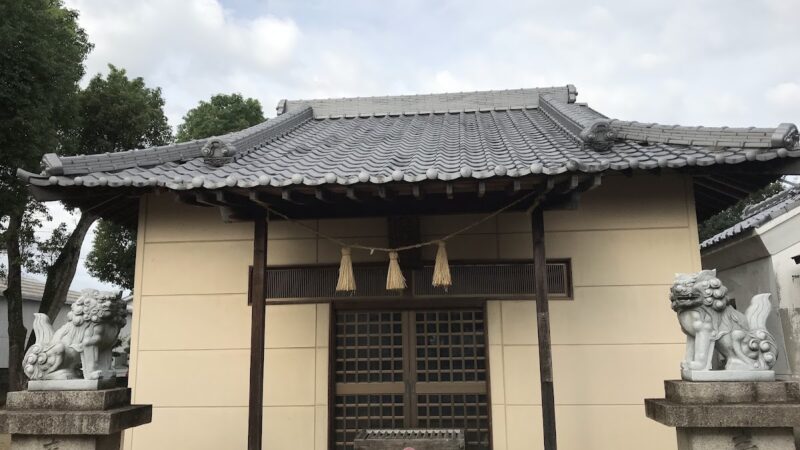
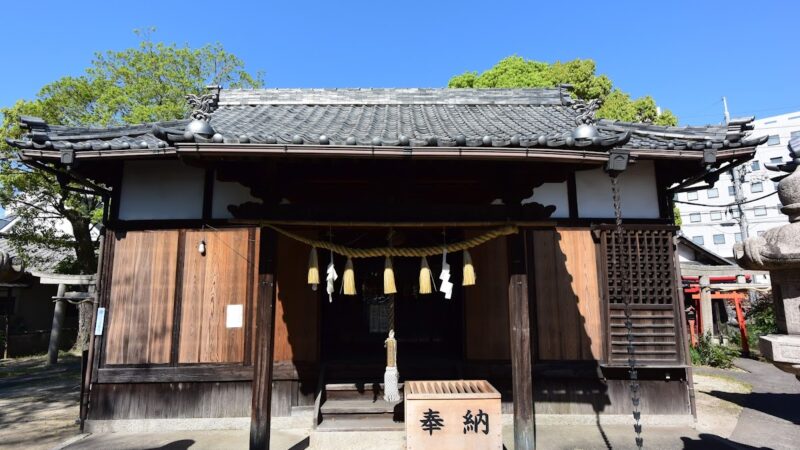
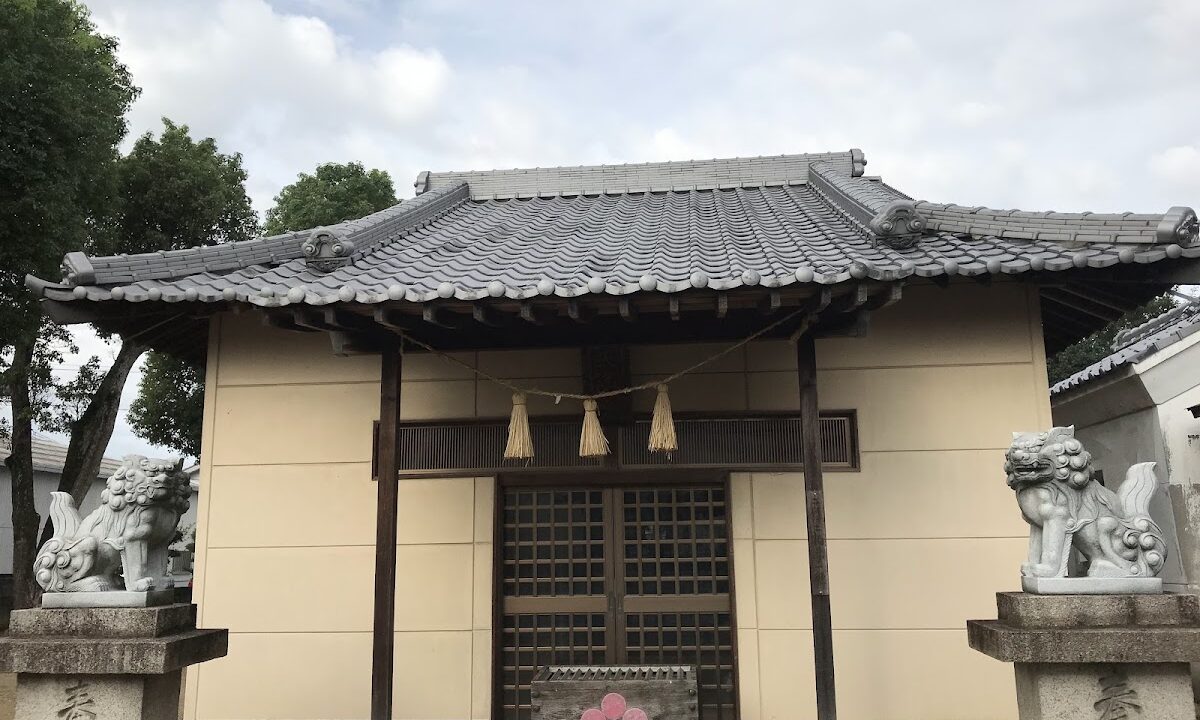
The shrine buildings of Tenmangu Shrine follow the typical form of shrine architecture, consisting of the main hall, offering hall, and worship hall. Worshippers clasp their hands together in the worship hall and offer prayers to Sugawara no Michizane, enshrined in the main hall beyond.
Atmosphere of the Shrine Grounds
Despite being located in an urban area near Bizen-Nishiichi Station, the shrine grounds exude a tranquil atmosphere. As you proceed along the approach, a sacred space unfolds, far removed from the hustle and bustle of everyday life, allowing for a peaceful and calm worship experience.
Rituals and Annual Events
Various rituals are performed at Tenmangu Shrine throughout the year. The shrine’s seasonal events are an important element in preserving traditional Japanese culture.
Main Annual Events
New Year’s Day Festival (January 1st)
A ritual celebrating the New Year and praying for peace and prosperity throughout the year. It attracts many first-time worshippers.
Setsubun Festival (around February 3rd)
A traditional event involving bean-throwing to ward off evil and invite good fortune.
Kinensai (February 17th)
An important Shinto ritual praying for a bountiful harvest and industrial development in the coming year.
Reitaisai (Autumn)
The most important festival of Tenmangu Shrine, celebrated grandly by the entire parish community. It may include a procession of portable shrines and offering ceremonies.
Niinamesai (November 23rd)
A Shinto ritual expressing gratitude for the autumn harvest and offering new grains to the gods.
Oharai (June 30th & December 31st)
A Shinto ritual to purify and cleanse away the sins and impurities accumulated over the past six months, including the ritual of passing through a ring of reeds.
Personal Prayers
Tenmangu Shrine accepts various personal prayers throughout the year:
- Prayers for Passing Exams/Academic Success: Many students and those preparing for exams visit the shrine.
- Prayers for Protection from Misfortune: For those entering their unlucky year.
- Family Safety/Traffic Safety: Prayers for the health and safety of the family.
- First Shrine Visit: Prayers for the healthy growth of a baby.
- Shichi-Go-San Visit: Celebrating and giving thanks for a child’s growth.
Basic Information
Shrine Data
Shrine Name: Tenmangu Shrine
Location: Nishiichi, Minami-ku, Okayama City, Okayama Prefecture
Main Deity: Sugawara no Michizane
Founded: June 1, 1532
Former Shrine Rank: Village Shrine
Parish Area: Minami-ku, Okayama City (Nishiichi, Yonekura, Manbai)
Affiliation: Okayama Prefectural Shrine Association
Access
Access by Train:
- Get off at Bizen-Nishiichi Station on the JR Seto-Ohashi Line, and it’s a short walk from the west exit.
- Its convenient location in front of the station makes it easily accessible by train.
Access by Car:
- Approximately 15 minutes from central Okayama City via National Route 30.
- Please inquire with the shrine before visiting regarding parking availability.
Access by Bus:
- You can also use Okayama Electric Railway buses from Okayama Station (may vary depending on the route).
Visiting Hours and Notes
Visiting Hours: The shrine grounds are generally open for free worship.
Shrine Office: Open during Shinto rituals and festivals (please inquire with the shrine for details).
Parking: Please inquire directly for details.
Inquiries: Inquiries can be made through the Okayama Prefectural Shrine Association.
Nearby Attractions
Tourist Attractions in Minami Ward, Okayama City
When visiting Tenmangu Shrine, you can also explore the surrounding tourist attractions:
Kojima Bay Reclamation Area:
Minami Ward in Okayama City is home to land created by large-scale land reclamation projects carried out since the Meiji era. It is characterized by vast farmlands and a unique landscape.
RSK Rose Garden:
A popular tourist spot where beautiful roses bloom in season.
Okayama City South Village:
A tourist farm facility where you can enjoy agricultural experiences and strawberry picking.
Etiquette for Visiting Tenmangu Shrine
When visiting a shrine, it is important to know the correct etiquette.
How to Walk Along the Approach
The center of the approach is considered the path of the gods, so it is considered desirable for visitors to walk along the sides. Bow before passing through the torii gate.
Proper Hand-Washing Ritual
- Take the ladle with your right hand and wash your left hand.
- Switch the ladle to your left hand and wash your right hand.
- Switch the ladle back to your right hand, receive water in your left hand, and rinse your mouth.
- Wash your left hand once more.
- Hold the ladle upright, wash the handle, and return it to its original position.
Proper Worship Ritual at the Main Hall
- Gently place your offering in the offering box.
- Ring the bell if there is one.
- Bow twice (bowing deeply twice).
- Clap your hands twice.
- Pray sincerely.
- Bow once (bowing deeply once).
This is called “two bows, two claps, one bow,” and is the basic worship ritual in Shinto.
About Sugawara no Michizane
Life of Michizane
Sugawara no Michizane (845-903) was a scholar, politician, and Chinese poet of the early Heian period. From a young age, he displayed exceptional talent and served the imperial court as a scholar of literature. He gained the trust of Emperor Uda and rose to the position of Minister of the Right, but was demoted to Dazaifu due to slander from Minister of the Left Fujiwara no Tokihira.
After spending over two years in Dazaifu, he died on February 25, 903, at the age of 59. Following this, a series of natural disasters occurred in Kyoto, which were feared to be the curse of Michizane’s vengeful spirit. The imperial court restored Michizane’s honor and enshrined him as Tenman Daijizai Tenjin.
As the God of Learning
The reason Michizane is revered as the god of learning lies in his outstanding scholarship. He displayed genius from a young age, composing waka poetry at the age of five and Chinese poetry at eleven. Even as an adult, he left behind many Chinese poems and writings, and his works such as “Kanke Bunso” and “Kanke Goshu” are still read today.
Furthermore, Sugawara no Michizane was known for his sincere and honest character, and his hatred of injustice and pursuit of truth are revered as an ideal attitude for those engaged in learning.
Tenmangu Shrine and the Local Community
Role as a Guardian Deity
Tenmangu Shrine serves as the guardian deity of the three districts of Nishiichi, Yonekura, and Manbai, playing a spiritual role in the local community. A guardian deity is a god who protects the people living in a particular area, and is also called a Ubusuna Shrine.
People in the community visit their guardian deity at various milestones in their lives, giving thanks for their birth, celebrating their growth, and praying for safety in life. It also functions as a place to deepen community bonds through festivals.
Tenmangu Shrine in Modern Times
Even in modern times, Tenmangu Shrine is visited by many students and their parents during exam season to pray for success. It is also cherished by people in the community for various occasions in life, such as New Year’s visits, Shichi-Go-San (a traditional rite of passage for children), and exorcisms.
Even amidst increasing urbanization, shrines continue to play a vital role as valuable cultural heritage sites that convey the history and traditions of the region, and as spiritual havens.
Other Tenmangu Shrines in Okayama Prefecture
There are several Tenmangu shrines in Okayama Prefecture. Each has its own unique history and characteristics.
Koyasu Tenmangu Shrine in Minami Ward, Okayama City
Another Tenmangu shrine is located in the same Minami Ward of Okayama City. It is said to have been founded around 901 AD, and a legend remains that Sugawara no Michizane stayed there temporarily on his way to exile in Dazaifu. It is also known as “Koyasu Tenmangu” (meaning “safe childbirth Tenmangu”) due to an anecdote about helping a female diver have a safe delivery, and is known for prayers for safe childbirth.
Other Tenmangu Shrines in Okayama Prefecture
Tenmangu shrines are located throughout Okayama Prefecture, including in Naka Ward and Kita Ward of Okayama City, and each attracts worshippers in its respective region. “Tenmangu pilgrimages,” visiting various shrines, are popular among shrine enthusiasts.
Basic Knowledge of Shinto
What is Shinto?
Shinto is Japan’s ancient folk religion, a polytheistic religion that reveres nature and ancestors and believes in eight million gods. It has no scriptures or founder, and has developed naturally within the lives and culture of the Japanese people.
The Role of Shrines
Shrines are Shinto ritual facilities where gods are enshrined, festivals are held, and prayers are received from worshippers. There are approximately 80,000 shrines throughout Japan, each preserving the history and culture of its region.
About the Association of Shinto Shrines
The Okayama Prefectural Association of Shinto Shrines is an organization that encompasses shrines within Okayama Prefecture. It manages and operates shrines, trains Shinto priests, and promotes Shinto culture. Tenmangu Shrine is also affiliated with the Okayama Prefectural Association of Shinto Shrines, and its proper management is carried out under its guidance.
Summary
Located in Nishiichi, Minami-ku, Okayama City, Tenmangu Shrine is a historic shrine that has attracted the faith of local people for approximately 500 years since its founding in 1532. It enshrines Sugawara no Michizane, the god of learning, and attracts many worshippers praying for success in exams and academic achievement.
Despite its convenient location in front of Bizen-Nishiichi Station, it maintains a tranquil atmosphere and serves as the guardian deity for the three districts of Nishiichi, Yonekura, and Manbai. Various Shinto rituals are performed throughout the year, playing a vital role as a spiritual pillar of the local community.
If you are preparing for exams, praying for academic success, or simply want to experience Okayama’s history and culture, we highly recommend visiting Tenmangu Shrine. The divine virtues of Sugawara no Michizane and the atmosphere of the shrine, steeped in 500 years of history, will surely leave a lasting impression.