Complete Guide to Kibitsuoka Karaki Shrine (Okayama Prefecture) | History, Deities, Rituals, and Visiting Information
About Kibitsuoka Karaki Shrine
Kibitsuoka Karaki Shrine is a historic shrine located in Kaiyoshi, Naka-ku, Okayama City, Okayama Prefecture. It is an ancient shrine listed in the Bizen Province Shrine Register, and its former rank was Village Shrine, attracting the faith of the local community.
This shrine enshrines Kibiwakatakehiko-no-mikoto, the younger brother of Kibitsuhiko-no-mikoto, who played a significant role in the pacification of the Kibi region. It has been revered since ancient times as the tutelary deity of both the Kaiyoshi and Fukutomi districts.
While the current shrine grounds are located in a quiet residential area, it is said that the shrine originally stood near the mountaintop west of its current location, and it has a long history intertwined with the local community.
History and Origins of Kibitsuoka Karaki Shrine
Origin of Founding
Kibitsuoka Karaki Shrine has a long history, dating back to the ancient Kibi Province. It is said that Kibitsuhiko-no-Mikoto, son of the 7th Emperor Korei, descended to the Kibi Province during the reign of the 10th Emperor Sujin. He pacified the villain Ura and established a peaceful nation. His younger brother, Kibiwaketakehiko-no-Mikoto, is also said to have pacified Kamimichi and Umeyoshi.
To commemorate this achievement, Kibiwaketakehiko-no-Mikoto was enshrined as the guardian deity of the region, marking the beginning of this shrine. As a shrine dedicated to the younger brother of Kibitsuhiko-no-Mikoto, the enshrined deity of Kibitsu Shrine, it holds an important position in the history of the Kibi region.
Status as an Unlisted Ancient Shrine
Kibitsuoka Karaki Shrine is an unlisted ancient shrine listed in the Bizen Province Shrine Register. A Shikigai-sha refers to a shrine that is not listed in the Engishiki Jinmyocho (a list of shrines compiled in the Heian period), but whose existence has been confirmed since ancient times. Being listed in the Soja Jinmyocho (a list of shrines compiled in the Heian period) is evidence of its long-standing importance in Bizen Province and speaks to the depth of faith in the region.
Changes in the Shrine Buildings
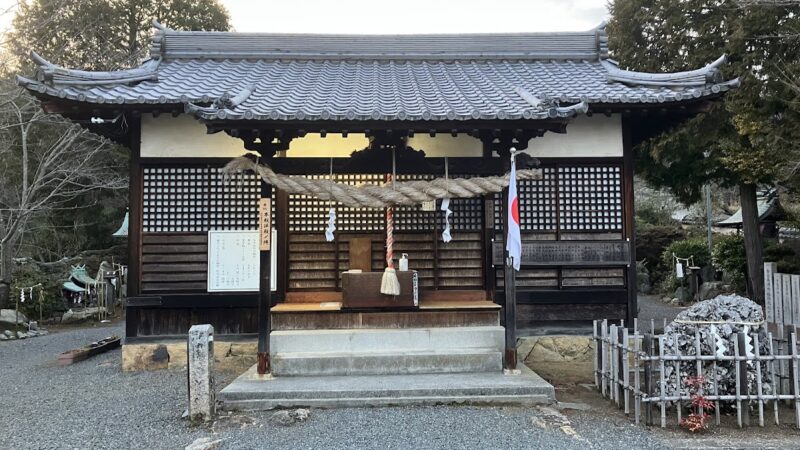
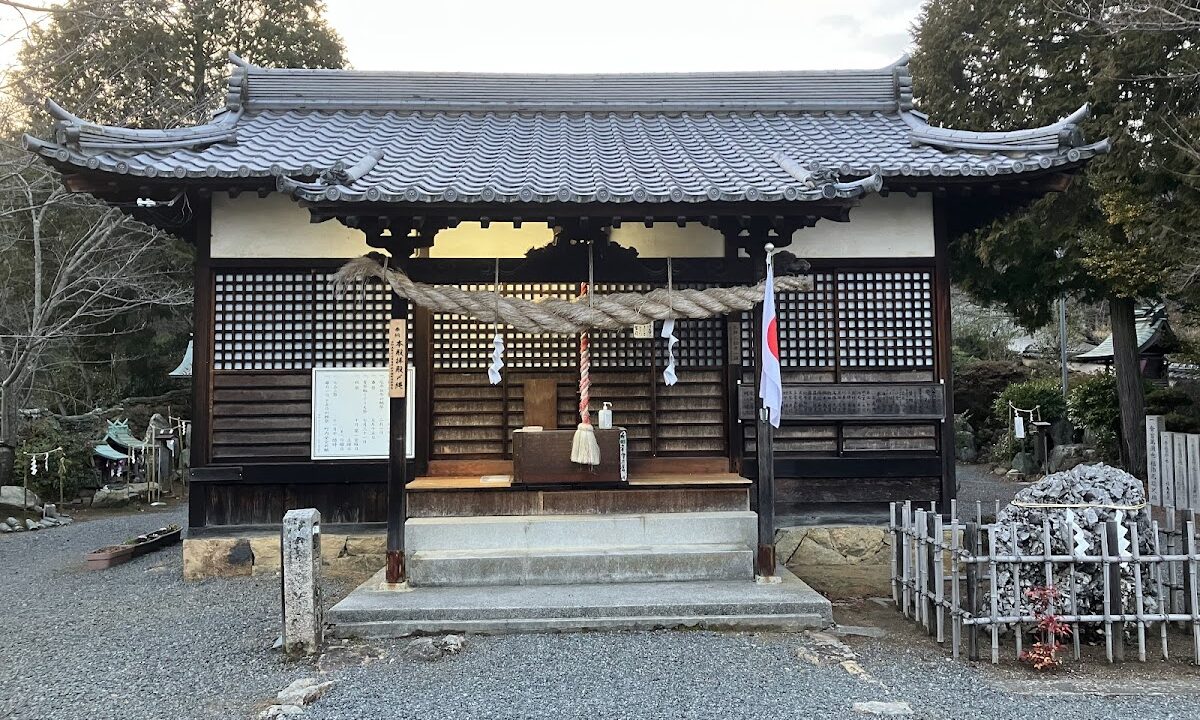
The shrine buildings of this shrine are believed to have been constructed in the late Edo period and preserve the traditional shrine architectural style, consisting of the main hall, offering hall, fishing hall, worship hall, and guardian gate. Originally located near the mountaintop west of the current shrine grounds, it was moved to its present location over time.
Its former shrine rank was a village shrine, and under the Meiji era shrine ranking system, it was positioned as the local tutelary deity.
About the Deity: Kibi Waketakehiko-no-Mikoto
Achievements of Kibi Waketakehiko-no-Mikoto
Kibi Waketakehiko-no-Mikoto (also written as Kibi Waketakehiko-no-Mikoto), the deity enshrined at Kibitsuoka Karaki Shrine, was a prince of Emperor Korei (the 7th emperor) and the younger brother of Kibitsuhiko-no-Mikoto. While his elder brother, Kibitsuhiko-no-Mikoto, pacified the entire Kibi Province, Kibi-Waketakehiko-no-Mikoto is said to have particularly dedicated himself to pacifying the Kamimichi and Umeyoshi regions.
Ancient Kibi Province was a powerful force with a vast territory, but it also had rebellious forces, including Ura. Kibitsuhiko-no-Mikoto and his younger brother, Kibi-Waketakehiko-no-Mikoto, are said to have cooperated to pacify these forces and bring peace and order.
Relationship with Kibitsuhiko-no-Mikoto
Kibitsuhiko-no-Mikoto is known as the enshrined deity of Kibitsu Shrine (Kita-ku, Okayama City) and Kibitsuhiko Shrine (Kita-ku, Okayama City), and is a representative deity of the Kibi region. Kibitsuoka Karaki Shrine, which enshrines his younger brother, Kibi-Waketakehiko-no-Mikoto, has a deep connection with Kibitsu Shrine and Kibitsuhiko Shrine.
The legend of the brothers cooperating to pacify Kibi Province provides valuable historical context that conveys the unity of a family and the nature of regional governance in ancient times.
Rituals and Annual Events of Kibitsuoka Karaki Shrine
Hyakumasu Arai (Washing of 100 Masu)
The most distinctive ritual at Kibitsuoka Karaki Shrine is the “Hyakumasu Arai.” This rain-making ritual is performed after the “Summer Festival Ring-Passing Ceremony” held at noon on July 31st, and is known as a traditional event unique to the Setouchi region, which experiences frequent droughts.
Details of Hyakumasu Arai
The parishioners each bring a 1.8-liter masu (a traditional measuring cup), receive prayers from the chief priest, and then, clad in happi coats, draw water. They then simultaneously pour the water onto a beam over 5 meters high from the side of the shrine building—a magnificent ritual.
This ritual is unique to Kibitsuoka Karaki Shrine and preserves a regional form of worship deeply connected to the climate and natural features of the Setouchi region. The act of pouring water high into the air to pray for rain is also an expression of the heartfelt prayers of the agricultural community. ### Summer Festival Ring-Passing Ceremony
At the summer festival held on July 31st, the Chino-wa Kuguri (passing through a ring of reeds) ceremony is performed. This Shinto ritual involves passing through the ring of reeds to purify oneself of the impurities accumulated over the past six months and pray for good health and protection from illness for the remaining half of the year. Along with the subsequent Hyakumasu-arai (washing of 100 measuring cups), this is an important summer ritual cherished by the local community.
Monthly Festivals and Shrine Office Openings
At Kibitsuoka Karaki Shrine, the shrine office is open on the 1st and 15th of each month, and on the morning of the annual festival. While the shrine grounds are usually quiet, on these days, worshippers visit, and services such as the distribution of Goshuin (shrine stamps) are available.
The regular monthly festivals demonstrate the shrine’s role as the local guardian deity, continuously protecting the community and serving as an important opportunity to deepen ties with the parishioners.
Highlights of the Shrine and Grounds
Shrine Architecture
The shrine buildings of Kibitsuoka Karaki Shrine are believed to have been constructed in the late Edo period and feature a traditional shrine architectural structure consisting of the main hall, offering hall, fishing hall, worship hall, and guardian gate.
The main hall is the most sacred place where the deities are enshrined, and its structure, connecting the offering hall and fishing hall to the worship hall, is a typical example of Shinto architecture. The guardian gate stands at the entrance to the approach to the shrine, guarding the entrance to the sacred area.
Nature of the Grounds
The grounds are blessed with beautiful nature throughout the seasons. Especially in spring, the cherry blossoms bloom beautifully, creating a landscape reminiscent of a paradise. Visitors have commented that “the entire area is enveloped in a beautiful and gentle atmosphere,” making it a space where one can pray in a tranquil setting.
Space in Front of the Worship Hall
The area in front of the worship hall is the central place of worship, from which prayers are offered towards the main hall. On the day of the monthly festival, the shrine office is also open, providing a place for interaction with parishioners and visitors.
Visiting Information and Access
Basic Information
Location: 1109 Kaiyoshi, Naka-ku, Okayama City, Okayama Prefecture
Deity Enshrined: Kibi Waketakehiko no Mikoto (Kibi Waketakehiko no Mikoto)
Former Shrine Rank: Village Shrine
Shrine Rank: An ancient shrine listed in the Bizen Province General Shrine Register (Shikigai Kosha)
Access Method
Access by Train: The nearest station is JR Sanyo Main Line “Ōtara Station”. It is within walking distance from the station and is quietly situated in a residential area.
Access by Car: It is accessible from the center of Okayama City via the national highway. There is parking space for visitors on the shrine grounds.
Visiting Hours
The shrine grounds are generally open for free worship. However, the shrine office is only open on the 1st and 15th of each month, and on the morning of the annual festival. Therefore, those wishing to receive a Goshuin (shrine stamp) are advised to visit during these times.
About Goshuin
Kibitsuoka Karaki Shrine offers Goshuin. As mentioned above, they can be received on the 1st and 15th of each month, and on the morning of the annual festival, when the shrine office is open. It is recommended to check the visiting dates in advance.
Related Shrines in the Area
Kibitsu Shrine
Located in Kibitsu, Kita-ku, Okayama City, Kibitsu Shrine is one of the most prominent shrines along the Sanyo Road, with Kibitsuhiko-no-Mikoto as its main deity. The main hall and worship hall, designated as National Treasures, are known for their unique architectural style called “Kibitsu-zukuri.” It has a deep connection to Kibitsuoka Karaki Shrine, as it enshrines the elder brother of Kibiwaketakehiko-no-Mikoto, the deity enshrined there.
Kibitsuhiko Shrine
Kibitsuhiko Shrine, also located in Kita Ward, Okayama City, enshrines Kibitsuhiko-no-Mikoto as its deity. Behind it, on Mount Kibitsu Nakayama, lies a massive sacred rock formation (Iwakura/Iwasaka), known as a place of worship since ancient times.
Order of Worship
To deeply understand the history and beliefs of the Kibi region, visiting Kibitsu Shrine, Kibitsuhiko Shrine, and Kibitsuoka Karaki Shrine together will allow you to comprehensively learn about the achievements of Kibitsuhiko-no-Mikoto and his younger brother, Kibiwaketakehiko-no-Mikoto.
The Faith of Kibitsuoka Karaki Shrine and its Connection to the Community
The Guardian Deity of the Kaiyoshi and Fukutomi Districts
Kibitsuoka Karaki Shrine has long been revered by local residents as the guardian deity of both the Kaiyoshi and Fukutomi districts. A guardian deity is a god that protects a specific region and has a deep connection with the people (parishioners) living in that region.
Center of the Local Community
Shrines have served not only as religious institutions but also as centers of local communities. Rituals such as the Hyakumasu-arai (washing of 100 measuring cups) have fostered community unity through the collaborative efforts of parishioners.
Inherited Traditions
Kibitsuoka Karaki Shrine preserves numerous traditions passed down through its long history, including the shrine’s architecture from the late Edo period and the unique Hyakumasu-arai ritual. These are highly valuable cultural assets of the region and precious legacies that should be passed on to future generations.
History of Kibi Province and Kibitsuoka Karaki Shrine
Power of Ancient Kibi Province
Ancient Kibi Province was a powerful force encompassing a vast territory including present-day Okayama Prefecture, eastern Hiroshima Prefecture, and the islands of Kagawa Prefecture. It is believed to have maintained a degree of independence from the Yamato court and developed its own unique culture and political system.
The Legend of Ura and the Pacification of Kibi
The legend of Kibitsuhiko-no-Mikoto’s defeat of Ura is thought to be a mythologized account of the Yamato court’s unification of Kibi Province. While Ura is depicted as a demon, he was likely a local leader of Kibi, and the pacification by the brothers Kibitsuhiko-no-Mikoto and Kibi-Waketakehiko-no-Mikoto is interpreted as representing the process of political unification.
Pacification of Kamimichi and Kaiyoshi
The Kamimichi and Kaiyoshi regions, which Kibi-Waketakehiko-no-Mikoto is said to have pacified, were important areas within Bizen Province. It is believed that the pacification of this region advanced the unification of the entire Kibi Province, and this shrine was founded to commemorate his achievements.
Points and Manners for Visiting a Shrine
Etiquette for Visiting a Shrine
The basic etiquette for visiting a shrine is as follows:
- Bow before passing through the torii gate: This shows respect when entering the sacred area.
- Purify yourself at the water basin: Purify your left hand, right hand, and mouth in that order.
- Walk along the edge of the path: The center is considered the path of the gods.
- Bow twice, clap twice, and bow once in front of the main hall: This is the basic Shinto way of worship.
Photography
Photography is generally permitted on the shrine grounds, but it should be refrained from in sacred places such as inside the main hall. Also, when Shinto rituals are being performed, consideration should be given to avoiding disruption.
Respect for a Quiet Environment
Kibitsuoka Karaki Shrine is located in a residential area and is usually a quiet environment. When visiting, please refrain from raising your voice and strive to maintain a peaceful atmosphere.
Summary
Kibitsuoka Karaki Shrine is a historic shrine located in Kaiyoshi, Naka-ku, Okayama City. It has long been a center of local faith, with Kibi Waketakehiko-no-Mikoto as its enshrined deity. As an ancient shrine listed in the Bizen Province Shrine Register, it holds a significant place in the history of the Kibi region.
The shrine boasts numerous attractions, including its late Edo period architecture, the unique Hyakumasu-arai rain-making ritual, and the beautiful natural scenery throughout the seasons. The shrine office is open on the 1st and 15th of each month, as well as on the day of the annual festival, and Goshuin (shrine seals) are available.
By learning about the achievements of Kibi Waketakehiko-no-Mikoto, the younger brother of Kibitsuhiko-no-Mikoto, and reflecting on the history of ancient Kibi Province, visitors can gain a deeper religious experience. As the tutelary shrine of the Kaiyoshi and Fukutomi districts, Kibitsuoka Karaki Shrine will continue to walk hand in hand with the community. When visiting Okayama, be sure to pay a visit.