Hirohata Hachimangu Shrine (Minami-ku, Okayama City, Okayama Prefecture) Complete Guide | History, Benefits, and Access Information
Located in Minami-ku, Okayama City, Okayama Prefecture, Hirohata Hachimangu Shrine is a venerable shrine with a history of over 600 years. It has long been revered as the local tutelary deity and continues to attract many worshippers today. This article provides a detailed overview of Hirohata Hachimangu Shrine, including its history, enshrined deities, benefits, highlights within the grounds, and access information.
History and Origins of Hirohata Hachimangu Shrine
From Founding to the Present
The history of Hirohata Hachimangu Shrine dates back to the Muromachi period. Founded in October of the first year of the Kakei era (1387), it was initially located east of Hirayama (Hirayama) in Yasunotsu, Tadoura. During this period, it was known as Tadoura Shrine or Kurage Hachimangu Shrine.
The unusual name “Kurumi Hachimangu” (水母八万宮) is thought to reflect the characteristics of the coastal region, suggesting that it also served as a guardian deity of the sea.
Relocation and Renaming during the Kan’ei Era
In February of the 9th year of the Kan’ei era (1632), during the early Edo period, the shrine was relocated to its current location on Miyayama. This relocation is thought to have coincided with the development of the region and the spread of faith. In June of the same year, it was renamed Hirohata Hachimangu and began to be worshipped as the tutelary deity of the three regions of Miyaura, Atsu, and Ogushi.
The name “Hirohata” (広羽) implies the meaning of widely raising banners to demonstrate divine power, indicating that the shrine’s role as a protector of the entire region became clear.
Development from the Edo Period Onward
Throughout the Edo period, Hirohata Hachimangu developed as a central place of worship in the region. It received patronage from the Okayama Domain, and regular festivals began to be held. Even after the Meiji-era separation of Shinto and Buddhism, the shrine has continued to play an important role to this day, supported by the fervent faith of the local residents.
Deities and Blessings
Main Deity
The main deity of Hirohata Hachimangu Shrine is Emperor Ojin (Homudawake-no-Mikoto), the central figure of Hachiman worship. Emperor Ojin has been revered since ancient times as the god of military fortune and the protection of the nation.
Enshrined Deities
Along with the main deity, the following deities are enshrined:
- Empress Jingu (Okinagatarashihime-no-Mikoto): The mother of Emperor Ojin, and the guardian deity of safe childbirth and child-rearing
- Hime-no-Okami: The goddess in Hachiman worship
These deities work together to watch over worshippers and bestow various blessings.
Main Benefits
Hirohata Hachimangu Shrine is believed to offer the following benefits:
- Family Safety: Protection of family health and peace
- Prayer for Safe Childbirth: Protection for safe childbirth through the divine virtues of Empress Jingu
- Child Rearing and Conception: Prayers for the healthy growth of children
- Exorcism and Good Fortune: Removal of misfortune at important life stages
- Traffic Safety: Prayers for safe daily travel
- Business Prosperity: Development and prosperity of business
- Academic Achievement: Improvement of studies and passing examinations
Highlights of the Shrine Grounds
Main Hall and Worship Hall
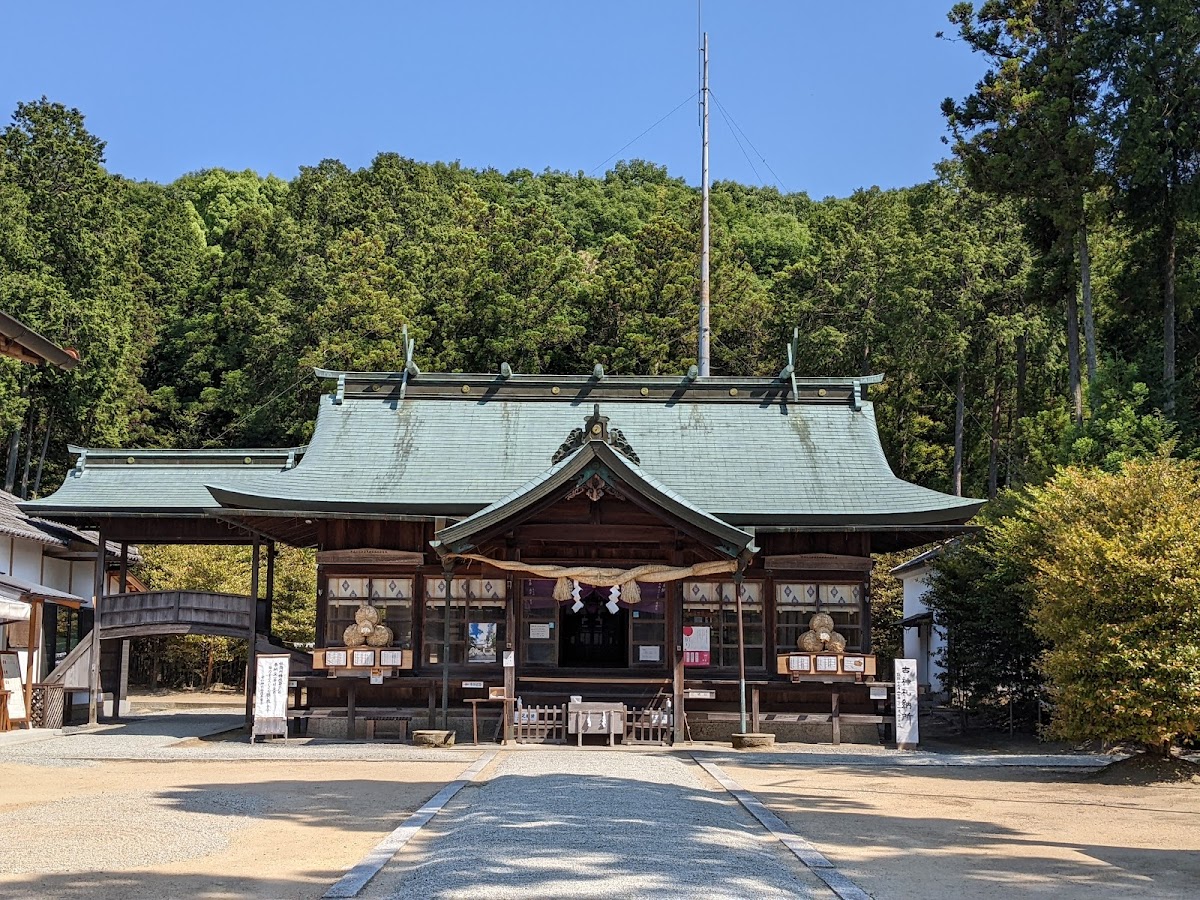
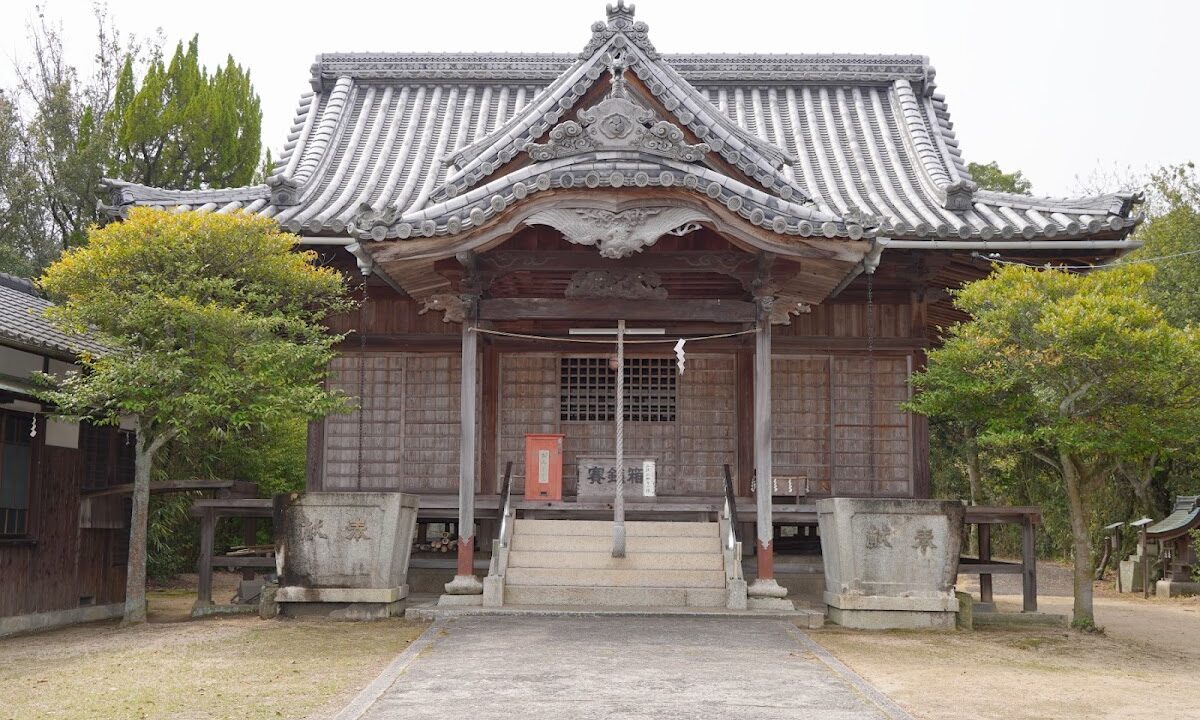
The main hall of Hirohata Hachimangu Shrine is a valuable building that preserves the architectural style of the Edo period. The worship hall has a solemn presence that welcomes worshippers, allowing visitors to feel the beauty of traditional shrine architecture.
Famous Spot for Autumn Leaves
Hirohata Hachimangu Shrine is also known locally as a famous spot for autumn leaves. Especially from late November to early December, the trees on the temple grounds turn a beautiful color, attracting many worshippers and photography enthusiasts. The autumn foliage viewed from the tranquil temple grounds offers a particularly calming and beautiful experience.
Stone Steps and Approach
The stone steps leading to the temple grounds create a charming, historically significant approach. Slowly ascending the steps while praying allows you to purify your mind and body, preparing yourself to face the deities. The temple grounds are also accessible by car, so those with mobility issues can visit with peace of mind.
Shrine Office
At the shrine office, you can receive amulets and Goshuin (temple/shrine stamps). They also accept requests for various prayers and are known for their courteous service.
Annual Events and Festivals
Main Annual Events
Hirohata Hachimangu Shrine holds various festivals and events throughout the year:
- New Year’s Day Festival: January 1st, praying for peace and prosperity in the new year
- Setsubun Festival: February, a festival to ward off evil and invite good fortune
- Spring Grand Festival: Spring, praying for a bountiful harvest and the prosperity of the region
- Summer Purification Ceremony: June 30th, a Shinto ritual to purify oneself of sins and impurities accumulated over the past six months
- Autumn Grand Festival: Autumn, praying for gratitude for the harvest and peace and tranquility in the region
- Shichi-Go-San Festival: November, celebrating the growth of children
- Year-End Purification Ceremony: December 31st, a Shinto ritual to purify oneself of sins and impurities accumulated over the past year
Characteristics of the Annual Grand Festival
The annual grand festival features a portable shrine procession and dedication ceremonies, where local residents unite to worship the deities. While preserving the traditional festival format, it serves as an important opportunity to deepen the bonds of the local community.
About Prayers and Sorrows
First Shrine Visit (Omiyamairi)
Hirohata Hachimangu Shrine is the local tutelary shrine and is chosen by many families for their first shrine visit (Omiyamairi). This traditional ceremony, performed by Shinto priests, involves a respectful recitation of prayers and blessings for the healthy growth of babies around 30 days old.
Local residents often say things like, “All four of my grandchildren have had their first shrine visits and received prayers at this shrine,” indicating that many families continue to practice their faith for generations.
Shichi-Go-San Ceremony
During the Shichi-Go-San season (mid-October to November), many families visit to express gratitude for their children’s growth and pray for their future health. The beautiful shrine grounds, perfect for commemorative photos, allow families to celebrate this important milestone in their children’s lives.
Other Prayers
We also accept various other prayers, such as those listed below:
- Prayer for safe childbirth
- First shrine visit (Omiyamairi)
- Shichi-Go-San (7-5-3) ceremony
- Prayer for protection against misfortune
- Prayer for traffic safety
- Prayer for family safety
- Prayer for business prosperity
- Prayer for passing exams
- Prayer for recovery from illness
If you wish to request a prayer, we recommend contacting the shrine office in advance.
Basic Information and Access
Location and Contact Information
Address: 2-chome, Fukutomi-Nishi, Minami-ku, Okayama City, Okayama Prefecture 702-8044
Jurisdiction: Okayama Prefectural Shrine Association
Access Method
Access by Public Transportation
- From JR Okayama Station: Approximately 30 minutes by bus
- Approximately 10 minutes on foot from the nearest bus stop
If using public transportation, we recommend checking the timetable in advance.
Access by Car
- Approximately 20 minutes from central Okayama City
- Accessible from National Route 30
- Approximately 25 minutes from Okayama IC on the Sanyo Expressway
Parking Information
Hirohata Hachimangu Shrine has a parking lot for visitors. You can drive close to the shrine grounds, making it convenient for those with small children or elderly visitors.
- Parking Capacity: Approximately 20 regular cars
- Fee: Free
- Operating Hours: During visiting hours
During busy periods such as the New Year holidays and the annual festival, the parking lot may be full, so it is recommended to visit with ample time.
Visiting Hours
- Free Visiting: The shrine grounds are generally open for free visits
- Shrine Office Reception Hours: 9:00 AM to 5:00 PM (approximate)
- Prayer Request Reception: Advance contact recommended
*Please note that these hours may change depending on the season and events. Please contact the shrine directly for details.
Nearby Attractions
Tourist Spots in Minami Ward, Okayama City
When visiting Hirohata Hachimangu Shrine, you can also explore nearby tourist spots:
- Kojima Bay: A beautiful bay facing the Seto Inland Sea where you can learn about the history of land reclamation.
- Okayama City South Village: A facility where you can enjoy agricultural experiences and gourmet food.
- Nadazaki Town Historical Sites: Scattered with ancient tombs and historical buildings.
Nearby Cuisine
Minami Ward in Okayama City has many restaurants where you can enjoy dishes made with fresh seafood and local Okayama specialties. Enjoying local flavors after your visit to the shrine is highly recommended.
Manners and Etiquette for Visiting a Shrine
Basic Etiquette for Visiting a Shrine
There are traditional etiquette rules for visiting a shrine:
- Bow before passing through the torii gate: A courtesy before entering the sacred area
- Walk along the edge of the path: The center is the path for the gods
- Purify your body and mind at the water basin: Purify your left hand, right hand, and mouth in that order
- Etiquette in front of the main hall: Two bows, two claps, one bow
Water Basin Etiquette
- Hold the ladle in your right hand and purify your left hand
- Switch the ladle to your left hand and purify your right hand
- Switch the ladle back to your right hand, receive water in your left hand, and rinse your mouth
- Purify your left hand once more
- Stand the ladle upright to purify the handle and return it to its original position
Etiquette for Worship
- Gently place your offering in the offering box
- Ring the bell if there is one
- 1. Bow deeply twice.
- Clap your hands twice.
- Join your hands and pray.
- Bow deeply once.
The Charm of Hirohata Hachimangu Shrine
A Faith Rooted in the Community
The greatest charm of Hirohata Hachimangu Shrine lies in its history of being loved by the local people for over 600 years and the fervent faith that continues to this day. As the tutelary deity of Miyaura, Atsu, and Ogushi, the form of faith passed down through generations continues unchanged even today.
A Tranquil Atmosphere of the Shrine Grounds
Despite being close to the city center, the shrine grounds are enveloped in a quiet and peaceful atmosphere. This space, where one can escape the hustle and bustle of everyday life and pray with a calm heart, provides healing to many visitors.
Beauty in Every Season
The shrine grounds show different expressions in each of the four seasons—the fresh green of spring, the deep green of summer, the autumn leaves, and the stillness of winter—offering new discoveries with every visit. The beauty of the autumn foliage is particularly exceptional, attracting many visitors who come specifically to take photographs.
Easy Access
The availability of ample parking and the ability to access the shrine grounds by car are major advantages for families with young children and the elderly. Many visitors appreciate the convenience of being able to drive up without having to climb stairs, creating an environment that is easily accessible for a wide range of generations.
Visitor Testimonials
Memories of First Shrine Visits
As exemplified by comments such as, “My four grandchildren had their first shrine visits and received prayers at this shrine. Thanks to the blessings, they are all growing up healthy and strong,” many families celebrate important milestones at Hirohata Hachimangu Shrine.
Beauty of Autumn Foliage
Comments such as, “I heard from an acquaintance that the autumn foliage at Hirohata Hachimangu Shrine is wonderful, so I went to see it. The peak had passed, but I was still able to see some beautiful autumn colors,” indicate that it is a well-known spot for viewing autumn leaves locally.
The Pleasant Experience of Worship
The comment, “It was very beautiful and I felt good visiting,” speaks to the cleanliness and sacred atmosphere of the shrine grounds. The meticulously maintained grounds bring a refreshing feeling to visitors.
Regarding Photography
Permitted Photography Locations
Photography within the shrine grounds is generally permitted as a memento of your visit. Especially during the autumn foliage season and the Shichi-Go-San (7-5-3) festival, many people take commemorative photos.
Precautions When Taking Photos
- Refrain from taking photos in sacred areas such as inside the main hall.
- Be considerate of other worshippers.
- Refrain from taking photos during prayers or Shinto rituals.
- It is advisable to check in advance if using large equipment such as tripods.
Summary
Hirohata Hachimangu Shrine is a historic shrine located in Minami-ku, Okayama City, Okayama Prefecture. Since its founding in 1387 (Kakei 1), it has attracted the faith of local people for over 600 years. Since its relocation to its current location in 1632 (Kanei 9) and subsequent renaming to Hirohata Hachimangu Shrine, it has played an important role as the tutelary deity of Miyaura, Atsu, and Ogushi.
With Emperor Ojin as its principal deity, the shrine is believed to offer various blessings, including family safety, safe childbirth, child-rearing, and protection from evil. Many families visit the shrine for life’s milestones such as baby blessings and Shichi-Go-San (a traditional rite of passage for children). The shrine grounds showcase beauty throughout the seasons, with the autumn foliage being particularly renowned locally.
With ample parking and easy access, the shrine is easily accessible to people of all ages. When visiting Minami Ward in Okayama City, we highly recommend visiting Hirohata Hachimangu Shrine and experiencing its history and traditions in a peaceful and serene atmosphere.