Complete Guide to Oarai Isosaki Shrine | Kamiiso Torii Gate, Blessings, History, and Access Information
About Oarai Isosaki Shrine
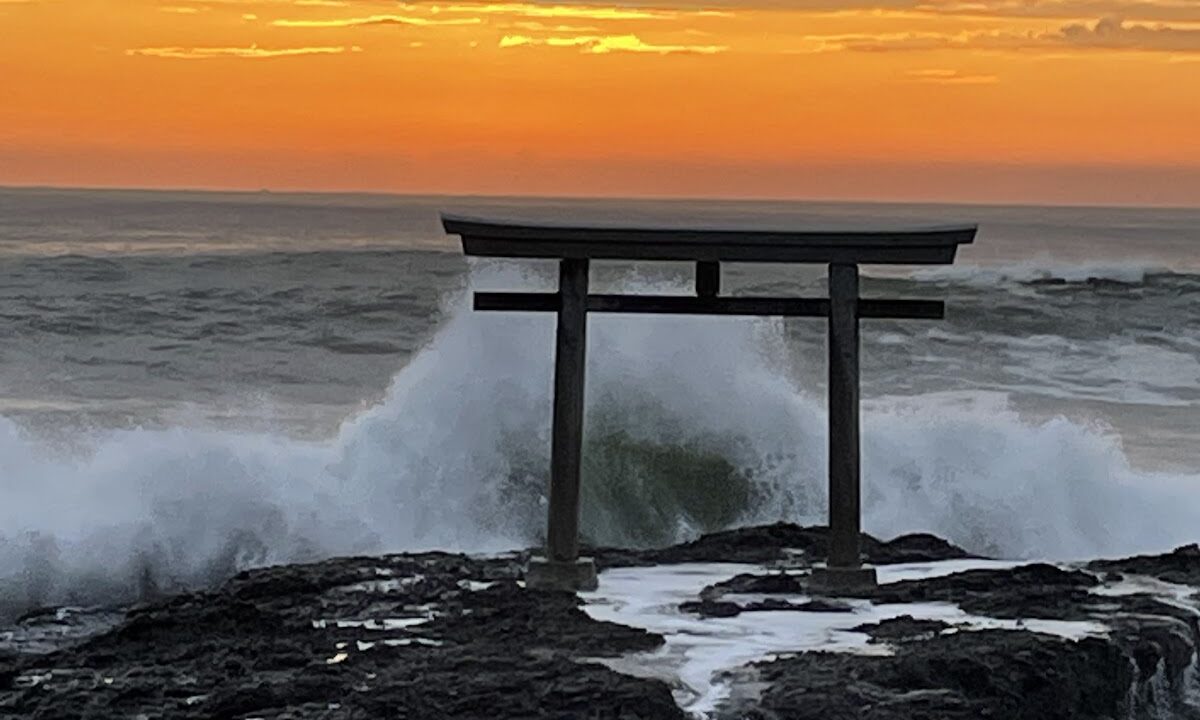
Oarai Isosaki Shrine is a historic shrine founded in the Heian period, located at 6890 Isohama-cho, Oarai-machi, Higashiibaraki-gun, Ibaraki Prefecture. The shrine buildings stand on a hill overlooking the Pacific Ocean, and the “Kamiiso Torii Gate” standing amidst the waves is known as one of Ibaraki Prefecture’s most representative scenic spots.
It is listed as a Shikinaisha (Myojin Taisha), formerly a National Shrine of the second rank, and is currently a Special Shrine of the Association of Shinto Shrines, making it one of Ibaraki Prefecture’s leading power spots, attracting many worshippers from all over Japan. It is particularly famous as a spot for viewing the first sunrise of the year, and tens of thousands of worshippers flock to the shrine on New Year’s Day.
Location and Basic Information
Location: 6890 Isohama-cho, Oarai-machi, Higashiibaraki-gun, Ibaraki Prefecture
Phone Number: 029-267-2637
FAX: 029-267-7557
Visiting Hours: Grounds are freely accessible (Shrine office is open from 8:30 AM to 5:00 PM)
Parking: Available (Available from sunrise to 7:00 PM)
Deities and Blessings
Main Deity
Oarai Isosaki Shrine enshrines two deities.
Ōnamuchi-no-Mikoto
Also known as Ōkuninushi-no-Mikoto, this is the god of nation-building. He is also famous as the main deity of Izumo Taisha Shrine and is believed to bring blessings for matchmaking, business prosperity, and abundant harvests.
Sukunahikona-no-Mikoto
A small deity who, along with Ōkuninushi-no-Mikoto, helped build the nation. He is worshipped as the god of medicine, hot springs, and sake brewing. He is known for granting blessings of healing from illness and promoting health and longevity.
Main Blessings
The following blessings are worshipped at Ōarai Isomae Shrine:
- Healing from illness and longevity: Divine virtue of Sukunahikona-no-Mikoto as a god of medicine
- Family safety and protection from misfortune and good fortune: As a god who protects people from disaster
- Matchmaking and marital harmony: Divine virtue of Onamuchi-no-Mikoto for matchmaking
- Business prosperity and success: Divine virtue as a god of nation-building
- Safe childbirth and child-rearing: As a god who protects and nurtures life
- Maritime safety and safe voyages: As a guardian deity of the sea due to its location facing the ocean
History of Oarai Isomae Shrine
Origin of its founding
The founding of Oarai Isomae Shrine dates back to December 29, 856 (Saiko 3) in the early Heian period. According to the “Nihon Montoku Tenno Jitsuroku” (Chronicle of Emperor Montoku of Japan), the coast of Oarai Isomae in Kashima District, Hitachi Province, suddenly shone brightly, and it is said that the two gods, Onamuchi-no-Mikoto and Sukunahikona-no-Mikoto, descended upon it.
At that time, it was believed that gods descended to save the people suffering from disasters and epidemics. The governor of Hitachi Province received a divine oracle and constructed the shrine, marking its beginning. The place where these gods descended is the rocky reef now known as “Kamiiso,” and the torii gate standing there is known as the “Kamiiso Torii.”
Changes in the Medieval Period
From the Heian period to the Kamakura period, Oarai Isomae Shrine flourished as a powerful shrine in Hitachi Province. It was listed as a Myojin Taisha (a major shrine) in the Engishiki Jinmyocho (a list of shrines compiled in the Heian period) as “Oarai Isomae Yakushi Bosatsu Myojin Shrine in Kashima District, Hitachi Province,” and was highly regarded by the imperial court.
However, during the Eiroku era of the Sengoku period (1558-1570), the shrine buildings were destroyed by fire due to war, and it fell into disrepair for a time. During this period, the shrine’s rituals were often interrupted, and its former grandeur was lost.
Restoration by Tokugawa Mitsukuni
During the Edo period, Tokugawa Mitsukuni (known as Mito Kōmon), the second lord of the Mito domain, began the restoration of the dilapidated Ōarai Isomae Shrine. When Lord Mitsukuni visited Ōarai, he was deeply impressed by the shrine’s history and the magnificent coastal scenery, and decided to rebuild the shrine buildings.
By order of Lord Mitsukuni, the restoration project began, and after the reign of the third lord, Tokugawa Tsunajo, the shrine buildings seen today were completed in 1730 (Kyōhō 15). The main hall and worship hall built at this time are valuable cultural assets that convey the architectural style of the mid-Edo period.
Modern Era
Under the Meiji era’s shrine ranking system, it was ranked as a National Shrine of the second rank, and positioned as one of Ibaraki Prefecture’s representative shrines. After World War II, it became a Special Shrine of the Association of Shinto Shrines, and continues to attract many worshippers to this day.
In recent years, Oarai Town has gained attention as the setting for the anime “Girls und Panzer,” leading to an increase in younger visitors. The shrine is now cherished as a place where tradition and new culture blend.
Highlights of the Shrine Grounds
Kamiiso Torii Gate
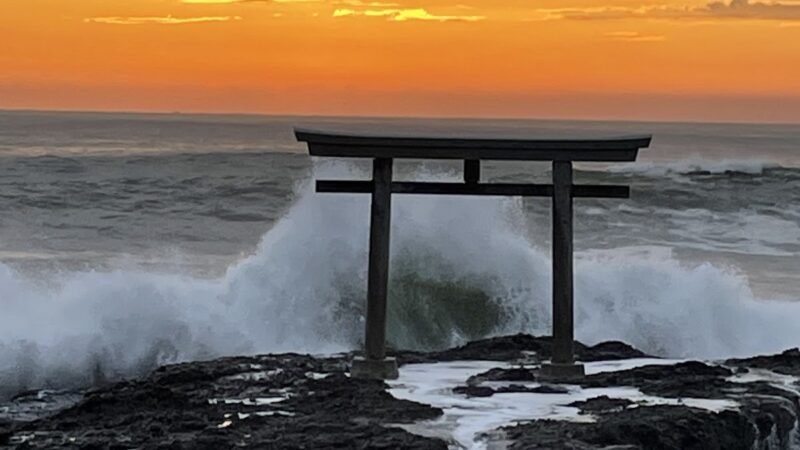
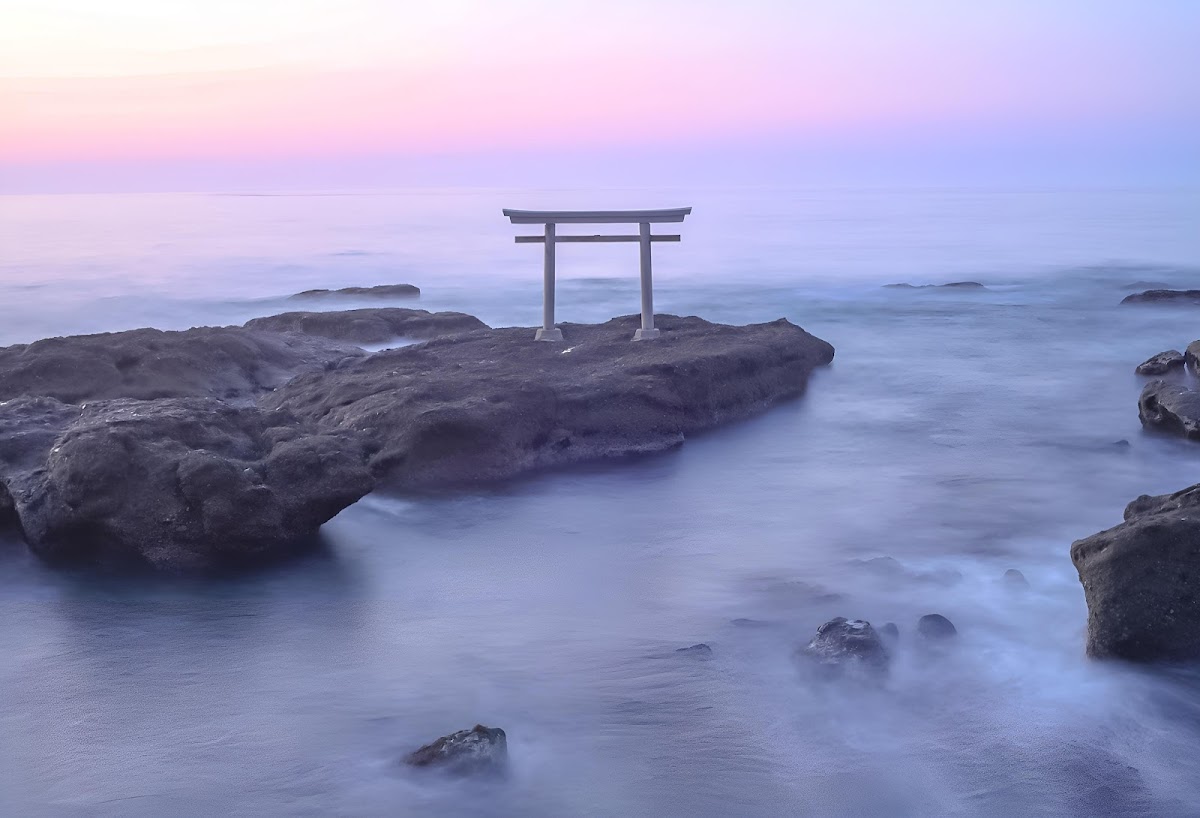
The greatest symbol of Oarai Isomae Shrine is the “Kamiiso Torii Gate,” standing on a rocky outcrop battered by the rough waves of the Pacific Ocean. This gate stands on Kamiiso, a sacred site where it is said that Ōkuninushi-no-Mikoto and Sukunahikona-no-Mikoto descended in 856 AD.
The torii gate, standing in the sea, is washed by waves at high tide and can be approached by walking along the rocky shore at low tide. Especially at sunrise, the sun rising through the gate creates a divine spectacle, attracting many photographers and worshippers.
Around the winter solstice, a breathtaking view can sometimes be seen where the sun rises directly through the center of the torii gate—a phenomenon sometimes called “Diamond Oarai,” a play on “Diamond Fuji.” ### Main Shrine and Worship Hall
The shrine buildings stand on a hill overlooking the sea, and the main shrine is a simple thatched-roof structure. Completed in 1730 (Kyoho 15), this main shrine retains many characteristics of mid-Edo period shrine architecture and is designated as a cultural property of Ibaraki Prefecture.
The worship hall is located in front of the main shrine and is a beautiful building adorned with vibrant carvings. The dragon carvings on the front of the porch and the decorations on the pillars are particularly magnificent, demonstrating the high level of craftsmanship of the time.
Zuishinmon Gate
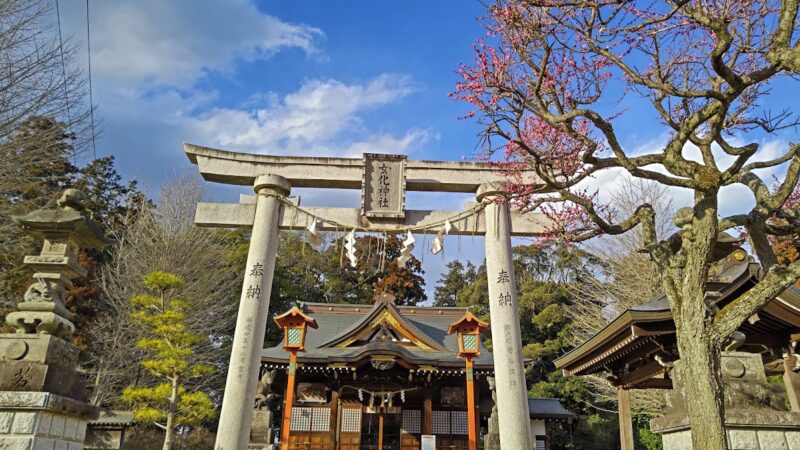
The Zuishinmon Gate, standing at the entrance to the shrine grounds, is a magnificent vermilion-painted gate with guardian deity statues on either side. Passing through this gate, a stone staircase leads to the worship hall.
Large Torii Gate and Approach
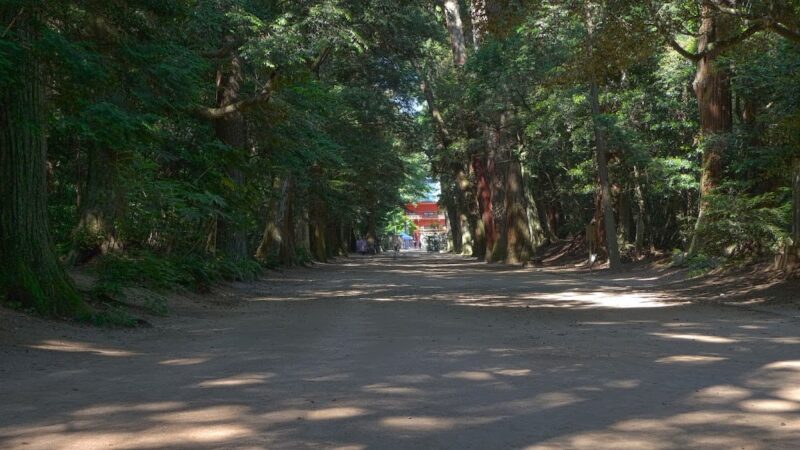
A large stone torii gate stands on the approach leading from the road along the coast to the shrine grounds. From this torii gate, approximately 50 stone steps lead to the shrine building. Lanterns line both sides of the steps, creating a solemn atmosphere.
Sacred Tree
Several ancient trees, over several hundred years old, stand within the shrine grounds, enhancing the sacred atmosphere. The sacred tree near the main hall, in particular, is a popular power spot for visitors.
Subsidiary Shrines
Several subsidiary shrines are located within and around the grounds of Oarai Isomae Shrine.
Shizu Shrine
A subsidiary shrine located within the grounds, worshipped as the god of weaving.
Daijingu Shrine
A subsidiary shrine dedicated to Amaterasu Omikami, also serving as a place of worship for Ise Grand Shrine.
Suijin Shrine
Dedicated to the god of water, this is a place to pray for maritime safety and the prosperity of fishing.
It is believed that visiting these subsidiary shrines along with the main shrine will bring even greater divine blessings.
Annual Festivals
Oarai Isomae Shrine holds various festivals throughout the year.
Main Annual Events
New Year’s Day Festival (January 1st)
A festival celebrating the New Year. It is bustling with people who come to the torii gate at Kamiiso to watch the first sunrise of the year.
Grand Festival (August)
The most important festival at the shrine, featuring a portable shrine procession and other events.
Joint Festival with Sakatsura Isomae Shrine
Oarai Isomae Shrine is a sister shrine to Sakatsura Isomae Shrine in Hitachinaka City, and joint festivals are held.
Monthly Festival
Regular festivals held on the 1st and 15th of each month.
Life Cycle Rites
Oarai Isomae Shrine also accepts the following life cycle rituals:
- First Shrine Visit: Reporting the birth of a baby to the gods and praying for healthy growth.
- Shichi-Go-San (7-5-3 Festival): Celebrating a child’s growth and praying for future health.
- Exorcism Prayer: Praying for protection from misfortune during the unlucky year and for peace.
- Safe Childbirth Prayer: Praying for the health of the pregnant woman and fetus, and for a safe delivery.
- Family Safety Prayer: Praying for the health of the family and peace in the home.
- Traffic Safety Prayer: Blessing of the car, etc.
Advance reservations are not required, but contacting us in advance will ensure a smoother experience for groups.
Cultural Property
Ibaraki Prefecture Designated Cultural Property
Main Hall
The thatched-roof main hall, built in 1730 (Kyoho 15), is designated as a tangible cultural property of Ibaraki Prefecture. It is a valuable building that retains the characteristics of shrine architecture from the mid-Edo period.
Worship Hall
The worship hall, built at the same time as the main shrine, is also highly regarded as a beautiful building adorned with intricate carvings.
Historical Value
Oarai Isomae Shrine is a Shikinaisha (a shrine listed in the Engishiki Jinmyocho, a historical record of shrines) and has been highly valued as a Myojin Taisha (a major shrine) since ancient times. Furthermore, because its founding is recorded in the Nihon Montoku Tenno Jitsuroku (a historical record of Emperor Montoku), it is considered a historically important shrine.
Access Methods
Access by Train and Bus
Using the Kashima Rinkai Railway Oarai-Kashima Line
- Get off at “Oarai Station”
- Take the “Kaiyu-go” loop bus for approximately 15 minutes and get off at the “Oarai Isomae Shrine-shita” bus stop.
- Alternatively, walk for approximately 25 minutes.
Using the JR Joban Line
- Get off at “Mito Station”
- Take the Ibaraki Kotsu bus (route number 50) for approximately 30 minutes and get off at the “Oarai Shrine-mae” bus stop.
Access by Car
Via Higashi-Mito Road
- Approximately 15 minutes from Mito-Oarai Interchange
- Via National Route 51 towards Oarai Town
Via Kita-Kanto Expressway
- Approximately 30 minutes from Mito-Minami Interchange
- Via National Routes 50 and 51
From Tokyo
- Approximately 90-120 minutes via the Joban Expressway
Parking Information
Operating Hours: From sunrise to 7 PM
Capacity: Approximately 100 cars
Fee: Free (May be charged during peak seasons such as New Year’s)
During peak seasons such as the first sunrise of the year, the parking lot may be full from early morning. Temporary parking lots may be set up, but please consider using public transportation.
Access to Kamiiso Torii
Kamiiso Torii is located on the coast, about a 5-minute walk from the shrine. There is a path leading down from the shrine towards the sea; you can reach it by following the signs. Since you will be walking on rocky terrain, we recommend wearing non-slip shoes.
Nearby Tourist Attractions
Oarai Marine Tower
An observation tower located about a 5-minute drive from Oarai Isomae Shrine. Enjoy a panoramic view of the Pacific Ocean from the observation room 60 meters above ground.
Aqua World Ibaraki Oarai Aquarium
One of the largest aquariums in Japan. This aquarium boasts the largest number of shark species in Japan, and its dolphin and sea lion shows are also popular. It’s about a 10-minute drive from Oarai Isomae Shrine.
Oarai Coast
A beautiful beach with shallow sand. It’s bustling with swimmers during the summer.
Sakatsura Isomae Shrine
A sister shrine to Oarai Isomae Shrine, located in Hitachinaka City. Known for its beautiful groves of trees, it’s a popular power spot for matchmaking.
Oarai Town Shopping Street
Known as the setting for “Girls und Panzer,” it’s a pilgrimage site for anime fans. The shopping street features various merchandise shops and cafes.
Manners and Points for Visiting a Shrine
Proper Etiquette for Visiting a Shrine
- Bow before passing through the torii gate: A courtesy before entering the sacred area
- Walk along the edge of the path: The center is the path for the gods
- Purify yourself at the water basin: Left hand → Right hand → Mouth → Left hand
- Worship at the main hall: Two bows, two claps, one bow
Photography Manners
The torii gate at Kamiiso is a popular photo spot, but please note the following points.
- Please use tripods responsibly and avoid disturbing others.
- Please be considerate of others when it is crowded.
- Watch your step as the rocky areas are slippery.
- Do not approach on days with high waves.
Clothing Precautions
- Non-slip shoes are recommended when visiting the Kamiiso Torii gate.
- Take precautions against the cold due to the strong sea breeze.
- In summer, remember to take sun protection measures and stay hydrated.
Goshuin (Shrine Seals) and Amulets
Goshuin (Shrine Seals)
You can receive a Goshuin at the shrine office. The offering fee is usually 300 yen. Original Goshuin notebooks are also available, and those featuring the Kamiiso Torii gate design are popular.
Amulets and Items Offered
- Health Amulet: Amulet bestowed by the god of medicine.
- Matchmaking Amulet: For those seeking a good relationship.
- Traffic Safety Amulet: For safe driving and cycling.
- Academic Success Amulet: Popular among students taking exams.
- Wave Protection Amulet: A unique amulet for safety at sea.
The Charm of Oarai Isomae Shrine
A Powerful Spot with Spectacular Views
The greatest charm of Oarai Isomae Shrine lies in its unique location facing the Pacific Ocean and the one-of-a-kind scenery of the Kamiiso Torii gate standing in the sea. Especially at sunrise, a divine scene unfolds, allowing you to simultaneously feel the grandeur and sacredness of nature.
History and Tradition
This shrine boasts a long history dating back to the Heian period and has a solid history recorded in the “Nihon Montoku Tenno Jitsuroku” (Chronicle of Emperor Montoku). The historical episode of its restoration by Tokugawa Mitsukuni further enhances the value of this shrine.
Deities of Medicine and Health
Because it enshrines Ōkuninushi-no-Mikoto and Sukunahikona-no-Mikoto, deities of medicine and health, many worshippers visit to pray for recovery from illness and longevity. Even today, its divine virtues are revered by many.
Easy Access
Located approximately two hours by car from Tokyo and 30 minutes by bus from Mito Station, it’s easily accessible for day trips from the Tokyo metropolitan area. The surrounding area boasts numerous tourist attractions such as aquariums and beaches, making it easy to combine sightseeing with a visit to the shrine.
Summary
Ōarai Isomae Shrine is a representative shrine of Ibaraki Prefecture, possessing three main attractions: the breathtaking view of the Kamiiso Torii gate standing in the sea, its history dating back to the Heian period, and its reverence as a deity of medicine.
It is particularly known nationwide as a famous spot for viewing the first sunrise of the year, attracting tens of thousands of visitors on New Year’s Day. However, even visiting on a weekday morning or evening to avoid the crowds allows you to enjoy the magnificent view of the Pacific Ocean and the tranquil atmosphere of the shrine grounds.
When you visit Oarai Town, be sure to pay your respects at Oarai Isomae Shrine and experience the sacred atmosphere of this place where gods are said to have descended. The unique scenery created by the sea and the shrine will leave a deep impression on the hearts of visitors.
Located at 6890 Isohama-cho, Oarai-machi, Higashiibaraki-gun, Ibaraki Prefecture, Oarai Isomae Shrine is one of Japan’s leading power spots, where history and nature harmonize.