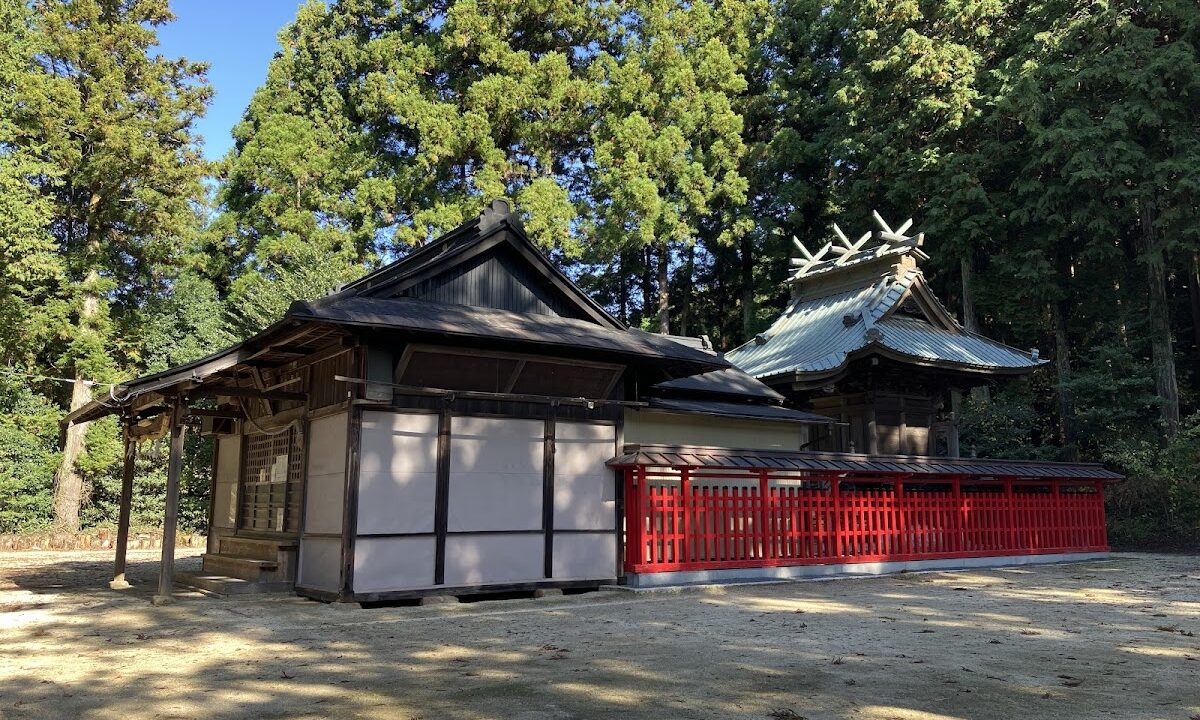
Complete Guide to Sansho Shrine (Kasama City, Ibaraki Prefecture) | History, Deities, Goshuin (Shrine Seal), and Access Information
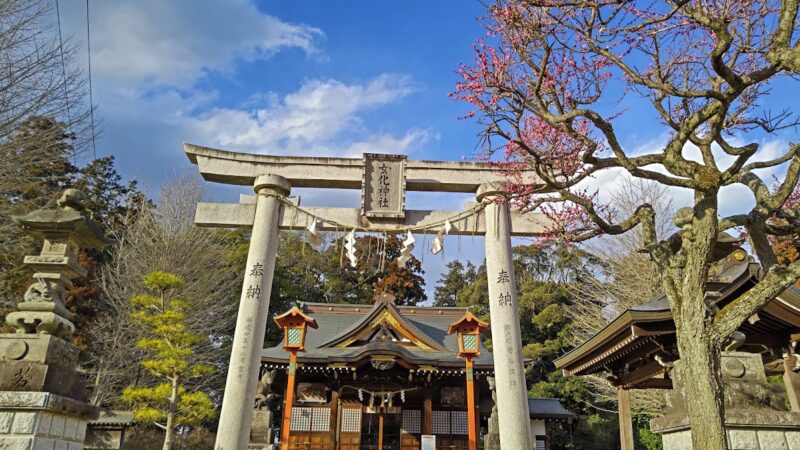
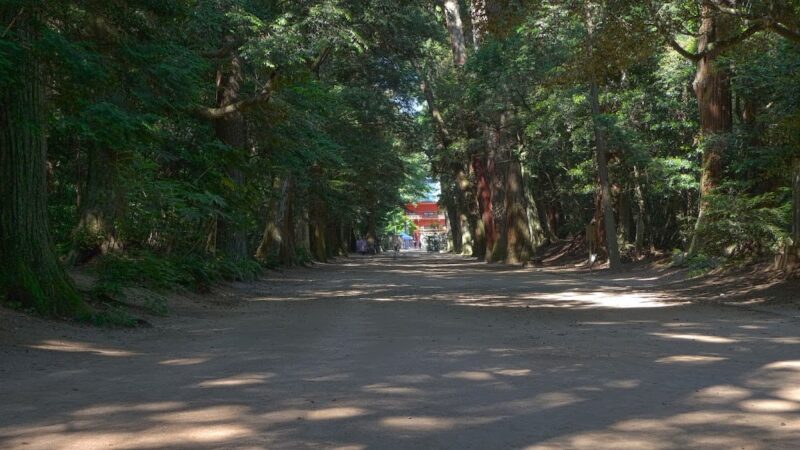
Sansho Shrine, located in the former Omachi district of Kasama City, Ibaraki Prefecture, is a historic shrine that has been revered by the local people for over 800 years as the guardian shrine of the Kasama Castle town. With deep ties to Utsunomiya Futara-yama Shrine and a history dating back to its founding by Fujiwara Tokitomo, the lord of Kasama Castle, this guide provides a detailed overview of the shrine, from its origins to its current form.
History and Origins of Sansho Shrine
Founding Circumstances and Origins in the First Year of the Jogan Era
The history of Sansho Shrine dates back to the Heian period. It is believed to have begun in the first year of the Jogan era (859), when the deity Mihotsuhime-no-kami was enshrined. This period was during the reign of Emperor Seiwa, a time when shrine development was progressing throughout Japan.
Fujiwara Tokitomo and the Invocation from Utsunomiya Futara-yama Shrine
The current form of Sansho Shrine dates back to the early Kamakura period. In 1215 (Kenpo 3), Fujiwara Tokitomo, who became the lord of Kasama Castle, invited a divided spirit from Utsunomiya Futara-yama Shrine (the present-day Utsunomiya Futara-yama Shrine), determined the sacred area through divination, and enshrined the deity.
As the first lord of Kasama Castle, Fujiwara Tokitomo, wishing for the prosperity and peace of his people, transferred the principal deity of the highly prestigious Futara-yama Daimyojin, Okuninushi-no-Okami, and built three main shrine buildings. This is why it came to be respectfully called “Sansho Shrine” or “Sansha Daimyojin.”
Role as the Guardian Shrine of Kasama Castle Town
From the medieval to the early modern period, Sansho Shrine was deeply revered by both the lord of Kasama Castle and its people, playing an important role as the guardian shrine of Kasama Castle town. The shrine has a long history of being deeply revered by successive lords of Kasama Castle and functioning as a spiritual pillar of the castle town.
Deities and Divine Virtues
Main Hall Center: Okuninushi-no-Okami
Okuninushi-no-Okami is enshrined as the principal deity in the center of the main hall. Known also as the principal deity of Izumo Taisha Shrine, Okuninushi-no-Okami is widely worshipped as the god of nation-building and as the god of matchmaking.
Okuninushi-no-Okami’s divine virtues are wide-ranging, and he is revered as a guardian deity for all aspects of people’s lives, including industrial development, abundant harvests, business prosperity, good fortune and protection from evil, protection from negative influences, and matchmaking.
Left Side Shrine: Kotoshironushi-no-Okami
Kotoshironushi-no-Okami is enshrined in the left side shrine. Kotoshironushi-no-Okami is the son of Okuninushi-no-Okami and is known as the god of oracles and the god of business prosperity. Sometimes identified with Ebisu, he is worshipped as a god who brings good fortune and prosperity.
Right Side Shrine: Takeminakata-no-Okami and Mihotsuhime-no-Okami
The right side shrine enshrines Takeminakata-no-Okami and Mihotsuhime-no-Okami. Takeminakata-no-Okami is known as the principal deity of Suwa Grand Shrine and is worshipped as a god of martial prowess and agriculture. Mihotsuhime-no-Okami is the consort of Okuninushi-no-Okami and is revered as a goddess of agriculture and fertility.
Because the deities of these three shrines are enshrined together, it is called “Sansha Daimyojin” or “Sansho Shrine,” and has attracted local faith as a shrine with comprehensive divine virtues.
Highlights of the Shrine Grounds
Main Hall and Shrine Architecture
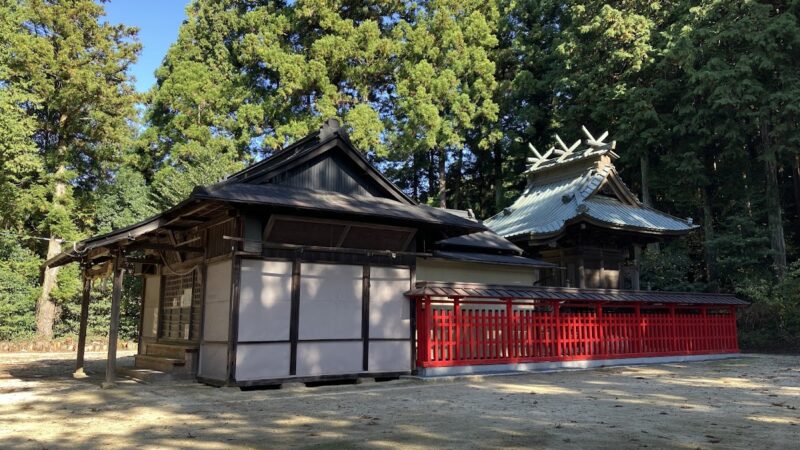
The main hall of Sansho Shrine has a distinctive structure that enshrines three deities. The arrangement of enshrining Ōkuninushi-no-Ōkami in the center and Kotoshironushi-no-Ōkami, Takeminakata-no-Ōkami, and Mihotsuhime-no-Ōkami on either side reflects the historical background of its connection to the Futara-san Shrine in Utsunomiya.
Shrine within the Precincts: Atago Shrine
Within the grounds of Sansho Shrine lies Atago Shrine, a subsidiary shrine. The enshrined deity is Kagutsuchi-no-Mikoto, worshipped as the god of fire. It is believed to offer protection against fire and misfortune, and is revered by the local people.
Relationship with Yasaka Shrine
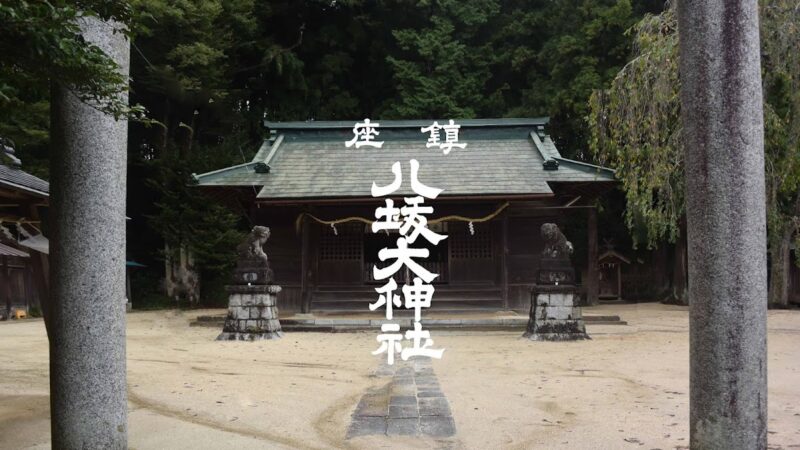
Yasaka Shrine is located right next to Sansho Shrine, and currently the same chief priest serves both. Yasaka Shrine also has deep ties to Futara-san Shrine, and the two shrines are closely related.
Their addresses are 344-1 (Yasaka Shrine) and 345 (Sansho Shrine) Kasama, Kasama City, Ibaraki Prefecture, and they are within walking distance of each other. When visiting, we recommend visiting both shrines together.
Goshuin (Shrine Seal) Information
Where to Obtain Goshuin
The goshuin for Sansho Shrine can be obtained at the shrine office of the adjacent Yasaka Shrine. Since the chief priest serves both shrines, you can obtain the goshuin for both shrines at Yasaka Shrine.
Characteristics of the Goshuin
The goshuin for Sansho Shrine reflects its history as the guardian shrine of Kasama Castle town and its origins as a branch shrine from Utsunomiya Futara-yama Shrine. Many visitors receive the goshuin as a memento of their visit and as proof of receiving divine blessings.
Precautions When Visiting
When obtaining a goshuin, it is customary to visit both Sansho Shrine and Yasaka Shrine first before visiting the shrine office. Since the shrine office may have opening hours or staff may be absent, we recommend contacting them in advance if you want to be sure to receive a goshuin.
Access and Transportation Information
Location
Address: 345 Kasama, Kasama City, Ibaraki Prefecture
Sansho Shrine is located in the central part of Kasama City, in the former Omachi district. It is close to Kasama Inari Shrine and the ruins of Kasama Castle, making it a convenient location to visit as part of a Kasama sightseeing trip.
Access by Train
Nearest Station: JR Mito Line, Kasama Station
- Walking from Kasama Station: Approximately 26 minutes (approximately 2,030m)
- Taxi from Kasama Station: Approximately 5-7 minutes
Kasama Station is on the Mito Line and can be accessed from Tomobe Station and Oyama Station. Walking from the station allows you to enjoy a stroll through the charming castle town of Kasama.
Access by Car
- Approximately 15 minutes from Tomobe IC on the Kita-Kanto Expressway
- Approximately 20 minutes from Iwama IC on the Joban Expressway
- Within walking distance of Kasama Inari Shrine (approximately 10 minutes)
There are public parking lots around Kasama Inari Shrine in Kasama City, so it is recommended to use them and explore on foot.
Parking Information in the Surrounding Area
While there is no large-scale parking lot specifically for Sansho Shrine, you can use public and municipal parking lots around Kasama Inari Shrine. A popular walking route involves parking near Kasama Inari Shrine as a base for sightseeing in Kasama, and then visiting Sansho Shrine, Yasaka Shrine, and Gessoji Temple on foot.
Nearby Tourist Spots
Yasaka Shrine
Located right next to Sansho Shrine, Yasaka Shrine also has deep ties to Utsunomiya Futara-yama Shrine. Visiting both shrines together allows you to more deeply experience the history of faith in the Kasama castle town.
Gesshoji Temple
Located on the way from Yasaka Shrine to Sansho Shrine, Gesshoji Temple is known for its beautiful appearance. Its architecture and atmosphere evoke the history of the Kasama district in Kasama City.
Kasama Inari Shrine
Kasama Inari Shrine, one of Japan’s three major Inari shrines, is within walking distance of Sansho Shrine. It’s one of Ibaraki Prefecture’s leading tourist spots, attracting over 3.5 million visitors annually, and is a central attraction for Kasama tourism.
Kasama Castle Ruins
Kasama Castle was built by Fujiwara Tokitomo and has deep ties to the founding of Sansho Shrine. Currently, stone walls and remains are preserved near the summit of Mt. Sabashiro, offering a panoramic view of Kasama city.
Kasama Craft Hill
This facility allows visitors to experience the pottery culture of Kasama City, known for its Kasama ware. Located about 10 minutes by car from Sansho Shrine, it’s a popular destination for tourists visiting in conjunction with sightseeing.
Annual Events and Festivals
Grand Festival
Throughout the year, various festivals are held at Misho Shrine. As the guardian shrine of Kasama Castle town, rituals praying for the peace and prosperity of the region are traditionally passed down.
Seasonal Festivals
Throughout the year, Shinto rituals deeply connected to agriculture, such as the spring Kinensai (Harvest Festival) and the autumn Niinamesai (Harvest Festival), are performed. This reflects the shrine’s character as a place of prayer for a bountiful harvest.
Manners and Points for Visiting the Shrine
Basic Visiting Etiquette
- Bow before passing through the torii gate
- Purify your body and mind at the water basin
- Bow twice, clap twice, and bow once in front of the main shrine
- Visit the subsidiary shrines within the grounds
- Bow once again at the torii gate when leaving
Recommended Visiting Time
Because Misho Shrine is located in a quiet residential area, visiting early in the morning or during the morning hours is especially recommended. You can visit the shrine slowly in a calm atmosphere. ### Regarding Photography
Photography is generally permitted on the shrine grounds, but consideration must be given to avoiding disturbing other visitors. There are areas where photography is prohibited, such as inside the main hall, so please follow the signs.
The Charm and Characteristics of Sansho Shrine
Historical Connection to Utsunomiya Futara-yama Shrine
The greatest characteristic of Sansho Shrine is its historical background: it was established through the enshrinement of a branch deity from Utsunomiya Futara-yama Shrine. Futara-yama Shrine in Utsunomiya City, Tochigi Prefecture, is a highly prestigious shrine as the Ichinomiya (first-ranked shrine) of Shimotsuke Province. The fact that its divided spirit was brought to Kasama speaks to the authority and deep faith of the lord of Kasama Castle at the time.
The Center of Faith for the Lord and People of Kasama Castle
For over 800 years, Sansho Shrine has functioned as the guardian shrine of the Kasama castle town, revered by both samurai and commoners. This history continues to be passed down as a faith of the local people today.
A Unique Shrine Form Enshrining Three Deities
The unique form of enshrining three deities (three or more gods) – Ōkuninushi-no-Ōkami, Kotoshironushi-no-Ōkami, and Takeminakata-no-Ōkami/Mihotsuhime-no-Ōkami – in a single shrine reflects the faith in Izumo-related deities and the desire for comprehensive protection of the region.
The History of Kasama City and Sansho Shrine
The Development of Kasama Castle Town
Kasama City developed as a castle town of Kasama Castle from the medieval to the early modern period. Sansho Shrine served as its spiritual center, watching over the prosperity of the castle town.
Modern Kasama City and the Shrine
While present-day Kasama City is a tourist city known for Kasama ware and Kasama Inari Shrine, Sansho Shrine remains a place of worship for local residents and is carefully preserved as a valuable cultural asset that conveys the history of Kasama to the present day.
Visitor Feedback and Reputation
Quiet and Peaceful Atmosphere
Many visitors appreciate the tranquil atmosphere of Sansho Shrine. In contrast to the bustling Kasama Inari Shrine, its peaceful environment is a major draw.
Historic Shrine Buildings
As a shrine with over 800 years of history, the grounds exude a sense of history. It’s especially recommended for those interested in the history of Kasama.
Combined Visit with Yasaka Shrine
Visiting both Sansho Shrine and the adjacent Yasaka Shrine is said to provide a more fulfilling experience. Visiting both shrines allows you to experience the history of shrine worship in Kasama.
Summary: Recommendation for Visiting Sansho Shrine
Sansho Shrine in Kasama City, Ibaraki Prefecture, is a prestigious shrine with over 800 years of history, dating back to 859 AD and established in 1215 AD by Fujiwara Tokitomo, the first lord of Kasama Castle, who invited the deity from Utsunomiya Futara-yama Shrine.
Sansho Shrine, which enshrines Ōkuninushi-no-Ōkami as its principal deity, along with Kotoshironushi-no-Ōkami, Takeminakata-no-Ōkami, and Mihotsuhime-no-Ōkami, is the guardian shrine of Kasama Castle town and is still revered by the local people today. It offers a variety of divine blessings, including industrial development, abundant harvests, business prosperity, good fortune and protection from evil, protection from negative influences, and matchmaking.
Located approximately 26 minutes on foot from JR Mito Line Kasama Station and within walking distance of Kasama Inari Shrine, it’s a must-visit spot for Kasama sightseeing. Visiting both the adjacent Yasaka Shrine and receiving a Goshuin (shrine stamp) will allow you to feel the depth of Kasama’s history and faith.
Why not calm your mind in the tranquil grounds and reflect on Kasama’s history, which spans over 800 years? Sansho Shrine is a hidden gem in Kasama City, allowing visitors to feel the weight of history and the blessings of the gods.