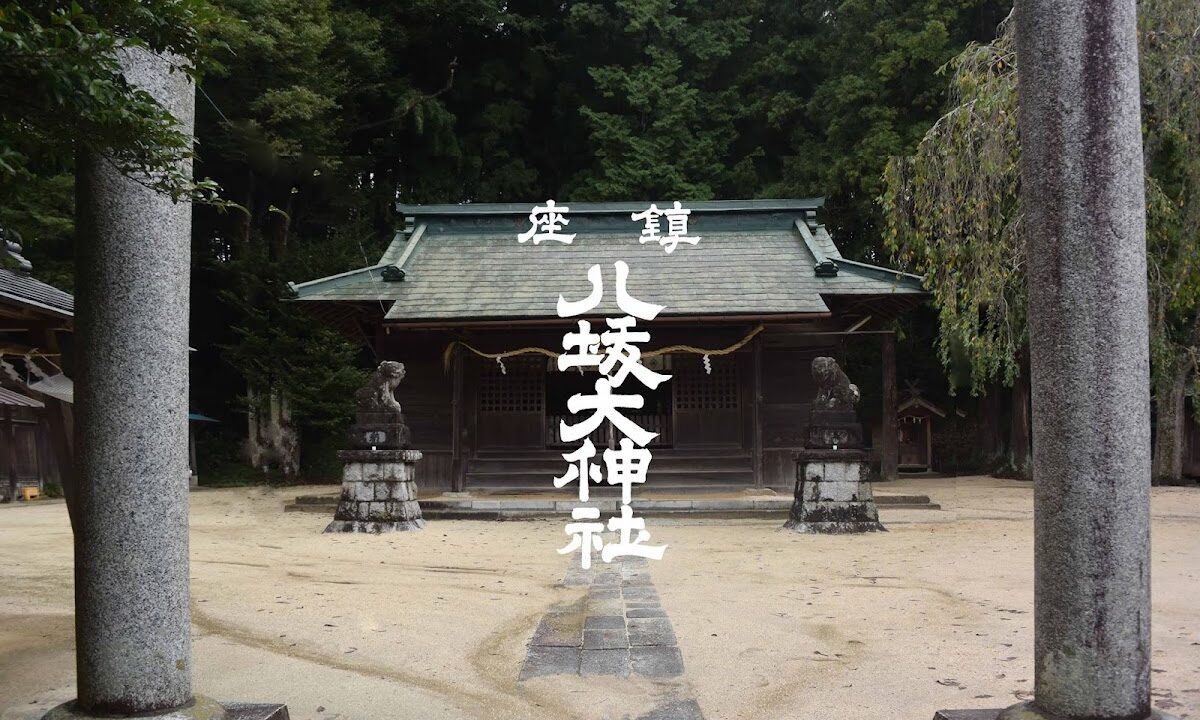
Yasaka Shrine (Kasama City, Ibaraki Prefecture) Complete Guide: 750-Year-Old Gion Festival and Goshuin (Shrine Seal) Information
Yasaka Shrine, located in the heart of Kasama City, Ibaraki Prefecture, is a venerable shrine boasting a history of approximately 750 years. Founded by the lord of Kasama Castle, it remains a beloved local shrine. This guide provides detailed information on its history, festivals, and visitor information.
Basic Information on Yasaka Shrine
Location and Access
Address: 344-1 (or 345) Kasama, Kasama City, Ibaraki Prefecture 309-1611
Yasaka Shrine is located in the former Omachi area of Kasama City, close to Kasama Inari Shrine. Despite being in the city center, it maintains a tranquil atmosphere.
Access
Access by Train:
- Approximately 22 minutes on foot (approx. 1.8 km) from JR Mito Line “Kasama Station”
- Approximately 5 minutes by taxi from Kasama Station
Access by Car:
- Approximately 15 minutes from Kita-Kanto Expressway “Tomobe IC”
- Approximately 20 minutes from Joban Expressway “Iwama IC”
There are several parking lots in the Kasama town area, and many visitors combine their visit with a visit to Kasama Inari Shrine.
Basic Data
- Corporate Number: 2050005002605
- Deity Enshrined: Susanoo-no-Mikoto
- Shrine Rank: Former Village Shrine
- Annual Festival: Yasaka Shrine Gion Festival (late July every year)
History and Origins of Yasaka Shrine
Founding History
The founding of Yasaka Shrine dates back to the Kamakura period, specifically the 6th year of Kenchō (1254). It is said to have begun when Lord Kasama Tokitomo, the lord of Kasama Castle at the time, relocated the Gozu Tenno Shrine, which was located in Tenno-mori, Onuki-go, Mogi, Shimotsuke Province (present-day Tochigi Prefecture), to Ishiihara Tennozuka in Ishii Village, within the Kasama territory.
Lord Kasama Tokitomo prayed for the eradication of serious illnesses among his people (the eradication of epidemics) and for the prosperity of the Kasama territory, and had the Gion Tenno Festival held in the summer. This is the origin of the current Yasaka Shrine Gion Festival.
From Gozu Tenno Worship to Yasaka Shrine
Initially, it was worshipped as Gozu Tenno Shrine, but due to the Meiji-era separation of Shinto and Buddhism, its name was changed to the current “Yasaka Shrine.” Gozu Tenno has been worshipped since ancient times as a god who wards off epidemics, and this worship was syncretized with the worship of Susanoo-no-Mikoto.
Relationship with Futarasan Shrine
Yasaka Shrine has a deep connection with Futarasan Shrine in Tochigi Prefecture. Due to the history of the shrine’s relocation, a historical connection with Shimotsuke Province (Tochigi Prefecture) remains, and this is an important element in understanding the shrine’s history.
Relationship with Sansho Shrine
Sansho Shrine, the General Guardian Shrine of Kasama
An essential aspect of discussing Yasaka Shrine is its relationship with Sansho Shrine, located in Kasama, Kasama City. Sansho Shrine, as the guardian shrine of Kasama, is known for its blessings related to industrial development, abundant harvests, business prosperity, good fortune and protection from evil, protection from negative influences, and matchmaking.
Concurrent Service by the Same Priest
Currently, Yasaka Shrine and Sansho Shrine are both managed by the same priest, and the distribution of amulets and seals (Goshuin) is mainly handled at the Yasaka Shrine office. The two shrines are within walking distance of each other, and many visitors visit both.
Benefits of Visiting Both Shrines
By visiting both Yasaka Shrine and Sansho Shrine, you can receive different blessings: protection from disease and evil, and blessings for abundant harvests and business prosperity. When visiting Kasama City, we highly recommend visiting both shrines.
Yasaka Shrine Gion Festival
Festival Overview
The Yasaka Shrine Gion Festival is a traditional event in Kasama City that has continued for approximately 750 years since its founding. Held annually in late July, the festival prays for the eradication of disease and the prosperity of the region.
One of the Three Heavenly Kings of Hitachi Province
Kasama’s Yasaka Shrine is counted as one of the “Three Heavenly Kings of Hitachi Province” and is known as a particularly prestigious center of Gion worship within Ibaraki Prefecture. The Three Heavenly Kings refer to the major shrines of Tenno (Gozu Tenno) worship in Hitachi Province (present-day Ibaraki Prefecture).
Characteristics of the Festival
The Gion Festival features traditional festival events such as the procession of portable shrines and floats. The entire community participates in making the festival a lively event, and it is a beloved summer tradition in Kasama City.
Historical Significance of the Festival
The Gion Festival, which has continued since the Kamakura period, is not merely a religious event but also an important cultural event that strengthens the bonds of the local community. The tradition, which has been passed down for over 750 years, can be considered a valuable cultural heritage of Kasama City.
Goshuin Information
Where to Obtain Goshuin
Goshuin (temple/shrine stamps) from Yasaka Shrine can usually be obtained at the Yasaka Shrine office. However, during special periods such as New Year’s, they may also be available at the Sansho Shrine’s main hall.
Features of the Goshuin
The Yasaka Shrine goshuin sometimes includes the words “Three Heavenly Kings of Hitachi Province” along with the shrine’s name, giving it a sense of historical prestige. The ink writing and red seal are beautifully harmonized, making it a fitting memento of your visit.
Simultaneous Issuance of Sansho Shrine’s Goshuin
When obtaining a goshuin at Yasaka Shrine, you can also receive a goshuin from Sansho Shrine, which is under the same jurisdiction. Collecting goshuin from both shrines will allow you to more deeply appreciate the history and faith of Kasama.
Manners When Obtaining a Goshuin
Goshuin are given as proof of your visit. Always complete your prayers before politely requesting one at the shrine office. Bringing your Goshuincho (stamp book) and having the offering fee (usually around 300-500 yen) ready will make the process smoother.
Highlights of the Shrine Grounds
Main Hall and Worship Hall
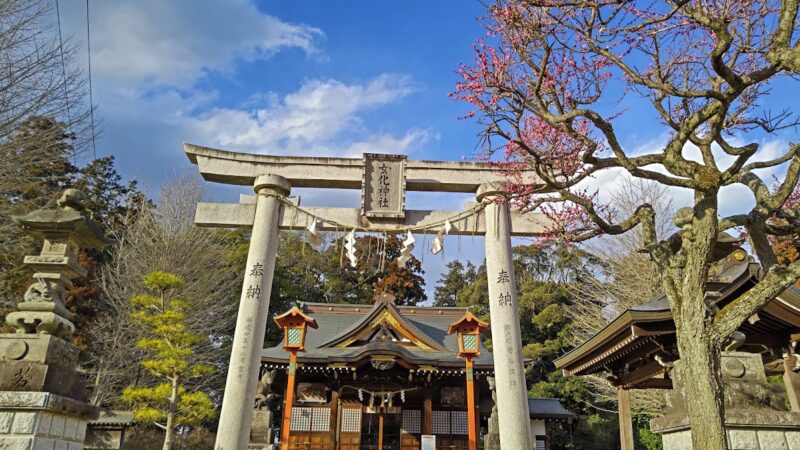
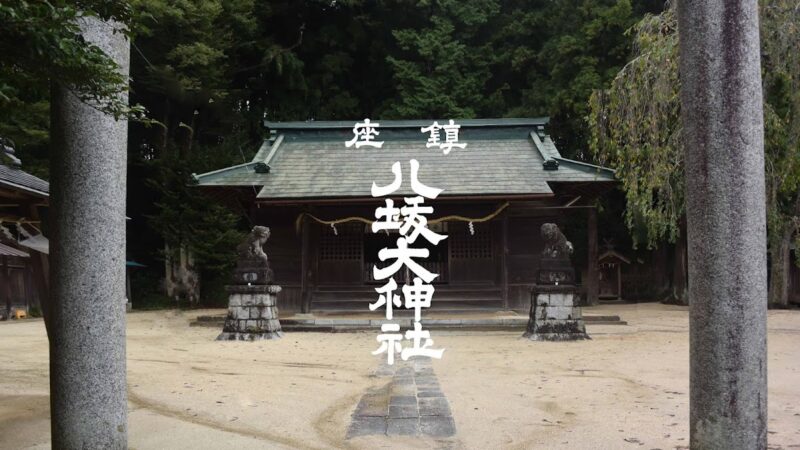
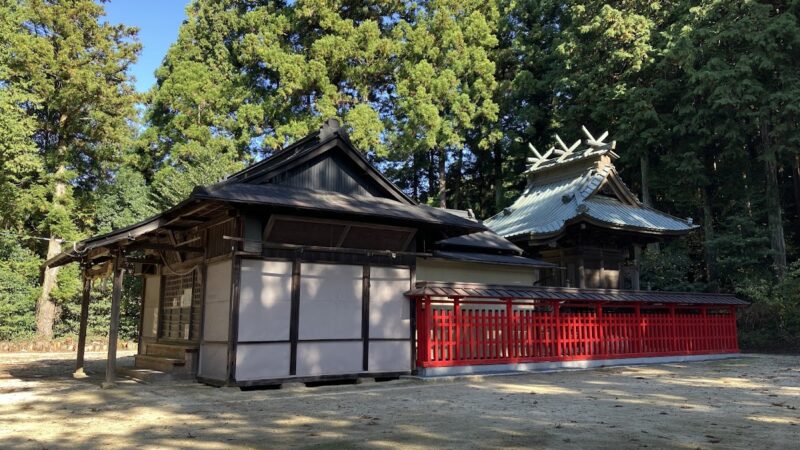
The main hall of Yasaka Shrine is built in the traditional style of shrine architecture, exuding a sense of historical weight. The worship hall, while simple, also has a dignified structure, providing a quiet space for worship.
Approach to the Shrine
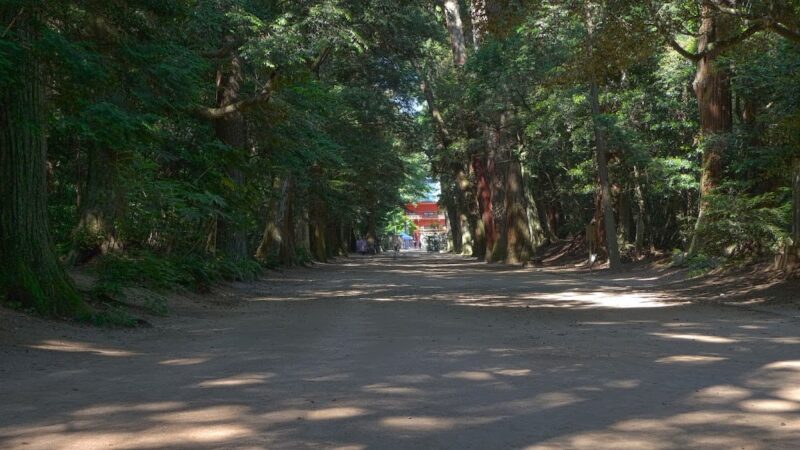
A well-maintained approach leads from the entrance to the shrine grounds to the main hall. Despite being in an urban area, stepping onto the approach allows you to feel a sacred space away from the hustle and bustle of everyday life.
Stone Monuments and Memorials
Throughout the shrine grounds are stone monuments and memorials that tell the history of Yasaka Shrine. These inscriptions reveal how the local people have cherished and protected the shrine for many years.
Deity and Blessings
Susanoo-no-Mikoto
The deity enshrined at Yasaka Shrine is Susanoo-no-Mikoto. Susanoo-no-Mikoto is a god appearing in Japanese mythology, known as the younger brother of Amaterasu-Omikami. He possesses both a fierce and unruly side, and a protective side that wards off epidemics.
Main Blessings
- Protection from Epidemics and Misfortune: The most important blessing is protection from epidemics, which was the purpose of the shrine’s founding.
- Good Health and Longevity: Prayers for health and recovery from illness.
- Protection from Disaster: Protection from various disasters.
- Business Prosperity: From a history of praying for the prosperity of the region.
- Family Safety: Safety and happiness of the family.
How to Worship
The basic way to worship at a shrine is “two bows, two claps, one bow.” Before passing through the torii gate, bow once, and purify your body and mind at the water basin before offering your prayers.
Spots to Visit in conjunction with sightseeing in Kasama City
Kasama Inari Shrine
Located within walking distance of Yasaka Shrine, Kasama Inari Shrine is a famous shrine known as one of Japan’s three major Inari shrines. Many worshippers visit throughout the year.
Kasama Castle Ruins (Sabashiyama Mountain)
Visiting the Kasama Castle Ruins is recommended to understand the historical background of the founding of Yasaka Shrine by the lord of Kasama Castle. From the mountaintop, you can enjoy a panoramic view of Kasama city.
Kasama Pottery Kiln Tour
Kasama City is a town famous for its Kasama ware pottery. There are many kilns and galleries where you can purchase works and enjoy pottery making experiences.
Kasama Art Forest Park
A vast park centered around the Ibaraki Prefectural Museum of Ceramic Art, this spot offers a chance to enjoy art and nature.
Annual Events and Festivals
Main Annual Events
- January: New Year’s Visit, New Year’s Festival
- February: Setsubun Festival
- Late July: Yasaka Shrine Gion Festival (Grand Festival)
- November: Shichi-Go-San Ceremony
- December: Great Purification Ceremony
Gion Festival Dates
The specific dates for the Gion Festival may change every year, so those planning a visit are advised to check with the Kasama City Tourism Division or the shrine in advance.
Notes and Manners for Visiting
Visiting Hours
While you can generally visit the shrine grounds freely, the reception hours at the shrine office are limited. Those wishing to obtain a Goshuin (shrine stamp) or amulet are advised to check in advance.
Photography
Photography is generally permitted on the shrine grounds, but may be restricted inside the main hall or during special festivals. When taking photographs, please be considerate of other visitors.
Regarding Attire
There are no specific dress code requirements, but please dress appropriately as this is a sacred place. For special events such as the Gion Festival, more formal attire is recommended.
Useful Information in the Surrounding Area
Parking Information
There is no large-scale parking lot dedicated to Yasaka Shrine, but there are public parking lots in Kasama city center and parking lots at Kasama Inari Shrine. Temporary parking lots may be set up during the Gion Festival.
Restaurants and Rest Facilities
Kasama city center has a variety of restaurants, including soba noodle shops, cafes, and other eateries. The area around Kasama Inari Shrine retains traces of its past as a prosperous temple town, and many long-established restaurants are scattered throughout.
Tourist Information Center
The Kasama City Tourist Information Center provides tourist information about the city, including Yasaka Shrine. Pamphlets and maps are available, making it convenient for planning an efficient sightseeing itinerary.
Contact Information
Yasaka Shrine / Sansho Shrine
- Address: 344-1 Kasama, Kasama City, Ibaraki Prefecture 309-1611
- Phone: Direct inquiries to the shrine can be made at the shrine office during your visit or through the Kasama City Hall Tourism Division.
Kasama City Hall Tourism Division
For inquiries regarding general tourism in Kasama City, including the Gion Festival schedule, please contact the Kasama City Hall Tourism Division. The latest information can also be found on the official website.
The Charm and Value of Visiting Yasaka Shrine
A Space Where You Can Feel the Weight of History
With a history of over 750 years, Yasaka Shrine embodies the history of Kasama City itself. The tradition of Gion faith, which has continued since the Kamakura period, is still passed down to the local people today.
A Quiet Worship Environment
Because it is not as crowded with tourists as Kasama Inari Shrine, it offers a peaceful environment for worship. This is especially recommended for those who want to slowly savor the atmosphere of a shrine.
Hidden Gems of Kasama Tourism
Many tourists visiting Kasama City come specifically for Kasama Inari Shrine, but visiting Yasaka Shrine as well allows for a deeper understanding of Kasama’s history and culture.
A Faith Rooted in the Community
Yasaka Shrine, still cherished by the local people, functions not only as a tourist spot but also as a living place of faith. During the Gion Festival, you can truly feel its connection to the community.
Model Course for Visiting Yasaka Shrine
Half-Day Course
- Arrive at Kasama Station (10:00 AM)
- Visit Kasama Inari Shrine (10:30 AM – 11:30 AM)
- Lunch in the Temple Town (11:30 AM – 12:30 PM)
- Visit Yasaka Shrine and Sansho Shrine (1:00 PM – 2:00 PM)
- Visit Kasama Pottery Galleries (2:00 PM – 3:30 PM)
- Return from Kasama Station (4:00 PM)
Full-Day Course
In addition to the half-day course, visiting Kasama Castle Ruins and Kasama Art Forest Park will allow you to experience the charm of Kasama City more deeply.
Summary: Experiencing Kasama’s History at Yasaka Shrine
Yasaka Shrine in Kasama City, Ibaraki Prefecture, is a venerable shrine with a history of over 750 years. Founded by the lord of Kasama Castle during the Kamakura period, Yasaka Shrine remains a cherished place for locals to pray for the eradication of disease and the prosperity of the region.
As one of the three most important shrines in Hitachi Province, it is a center of the prestigious Gion faith, and the Yasaka Shrine Gion Festival, held annually in late July, is an important traditional event in Kasama City. Visiting it along with Sansho Shrine will provide a more fulfilling pilgrimage experience.
Along with Kasama Inari Shrine and Kasama ware, Yasaka Shrine is a valuable spot to experience the history and culture of Kasama City. Why not spend some peaceful time in the tranquil grounds, feeling the weight of history?
When you visit Kasama City, be sure to visit Yasaka Shrine and experience the sacred space where 750 years of tradition breathes. Receiving a Goshuin (shrine stamp) and receiving blessings for the eradication of disease and protection from misfortune will refresh both your mind and body.