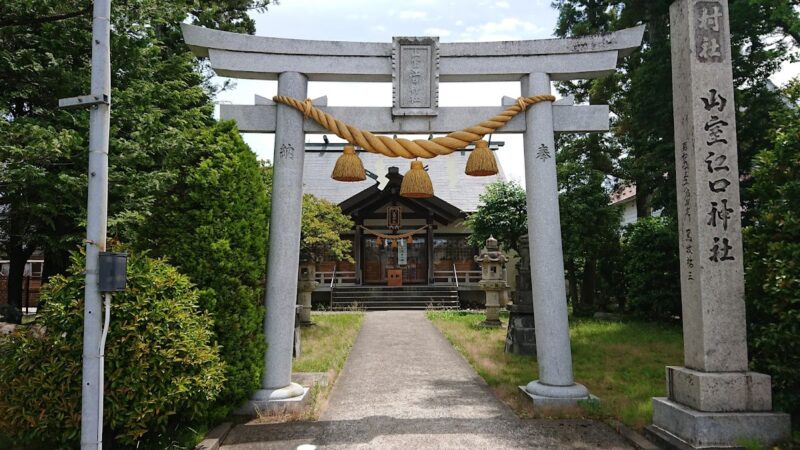
Yamamuro Eguchi Shrine (Toyama City, Toyama Prefecture) Complete Guide | History, Deities, Access, and Goshuin Information
About Yamamuro Eguchi Shrine
Yamamuro Eguchi Shrine is a shrine located at 178 Yamamuro, Toyama City, Toyama Prefecture. While there are 610 shrines in Toyama City, Yamamuro Eguchi Shrine is cherished by local residents as the guardian deity of the Yamamuro district and has played an important role as a spiritual pillar of the community since ancient times.
Toyama Prefecture as a whole has 2,266 shrines, and Toyama City boasts the highest number of shrines in the prefecture. Yamamuro Eguchi Shrine is one of them, a valuable presence that conveys the history and culture of the region to the present day.
History and Origins of Yamamuro Eguchi Shrine
Founding and Historical Background of the Shrine
There are various theories regarding the exact founding date of Yamamuro Eguchi Shrine, but according to old local records, it is believed to have been worshipped as the tutelary deity of the Yamamuro district since before the Edo period. The name “Eguchi” is said to originate from the fact that this area was once located near the mouth of the Jinzu River system.
The Toyama Plain has historically been blessed with fertile land due to the flooding of the Jinzu River, but it has also been a place of struggle against floods. Yamamuro Eguchi Shrine has been the center of faith for the local residents who have lived in harmony with nature, offering prayers for abundant harvests and protection from water-related disasters.
Deep Ties with the Community
The Yamamuro district is located in the eastern part of Toyama City and has long been a thriving agricultural area. Yamamuro Eguchi Shrine has held festivals closely linked to agricultural rituals, such as the spring harvest prayer festival and the autumn harvest thanksgiving festival. Local people have affectionately referred to this shrine as “Yamamuro no Omiya-san” for generations, and the custom of visiting it at important life events and seasonal changes has been passed down through generations.
Deities and Benefits
About the Main Deity
The deity enshrined at Yamamuro Eguchi Shrine is a god who has been revered since ancient times as the guardian deity of the region. Like many local shrines, it enshrines a god who protects the peace and prosperity of the region, and is revered by parishioners and worshippers.
Expected Benefits
The main benefits you can pray for at Yamamuro Eguchi Shrine include the following:
- Abundant Harvest and Business Prosperity: As the guardian deity of an agricultural area, prayers for a bountiful harvest and business prosperity.
- Family Safety: Prayers for the health and peaceful life of family members.
- Protection from Misfortune and Disaster: Protection from natural disasters such as floods.
- Community Safety: Peace and development of the entire parish area.
- Prosperity of Descendants: The continuation of the family line and the healthy growth of children.
Highlights of the Shrine Grounds
Shrine Buildings and Facilities
The grounds of Yamamuro Eguchi Shrine have a calm atmosphere befitting a shrine rooted in the community. The main hall and worship hall are at the center, surrounded by a purification fountain and shrine office, creating a sacred space for worship enveloped in a pure and clean atmosphere.
The shrine grounds are planted with trees that display different appearances in each season, allowing visitors to enjoy the beauty of nature throughout the year: cherry blossoms in spring, lush greenery in summer, vibrant autumn leaves, and snowscapes in winter.
Atmosphere of the Sacred Grounds
Although located in a residential area, stepping through the torii gate reveals a tranquil sacred space. The grounds, carefully maintained by local residents, provide a place of peace and tranquility, away from the hustle and bustle of everyday life.
Annual Festivals and Events
Major Festivals
Yamamuro Eguchi Shrine holds various festivals throughout the year:
Spring Grand Festival: An important festival held in spring, praying for a bountiful harvest and the prosperity of the region. Representatives of the parishioners and local residents attend, praying for peace throughout the year.
Autumn Grand Festival: A festival expressing gratitude for the autumn harvest and showing appreciation to the gods. We give thanks for the year’s harvest and offer prayers for the coming year.
Monthly Festival: A regular monthly festival, providing an opportunity to express gratitude for daily protection.
Involvement with Local Events
We play a central role in the local community, collaborating with neighborhood association events and children’s club activities in the Yamamuro district. Many local residents gather during seasonal events such as summer festivals and New Year’s visits, creating a place for intergenerational exchange.
Access Information
Location
Address: 178 Yamamuro, Toyama City, Toyama Prefecture 939-8006
Access by Public Transportation
By Train:
- Approximately 15-20 minutes by local bus or taxi from Ainokaze Toyama Railway “Toyama Station”
- Approximately 17 minutes on foot (approx. 1.3 km) from Toyama Chihō Railway “Koizumimachi Station”
By Bus:
- Approximately 5 minutes on foot from Toyama Chihō Railway Bus “Yamamuro” bus stop
Access by Car
By Expressway:
- Approximately 10 minutes from Hokuriku Expressway “Toyama IC”
- Approximately 15 minutes from central Toyama City via National Route 41
Parking: There is parking space for visitors on the temple grounds or nearby, but congestion is expected during festivals, so it is recommended to visit with plenty of time to spare.
Landmarks in the Surrounding Area
The Yamamuro area is a mixed residential and commercial area in eastern Toyama City. Nearby landmarks include the Toyama First Bank Toyama South Center Branch and the Koseki Hirono Shrine.
Manners and Points for Worship
Basic Worship Etiquette
- How to Pass Through the Torii Gate: Before passing through the torii gate, bow once. Since the center of the path is considered the path of the gods, proceed to either the left or right side.
- How to Wash Your Hands: Cleanse your body and mind at the water basin. Take the ladle with your right hand, wash your left hand, switch to your left hand and wash your right hand, switch back to your right hand, receive water in your left hand and rinse your mouth, and finally wash the handle of the ladle.
- Worship at the Main Hall: The basic etiquette is two bows, two claps, and one bow. Offer your donation, ring the bell, bow deeply twice, clap your hands twice, silently recite your wish, and finally bow once more.
Suitable Time for Visiting
Shrine visits are generally recommended during the daytime. Early mornings are recommended as the air is fresh and allows for peaceful worship. Visiting in the evening is also preferable for safety reasons, as it becomes dark.
Attire
While casual attire is acceptable, please dress neatly and cleanly. If receiving a prayer, formal attire is preferable.
Goshuin (Shrine Seals) and Other Items
About Goshuin
Regarding the issuance of Goshuin at Yamamuro Eguchi Shrine, it is recommended to check in advance. Many shrines issue Goshuin at the shrine office, but staff may not always be present, so prior contact is recommended if you wish to receive one.
It is important to understand the true meaning of Goshuin – that they are proof of worship, not a stamp rally – and to receive them with respect.
Amulets and Offerings
Shrines often offer various amulets and talismans. Amulets are given to fulfill various wishes, such as family safety, traffic safety, and academic success.
The Shrine Culture of Toyama City and the Position of Yamamuro Eguchi Shrine
Overview of Shrines in Toyama City
Toyama City, Toyama Prefecture, has 610 shrines, accounting for approximately 27% of the 2,266 shrines in Toyama Prefecture as a whole. This is due not only to Toyama City’s large population as the prefectural capital, but also to its vast area resulting from mergers.
Representative shrines in Toyama City include:
- Hie Shrine (Sanno-san): Located in the heart of Toyama City, this shrine, affectionately known as “Sanno-san,” was revered by the Maeda family, the lords of the Toyama domain.
- Imizu Shrine: A prestigious shrine known as the main shrine of Etchu Province.
- Oyama Shrine: A central shrine of Tateyama worship.
And others.
Characteristics of Yamamuro Eguchi Shrine
Unlike other well-known shrines, Yamamuro Eguchi Shrine plays a unique role as a local guardian deity deeply rooted in the community. It’s not a tourist attraction, but rather a place of daily worship for local residents.
Such local shrines are important supporting the foundation of Japanese Shinto culture and play a role in strengthening community bonds.
Nearby Attractions and Tourist Spots
Characteristics of the Yamamuro District
The Yamamuro district is located in the eastern part of Toyama City and is an area where residential and commercial facilities harmoniously coexist. It has developed as a highly convenient area with good access to the city center.
Nearby Shrines and Temples
Koseki Hirono Shrine: A shrine located near Yamamuro Eguchi Shrine, which can be visited together.
Major Shrines in Toyama City: Shrines in the city center of Toyama City, such as Hie Shrine and Imizu Shrine, are about a 20-minute drive away.
Combining with Toyama Sightseeing
When visiting Yamamuro Eguchi Shrine during your Toyama sightseeing trip, you can combine it with the following tourist spots:
- Toyama Castle Ruins Park: A park where you can feel the history of Toyama City
- Toyama Glass Museum: A fusion of modern architecture and glass art
- Kansui Park: A park where you can enjoy beautiful waterside scenery
- Tateyama Kurobe Alpine Route: A representative tourist destination of Toyama (seasonal)
About Toyama Prefecture’s Shrine Culture
Characteristics of Shrines in Toyama Prefecture
Toyama Prefecture has 2,266 shrines, and their distribution is as follows:
- Toyama City: 610 shrines (the most in the prefecture)
- Nanto City: Many historical shrines such as Takase Shrine (Etchu Ichinomiya)
- Imizu City: Hojo-tsu Hachimangu Shrine, etc.
- Himi City, Uozu City, Namerikawa City: Each Shrine Has its Own Unique Culture
Tateyama Faith and Water Deities
Tateyama faith is indispensable when discussing the shrine culture of Toyama Prefecture. This mountain worship, which considers the sacred Mount Tateyama as its divine object, has influenced many shrines throughout the prefecture. Furthermore, due to its history of living alongside rivers such as the Jinzu River, Joganji River, and Shogawa River, a strong devotion to water deities is also characteristic.
Yamamuro Eguchi Shrine can be considered one such shrine where Toyama’s unique nature worship and regional faith are fused.
Precautions When Visiting the Shrine
Manners on the Shrine Grounds
- Maintain Silence: Please refrain from loud conversations and noise in the sacred area.
- Photography: Please follow instructions if photography is prohibited in certain areas, such as the main hall.
- Bringing Pets: It is generally discouraged to bring pets onto the shrine grounds.
- Smoking and Eating: Smoking and eating are generally prohibited on the shrine grounds.
- Take Your Trash Home: To keep the shrine grounds clean, please be sure to take your trash home with you.
Visiting During Festivals
During festivals such as the annual grand festival, general visitors may be allowed to attend, but consideration must be given to avoid disrupting the proceedings. Judgment is required regarding the timing of photography and offerings, etc., depending on the situation.
Frequently Asked Questions (FAQ)
Q1: Can I get a Goshuin (shrine stamp) at Yamamuro Eguchi Shrine?
A1: The availability of Goshuin depends on the opening hours of the shrine office. If you wish to be sure to receive a blessing, we recommend checking with the Toyama Prefectural Shrine Association or local information beforehand. Smaller shrines may not have a permanent staff member, so checking before visiting is essential.
Q2: Is there parking?
A2: There is parking space for visitors, but the number of spaces may be limited. Especially during festivals such as the annual grand festival, congestion is expected, so you may want to consider using public transportation.
Q3: Can I receive prayers or purification rituals?
A3: For various prayers, we recommend contacting the shrine in advance to confirm and make a reservation. Prayers related to life rituals such as the first shrine visit for a newborn, Shichi-Go-San (a traditional Japanese rite of passage for children), and exorcism may be available.
Q4: How crowded is it during New Year’s?
A4: As Yamamuro Eguchi Shrine is the local guardian shrine, it is visited by local residents during the first three days of the New Year. It is not as crowded as large shrines, but the morning of New Year’s Day is a relatively busy time for visitors.
Q5: How do I get there from Toyama Station?
A5: From Toyama Station, take a local bus to the “Yamamuro” bus stop and walk for about 5 minutes, or take a taxi for about 15-20 minutes. It’s about a 17-minute walk from Koizumi-machi Station on the Toyama Chihō Railway.
Q6: What are the deities enshrined at Yamamuro Eguchi Shrine?
A6: For detailed information about the enshrined deities, please refer to the Toyama Prefectural Shrine Association or local records. The shrine enshrines deities that have been revered as guardian deities of the region since ancient times.
Q7: Can I have a wedding ceremony here?
A7: Please contact the shrine directly regarding Shinto wedding ceremonies. As the local guardian deity, they may perform important life ceremonies.
Q8: I’d like to know about the history of the Yamamuro area.
A8: The Yamamuro area is a historical region in eastern Toyama City, where agriculture has flourished since ancient times. Yamamuro Eguchi Shrine is a shrine that has walked hand in hand with the history of this region. For more details, you can research local history at the Toyama City Library or the Local History Museum.
Summary
Yamamuro Eguchi Shrine is a community-oriented shrine located in Yamamuro, Toyama City, Toyama Prefecture. While not a glamorous tourist shrine, it plays a vital role as a place of daily worship for local residents and as a center of the community.
Among the numerous shrines—610 in Toyama City and 2,266 in Toyama Prefecture—each possesses its own unique history and role. Yamamuro Eguchi Shrine is one such example, preserving the history and culture of the region and serving as a spiritual anchor for its parishioners and worshippers.
If you have the opportunity to visit Toyama or the Yamamuro district of Toyama City, please consider visiting Yamamuro Eguchi Shrine and experiencing the wonderful aspects of Japan’s deeply rooted shrine culture. The time spent calming your mind in the tranquil grounds and praying for daily peace will surely be a memorable experience.
Visiting a shrine is not just a place to make wishes; it is a precious time to express gratitude to nature and the gods, and to reflect on oneself. We hope that your visit to Yamamuro Eguchi Shrine will be meaningful to you.