
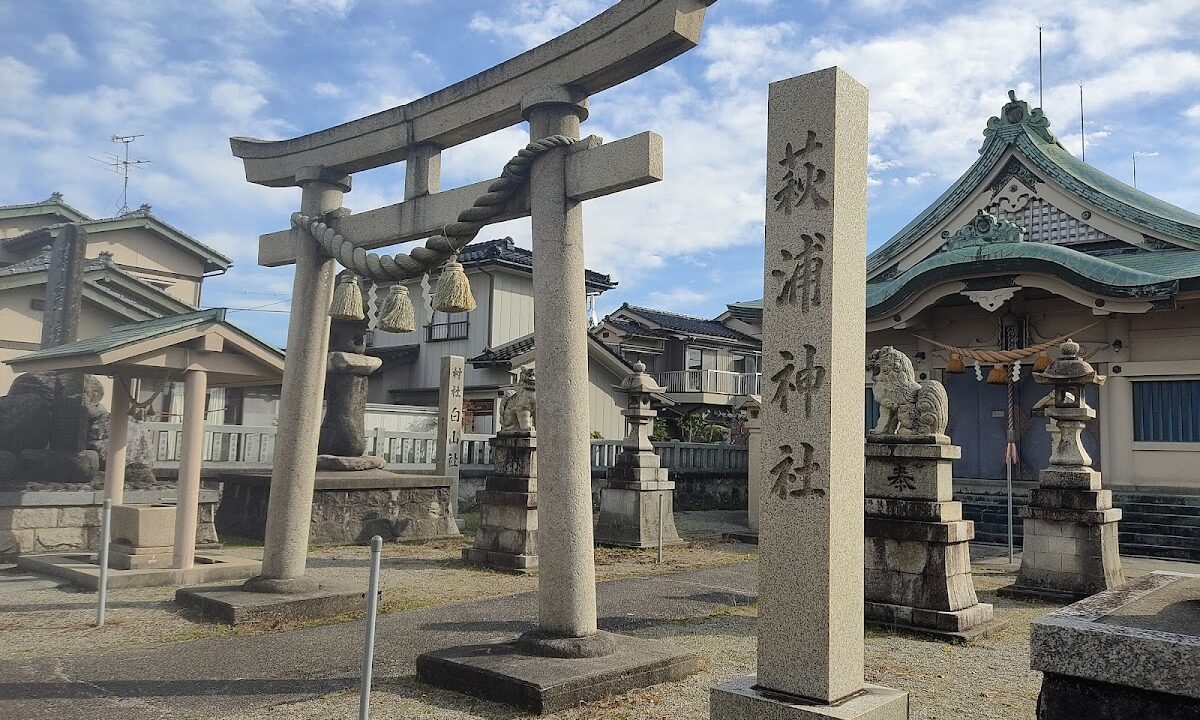
Complete Guide to Hagiura Shrine (Toyama Prefecture) | Thorough Explanation of Goshuin (Shrine Seals), Access, History, and Blessings
Hagiura Shrine, nestled in a quiet residential area of Toyama City, Toyama Prefecture, is a historical shrine deeply rooted in the community. Despite its convenient location within walking distance of Higashi-Iwase Station, this shrine maintains a peaceful and tranquil atmosphere, and has long been cherished by locals. This article comprehensively introduces information useful for visiting Hagiura Shrine, including its history, enshrined deities, goshuin information, access methods, highlights within the grounds, and annual events.
Basic Information on Hagiura Shrine
Location and Access
Hagiura Shrine is located at 121-10 Mori, Toyama City, Toyama Prefecture (some sources also list it as 4-3-28 Mori). The surrounding area is a quiet residential neighborhood, offering a peaceful environment away from the hustle and bustle.
Address: 121-10 Mori, Toyama City, Toyama Prefecture
Access from Nearest Station:
- Approximately 9 minutes on foot from Higashi-Iwase Station (Toyama Chihō Railway Toyama Port Line)
- Approximately 7 minutes on foot from Hagiura Elementary School Station
- Approximately 7 minutes on foot from Hasumachi Station
Access by Car:
Approximately 15 minutes by car from Toyama Station. Approximately 20 minutes from the Toyama Interchange on the Hokuriku Expressway. Parking is available around the shrine, but it is recommended to check details in advance.
Corporate Information
Hagiura Shrine is registered as a religious corporation, with corporate number 2230005000978. The corporate number was issued by the National Tax Agency on October 5, 2015. As a unit religious corporation under the jurisdiction of the prefectural governor, it continues to protect local faith.
History and Origins of Hagiura Shrine
Origins of the Shrine
While detailed records regarding the founding date of Hagiura Shrine are limited, it is believed to have a long history as a center of local faith in the Mori district of Toyama City. Many shrines in Toyama Prefecture have long been closely intertwined with the lives of residents as local guardian deities.
The place name Hagiura is presumed to originate from the fact that this area was once a bay (seaside) where hagi (bush clover) flowers bloomed. Given its location near Toyama Bay, it is possible that the faith also included prayers for safety at sea and abundant catches.
Role in the Community
Hagiura Shrine has served as the guardian deity of the Mori district, a spiritual anchor for local residents for generations. It has a history of receiving various wishes from people, such as for abundant harvests, family safety, and business prosperity. Even today, it is carefully preserved by local people, and seasonal festivals are held.
Deities and Benefits
Main Deity
Some sources indicate that Amaterasu Omikami is enshrined at Hagiura Shrine. Amaterasu Omikami is the supreme deity in Japanese mythology, a goddess who personifies the sun. She is also known as the ancestral deity of the Imperial family and is enshrined as the main deity in many shrines.
Benefits
Shrines that enshrine Amaterasu Omikami as the main deity generally offer the following benefits:
- Good Fortune and Prosperity: Enhancement of all kinds of luck
- Family Safety: Protection of family health and peace
- Business Prosperity: Development and success of business
- Protection from Evil: Protection from misfortune and personal protection
- Abundant Harvest: Prayers for bountiful harvests in agriculture and fishing
As a local guardian shrine, it is cherished as a place to visit at important life events and to express daily gratitude.
Highlights of the Shrine Grounds
Atmosphere of the Shrine Grounds
Despite being located in a residential area, the grounds of Hagiura Shrine are enveloped in a tranquil atmosphere. Surrounded by trees, the grounds offer a healing space where you can feel the changing seasons.
Shrine Buildings
The main shrine building is constructed in the traditional style of Shinto shrine architecture and is carefully maintained. Although not large in scale, it warmly welcomes visitors as a sacred place that supports the faith of the local community.
Subsidiary Shrines and Cultural Properties
In addition to the main shrine building, there may be subsidiary shrines and smaller shrines within the grounds. For detailed information on cultural properties, we recommend checking during your visit or contacting the Toyama Prefectural Shrine Association.
About Goshuin (Shrine Seals)
Issuance of Goshuin
Official information regarding the issuance of Goshuin at Hagiura Shrine is limited. Many small shrines do not have resident priests, and therefore may not issue Goshuin.
Those wishing to receive a Goshuin (temple/shrine stamp) are advised to check in advance using the following methods:
- Inquiry to the Toyama Prefectural Shrine Association: They manage information on shrines within the prefecture.
- Check during your visit: Information may be available at the shrine office or on the bulletin board.
- Issuance at nearby affiliated shrines: If the shrine is affiliated with another shrine, it may be issued there.
Manners when receiving a Goshuin
A Goshuin is not merely a commemorative stamp, but proof of your visit. Please observe the following manners:
- Complete your prayers before receiving the Goshuin.
- Prepare a Goshuincho (stamp book) (paper stamps may also be available).
- Prepare the offering fee (approximately 300-500 yen).
- Request using polite language.
- Wait quietly while the Goshuin is being written.
Annual Events and Festivals
Main Festivals
It is believed that various festivals are held throughout the year at Hagiura Shrine. Typical annual events at Shinto shrines include:
Spring Grand Festival (Spring)
- A festival to pray for a bountiful harvest
- Local residents gather, and Shinto rituals are performed.
Summer Purification Ceremony (End of June)
- A Shinto ritual to purify and cleanse away the impurities accumulated over the past six months
- Sometimes, a ritual of passing through a ring of reeds is performed.
Autumn Grand Festival (Autumn)
- A festival to give thanks for the harvest
- Held as an important annual event for the community.
Year-End Purification Ceremony (End of December)
- Purifying away the impurities of the year and preparing for the New Year.
First Shrine Visit of the Year (First three days of the New Year)
- Prayers for safety and peace in the New Year
- Many local residents visit.
For specific dates and details, we recommend contacting the shrine directly or checking the official website of the Toyama Prefectural Association of Shinto Shrines.
Etiquette and Manners for Visiting a Shrine
Basic Method of Visiting a Shrine
There are basic manners for visiting a shrine. When visiting Hagiura Shrine, please follow these steps:
1. Bow Before Passing Through the Torii Gate
- This is a greeting before entering the sacred area.
- Remove your hat and bow slightly.
2. Purify Yourself at the Water Basin
- Purify your left hand, then your right hand.
- Receive water in your left hand and rinse your mouth.
- Finally, purify the handle of the ladle.
3. Walk Along the Edge of the Path
- The center is considered the path of the gods.
4. Worship at the Main Hall
- Quietly place your offering in the offering box.
- Ring the bell if there is one.
- Bow twice, clap twice, and bow once.
- Recite your wish silently.
Attire for Visiting a Shrine
There are no specific dress code requirements, but please dress appropriately as this is a sacred place. It’s best to avoid extremely revealing clothing and sandals.
Nearby Tourist Attractions
Higashi-Iwase Area
The Mori district of Toyama City, where Hagiura Shrine is located, is close to the Higashi-Iwase area. This area has many attractive tourist spots.
Higashi-Iwase Townscape
- A historic townscape that flourished as a port of call for Kitamae ships
- You can stroll through the charming streets where old merchant houses and storehouses remain
- Accessible on foot
Toyama Port Observation Deck
- An observation spot offering a panoramic view of Toyama Bay
- Enjoy the spectacular view of the Tateyama mountain range and the sea
Kaiomaru Park
- A park where the sailing ship Kaiomaru is on display
- A popular spot for families
Major Shrines in Toyama City
Shrines in Toyama City that you should visit along with Hagiura Shrine:
Toyama Prefecture Gokoku Shrine
- A shrine dedicated to the war dead of Toyama Prefecture
- Located within Toyama Castle Park
Hie Shrine
- The main guardian shrine of Toyama City
- A shrine deeply connected to the history of Toyama
Imizu Shrine
- The Ichinomiya (first-ranked shrine) of Etchu Province, located in Takaoka City
- A prestigious ancient shrine
Connections with the Local Community
Parishioner Activities
Hagiura Shrine, as the local guardian shrine, is supported by its parishioners. They play a central role in the community, participating in activities such as cleaning the shrine grounds and preparing for festivals.
Collaboration with Local Events
Shrines function not only as places of worship but also as places for community interaction. During festivals, intergenerational exchanges occur, strengthening community bonds.
Shrine Culture in Toyama Prefecture
About the Toyama Prefectural Shrine Association
Shrines in Toyama Prefecture are overseen by the Toyama Prefectural Shrine Association. Information on shrines within the prefecture, festival schedules, and cultural property information can be found on the official website of the Toyama Prefectural Shrine Association.
Characteristics of Shrines in Toyama
Many shrines in Toyama Prefecture have a unique history and tradition, stemming from Tateyama mountain worship and the cultural background unique to the Hokuriku region. A strong sense of nature worship, characteristic of Toyama surrounded by the sea and mountains, also remains.
Precautions When Visiting the Shrine
Visiting Hours
While Hagiura Shrine is generally considered open for worship 24 hours a day, please refrain from visiting at night and be considerate of nearby residents.
Photography
Photography is generally permitted on the shrine grounds, but please note the following:
- Refrain from photographing inside the main hall.
- Be considerate of other worshippers in your photographs.
- Avoid using flash photography.
- Refrain from photography during festivals or obtain permission beforehand.
Pets
Regarding bringing pets to shrines, entry to the grounds is generally restricted. It is recommended to check in advance.
Contact Information
For detailed inquiries about Hagiura Shrine, please use the following methods:
Toyama Prefectural Shrine Association
- Provides comprehensive information on shrines in Toyama Prefecture
- Inquiries can be made through the official website
Direct Visit
- Please inquire directly if the shrine office is open
- If staff are absent, contact information may be posted on a bulletin board, etc.
Summary
Hagiura Shrine is a community-based shrine quietly nestled in a residential area of Toyama City, Toyama Prefecture. Its convenient location within walking distance of Higashi-Iwase Station and the tranquil atmosphere of its grounds are its main attractions.
While prior confirmation is necessary regarding information on Goshuin (shrine stamps) and detailed festival schedules, it is a historical shrine that has long been revered as the local guardian deity. When sightseeing in Toyama, please consider visiting the shrine in conjunction with a stroll through the townscape of Higashi-Iwase.
In its peaceful grounds, you can calm your mind, express your gratitude for the day, and pray for future peace. Hagiura Shrine warmly welcomes not only local residents but all visitors as a place to spend such peaceful time.
When visiting the shrine, please observe proper shrine etiquette, be considerate of the local community, and offer your prayers in peace and tranquility. Enjoy a moment of spiritual cleansing at Hagiura Shrine, nurtured by Toyama’s rich nature and history.


