Suwa Shrine (Ushijima-cho, Toyama City, Toyama Prefecture) Complete Guide | History, Access, and Visiting Information
The Suwa Shrine, located in Ushijima-cho, Toyama City, is a shrine that has long been revered as the local guardian deity. Despite its convenient location within walking distance of Toyama Station, it serves as a spiritual haven for local residents in a quiet residential area. This article provides detailed information you should know before visiting, including the history of the Suwa Shrine, its enshrined deities, how to worship, and access information.
Basic Information about Suwa Shrine
The Suwa Shrine is located at 7-7 Ushijima-cho, Toyama City, Toyama Prefecture. While there are several Suwa Shrines in Toyama City, the one in Ushijima-cho is particularly cherished as the local guardian deity.
Location and Contact Information
Address: 7-7 Ushijima-cho, Toyama City, Toyama Prefecture 930-0858
Ushijima-cho in Toyama City is located northwest of Toyama Station and is close to the city center. The surrounding area is a residential area, and it plays a central role in the local community.
Deities and Divine Virtues
The deities enshrined at Suwa Shrine are generally Takeminakata-no-kami and Yasakatome-no-kami. Suwa faith is a form of worship that originated at Suwa Grand Shrine in Nagano Prefecture and spread throughout Japan.
Takeminakata-no-kami is known as a god of great martial prowess and is believed to bestow the following divine virtues:
- Abundant Harvest: As the guardian deity of agriculture, prayers are offered for a bountiful harvest.
- Long-lasting Military Fortune: Grants strength to face challenges and difficulties.
- Good Fortune and Prosperity: Improves luck and attracts good fortune.
- Family Safety: Protects the health and peace of the family.
- Business Prosperity: Prayers are offered for the development and success of businesses.
History and Origins of Suwa Shrine
Spread of Suwa Faith
Suwa faith is a form of Shinto originating from Suwa Grand Shrine in Shinano Province (present-day Nagano Prefecture). It spread throughout Japan, primarily among the samurai class, from the medieval to the early modern period. In particular, during the Sengoku period, warlords such as Takeda Shingen are known to have devoutly worshipped Suwa Myojin.
Many Suwa shrines have also been established in Toyama Prefecture, and have been worshipped as guardian deities of the region. The Suwa Shrine in Ushijima-cho is one of the shrines deeply rooted in the community within this tradition of Suwa faith.
Historical Background of Ushijima-cho, Toyama City
Ushijima-cho is located near the center of Toyama City and has been a place of human habitation since ancient times. During the Edo period, it developed as part of the Toyama Castle town, and after the Meiji Restoration, the urban area was formed along with modernization.
The Suwa Shrine has grown alongside this regional development, functioning as a center of faith for the residents. Even today, many worshippers visit during local festivals and annual events.
Highlights of the Shrine Grounds
Shrine Buildings and Grounds Layout
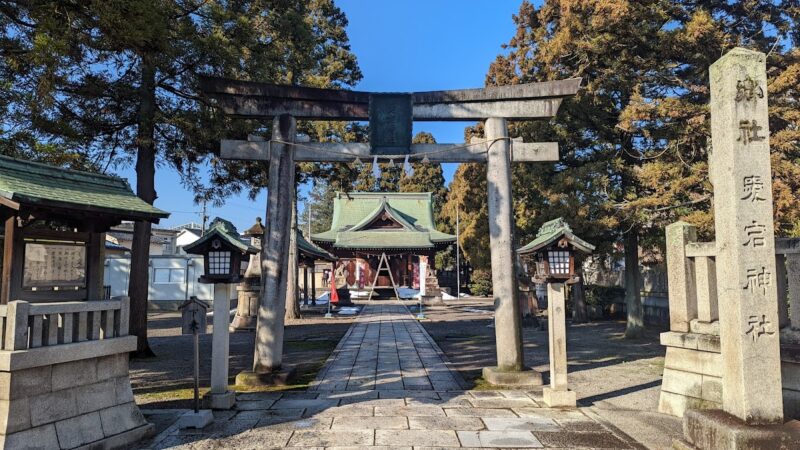
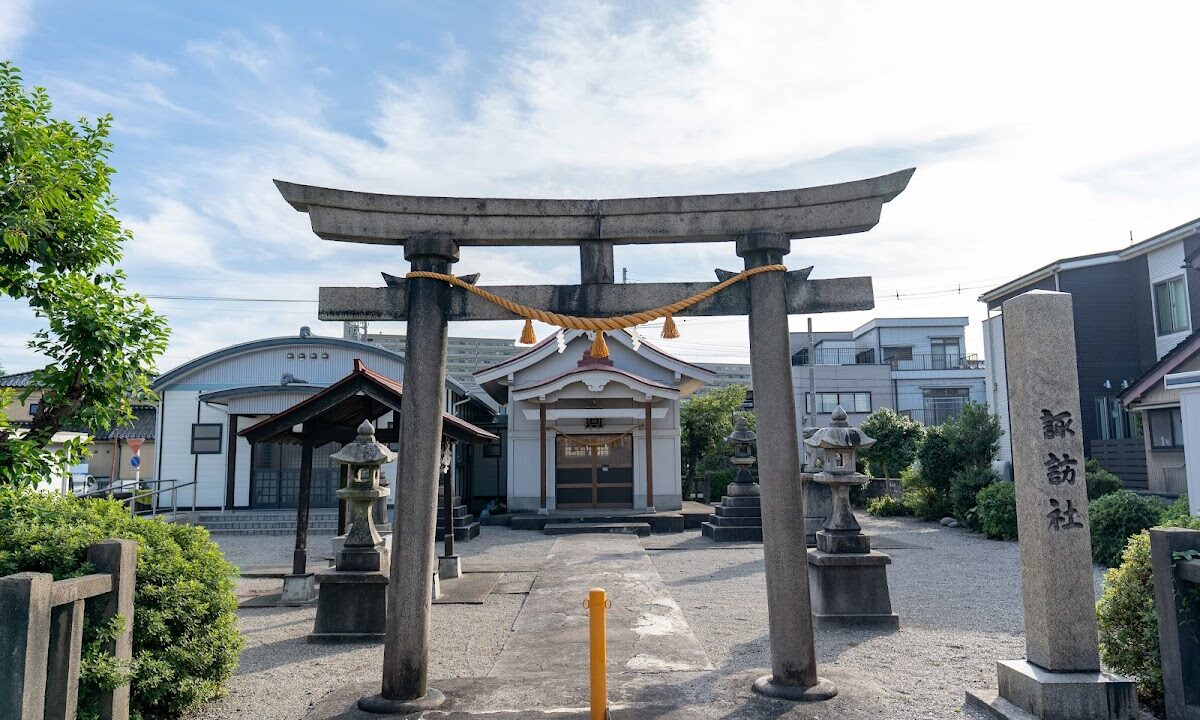
The grounds of the Suwa Shrine maintain a tranquil atmosphere despite being located in a residential area. Passing through the torii gate, the approach leads to the main shrine building.
Main facilities within the shrine grounds:
- Torii: A sacred gate marking the entrance to the shrine grounds.
- Temizuya: A place to purify oneself before worship.
- Haiden: The building where worshippers offer prayers to the gods.
- Honden: The most sacred place where the enshrined deity is worshipped.
- Shamusho: The building where the shrine is managed and operated.
Atmosphere and Characteristics of the Shrine Grounds
Suwa Shrine in Ushijima-cho is a shrine with a tranquil atmosphere despite its urban location. Trees are planted throughout the grounds, allowing visitors to experience the changing seasons. The grounds are particularly beautiful during the seasons of fresh greenery and autumn leaves.
As a community-oriented shrine, it is a place where local residents can be seen visiting regularly. People stop by during their morning walks, or worship before commuting to work, making it an integral part of local life.
How to Worship and Manners
Basic Worship Etiquette
There are certain manners to follow when visiting a shrine. When visiting Suwa Shrine, please observe the following basic manners:
1. How to pass through the torii gate
- Bow before passing through the torii gate
- Walk along the edge of the path, as the center is the path for the gods
2. How to perform the purification ritual
- Hold the ladle in your right hand and purify your left hand
- Switch the ladle to your left hand and purify your right hand
- Switch the ladle back to your right hand, receive water in your left hand, and rinse your mouth
- Finally, hold the ladle upright and purify the handle
3. How to bow (two bows, two claps, one bow)
- Quietly place your offering in the offering box
- Ring the bell if there is one
- Bow deeply twice
- Clap your hands twice at chest height
- Pray sincerely
- Bow deeply once
Attire and Mindset for Visiting the Shrine
While no special attire is required for visiting the shrine, clean and subdued clothing is desirable as a sign of respect for the gods. Furthermore, it is important to visit shrines with a calm mind and a feeling of gratitude.
About Goshuin (Shrine Seals)
Currently, it appears that Suwa Shrine in Ushijima-cho, Toyama City, does not offer Goshuin. If you wish to receive a Goshuin, it is recommended to check in advance.
There are many shrines in Toyama City that offer Goshuin, so those who enjoy visiting shrines may want to visit them along with other nearby shrines and temples.
Access Information
Access by Public Transportation
From Toyama Station
Suwa Shrine is within walking distance of Toyama Station and is easily accessible.
- Walking: Approximately 15-20 minutes from Toyama Station
- Tram: Take the Toyama Chihō Railway City Tram Line and walk from the nearest stop.
Toyama City has a well-developed tram system, making it convenient for getting around the city. There are several tram stops around Ushijima-cho, from which you can access the shrine on foot.
Access by Car
From the Hokuriku Expressway
- Approximately 15 minutes from Toyama IC
- Approximately 20 minutes from Toyama-Nishi IC
Located in the city center, entering “7-7 Ushijima-cho, Toyama City” into your car navigation system will guide you there.
Parking Information
We recommend checking before your visit whether there is parking space on the shrine grounds. There are also coin-operated parking lots nearby that you can use.
Annual Events and Festivals
Main Festivals
Suwa Shrine holds various festivals throughout the year. The main events at typical Suwa shrines are as follows:
January
- New Year’s Day Festival: A festival celebrating the New Year
February
- Setsubun Festival: A ritual to ward off evil spirits through bean-throwing, etc.
Spring
- Spring Grand Festival: A prayer for a bountiful harvest
Summer
- Summer Purification Ceremony: A ritual to cleanse oneself of the impurities accumulated over the past six months
Autumn
- Autumn Grand Festival: A festival to give thanks for the harvest
December
- Year-End Purification Ceremony: A ritual to cleanse oneself of the impurities accumulated over the past year
For specific dates and details, it is recommended to contact the shrine directly.
Other Suwa Shrines in Toyama City
In addition to the one in Ushijima-cho, there are several other Suwa shrines located within Toyama City.
Suwa Shrine (Suwagawara)
Location: 1-10 Suwagawara, Toyama City
This Suwa Shrine is located near Suwagawara Station on the Toyama Chihō Railway City Tram Line. It is also known for having the Toyama Prefectural Shrine Association on its grounds. It is relatively large in scale, and several smaller shrines are enshrined within its precincts.
Suwa Shrine (Shikata Nishi-Iwase)
Location: Shikata Nishi-Iwase, Toyama City
This Suwa Shrine is revered as the tutelary shrine of the Shikata Nishi-Iwase district. It is also managed by the Etchū Gokoku Hachiman Shrine, and many residents participate in local festivals.
Suwa Shrine (Mizuhashi Takadera)
Location: 109 Mizuhashi Takadera, Toyama City
This Suwa Shrine is located in the Mizuhashi district and has a long history intertwined with the region’s history.
Suwa Shrine (Yao-machi)
Location: 783 Tatehongo, Yao-machi, Toyama City
The Suwa Shrine is located in the Yao district, nestled in a rich natural environment in a mountainous area.
Nearby Attractions
Around Toyama Station
Within walking distance of Suwa Shrine, around Toyama Station, there are many tourist attractions:
- Toyama Castle Ruins Park: A park developed on the site of Toyama Castle
- Toyama City Local History Museum: A facility where you can learn about the history and culture of Toyama
- Toyama Glass Art Museum: A museum characterized by its modern architecture
- Toyama Prefectural Museum of Art: A museum adjacent to Kansui Park
Around the Jinzu River
A walking path is maintained along the Jinzu River, which flows through Toyama City, allowing for enjoyable strolls amidst nature. In spring, the cherry blossom trees are beautiful, attracting many citizens for cherry blossom viewing.
Nearby Shrines and Temples
Toyama City has many shrines and temples, making it a great place for shrine hopping:
- Hie Shrine: An ancient shrine known as the guardian shrine of Toyama City
- Etchu Ichinomiya Oyama Shrine: A central shrine of Tateyama worship
- Gokoku Shrine: A shrine dedicated to the war dead of Toyama Prefecture
- Soguruwa Temple Group: Historic temples scattered throughout the city
History and Culture of Toyama City
The Origins of Toyama
Toyama City is located in the center of the Toyama Plain and is blessed with the abundant waters of the Jinzu River. During the Edo period, it developed as a castle town of the Toyama Domain, a branch of the Kaga Domain.
The Toyama Domain was known for its pharmaceutical industry, and its “Etchu Toyama medicine sellers” became famous throughout Japan. This tradition continues today, and Toyama City is a hub of the pharmaceutical industry.
Modern Toyama City
Modern Toyama City has seen a significant improvement in access to the Tokyo metropolitan area with the opening of the Hokuriku Shinkansen, and is attracting attention as a tourist city. It is promoting a compact city policy and working towards sustainable urban development centered on public transportation.
With its well-developed public transportation network, including trams and light rail, it is recognized both domestically and internationally as an environmentally friendly city.
Points to Note When Visiting
Photography
Photography is generally permitted on the shrine grounds, but please note the following:
- Photography may be prohibited in sacred areas such as the interior of the main hall.
- Be considerate of other visitors.
- Commercial photography requires prior permission.
- When posting on social media, be careful not to include other visitors in your photos.
Visiting Hours
Shrines are generally open for worship 24 hours a day, but the shrine office has limited operating hours. If you wish to receive prayers or other services, it is recommended to check in advance.
Visiting in the early morning or evening allows you to offer your prayers in a quiet and peaceful atmosphere.
Connection with the Community
Role as the Guardian Deity
Suwa Shrine plays a central role in the local community as the guardian deity of Ushijima Town. During local festivals, the neighborhood association takes the lead in preparations, and residents cooperate in performing the Shinto rituals.
Through these activities, community bonds are deepened, and traditional culture is passed down to the next generation.
Participation in Local Events
Suwa Shrine is where prayers are offered for important life events such as Shichi-Go-San (a traditional rite of passage for children), Hatsumiyamairi (a first shrine visit for newborns), and exorcisms. For local residents, Suwa Shrine is a spiritual haven they visit at various stages of their lives.
Characteristics of Suwa Faith
Faith as a God of War
Suwa Myojin, revered as a god of martial prowess, has long been revered by the samurai class. During the Sengoku period (Warring States period), many warlords visited Suwa Shrine to pray for victory in battle.
Even today, many people visit the shrine for spiritual support when facing challenges and difficulties.
Worship as an Agricultural Deity
Suwa Myojin is also worshipped as a deity who controls water and wind, and has aspects of being a guardian deity of agriculture. The spring festival, praying for a bountiful harvest, and the autumn festival, giving thanks for the harvest, are important annual events at Suwa Shrine.
Guardian Deity of All Aspects of Life
In modern times, Suwa Myojin is widely worshipped as a guardian deity of all aspects of life, including family safety, business prosperity, and health and longevity. Many people visit the shrine to express gratitude for their peaceful daily lives and to pray for future happiness.
Shrine Culture of Toyama
Characteristics of Shrines in Toyama Prefecture
In Toyama Prefecture, mountain worship, including the Tateyama faith, remains deeply rooted. Furthermore, in coastal areas, there are many shrines dedicated to sea gods, and a form of worship characterized by a close connection between nature and people’s lives is a distinctive feature.
Shrines in Toyama City, while inheriting these traditional beliefs, also play a role as spiritual anchors in modern society.
Shrines and Local Communities
Shrines in Toyama have functioned as the heart of local communities. Through festivals and annual events, interaction among residents deepens, fostering a sense of community.
Even in today’s society, where the birthrate is declining and the population is aging, community activities centered around shrines play a crucial role in maintaining the community.
Summary
The Suwa Shrine in Ushijima-cho, Toyama City, has long been a tutelary shrine rooted in the community, attracting the faith of people throughout its history. Despite its convenient location within walking distance of Toyama Station, it maintains a quiet and peaceful atmosphere, providing solace to visitors.
Inheriting the traditions of Suwa faith, the Suwa Shrine offers various divine blessings, including military success, abundant harvests, and family safety. When visiting Toyama, why not pay a visit?
Suwa Shrine Spending time in quiet prayer while immersing yourself in the local history and culture will be a precious moment away from the hustle and bustle of everyday life. There are many other shrines and temples in Toyama City, so please enjoy visiting them and discover the charm of Toyama.
When visiting, please observe basic manners and approach the deities with reverence. We hope that Suwa Shrine will contribute to your peace of mind and happiness.