Mikata Shrine (Hyogo Prefecture) Complete Guide | Important Cultural Property Main Hall and Legends from the Harima Province Fudoki
Mikata Shrine, located in Morizoe, Ichinomiya-cho, Shiso City, Hyogo Prefecture, is an ancient shrine with a history of over 1200 years. It boasts the only nationally designated Important Cultural Property building in Shiso City, and is known as a venerable shrine whose origins are recorded in the Harima Province Fudoki.
History and Origins of Mikata Shrine
Founding Legend Recorded in the Harima Province Fudoki
The history of Mikata Shrine is ancient, and its origins are recorded in the section on Shiso District in the Harima Province Fudoki, compiled in the early Nara period. According to the Fudoki (ancient provincial gazetteer), there is a legend that Amenohiboko-no-Mikoto and Ashiharashikoo-no-Mikoto (another name for Okuninushi-no-Kami) competed for control of this land by throwing three black vines (tsuzura) at each other.
This legend gave rise to the place name “Mikata,” which became the origin of the shrine’s name. It is believed that Ashiharashikoo-no-Mikoto emerged victorious, leading to his enshrinement as the principal deity of this shrine.
Status as a Shikinaisha (Shrine Listed in the Engishiki)
Mikata Shrine is a Shikinaisha (minor shrine) listed in the Engishiki Jinmyocho (a list of shrines compiled in the Heian period), and was already a prestigious shrine recognized by the imperial court during the Heian period. Its former rank was Prefectural Shrine, and it has been revered as one of the important shrines in Harima Province.
Relocation to the Current Site
It is said that the shrine was relocated to its current site in the third year of the Hoki era (772). Located slightly north of the confluence of the Ibo River and the Kumon River, this shrine is situated in an area that has flourished since ancient times as a key point for water transport.
Deities and Divine Virtues
Main Deity: Ashiharashikoo-no-kami (Okuninushi-no-kami)
The main deity of Mikata Shrine is Ashiharashikoo-no-kami, which is another name for Okuninushi-no-kami. Okuninushi-no-kami is also known as the main deity of Izumo Taisha Shrine and is widely worshipped as the god of nation-building, matchmaking, and agriculture.
Divine Virtues
- Matchmaking and Marital Harmony: Due to the many connections made with the gods by Okuninushi-no-Kami.
- Business Prosperity and Abundant Harvests: Divine virtue as a god of nation-building.
- Healing from Illness and Longevity: Aspect as a god of medicine.
- Good Fortune and Prosperity: Faith as a god of fortune.
Main Hall, a Nationally Designated Important Cultural Property
Architectural Style and Characteristics
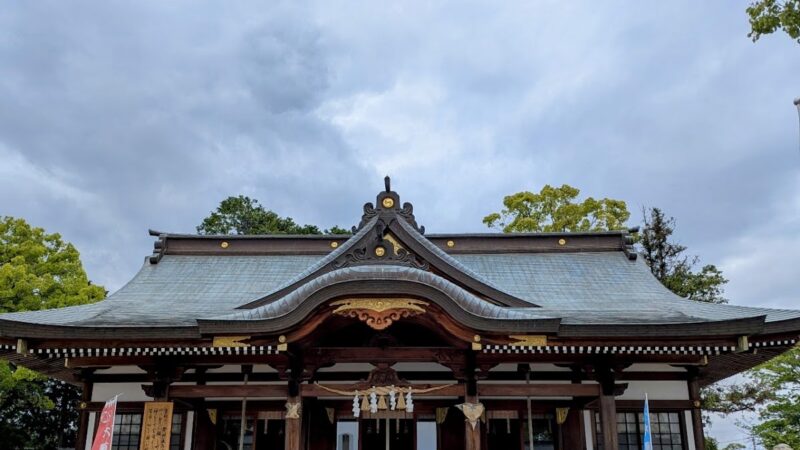
The main hall of Mikata Shrine is a three-bay nagare-zukuri style building with a cypress bark roof, constructed in 1527 (Daiei 7). It was designated a National Important Cultural Property on June 15, 1967 (Showa 42).
Architectural Features:
- Three-Bay Nagare-zukuri Style: A nagare-zukuri style building with a front facade measuring three bays (approximately 5.4 meters).
- Hinoki Bark Roofing: A traditional roof covered with layers of cypress bark.
- Late Muromachi Period Style: A valuable historical structure that preserves architectural techniques from the Sengoku period.
- Delicate Wooden Joinery: Highly skilled techniques can be seen in the brackets and frog-leg supports.
- Exquisite Carvings: The carvings throughout the main hall convey techniques from the late Muromachi period.
- Vivid Coloring: The vibrant colors, primarily vermilion, evoke the splendor of the time.
Architectural Historical Value
Late Muromachi period shrine architecture is rare nationwide, and the main hall of Mikata Shrine occupies an important position in architectural history as an excellent example of medieval shrine architecture. It is particularly valuable as a resource for understanding Sengoku period shrine architecture in the Harima region.
Shiso City’s Only Nationally Designated Important Cultural Property
The main hall of Mikata Shrine is the only nationally designated important cultural property in Shiso City, and is ranked as the highest-ranking cultural property in the city. It symbolizes the region’s history and culture and is a source of pride for the citizens.
Shiso City Designated Cultural Property
Ema (Votive Tablets)
Mikata Shrine houses ema designated as a city cultural property. These ema were dedicated from the Edo period to the Meiji period and are valuable historical materials for understanding the folk beliefs and painting techniques of that time.
Other Cultural Properties
In addition to the main hall, the shrine preserves other historically valuable buildings and crafts, such as the worship hall and subsidiary shrines, making the entire shrine a treasure trove of cultural properties that tell the story of the region’s history.
Shofukuji Cherry Blossom
A Rare Variety Endemic to Hyogo Prefecture
The grounds of Mikata Shrine are planted with the extremely rare Shofukuji cherry blossom. This cherry tree is a variety unique to Hyogo Prefecture and is extremely rare nationwide.
Characteristics of the Cherry Tree
The Shofukuji cherry tree is a variety that produces single-petaled white flowers and blooms slightly later than Somei Yoshino cherry trees. It has unique characteristics in the shape of its petals and tree form, and is considered a botanically valuable variety.
Best Viewing Period
The best viewing period is usually from mid- to late April. The contrast between the vermilion-lacquered main hall (a nationally designated important cultural property) and the white cherry blossoms creates a beautiful landscape that represents the spring scenery of Mikata Shrine.
Annual Events and Festivals
Spring Festival (May 3rd)
The Spring Festival, held annually on May 3rd, is one of the main festivals of Mikata Shrine. A solemn ceremony is held to pray for a bountiful harvest and the prosperity of the region.
Spring Festival Contents:
- Shinto Ritual: Ceremony held at the main shrine
- Mikoshi Procession: May be a procession through the local area
- Dedication Ceremonies: Dedication of local traditional performing arts and martial arts
Autumn Festival (October 10th)
Held annually on October 10th, the Autumn Festival is an important festival to express gratitude for the harvest. Alongside the Spring Festival, it is one of the major annual festivals, attracting many worshippers.
Characteristics of the Autumn Festival:
- Harvest Thanksgiving Ritual
- Offerings by Local Residents
- Preservation of Traditional Festival Rituals
Other Festivals
- New Year’s Day Festival: January 1st
- Monthly Festivals: 1st and 15th of each month
- Great Purification Ceremony: June 30th, December 31st
Highlights of the Shrine Grounds
Approach and Torii Gate
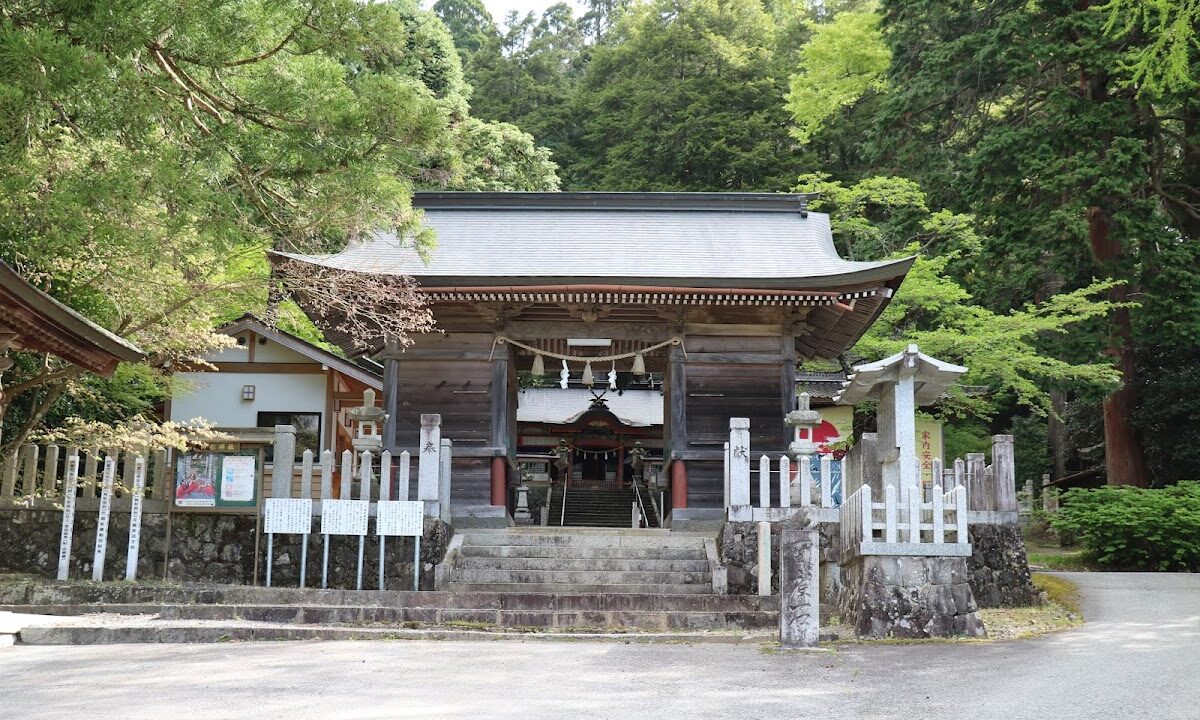
Near the confluence of the Ibo River and Kumon River, heading north, you will find the entrance to the approach to Mikata Shrine. Passing through the torii gate and proceeding along the lush green approach, you will arrive at the shrine grounds, where you can feel the weight of history.
Worship Hall
The worship hall, standing in front of the main shrine, is where worshippers offer their prayers. Although not as old as the main shrine, it maintains the style of traditional shrine architecture.
Subsidiary Shrines
In addition to the main shrine, several subsidiary shrines are enshrined within the grounds, each embodying the local faith. ### Shrine Office and Reception Area
The shrine office provides Goshuin (shrine stamps). The reception area is open from 8:00 AM to 5:00 PM.
Goshuin Information
Goshuin Issuance
Goshuin are available at Mikata Shrine. They may be pre-printed or written directly for you; it is recommended to check during your visit.
Issuance Hours
- Normal Hours: 8:00 AM to 5:00 PM
- During Festivals: Hours may change
Offering Fee
Similar to most shrines, the fee is approximately 300 to 500 yen.
Access Information
Location
280 Morizoe, Ichinomiya-cho, Shiso City, Hyogo Prefecture 671-4144
Access by Train
Nearest Station: JR Kishin Line, Hase Station
- Approximately 20 minutes on foot from Hase Station
- Approximately 5 minutes by taxi from Hase Station
Access from Major Stations:
- Approximately 50 minutes from JR Himeji Station on the Kishin Line, get off at Hase Station
- Transfer at Himeji Station from Kobe area
Access by Car
From the Chugoku Expressway:
- Approximately 15 minutes from Yamazaki IC via National Route 29
- Parking: Free parking available for visitors on the shrine grounds
From the Bantan Expressway:
- Approximately 30 minutes from Kanzaki Minami IC via National Route 29
Car Navigation Settings
Phone Number: 0790-74-0013 (Mikagata Shrine) Address: 280 Morizoe, Ichinomiya-cho, Shiso City, Hyogo Prefecture
Nearby Tourist Attractions
Historical and Cultural Facilities in Shiso City
- Iwa Shrine: An ancient shrine known as the Ichinomiya (first-ranked shrine) of Harima Province (approx. 10 minutes by car)
- Mogamiyama Park Momijiyama: A famous spot for autumn foliage (approx. 15 minutes by car)
- Hara Fudo Falls: One of Japan’s Top 100 Waterfalls (approx. 20 minutes by car)
Natural Scenery
Shiso City is known as a “Forest Kingdom” and is blessed with abundant nature. You can enjoy the changing seasons in conjunction with visiting the Mikata Shrine.
Manners and Points for Visiting the Shrine
Proper Worship Etiquette
- Bow at the Torii Gate: Bow before passing through the torii gate.
- Purify at the Water Basin: Purify your left hand, right hand, and mouth in that order.
- Worship at the Main Hall: Bow twice, clap twice, and bow once.
- View the Main Hall: As it is an important cultural property, only the exterior can be viewed.
Photography
Photography is generally permitted on the shrine grounds, but photography inside the main hall or during festivals may be restricted. Please check with the shrine office if necessary.
Attire
There are no particularly strict dress code regulations, but it is desirable to wear clothing that is appropriate for a sacred place.
The Four Seasons of Mikata Shrine
Spring (March-May)
The Shofukuji cherry blossoms are in full bloom, and the shrine grounds are enveloped in a vibrant atmosphere. The best time to see the cherry blossoms is from mid-April to late April, and the spring festival on May 3rd is held amidst the fresh greenery. ### Summer (June-August)
The lush green grounds are enveloped in tranquility, offering a refreshing atmosphere for worship. On June 30th, the Great Purification Ceremony is held to cleanse away the impurities accumulated over the past six months.
Autumn (September-November)
Centered around the Autumn Festival on October 10th, this is a season of gratitude for the harvest. The surrounding mountains begin to change color, creating a beautiful contrast between the autumn foliage and the important cultural property, the main shrine building.
Winter (December-February)
The snow-covered grounds are enveloped in a mystical atmosphere. On New Year’s Day, worshippers visit for their first shrine visit of the year, offering prayers for the new year.
Cultural Significance of Mikata Shrine
Importance in Local History
Mikata Shrine is a valuable institution that preserves the traditions recorded in the Harima Province Fudoki (ancient provincial gazetteer). From ancient times through the Middle Ages, early modern period, and into the present day, it has continuously functioned as a center of local faith.
Architectural Historical Value
As an important cultural property that preserves late Muromachi period shrine architecture to the present day, it is the subject of research from various fields, including architectural history, art history, and religious history. The delicate woodworking and carving techniques demonstrate the pinnacle of the craftsmanship of the time.
Core of the Local Community
Through festivals and events held throughout the year, Mikata Shrine plays a role in strengthening the bonds of the local community. The spring and autumn festivals, in particular, serve as a place for intergenerational exchange.
Efforts toward Preservation and Transmission
Preservation of an Important Cultural Property
The main hall, a nationally designated important cultural property, undergoes regular preservation and repair work. The cypress bark roof needs to be replaced every 20-30 years, making the transmission of traditional techniques a crucial issue.
Public Access to Cultural Properties
While normally only the exterior is open to the public, the interior of the main hall is sometimes opened on special occasions. Efforts are made to balance the protection of the cultural property with its function as a place of worship.
Use in Local Education
Local elementary and junior high schools provide opportunities for students to visit Mikata Shrine as part of their local history studies, learning about the region’s history and culture.
Visitor Voices
History Enthusiast
“I was able to actually visit the site of the legends recorded in the Harima Province Fudoki (ancient provincial gazetteer), and I felt the weight of history that has continued since ancient times. The main hall, a designated Important Cultural Property, was magnificent, demonstrating the high level of architectural technology of the Muromachi period.”
Architecture Fan
“The main hall, a three-bay nagare-zukuri style building, features exquisite wooden joinery and carvings. The vermilion coloring is also beautifully preserved, and I was impressed that a building nearly 500 years old remains in such good condition.”
Cherry Blossom Enthusiast
“I was able to see the rare Shofukuji cherry blossom. As it is a variety unique to Hyogo Prefecture, it was a valuable experience. The contrast between the main hall, a designated Important Cultural Property, and the cherry blossoms was beautiful.”
Summary: The Charm of Visiting Mikata Shrine
Mikata Shrine is an ancient shrine with a history of over 1200 years, located in Shiso City, Hyogo Prefecture. This shrine is a fusion of history, culture, and natural beauty, featuring legends recorded in the Harima Province Fudoki (ancient provincial gazetteer), a nationally designated important cultural property (a main hall dating from the late Muromachi period), and the unique Shofukuji cherry tree of Hyogo Prefecture.
As a Shikinaisha (a shrine listed in the Engishiki, an ancient Japanese legal text) dedicated to Okuninushi-no-kami, it offers blessings for matchmaking, business prosperity, and health and longevity, attracting many worshippers throughout the year. The spring cherry blossom season, the spring festival on May 3rd, and the autumn festival on October 10th are particularly noteworthy.
As the only nationally designated important cultural property building in Shiso City, Mikata Shrine is a precious presence that conveys the history and culture of the Harima region, and will undoubtedly continue to be protected and passed down by many people for generations to come.
When visiting the western Harima region of Hyogo Prefecture, be sure to visit Mikata Shrine and experience the scent of its long history and culture.