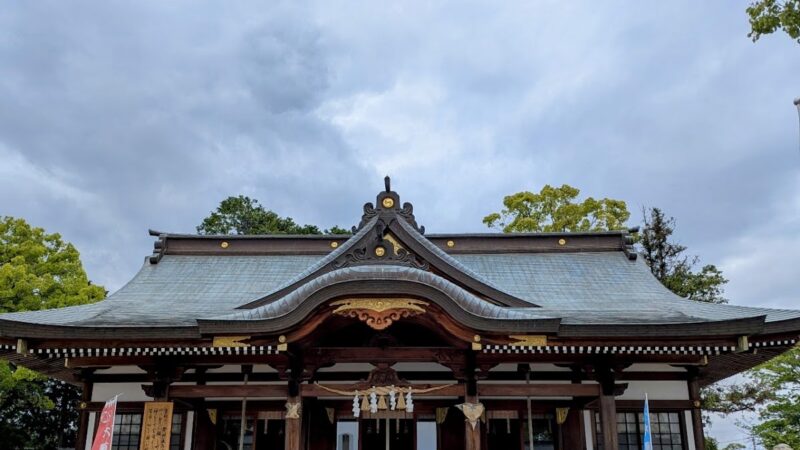
Complete Guide to Shinmei Shrine (365 Mikata-cho, Ichinomiya-cho, Shiso City, Hyogo Prefecture)
Shinmei Shrine, located in Mikata-cho, Ichinomiya-cho, Shiso City, Hyogo Prefecture, is a shrine that has been cherished by the local people for centuries. This article provides detailed information about Shinmei Shrine, from its basic information and history to access methods and surrounding area.
Basic Information about Shinmei Shrine
Location and Contact Information
Location: 365 Mikata-cho, Ichinomiya-cho, Shiso City, Hyogo Prefecture
Postal Code: 671-4113
Corporate Number: 9140005007035
Shinmei Shrine is located in the Mikata-cho district of Ichinomiya-cho, Shiso City, in the western part of Hyogo Prefecture. Shiso City is located in the central-western part of Hyogo Prefecture and is known as a region surrounded by abundant nature.
What is a Shinmei Shrine?
A Shinmei Shrine (神名社) is a general term for shrines that enshrine Amaterasu Omikami as their principal deity. Numerous shrines with the name “Shinmei Shrine” or “Shinmei Jinja” exist throughout Japan, each receiving worship as the local guardian deity.
The Shinmei Shrine in Mikata-cho, Ichinomiya-cho, Shiso City, has also been revered by local people for many years as the guardian deity of the region. It is officially registered as a religious corporation with corporate number 9140005007035 and operates accordingly.
Deities and Beliefs of Shinmei Shrines
Principal Deity: Amaterasu Omikami
The principal deity of Shinmei Shrines is Amaterasu Omikami. Amaterasu Omikami is the supreme deity in Japanese mythology, known as the goddess personifying the sun. She is considered the ancestral deity of the Imperial Family and is enshrined in the Inner Shrine of Ise Grand Shrine.
Amaterasu Omikami is believed to possess the following divine virtues:
- National Peace and Abundant Harvest: As the guardian deity of agriculture, prayers are offered for bountiful harvests.
- Good Fortune and Prosperity: Improved luck and the arrival of happiness.
- Protection from Evil: Power to ward off and purify from calamities.
- Family Safety: Protection of the health and safety of the family.
Characteristics of Shinto Worship
Shintei worship spread throughout Japan from the Middle Ages onward. Especially in rural areas, the worship of Amaterasu Omikami, the sun goddess, was deeply intertwined with agricultural success. The Shinto shrine in Mikata-cho, Ichinomiya-machi, Shiso City, is also thought to have played an important role in the agricultural-centered lifestyle and culture of this region.
Regional Characteristics of Ichinomiya-cho and Mikata-cho, Shiso City
About Shiso City
Shiso City was formed on April 1, 2005 (Heisei 17) through the merger of four towns: Yamazaki-cho, Ichinomiya-cho, Haga-cho, and Chigusa-cho. Located in the central-western part of Hyogo Prefecture, it is a naturally rich area, with approximately 90% of its area covered by forests.
Main Features:
- Area: Approximately 658.54 square kilometers
- Population: Approximately 35,000 (as of 2023)
- Local Products: Shiso Forest Kingdom brand, Ibonoito (somen noodles), glutinous soybeans, etc.
- Tourism: Natural scenery such as Hara Fudo Falls, Akanishi Valley, and Onzui Valley
Mikata-cho District, Ichinomiya Town
Ichinomiya Town was formerly part of Shiso District and has developed since ancient times as a temple town for Iwa Shrine, the “Ichinomiya (first shrine) of Harima Province.” The Mikata-cho district is one of the oldest settlements in Ichinomiya Town, where a traditional lifestyle centered on agriculture has been practiced.
In addition to Shinmei Shrine, several other shrines and temples are scattered throughout this area, preserving the region’s religious culture.
How to Access Shinmei Shrine
Access by Car
Access to Shinmei Shrine is convenient by private car.
Main Routes:
- Approximately 15 minutes from Yamazaki IC on the Chugoku Expressway
- Approximately 10 minutes from Yamazaki Kita Ramp on the Bantan Expressway
- Accessible via Prefectural Road from National Route 29
We recommend checking parking availability in advance.
Access by Public Transportation
Nearest Station: JR Kishin Line Harima-Ichinomiya Station
From Harima-Ichinomiya Station:
- Approximately 10 minutes by taxi
- If using a local bus, please check the Shinki Bus routes
- Approximately 3.5 km (approximately 45 minutes) on foot
Since public transportation is limited, we recommend checking the timetable in advance.
Maps and Navigation
You can check the route from your current location by searching for “365 Mikata-cho, Ichinomiya-cho, Shiso City, Hyogo Prefecture” or “Shinmei Shrine, Shiso City” in your smartphone’s map app. Please enter the postal code “671-4113” or the address into your car navigation system.
Nearby Shrines and Temples
In addition to Shinmei Shrine, there are many other historical shrines and temples in the vicinity of Ichinomiya-cho, Shiso City.
Iwa Shrine
Location: 407 Sugyōna, Ichinomiya-cho, Shiso City, Hyogo Prefecture
Features: A prestigious shrine known as the Ichinomiya (first-ranked shrine) of Harima Province. It enshrines Ōnamuchi-no-Mikoto as its main deity and is worshipped as the guardian deity of matchmaking, marital harmony, and agriculture/industry.
Located about 10 minutes by car from Shinmei Shrine, it is a shrine you should definitely visit when you come to Ichinomiya-cho.
Other Nearby Shrines
Several shrines are scattered throughout Ichinomiya-cho, each conveying the history and culture of the region. For those who enjoy visiting shrines, planning a route that includes multiple shrines is recommended.
Points and Manners for Visiting a Shrine
Basic Etiquette for Visiting a Shrine
When visiting Shinmei Shrine, please observe the following basic etiquette.
Before passing through the torii gate:
- Bow before entering the shrine grounds.
- Walk along the edge of the path, as the center is the path for the gods.
How to purify yourself at the water basin:
- Hold the ladle in your right hand and purify your left hand.
- Switch the ladle to your left hand and purify your right hand.
- Switch the ladle back to your right hand, receive water in your left hand, and rinse your mouth.
- Purify your left hand again.
- Hold the ladle upright, let water flow over the handle, and return it to its original position.
Worship at the main hall:
- Bow slightly in front of the offering box.
- Gently place your offering in the box.
- Ring the bell if there is one.
- Bow twice, clap twice, and bow once (bowing deeply twice, clapping twice, bowing deeply once).
- Turn around and bow before leaving the torii gate.
Attire for Visiting the Shrine
Except for special festivals, everyday attire is acceptable for visiting the shrine, but please keep the following points in mind:
- Dress neatly and cleanly.
- Avoid revealing clothing.
- Remove hats and sunglasses in front of the main hall.
- Remember to dress warmly in winter.
Photography
Photography is generally permitted on the shrine grounds, but please observe the following manners:
- Photography inside the main hall is often prohibited.
- Be considerate of other visitors.
- Keep photography to a minimum during festivals.
- Avoid using flash photography.
- Permission from a Shinto priest may be required.
Annual Events and Festivals of Shinmei Shrine
Main Annual Events
Shinmei Shrine holds various festivals throughout the year. The following are some of the typical annual events at Shinmei Shrine:
January:
- New Year’s Day Festival: A festival celebrating the New Year
- First Shrine Visit of the Year: Many worshippers visit the shrine
February:
- Setsubun Festival: Events such as bean-throwing
- Kinensai Festival: Prayers for a bountiful harvest
Spring:
- Spring Grand Festival: One of the shrine’s important festivals
Summer:
- Summer Purification Ceremony: A Shinto ritual to purify oneself of the impurities accumulated over the past six months
Autumn:
- Autumn Grand Festival: A festival to express gratitude for the harvest
- Niiname-sai Festival: Offering of the new harvest to the gods
December:
- Year-End Purification Ceremony: A festival to purify oneself of the impurities accumulated over the year
- Joya Festival: A festival marking the end of the year
For specific dates and details, we recommend contacting the shrine directly or checking local bulletin boards.
Local Traditional Events
In Ichinomiya-cho, Shiso City, traditional local events are preserved alongside shrine festivals. These events strengthen community ties and play an important role in passing on traditional culture to future generations.
Shiso City Sightseeing and Attractions
When visiting Shinmei Shrine, you can also enjoy other tourist spots in Shiso City.
Natural Scenery
Hara Fudo Falls: A famous waterfall selected as one of Japan’s Top 100 Waterfalls. This magnificent waterfall, with a drop of 88 meters, offers beautiful scenery throughout the seasons.
Akanishi Valley: Known as a famous spot for autumn foliage, it attracts many tourists in the fall. The scenery created by the clear stream and giant rocks is captivating.
Onzui Valley: A beautiful valley selected as one of Japan’s Top 100 Forests for Forest Bathing. A campsite is also available.
Historical and Cultural Facilities
Shiso City Historical Museum: A facility where you can learn about the history and culture of Shiso City. Archaeological and folklore materials are on display.
Yamazaki Historical and Local History Museum: A museum that tells the history of the former Yamazaki Town. You can learn about the region’s traditional culture.
Hot Springs and Accommodations
Kokumin Shukusha Shinguso: Accommodation near Hara Fudo Falls. You can also enjoy hot springs.
Chikusa Kogen Onsen: A hot spring facility located on a plateau at an altitude of 800 meters. Overnight stays are also possible.
Shiso City’s Local Products and Gourmet Food
Local Products
Mochi Soybeans: Soybeans that are a specialty of Shiso City. Large in size and very sweet, they are ideal for boiled beans and tofu.
Shiso Forest Kingdom Brand: A brand of agricultural and forestry products nurtured by the rich natural environment of Shiso City. Includes vegetables, rice, and wood products.
Ibonoito: Hand-stretched somen noodles produced in the Harima region, including Shiso City. A nationally renowned brand.
Recommended Gourmet
Venison Dishes: Deer meat dishes can be enjoyed in Shiso City. It’s gaining popularity as a game meat dish.
Dishes Using Local Vegetables: Dishes using fresh local vegetables can be enjoyed at roadside stations and local restaurants.
Soba Noodles: Some restaurants offer handmade soba noodles made with buckwheat grown in clear streams.
Model Courses to Enjoy in Combination with a Visit to Shinmei Shrine
Half-Day Course
Morning:
- Visit to Shinmei Shrine (30 minutes)
- Visit to Iwa Shrine (1 hour)
- Shopping and Lunch at “Harima Ichinomiya” Roadside Station (1 hour)
Afternoon:
- Visit to Hara Fudo Falls (1 hour)
- Visit to Shiso City Historical Museum (1 hour)
Full-Day Course
Morning:
- Visit to Shinmei Shrine (30 minutes)
- Visit to Iwa Shrine (1 hour)
- Lunch at a Local Restaurant (1 hour)
Afternoon:
- Stroll through Hara Fudo Falls or Akanishi Valley (2 hours)
- Hot Spring Bath (1.5 hours)
- Purchase Local Products at Roadside Station (30 minutes)
Access and Transportation Information to Shiso City
Access from Major Cities
From Osaka:
- By Car: Approximately 1 hour 30 minutes via the Chugoku Expressway
- By Train: JR Kobe Line → Himeji Station → JR Kishin Line to Harima-Ichinomiya Station (approximately 2 hours)
From Kobe:
- By Car: Approximately 1 hour 15 minutes via the Bantan Expressway
- By Train: JR Kobe Line → Himeji Station → JR Kishin Line to Harima-Ichinomiya Station (approximately 1 hour 45 minutes)
From Himeji:
- By Car: Approximately 40 minutes via National Route 29
- By Train: Approximately 35 minutes to Harima-Ichinomiya Station on the JR Kishin Line
Transportation within the City
Private cars are convenient for getting around Shiso City. Public transportation is limited, so it is recommended to check the timetable in advance.
Route Buses: Shinki Buses connect various parts of the city.
Community Buses: Shiso City Community Bus “Harima Gururin” operates.
Precautions When Visiting the Shrine
Seasonal Precautions
Spring (March-May):
- Take precautions if you have hay fever.
- Be aware of the temperature difference between morning and evening.
- We recommend carrying rain gear.
Summer (June-August):
- Take precautions against heatstroke (hydrate, wear a hat).
- Take precautions against insects.
- Use sunscreen.
Autumn (September-November):
- Be aware of the cold in the mornings and evenings.
- May be crowded during the autumn foliage season.
- Carry rain gear.
Winter (December-February):
- Take thorough precautions against the cold.
- Be careful of icy roads.
- Be careful of your footing when there is snow.
Manners on the Shrine Grounds
- Be mindful that the shrine grounds are a sacred place.
- Refrain from loud conversations and making noise.
- Always take your trash with you.
- If bringing a pet, please confirm permission to enter the shrine grounds.
- Smoking is only permitted in designated areas.
- Eating and drinking is only permitted in designated areas.
Cultural Significance of Shinmei Shrine
Center of the Local Community
Shinmei Shrine is not merely a religious facility; it has played a central role in the local community. Through festivals and events, it serves as a place for interaction among local residents and contributes to the transmission of traditional culture.
Witness to History
Shrines are valuable entities that convey the history of the region to the present day. The buildings, trees on the grounds, and offerings tell the story of the region’s history and the forms of people’s faith.
Harmony with Nature
Shrine grounds are often surrounded by abundant nature. The area around Shinmei Shrine is no exception, demonstrating a harmonious relationship between nature and humanity.
History of Shiso City and Shinmei Shrine
History of the Shiso Region
The Shiso region has been known as “Shiso” since ancient times, and its name is recorded in the “Harima Province Fudoki” (ancient provincial gazetteer). It is a historical region where people have lived since ancient times.
In the Middle Ages, it was under the rule of the Akamatsu clan, and during the Sengoku period, various warlords governed this land. During the Edo period, it became part of the Himeji and Tatsuno domains, and its economy developed around agriculture and forestry.
Spread of Shinmei Worship
Shinmei worship spread throughout Japan from the Middle Ages onward, becoming particularly popular in rural areas. It is believed that the Shinmei Shrine in Mikata-cho, Ichinomiya-cho, Shiso City, also began to attract the faith of local people during this period.
In a life centered on agriculture, the worship of Amaterasu Omikami, the sun goddess, was a natural progression, and Shinmei Shrines played an important role as places for praying for and giving thanks for bountiful harvests.
Using Information on Smartphones
Using Map Apps
Nowadays, you can easily check directions to Shinmei Shrine using a smartphone map app.
Recommended Usage:
- Search for “Shinmei Shrine Shiso City”
- Enter the address: “365 Mikata-cho, Ichinomiya-cho, Shiso City, Hyogo Prefecture”
- Use route guidance from your current location
- Check the surrounding area beforehand using Street View
Using QR Codes
Saving shrine information as a QR code allows for easy access on-site. It’s also convenient for sharing information with friends and family.
Sharing Information on Social Media
When sharing your visit records on social media, please keep the following points in mind:
- Respect the privacy of other visitors
- Post content that reflects the sacred nature of the place
- Organize information using hashtags (#ShinmeiShrine #ShisoCity #IchinomiyaTown)
Summary
Shinmei Shrine, located at 365 Mikata-cho, Ichinomiya-cho, Shiso City, Hyogo Prefecture, is a shrine that has been cherished by the local community for many years. It enshrines Amaterasu Omikami as its principal deity and is revered as the guardian deity of the region.
Shiso City is blessed with abundant nature, and in addition to visiting Shinmei Shrine, you can also enjoy natural scenery such as Hara Fudo Falls, historical buildings such as Iwa Shrine, and local specialties and cuisine.
When visiting Shinmei Shrine, we recommend observing basic worship etiquette, respecting the region’s history and culture, and offering a peaceful and respectful visit. It will be a valuable opportunity to experience traditional Japanese faith and culture amidst the beautiful nature of the four seasons. While public transportation access is limited, it’s relatively easy to visit by car. Combining a visit with other Shiso City attractions will make for a fulfilling day.
May your visit to Shinmei Shrine be a truly enriching experience.