Complete Guide to Shōnenji Temple (Shiroishi-ku, Sapporo, Hokkaido) | History, Access, and Highlights Explained in Detail
Located in Shiroishi-ku, Sapporo, Hokkaido, Shōnenji Temple is a Jōdo Shinshū Buddhist temple beloved by the local community. This article comprehensively introduces information you should know before visiting, including the historical background of Shōnenji Temple, the characteristics of its grounds, access methods, and annual events.
Basic Information about Shōnenji Temple
Shōnenji Temple is a Buddhist temple located in Shiroishi-ku, Sapporo, and has been active for many years as a spiritual center for the local community.
Location and Access
Address: Located in Shiroishi-ku, Sapporo, Hokkaido
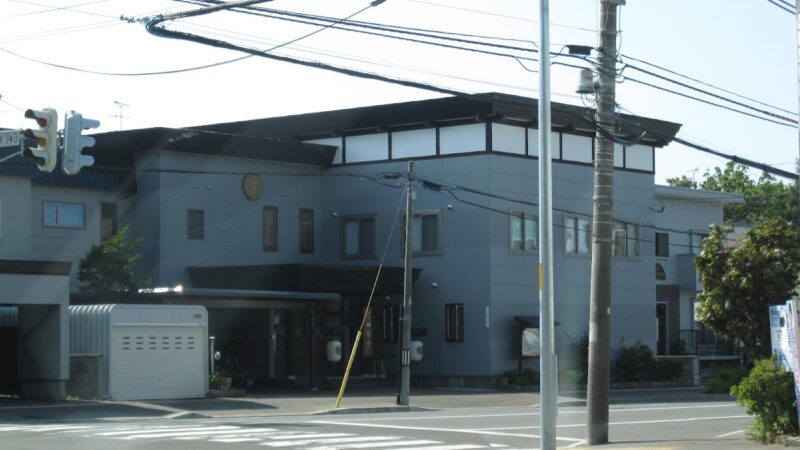
Shōnenji Temple is accessible by both public transport and car. Shiroishi-ku is located in the eastern part of Sapporo, making it easily accessible from the city center.
Sect and Principal Image
Shōnenji Temple is a temple based on the teachings of Jōdo Shinshū Buddhism. Jodo Shinshu Buddhism, founded by Shinran Shonin, is one of the major Buddhist sects in Japan, preaching salvation through faith in the original vow of Amida Buddha.
History and Origin of Shonenji Temple
Background of Founding
Many temples in Hokkaido were established during the pioneering period after the Meiji era, alongside people who migrated from Honshu. Shonenji Temple, too, has functioned as a center of local faith alongside the development of Shiroishi Ward, within this historical context.
Meaning of the Temple Name
The temple name “Shonenji” means “to clearly chant the Nembutsu.” This name embodies the teaching of Nembutsu, which is the core of Jodo Shinshu Buddhism.
Connection with the Community
Having walked hand in hand with the history of Shiroishi Ward, Shonenji Temple has played an important role not only as a religious facility, but also as a gathering place for local residents and a center for cultural activities.
Highlights of the Temple Grounds
Main Hall
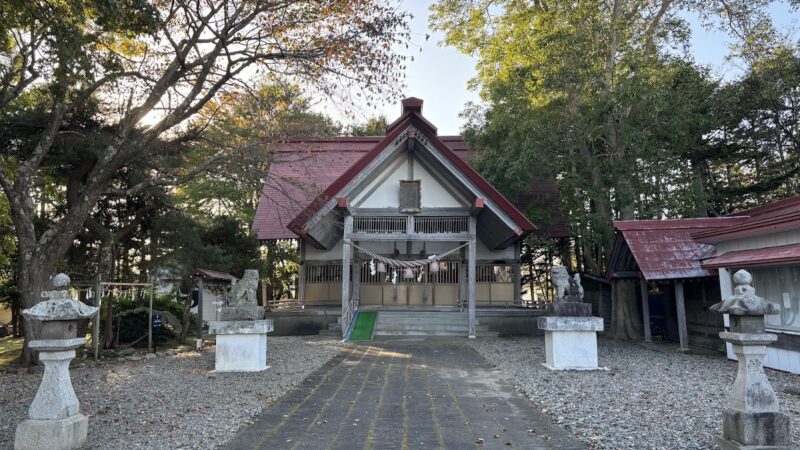
The main hall of Shōnenji Temple follows the traditional architectural style of Jōdo Shinshū temples. The principal image, Amida Buddha, is enshrined within the main hall, where daily services and memorial services are held.
Atmosphere of the Temple Grounds
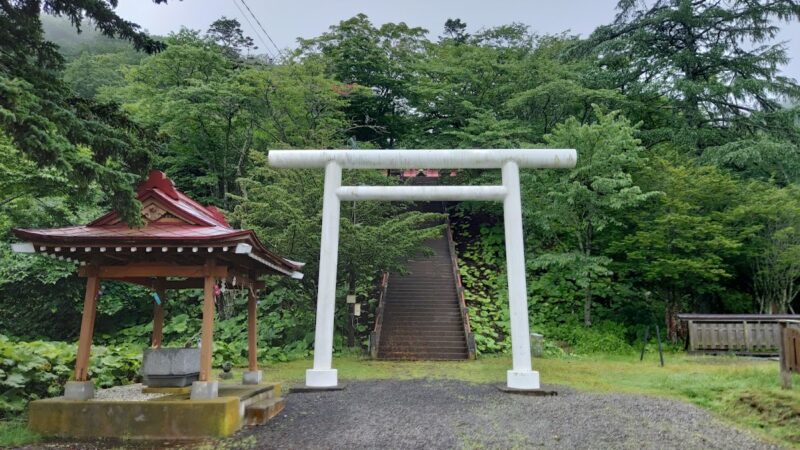
The temple grounds, adapted to Hokkaido’s climate, display different expressions throughout the seasons. Especially during the cherry blossom season in spring and the autumn foliage season, one can feel the changing seasons in a tranquil atmosphere.
Columbarium and Cemetery
Shōnenji Temple, with its many parishioners, also has a columbarium and cemetery, used as a place for ancestral worship.
Main Events Held at Shōnenji Temple
Major Annual Memorial Services
As a Jōdo Shinshū temple, Shōnenji Temple holds various memorial services throughout the year.
Spring Equinox Service: An ancestral memorial service held around the spring equinox.
Birth Day (Flower Festival): A memorial service celebrating the birth of Shinran Shonin (around May 21st).
Obon Memorial Service: A memorial service to remember ancestors, held as the summer Obon festival.
Autumn Equinox Service: A memorial service held around the autumn equinox.
Hoonko Service: The most important memorial service in Jodo Shinshu Buddhism, commemorating the anniversary of Shinran Shonin’s death (late November).
New Year’s Eve Bell Ringing: A New Year’s Eve event.
Regular Memorial Services
Monthly memorial services and prayers are held regularly, with participation from parishioners and local believers.
Jodo Shinshu Teachings and Shonenji Temple
Basic Philosophy of Jodo Shinshu Buddhism
Jodo Shinshu Buddhism is a sect centered on the teaching of “reliance on the power of others.” This is the idea that salvation is achieved not through one’s own efforts, but through the power of Amida Buddha’s original vow.
Practice of Nembutsu
The chanting of “Namu Amida Butsu” is the most fundamental practice in Jodo Shinshu Buddhism. At Shonenji Temple, this faith through chanting is practiced daily.
Role in Modern Times
Shonenji Temple functions not only as a place of traditional religious activity, but also as a spiritual haven in modern society. It accepts consultations not only for funerals and memorial services, but also for life counseling and end-of-life planning.
History of Shiroishi Ward and Shonenji Temple
Origins of Shiroishi Ward
Shiroishi Ward is located in the eastern part of Sapporo City and has developed since the pioneering period of the Meiji era. Currently, it forms an urban area where residential and commercial areas are harmoniously blended.
As a Center of the Local Community
As a religious facility in Shiroishi Ward, Shonenji Temple has contributed to the preservation of the region’s history and culture. It serves as a place where a wide range of age groups, from the elderly to younger generations, are involved.
Detailed Access Information to Shonenji Temple
Access by Public Transportation
Subway: Accessible on foot or by bus from the nearest station on the Sapporo Municipal Subway Tozai Line.
Bus: Use local bus routes operating within Sapporo City and utilize bus stops within Shiroishi Ward.
Access by Car
Approximately 15-20 minutes from central Sapporo using national and major roads. It is recommended to check with the temple in advance regarding parking availability.
Landmarks in the Surrounding Area
Using major facilities and commercial establishments within Shiroishi Ward as landmarks will make access easier.
Manners and Etiquette for Visiting a Temple
Basic Etiquette for Visiting a Temple
When visiting a temple, please observe the following basic manners.
- Dress Code: Modest, understated clothing is preferred.
- Behavior on Temple Grounds: Maintain silence and be considerate of other worshippers.
- Photography: Do not photograph the interior of the main hall or other areas without permission.
- Bow and Prayer: Bow with hands clasped together in front of the main hall.
Jodo Shinshu Worship Etiquette
Jodo Shinshu has different customs compared to other sects, such as the number of times to offer incense and how to hold prayer beads. When participating in a memorial service, it is advisable to check beforehand or observe and follow the customs of those around you.
The Danka System and Temple Management
What is a Danka?
A Danka is a believer who provides financial and spiritual support to a specific temple. Shonenji Temple also operates under the Danka system, and Danka can receive support from the temple for funerals, memorial services, etc.
How to Become a Danka
If you wish to become a Danka, you can consult directly with the temple. For information regarding membership fees and annual maintenance fees, we recommend contacting the temple directly.
The Position of Shōnenji Temple in Hokkaido’s Temple Culture
Buddhist History in Hokkaido
The full-scale spread of Buddhism in Hokkaido began after the Meiji era, making its history shorter than in Honshu. However, it has played a crucial role as a spiritual support for the pioneers.
Jōdo Shinshū and Hokkaido
Jōdo Shinshū is one of the most numerous Buddhist sects in Hokkaido. Many Shinshū temples were established during the pioneering period, contributing to the formation of communities among settlers.
Challenges and Prospects in the Modern Era
Due to the declining birthrate, aging population, and urbanization, the traditional danka (parishioner) system is facing changes. Many temples, including Shōnenji, are seeking ways to adapt to modern society.
Attractions Around Shōnenji Temple
Tourist Spots in Shiroishi Ward
Shiroishi Ward has various attractions besides Shōnenji Temple.
Shiraishi Kokoro Road: A walking path where you can experience the history of Shiraishi Ward.
Shiraishi Ward Multi-Purpose Government Building: The center of local administration and culture.
Parks: Several parks suitable for families are scattered throughout the area.
Nearby Temples and Shrines
Shiraishi Ward and the surrounding areas have several other temples and shrines, making it possible to enjoy a temple and shrine tour.
End-of-Life Planning and Shonenji Temple
Funeral and Memorial Service Support
Shonenji Temple conducts funerals and memorial services for its parishioners. It features careful ceremonies based on the customs of Jodo Shinshu Buddhism.
Consultation on Cemeteries and Columbariums
If you wish to use a cemetery or columbarium, you can consult with the temple in advance. You can also discuss options such as perpetual memorial services.
Pre-Death Planning Consultation
As part of end-of-life planning, you can also consult about funerals and memorial services in advance. Being able to discuss preparations for the end of your life with a monk who has specialized knowledge provides great peace of mind.
Q&A about Buddhist Rituals at Shōnenji Temple
For First-Time Visitors
Q: Can I visit even if I’m not a temple parishioner?
A: Yes, general visitors are welcome. However, we recommend checking the times of memorial services in advance.
Q: Is there parking available?
A: Please contact the temple directly regarding parking availability and capacity.
Q: Can I receive a temple stamp (Goshuin)?
A: Jodo Shinshu temples generally do not issue temple stamps. This is due to doctrinal reasons.
About Memorial Services
Q: How do I request a memorial service?
A: First, contact the temple by phone or other means to discuss the date and content. Even if you are not a temple parishioner, consultation may be possible, so please contact them directly.
Summary: The Charm of Shōnenji Temple
Shōnenji Temple is a Jodo Shinshu temple located in Shiroishi Ward, Sapporo City, Hokkaido, which has served as a spiritual pillar for the community for many years. While preserving traditional religious practices, the temple also maintains a flexible approach to meet the needs of modern society.
If you have the opportunity to visit Shiroishi Ward, why not visit Shōnenji Temple as part of your exploration of local history and culture? You can find peace of mind in its tranquil grounds and enjoy a moment away from the hustle and bustle of everyday life.
Regardless of your religious beliefs, temples are valuable places to experience traditional Japanese culture. Shōnenji Temple, in particular, is a fascinating spot where Hokkaido’s pioneering history and Buddhist culture intersect, making it well worth a visit.
For specific visiting hours, event schedules, and other details, we recommend contacting Shōnenji Temple directly. They will welcome you with warm, community-oriented service.