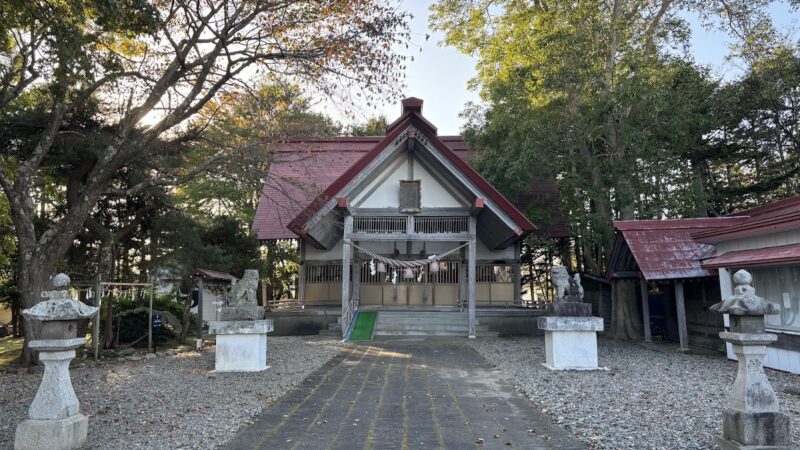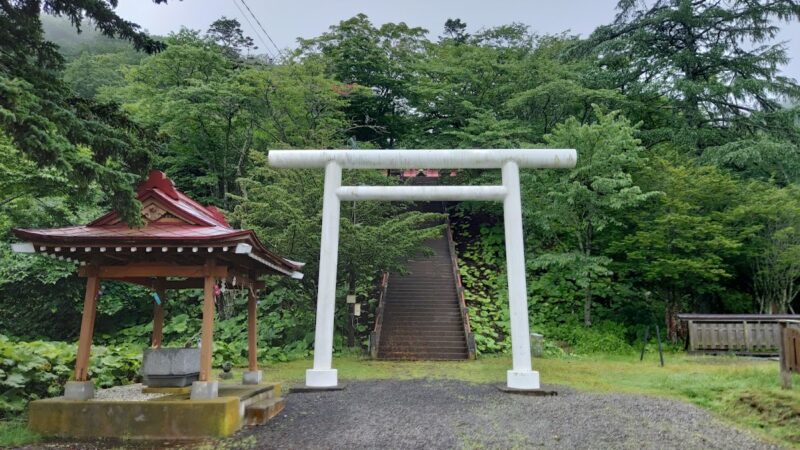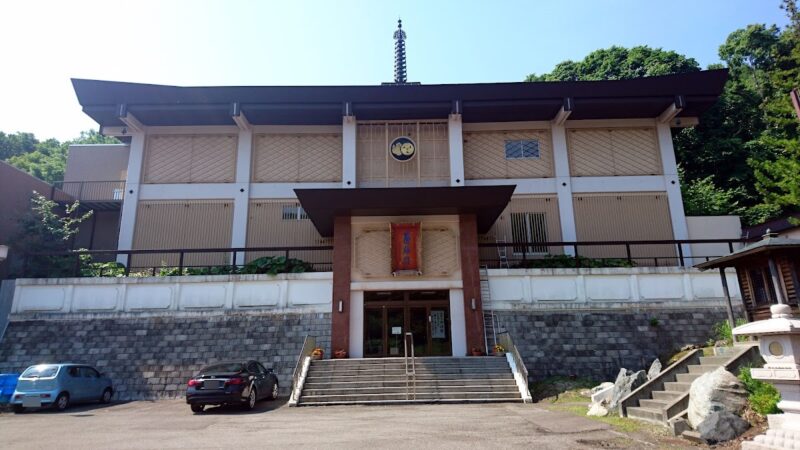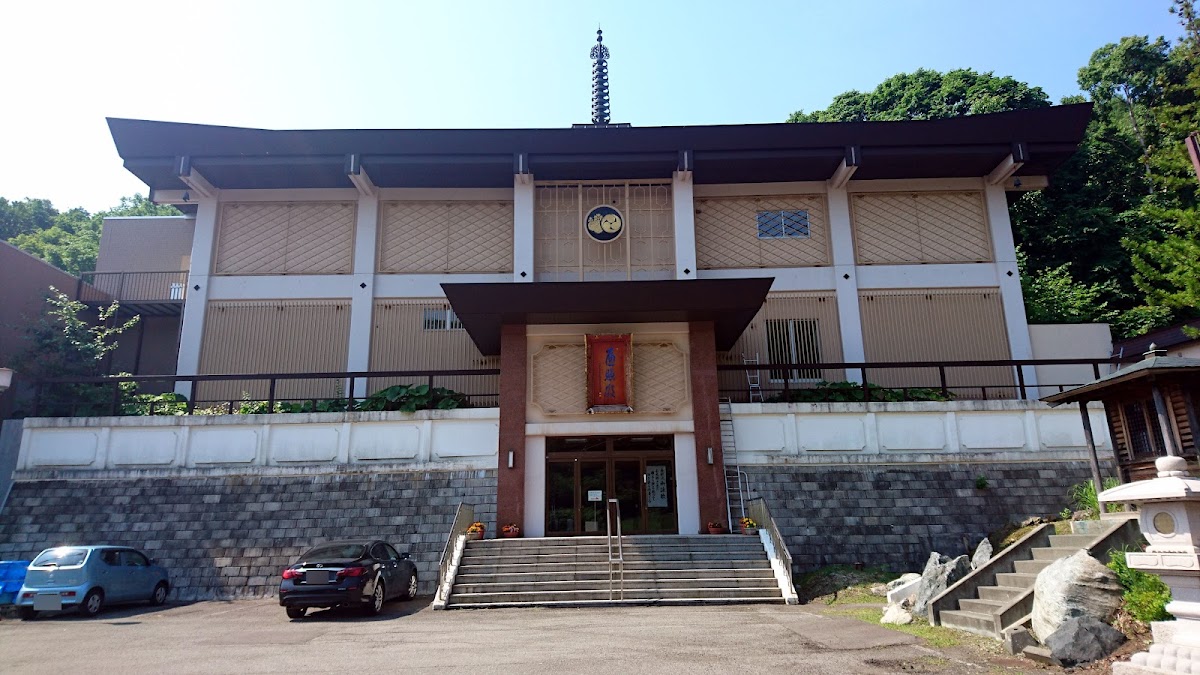
Ryukoji Temple (Hokkaido) Complete Guide: History, Goshuin (Temple Seal), and Access Information for Shingon Buddhist Temples in Sapporo and Kunneppu
Did you know that when you search for “Ryukoji” in Hokkaido, there are actually two different temples? One is a Koyasan Shingon Buddhist temple located in the Maruyama area of Chuo Ward, Sapporo City, and the other is a Shingon Chizan-ha temple located in Kunneppu Town, Tokoro District. This article provides a comprehensive explanation of detailed information, history, goshuin (temple seals), access methods, and services such as perpetual memorial services for both temples.
Ryukoji Temple (Chuo Ward, Sapporo City): History and Characteristics of the Hokkaido Branch Temple of Koyasan
Founding Circumstances and the Achievements of Yamamoto Kokojo
Ryukoji Temple, located in Maruyama Nishimachi, Chuo Ward, Sapporo City, is a Koyasan Shingon Buddhist temple founded in May 1902 (Meiji 35). Despite the large number of followers of Kobo Daishi (Kukai) in Sapporo at that time, there were no Shingon Buddhist temples. Concerned about this situation, Yamamoto Kokojo invested her personal fortune to establish Ryukoji Temple, marking the beginning of this temple.
The fact that a devout woman founded a temple during the Meiji era is a noteworthy event in the religious history of Hokkaido’s pioneering period. Yamamoto Kokojo’s strong faith and initiative laid the foundation for the Shingon Buddhist faith that continues in Sapporo to this day.
Relocation in the Showa Era and the Recognition of the Koyasan Hokkaido Branch Temple
Initially, Ryukoji Temple was located elsewhere, but in October 1961 (Showa 36), it was relocated and rebuilt at its current location in Maruyama-Nishimachi. This relocation allowed for the establishment of a system to accommodate more worshippers.
Even more importantly, in 1961 (Showa 36), it was granted the title of “Koyasan Hokkaido Branch Temple Ryukoji.” This title signifies that Ryukoji Temple was recognized not merely as a single temple, but as a central temple of the Koyasan Shingon sect in Hokkaido.
Characteristics of the Principal Image and Sect
The principal image of Ryukoji Temple is “Dainichi Nyorai” (Vairocana Buddha). Dainichi Nyorai is the most important Buddha in Shingon Buddhism and is considered to embody the very truth of the universe. Koyasan Shingon Buddhism is a sect that inherits the teachings of Shingon Esoteric Buddhism founded by Kobo Daishi Kukai, and places great importance on esoteric Buddhist rituals such as incantations, prayers, and goma fire rituals.
Current Chief Priest and Temple Activities
The current chief priest is Reverend Yamamoto Chiun. It can be seen that the Yamamoto family has continued to protect the temple for generations, inheriting the name of the founder, Yamamoto Kokojo. In addition to daily Buddhist services, Ryukoji Temple conducts various religious activities such as prayers, memorial services, and perpetual memorial services.
Information on Goshuin (Temple Seal) at Ryukoji Temple (Sapporo)
Characteristics and How to Obtain Goshuin
Goshuin (temple seals) can be obtained at Ryukoji Temple. As befits a Shingon Buddhist temple, the temple offers a dignified goshuin (temple stamp) featuring calligraphy and a vermilion seal related to Kobo Daishi and Dainichi Nyorai. In recent years, it has also become possible to obtain electronic goshuin, demonstrating the temple’s commitment to adapting to the digital age.
When receiving a goshuin, it is customary to visit the main hall during the temple’s opening hours and then speak to the temple office. It is important to bring your goshuin book and make your request politely. The offering fee (the amount to be paid) is generally around 300 to 500 yen, but it is recommended to confirm beforehand.
How to Enjoy a Goshuin Pilgrimage
Sapporo has several temples and shrines, and the Maruyama area, in particular, has a high concentration of them. A pilgrimage to temples and shrines in Sapporo, including receiving a goshuin at Ryukoji Temple, will be a fulfilling experience combining sightseeing and faith. Maruyama Park and Hokkaido Shrine are also nearby, making it possible to visit multiple sacred sites in a single day.
How to Access Ryukoji Temple (Sapporo)
Location and Basic Information
Address: 2-22-1 Maruyama-Nishimachi, Chuo-ku, Sapporo, Hokkaido
Ryukoji Temple is located in the Maruyama area, known as an upscale residential area within Sapporo, in a tranquil environment.
Access by Public Transportation
By Subway:
- Get off at Maruyama-Koen Station on the Sapporo Municipal Subway Tozai Line
- Approximately 15 minutes on foot from the station
- Alternatively, you can take a bus from the station.
By Bus:
- Take a JR Bus or Chuo Bus bound for Maruyama-Nishimachi
- A few minutes’ walk from the nearest bus stop
Access by Car
It is approximately a 10-minute drive from the center of Sapporo. The roads in the Maruyama area are well-maintained, and you can easily arrive by entering “Ryukoji Temple” or its address into your car navigation system. It is recommended to check with the temple in advance regarding parking availability.
Ryukoji Temple (Kunneppu Town): A Shingon-shu Chizan-ha Temple in Tokoro District
Overview of Ryukoji Temple in Kunneppu Town
Located at 64 Asahi-cho, Kunneppu Town, Tokoro District, Hokkaido, Ryukoji Temple belongs to the Shingon-shu Chizan-ha sect. It differs in sect from the Ryukoji Temple in Sapporo, as this temple inherits the teachings of the Chizan-ha sect.
The Shingon-shu Chizan-ha sect is a branch of Shingon Buddhism with Chishaku-in Temple in Kyoto as its head temple. While it is a separate lineage from the Koyasan Shingon sect, it is also a branch of Esoteric Buddhism founded by Kobo Daishi Kukai.
Current Chief Priest and the Temple’s Role
The current chief priest is Reverend Ryusei Shirasaki. Kunneppu Town is an agricultural area in the Kitami region of Hokkaido, and Ryukoji Temple serves as a center of faith for local residents, contributing to the community through memorial services and annual events.
Access to Ryukoji Temple in Kunneppu Town
Address: 64 Asahi-cho, Kunneppu-cho, Tokoro-gun, Hokkaido
Kunneppu Town is located southwest of Kitami City. It is approximately a 4-hour drive from Sapporo, and accessible by bus or taxi from the nearest station on the JR Sekihoku Main Line. As it is a community-oriented temple, it is advisable to contact them in advance before visiting.
Information on Perpetual Memorial Services and Cemeteries at Ryukoji Temple (Sapporo)
Details of Perpetual Memorial Service
Ryukoji Temple (Sapporo) offers perpetual memorial service services. Perpetual memorial service is a system where the temple takes responsibility for continuing memorial services in perpetuity in cases where there are no successors to the grave or where the family does not want to burden their descendants with grave maintenance.
In modern society, due to declining birth rates and the rise of nuclear families, maintaining traditional graves is becoming increasingly difficult. Ryukoji Temple’s perpetual memorial service is an option that meets these modern needs.
Types and Characteristics of Perpetual Memorial Services
Individual Grave Type:
This type involves individually enshrining the remains for a predetermined period (generally the 13th or 33rd anniversary of death), after which they are interred together. It offers the peace of mind of having an individual grave marker while knowing that the temple will ultimately provide perpetual memorial services.
Tree Burial:
A popular memorial method for those who prefer nature, this involves burying the remains under a tree. It’s chosen by those who appreciate its environmental friendliness and the idea of returning to nature.
Columbarium:
This method involves enshrining the remains in an indoor columbarium facility. It allows for visits regardless of weather and is well-maintained.
Costs and Visit Reservations
The cost of perpetual memorial services varies depending on the type and duration chosen. Generally, the cost is estimated to be around 100,000 to 300,000 yen for a communal grave and 500,000 to 1,500,000 yen for an individual grave, but details should be inquired directly with Ryukoji Temple.
Since visits are often by appointment only, it is recommended to contact the temple by phone or email before your visit. Experiencing the atmosphere of the temple firsthand and speaking directly with the head priest and other temple staff will help you make a more informed decision.
Cemetery Information Around Ryukoji Temple
Relationship with Sapporo Municipal Cemeteries
Several Sapporo municipal cemeteries are located near Ryukoji Temple (Sapporo).
Sapporo Municipal Maruyama Cemetery:
A public cemetery relatively close to Ryukoji Temple, open to all religions. Located in the tranquil Maruyama area, it boasts good access.
Sapporo Municipal Bankei Cemetery:
Located deep within Maruyama, this cemetery is characterized by its rich natural environment. Some people use it by holding memorial services at Ryukoji Temple and then visiting the cemetery.
Nearby Temple Cemeteries
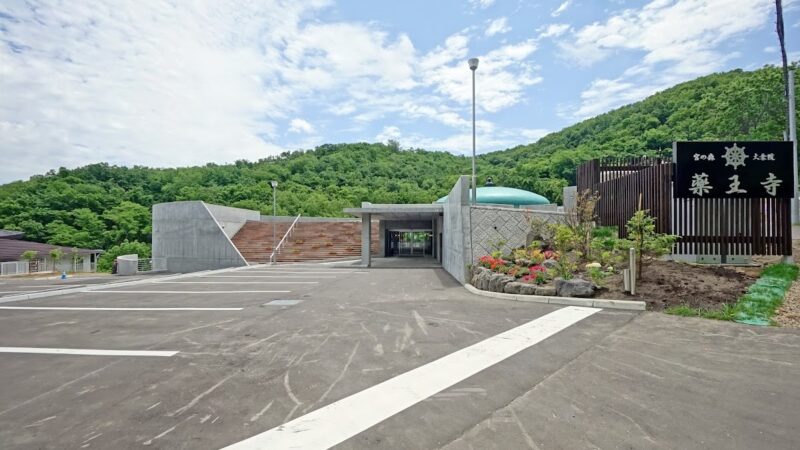
Miyanomori Daijoin Yakuoji Temple:
A temple located near Ryukoji Temple, it also has a cemetery. Even those belonging to denominations other than Shingon Buddhism can choose a temple that suits their respective beliefs.
The Role of Ryukoji Temple as a Shingon Buddhist Temple
The History of Shingon Buddhism in Hokkaido
During the Meiji era, when the full-scale development of Hokkaido began, various Buddhist sects were introduced to Hokkaido along with many immigrants from Honshu. Shingon Buddhism was one of them, and it took root in the northern land through the faith of people who worshipped Kobo Daishi.
Ryukoji Temple (Sapporo) is one of the temples founded during the early stages of Hokkaido Shingon Buddhism and has functioned as the center of Shingon Buddhism in Sapporo for over 120 years.
Connection with Koyasan
As indicated by the title “Koyasan Hokkaido Branch Temple,” Ryukoji Temple has a deep connection with Koyasan Kongobu-ji Temple in Wakayama Prefecture. Koyasan is a sacred site of Shingon Esoteric Buddhism founded by Kobo Daishi Kukai and attracts worshippers as the head temple of Shingon Buddhist temples throughout Japan.
The monks of Ryukoji Temple have trained at Mount Koya and practice the authentic teachings and rituals of Shingon Esoteric Buddhism in Hokkaido. They also maintain close ties with important Buddhist ceremonies and events held at Mount Koya.
Incantations, Prayer, and Esoteric Buddhist Rituals
One of the characteristics of Shingon Buddhist temples is the practice of esoteric Buddhist rituals such as incantations and Goma fire rituals. At Ryukoji Temple, prayers are offered for various wishes, including recovery from illness, family safety, business prosperity, and academic success.
The Goma fire ritual is a unique esoteric Buddhist ceremony in which a fire is lit and wooden prayer sticks are burned, using the power of the flames to burn away worldly desires and fulfill wishes. The powerful flames and chanting during the Goma fire ritual leave a deep impression on visitors.
Manners and Precautions When Visiting Ryukoji Temple
Basic Manners for Visiting a Temple
When visiting a temple, please observe the following basic manners.
- Attire: Modest and modest clothing is preferred. Especially when attending a memorial service, choose subdued colors such as black or navy.
- Greetings: Bow when entering the temple gate and behave quietly within the temple grounds.
- Photography: Refrain from taking photographs inside the main hall, and when photographing the exterior, be considerate of other visitors.
- Offering: When requesting a temple stamp or prayer, offer an appropriate amount.
Suitable Time and Season for Visiting
Temple opening hours are generally from 9:00 AM to 5:00 PM, but these may vary due to memorial services, etc. Especially when visiting to inquire about temple stamps or perpetual memorial services, it is recommended to confirm by phone in advance.
During winter in Hokkaido, snow can make the temple grounds slippery. When visiting in winter, wear non-slip shoes and dress warmly.
The Charms of Ryukoji Temple and the Maruyama Area
History and Culture of the Maruyama Area
The Maruyama area, where Ryukoji Temple is located, is a particularly historical and culturally rich region within Sapporo. With many tourist attractions such as Maruyama Park, Hokkaido Shrine, and Maruyama Zoo, it’s possible to combine temple visits with sightseeing.
Scenery Through the Seasons
Spring: Maruyama Park is famous for its cherry blossoms, and the area is bustling with people during the cherry blossom season. The area around Ryukoji Temple is also beautiful in this season, where you can feel the arrival of spring.
Summer: A cool and refreshing visit amidst the lush greenery.
Autumn: The autumn leaves are beautiful, and the entire Maruyama area is dyed in autumn colors.
Winter: The temple, surrounded by a snowy landscape, is enveloped in a serene and solemn atmosphere.
Summary: The Value and Significance of Ryukoji Temple (Hokkaido)
Ryukoji Temple in Hokkaido has two locations: one in Chuo-ku, Sapporo City, and the other in Kunneppu Town. Both are important temples that continue to uphold the teachings of Shingon Buddhism. The Sapporo Ryukoji Temple, in particular, boasts a history of over 120 years since its founding in the Meiji era and plays a central role in Hokkaido Shingon Buddhism as a branch temple of Koyasan.
Ryukoji Temple continues to preserve the traditional teachings and rituals of Shingon Esoteric Buddhism while offering services that meet modern needs, such as Goshuin (temple stamps), perpetual memorial services, and various Buddhist ceremonies. If you are visiting Sapporo, or considering perpetual memorial services, we highly recommend a visit.
In the tranquil atmosphere of this historic temple, you can find peace of mind and spend valuable time reflecting on your own faith and ancestral worship. Along with the beautiful natural environment of the Maruyama area, Ryukoji Temple offers visitors peace and spiritual fulfillment.