Shōtoku-ji Temple (Toyohira-ku, Sapporo, Hokkaido) | Complete Guide to the History and Visiting the Shinshu Kōshō-ha Sect
Located in Nakanoshima, Toyohira-ku, Sapporo, Hokkaido, Shōtoku-ji Temple is a historic temple belonging to the Shinshu Kōshō-ha sect. Conveniently located just a one-minute walk from Nakanoshima Station on the Sapporo Municipal Subway Namboku Line, it is a beloved center of faith for the local community. This article provides detailed information about Shōtoku-ji Temple, from its basic information and history to its memorial services, perpetual memorial services, and funeral services, offering helpful information for visitors and those considering becoming parishioners.
Basic Information about Shōtoku-ji Temple
Location and Access
Address
3-20, Nakanoshima 2-jo 1-chome, Toyohira-ku, Sapporo, Hokkaido 062-0922
Phone Number
011-815-2043
FAX Number
011-815-2045
Access Methods
- Subway: Approximately 1 minute walk (approx. 81m) from Exit 1 of Nakanoshima Station on the Sapporo Municipal Subway Namboku Line
- Bus: Approximately 1 minute walk (approx. 35m) from the Nakanoshima Station bus stop
- Car: Parking available (please inquire for details)
Nakanoshima Station is easily accessible from the center of Sapporo, approximately 15 minutes from Sapporo Station and approximately 12 minutes from Ōdōri Station. Its proximity to the station makes it easily accessible for the elderly and those with mobility issues.
Opening Hours and Visiting Information
Opening Hours: 9:00 AM – 5:00 PM (Normal Hours)
Visiting is generally permitted during opening hours, however, hours may change during religious services or events. For first-time visitors or those wishing to confirm specific visiting hours, we recommend contacting us by phone in advance.
Sect and Principal Image
Sect: Shinshu Kōshōha
The Shinshu Kōshōha is a branch of Jōdo Shinshū Buddhism, with its head temple being Kōshōji in Kyoto. It follows the teachings of Shinran Shōnin, believes in the original vow of Amida Buddha, and aspires to attain rebirth in the Pure Land through chanting the Nembutsu.
Chief Priest: Taimoto Masaru
The current chief priest values interaction with the local community and provides attentive support through Dharma talks and consultations on Buddhist matters.
History and Origins of Shōtoku-ji Temple
Development of the Shinshu Kōshō School in Hokkaido
The propagation of Jōdo Shinshū Buddhism in Hokkaido began in earnest with the development of the region during the Meiji era. Many of the settlers who migrated from Honshu were followers of Jōdo Shinshū, and temples were established throughout the region as spiritual centers for them.
Shōtoku-ji Temple, along with the development of Sapporo, has become a temple deeply rooted in the community, supporting the religious lives of the people in the Nakanoshima area of Toyohira Ward. The temple’s name, “Shōtoku,” embodies the wish to clarify virtue and spread Buddhist teachings.
Connection with the Nakanoshima Area
Nakanoshima is a residential area that has developed in Toyohira Ward, Sapporo City, and Shōtoku-ji Temple has played a central role in the local community. Through memorial services during Obon and Higan, and annual events, it fosters community bonds that transcend generations.
The Teachings of the Shinshu Kōshō School and the Practices of Shōtoku-ji Temple
Basic Teachings of Jōdo Shinshū
Jōdo Shinshū is a Buddhist sect founded by Shinran Shōnin and has the following characteristics:
- Other-Power Vow: The teaching that salvation is achieved through the power of Amida Buddha’s original vow.
- Salvation for the Wicked: The idea that ordinary people burdened with worldly desires are the very ones who are meant to be saved.
- Nembutsu: Expressing devotion to Amida Buddha by chanting “Namu Amida Butsu.”
- Rebirth in the Pure Land Over Worldly Benefits: The most important goal is rebirth in the Pure Land after death.
Dharma Talks and Learning at Shōtoku-ji Temple
Shōtoku-ji Temple regularly holds Dharma talks where the head priest speaks about Buddhist teachings and wisdom applicable to daily life. The content is easy to understand even for beginners, making it a good opportunity to experience Buddhism.
Memorial Services and Events Held at Shōtoku-ji Temple
Annual Events
Spring Equinox Service (March)
A week-long memorial service for ancestors is held around the spring equinox.
Flower Festival (April 8th)
A celebration of the birth of Buddha.
Obon Memorial Service (August)
In Hokkaido, Obon is celebrated in August according to the new calendar. Ancestors are honored during the Urabon-e festival.
Autumn Equinox Service (September)
A memorial service for ancestors is held again around the autumn equinox.
Hōon-kō (November or December)
This is the most important memorial service in Jōdo Shinshū Buddhism, commemorating the death anniversary of Shinran Shōnin.
Individual Memorial Services
- Annual Memorial Services: First anniversary, third anniversary, seventh anniversary, thirteenth anniversary, etc.
- Monthly Memorial Service: A memorial service held on the anniversary of death each month.
- First Visit to the Temple: A prayer for the healthy growth of a baby.
- Buddhist Wedding Ceremony: A wedding ceremony held before the Buddhist altar.
For details on memorial service dates and other information, please contact the temple directly.
Funeral and Memorial Service Services at Seitoku-ji Temple
Features of Temple Funerals
Seitoku-ji Temple offers funeral services conducted at the temple. Temple funerals offer the following advantages:
- Solemn Atmosphere: Funerals held in the main hall provide a solemn and dignified atmosphere for sending off the deceased.
- Religious Significance: A respectful ceremony based on Buddhist teachings is conducted.
- Convenient Access: Located just a one-minute walk from Nakanoshima Station, minimizing the burden on attendees.
- Suitable for Family Funerals: We can accommodate various sizes of funerals, from small family funerals to larger, more traditional funerals.
Funeral Styles
In recent years, funeral styles have diversified, and Shōtoku-ji Temple offers the following types of funerals:
- Traditional Funeral: A traditional funeral where relatives, friends, and acquaintances are widely invited.
- Family Funeral: A small-scale funeral attended only by family and close relatives.
- One-Day Funeral: A style where the wake is omitted, and the funeral service and cremation are conducted on the same day.
- Direct Cremation: A simple style where only cremation takes place, without a wake or funeral service.
Funeral Procedure
A Shinshu Kōshō-ha funeral follows the following procedure:
- Last Standing Service: A service is performed at the deceased’s bedside.
- Wake: A ceremony to remember the deceased and spend the night together.
- Funeral and Farewell Ceremony: A ceremony to say a final farewell to the deceased.
- Departure of the Coffin: Proceeding to the crematorium.
- First Seven Days Memorial Service: Often held on the day of the funeral.
Funeral Costs
Funeral costs vary greatly depending on the scale and content of the service. If you are considering a temple funeral at Shōtoku-ji Temple, we recommend obtaining an estimate in advance. Generally, the following costs are required:
- Offering: A thank you for the chanting of sutras and the bestowal of a posthumous Buddhist name.
- Venue Usage Fee: Fee for using the temple’s main hall.
- Funeral Package Costs: Altar, coffin, floral tributes, etc.
- Food and Hospitality Costs: Reception and post-funeral meal, etc.
- Other: Gifts of appreciation, cremation fees, etc.
About Perpetual Memorial Services and Interment
What is a Perpetual Memorial Service?
A perpetual memorial service is a system where the temple takes responsibility for performing perpetual memorial services for the deceased. It is chosen by those who have no successors or who do not want to burden their descendants with the responsibility of maintaining the grave.
Features of Perpetual Memorial Services at Seidoku-ji Temple
Seidoku-ji Temple accepts consultations regarding perpetual memorial services. The main features are as follows:
- Individual Interment Period: Remains are interred individually for a certain period.
- Communal Interment: After the period ends, the remains are interred in a communal grave along with those of others.
- No Annual Management Fee: Once interred, there are no additional costs (depending on the plan).
- Regular Memorial Services: Memorial services are held during the spring and autumn equinoxes and annual memorial services.
Columbarium and Tree Burial
In recent years, in addition to the traditional method of erecting a tombstone, options such as columbariums and tree burials have increased. Seitoku-ji Temple also caters to these needs; please contact us directly for details.
Consultation on Grave Closure
We also offer consultations on grave closure (reburial) for those who find it difficult to manage a grave located far away, or those without successors. It is possible to remove the remains from an existing grave and rebury them in Seitoku-ji Temple’s perpetual memorial grave.
The Danka System and How to Interact with Temples
Benefits of Becoming a Danka
Becoming a danka of Shōtoku-ji Temple offers the following benefits:
- Priority Handling of Funerals and Memorial Services: Smooth handling even for urgent funerals
- Buddhist Consultation: Consultation on Buddhist matters and life advice
- Participation in Temple Events: Participation in Dharma talks and various events
- Use of Cemetery Plots: Use of temple cemeteries (if available)
- Spiritual Support: Peace of mind through faith
Obligations of Danka
Danka have the following obligations:
- Maintenance Fee: Annual fee for the maintenance and management of the temple
- Offering: A token of gratitude for memorial services
- Cooperation with Temple Events: Participation in and cooperation with events to the extent possible
Use by Non-Danka
Shōtoku-ji Temple offers services such as funerals, memorial services, and perpetual memorial services to non-danka members. Please contact us by phone first.
Temple Visit Manners and Etiquette
Basic Manners for Temple Visits
- Attire: Dress neatly and appropriately (semi-formal attire is preferable during memorial services)
- Entrance: Bow when passing through the temple gate
- Main Hall: Remove your shoes before entering and bow with clasped hands towards the main image of Buddha
- Photography: Photography is generally prohibited inside the main hall (permission is required)
- Quietness: Refrain from loud conversations
Shinshu Temple Visit Etiquette
Jodo Shinshu temple visit etiquette differs slightly from other sects:
- Clasped Hands: Bring both hands together in front of your chest
- Nembutsu: Quietly chant “Namu Amida Butsu”
- Incense Offering: Do not press the incense to your forehead; place it directly into the incense burner (once or twice)
- Prayer Beads: Wear them on both hands
Information around Seitoku-ji Temple
Nearby Cemeteries and Burial Grounds
The following cemeteries and burial grounds are located near Seitoku-ji Temple:
- Sapporo Reido: Indoor columbarium
- Sapporo Municipal Hiragishi Cemetery: Public cemetery
- Sapporo Municipal Sumikawa Cemetery: Public cemetery
Even if you are considering these cemeteries, memorial services can be held at Seitoku-ji Temple.
Characteristics of the Nakanoshima Area
Nakanoshima is a quiet residential area in Toyohira Ward, with the following characteristics:
- Convenient Transportation: Easy access to central Sapporo via the Namboku Subway Line
- Living Environment: Supermarkets, hospitals, schools, etc. are readily available
- Toyohira River: The area along the nearby Toyohira River is ideal for walks
- Hiragishi District: The adjacent Hiragishi is famous as an apple-producing area
Parking and Access Notes
Seitoku-ji Temple has a parking lot, but it can get crowded during memorial services. We recommend using public transportation whenever possible. If you are coming by car, the following routes are convenient:
- From National Route 36 towards Toyohira Ward
- From Kanjo-dori towards Nakanoshima
If using a car navigation system, please search by phone number (011-815-2043) or address.
How to Contact Shōtoku-ji Temple
Inquiries by Phone
Phone Number: 011-815-2043
Reception Hours: 9:00 AM – 5:00 PM (approximate)
Please feel free to call us regarding funerals, memorial services, perpetual memorial services, and inquiries about temple membership. In case of emergency, we may be able to assist you outside of business hours, so please call us first.
Inquiries by Fax
Fax Number: 011-815-2045
We also accept inquiries by fax, including written inquiries and memorial service application forms.
Direct Visits
For first-time visitors, we recommend making an appointment by phone in advance. The head priest may be absent or unable to assist you during a memorial service.
Hokkaido’s Temple Culture and Seitoku-ji Temple
Characteristics of Buddhism in Hokkaido
Hokkaido’s Buddhist culture has a shorter history compared to Honshu, developing alongside the settlement of the region since the Meiji era. Therefore:
- Diversity of Sects: A diverse range of sects coexist due to immigrants from various regions.
- New Temple Architecture: A fusion of traditional styles and adaptations to Hokkaido’s climate.
- Pioneering Spirit: A connection between the spirituality to overcome difficulties and the teachings of Buddhism.
- Center of the Local Community: The importance of the temple’s role in the settlement.
Development of the Shinshu Kōshō-ha in Hokkaido
The Shinshu Kōshō-ha has temples throughout Hokkaido, including several in Sapporo. Seitoku-ji Temple, in particular, serves as an important base in Toyohira Ward, supporting the religious life of the local community.
Frequently Asked Questions (FAQ)
Q1: Can I request funeral services from Shōtoku-ji Temple even if I am not a temple parishioner?
A1: Yes, you can. Shōtoku-ji Temple can conduct funerals and memorial services even for those who are not parishioners. Please contact us by phone (011-815-2043) first. We will carefully explain the scale, content, and costs of the funeral.
Q2: How much does perpetual memorial service cost?
A2: The cost of perpetual memorial service varies depending on the plan and the length of the individual interment period. Generally, it ranges from several hundred thousand yen to around one million yen, but please contact the temple directly for details. We offer free consultations and tours.
Q3: Is there parking available?
A3: Yes, there is parking available. However, it can get crowded during memorial services, so we recommend using public transportation whenever possible. It is conveniently located just a one-minute walk from Nakanoshima Station.
Q4: This is my first visit. Do I need to prepare anything?
A4: No special preparations are necessary. Please come in clean attire. For memorial services, semi-formal attire is preferable, but casual clothing is also acceptable. If you have prayer beads, please bring them with you.
Q5: I belong to a different Buddhist sect. Can I have a funeral at Shōtoku-ji Temple?
A5: Shōtoku-ji Temple is a Shinshu Kōshō-ha temple, so funerals are generally conducted according to Shinshu customs. For those of other sects, please consult with us, and we will consider your request. Please call us first.
Q6: Can anyone participate in the annual events?
A6: Yes, many annual events are open to non-parishioners. There are also memorial services, such as Hōonkō and Higan-e, that anyone can participate in. If you wish to participate, please contact the temple in advance, and we will provide you with the dates and details.
Q7: When are the Dharma talks held?
A7: The dates for the Dharma talks vary depending on the time of year. They are held regularly, so please contact the temple directly for detailed dates. First-time attendees are very welcome.
Q8: Can I visit the cemetery?
A8: Yes, you can visit the cemetery and the perpetual memorial graves. If you make a reservation by phone in advance, the head priest or temple staff will give you a thorough tour. We will also explain the costs and contract details in detail.
Summary
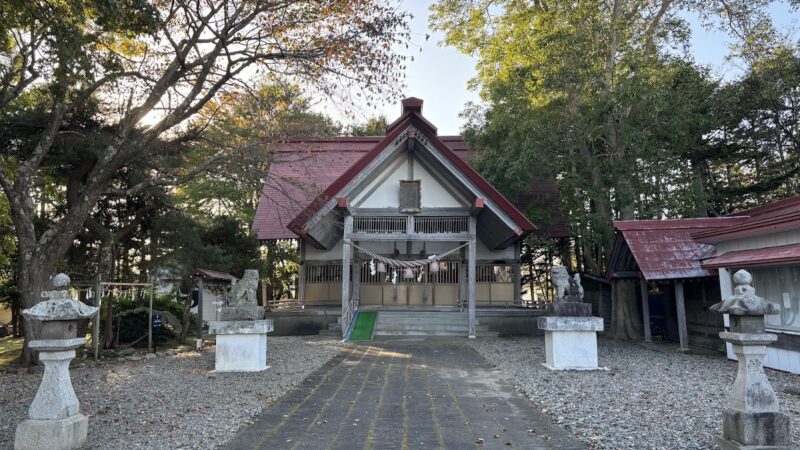
Seitoku-ji Temple is a Shinshu Kōshō-ha temple located in Nakanoshima, Toyohira-ku, Sapporo City, Hokkaido, and plays an important role in supporting the religious lives of the local people. It is characterized by its excellent accessibility (just a 1-minute walk from Nakanoshima Station), its magnificent main hall, and the caring service of its head priest.
The temple is open to everyone, both temple members and non-members, and is happy to provide consultations regarding funerals, memorial services, perpetual memorial services, and cemeteries. For those seeking a heartfelt memorial service based on Buddhist teachings at life’s milestones or when saying goodbye to a loved one, Shōtoku-ji Temple is a trustworthy option.
If you are looking for a temple in Hokkaido, or considering funeral services or perpetual memorial services, please contact Shōtoku-ji Temple. We welcome consultations by phone (011-815-2043) and visits in person.
We hope that Shōtoku-ji Temple will serve as a place of solace and a place to remember your loved ones for many years to come.