Complete Guide to Toramiji Temple (Chiba Prefecture) | History, Cultural Assets, and Access Information
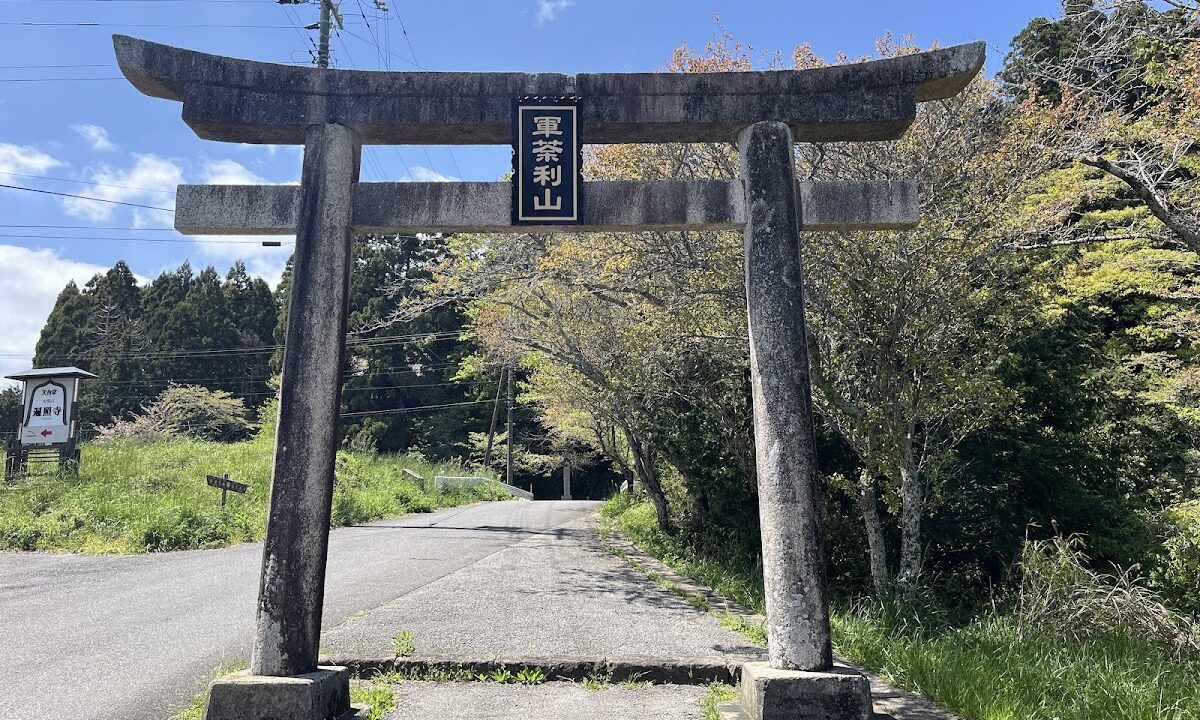
Toramiji Temple, located in Torami, Ichinomiya-machi, Chosei-gun, Chiba Prefecture, is a historic temple belonging to the Tendai sect. Its mountain name is Gundari-san, and it has long been a center of local faith. This article provides a detailed introduction to Toramiji Temple, including its history, valuable cultural assets, points of interest within the temple grounds, and useful access information for visitors.
Basic Information about Toramiji Temple
Toramiji Temple is a Tendai sect temple located in Torami, Ichinomiya-machi, in the Sotobo region of Chiba Prefecture. Its mountain name is Gundari-san, and it enshrines Gundari Myoo as its principal deity.
Location: 3446 Torami, Ichinomiya-machi, Chosei-gun, Chiba Prefecture
Sect: Tendai Buddhism
Mountain Name: Gundari-zan
Phone Number: 0475-42-4951
The name Torami has long been known as a coastal area where waves crash, and it is currently located near Tsurigasaki Beach, the surfing venue for the Tokyo 2020 Olympics. This area is located at the southern end of Kujukuri Beach and is blessed with a beautiful coastline and abundant nature.
History of Torami-ji Temple
While there are no detailed records regarding the founding date of Torami-ji Temple, an inscription on the back of the plaque remaining in the main hall confirms that it existed at least by the mid-Edo period.
Torami-ji Temple in the Edo Period
An inscription on the back of the plaque in the existing main hall dates to around Kyoho 8 (1723), suggesting that the main hall was built around this time or earlier. The Kyoho era was a time when Tokugawa Yoshimune, as shogun, promoted the “Kyoho Reforms,” and temples and shrines were being developed nationwide.
The main hall is built in the traditional hip-and-gable roof style, which well preserves the characteristics of temple architecture from the mid-Edo period. The hip-and-gable roof style has a roof that slopes in all four directions, giving it stability and making it resistant to wind and rain.
Connection to the Tendai Sect
Tōrami-ji Temple belongs to the Tendai sect, and has transmitted the teachings of Buddhism with Enryaku-ji Temple on Mount Hiei as its head temple. The Tendai sect is one of the representative sects of Japanese Buddhism, founded by Saichō in the early Heian period. It is based on the “One Vehicle” concept, teaching that all people can attain Buddhahood.
Many Tendai sect temples exist in Chiba Prefecture, and Tōrami-ji Temple is one of them, supporting the faith of the region. A distinctive feature of this temple is that it enshrines Gundari Myoo as its principal deity. This Myoo is considered one of the Five Great Wisdom Kings and is believed to possess the power to crush worldly desires and save all sentient beings.
Cultural Properties of Torami-ji Temple
Torami-ji Temple houses valuable cultural properties, including those designated as tangible cultural properties by Chiba Prefecture.
Wooden Standing Statue of Gundari Myoo (Chiba Prefecture Designated Tangible Cultural Property)
The most important cultural property of Torami-ji Temple is the Wooden Standing Statue of Gundari Myoo. This Buddha statue is designated as a tangible cultural property (sculpture) by Chiba Prefecture and is worshipped as the principal deity of the temple.
Gundari Myoo (Gundari Myoo) is a Buddhist guardian deity called Kundali in Sanskrit. He is counted as one of the Five Great Wisdom Kings and is known as the guardian deity of the south. This figure is usually depicted with a wrathful expression, representing a powerful presence that overcomes worldly desires and obstacles.
The standing statue of Gundari Myoo (Kundali Vidyaraja) housed at Torami-ji Temple is highly regarded as a work that demonstrates excellent wood carving techniques. Research into its sculptural methods, style, production date, and artist continues, and it occupies an important position in the history of Buddhist art in Chiba Prefecture.
Architectural Style of the Main Hall
The main hall of Torami-ji Temple is a hip-and-gable roofed building believed to have been constructed around 1723 (Kyoho 8) or earlier. This building, with nearly 300 years of history, is a valuable example of temple architecture from the mid-Edo period.
The hip-and-gable roof is a roof style widely used in traditional Japanese architecture, characterized by a roof that slopes on all four sides. This structure is structurally stable and robust enough to withstand strong winds such as typhoons. The choice of this architectural style in Torami, a location close to the sea, is also logical in terms of adapting to the climatic conditions.
Inside the main hall, a plaque is displayed, and the inscription on its back provides an important clue to estimating the date of its construction. Such historical traces are valuable resources for unraveling the history of the temple.
Highlights of the Temple Grounds
The grounds of Torami-ji Temple offer a tranquil space where historical buildings and nature harmonize.
Main Hall
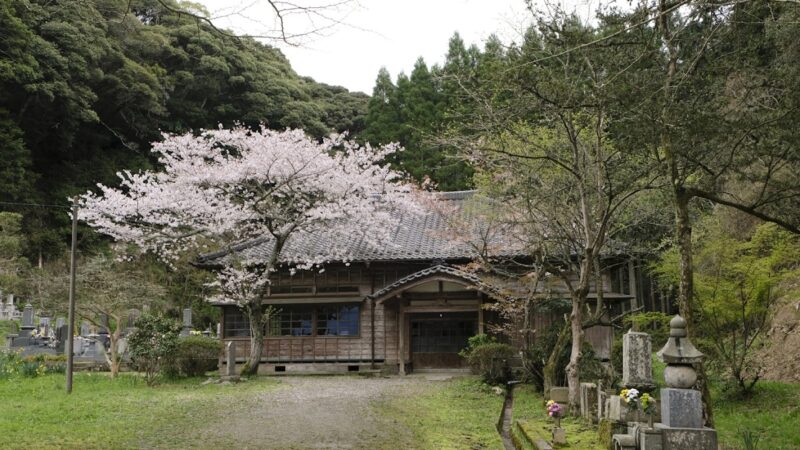
Located in the center of the grounds, the main hall possesses a solemn atmosphere that quietly welcomes visitors. The hipped roof has acquired a deep color over many years, creating a beautiful landscape that harmonizes with the surrounding greenery.
Inside the main hall is enshrined the principal image, a standing statue of Gundari Myoo, where visitors can quietly offer their prayers. The decorations and Buddhist implements inside the hall also reflect the temple’s traditions, carefully preserved throughout its long history.
Natural Environment of the Temple Grounds
The grounds of Torami-ji Temple offer an environment where visitors can enjoy the changing seasons. In spring, cherry blossoms bloom; in summer, lush greenery covers the temple grounds; in autumn, the leaves change color; and in winter, a tranquil atmosphere envelops the grounds.
Due to its proximity to the sea, visitors will feel the sea breeze during their visit, which is another unique characteristic of Torami-ji Temple. On clear days, you can see the blue Pacific Ocean in the distance from the temple grounds.
Access Information
Here’s how to access Torami-ji Temple.
Access by Train
Using the JR Sotobo Line
- Walking from Torami Station
Approximately 20 minutes on foot from JR Sotobo Line “Torami Station”
Exit the station and head east, following the signs.
- By Car/Taxi from Kazusa-Ichinomiya Station
Approximately 6 minutes by car from JR Sotobo Line “Kazusa-Ichinomiya Station”
Taking a taxi from the station is convenient.
Access by Car
If using the expressway:
- Approximately 10 minutes from the Ichinomiya IC on the Kujukuri Toll Road
- Approximately 20 minutes via National Route 128 from the Mobara-Chonan IC on the Ken-O Expressway
Parking: There is parking space for visitors on the temple grounds, but the number of spaces is limited, so caution is advised during busy periods such as long holidays.
Address and Contact Information
Address: 3446 Higashinami, Ichinomiya-machi, Chosei-gun, Chiba Prefecture 299-4303
Phone Number: 0475-42-4951
If you wish to check the schedule of special events or memorial services before visiting, it is recommended to inquire by phone in advance.
Nearby Tourist Attractions
When visiting Higashinami-dera Temple, visiting nearby tourist attractions will make your trip even more fulfilling.
Torimi Torii Gate (Tsurigasaki Coast)
Located about a 5-minute drive from Torimi Temple, Tsurigasaki Coast is home to the Torimi Torii gate, standing as if watching over the sea. This gate is situated at the southern end of Kujukuri Beach and is known for its fantastical scenery against the backdrop of the vast Pacific Ocean.
This coast, which hosted the surfing competition at the 2020 Tokyo Olympics, is a popular spot attracting many surfers from both Japan and abroad. At sunrise, you can witness a breathtaking view of the torii gate’s silhouette intertwined with the rising sun.
Tamasaki Shrine
Located near Kazusa-Ichinomiya Station, Tamasaki Shrine is a prestigious shrine that has long been revered as the Ichinomiya (first-ranked shrine) of Kazusa Province. Known as a deity of matchmaking and fertility, it features a beautiful vermilion-lacquered shrine building.
Located about a 10-minute drive from Torimi Temple, it’s ideal for a visit as part of a shrine and temple tour.
Ichinomiya Coast
The coastline of Ichinomiya Town is nationally famous as a surfing mecca. Known for its excellent waves, it attracts many surfers throughout the year. Surf shops and cafes are scattered along the coast, allowing visitors to relax and enjoy the ocean view.
Manners for Visiting Torami-ji Temple
When visiting a temple, it is important to observe basic manners.
Attire
While formal attire is not required, avoid revealing clothing and aim for clean, understated attire.
Etiquette for Visiting
- Bow at the Temple Gate: Before entering the temple grounds, bow at the temple gate.
- Purify at the Water Basin: If there is a water basin, purify your hands and mouth.
- Worship at the Main Hall: Quietly join your hands in prayer before the main hall and offer your prayers with sincerity.
- Respecting the Tranquility of the Temple Grounds: Please refrain from speaking loudly or running around, and remain quiet.
Photography
Photography is generally permitted on the temple grounds, but photography inside the main hall or of Buddha statues may be prohibited. Please check before taking photos, or inquire at the temple office if unsure.
History and Culture of the Torami Region
The name Torami evokes the image of a coastline where waves crash. This region has long been a center of fishing, and people have lived in harmony with the sea.
Torami Jinku
Ichinomiya Town has a traditional folk song called “Torami Jinku.” This is a cultural asset that has been sung at local festivals and events, and is a valuable intangible cultural heritage that conveys the history of the region and the lives of its people.
The Sea and Faith
In coastal regions, faith praying for safety at sea and abundant catches has been deeply rooted since ancient times. Torami Temple has also functioned as a place of prayer for the people of this region. The protective power of Gundari Myoo must have been a source of strength for fishermen facing rough seas.
Torami-ji Temple in the Four Seasons
Torami-ji Temple shows a different face in each of the four seasons.
Spring (March-May)
In spring, the cherry blossoms in the temple grounds are in full bloom, and visitors can enjoy worship in the gentle spring sunshine. It is also the season when new greenery sprouts, and you can feel the atmosphere of the temple grounds full of vitality.
Summer (June-August)
In summer, the temple grounds, enveloped in deep green, create a cool atmosphere. The sea breeze is pleasant, making it a relatively comfortable environment even in the heat. Many people visit during this season, often combining it with surfing at the nearby beach.
Autumn (September-November)
In autumn, the trees in the temple grounds change color, allowing for quiet worship in a tranquil atmosphere. It is a season to fully appreciate the charm of this historic temple under the clear autumn sky.
Winter (December to February)
In winter, there are fewer visitors, allowing you to quietly find peace in the temple grounds. A crisp, refreshing air envelops the grounds amidst the cold sea breeze.
Torami-ji Temple and the Local Community
Torami-ji Temple is not merely a tourist spot; it has functioned as a central hub for the local community.
Involvement in Local Events
Throughout the year, various Buddhist services and events are held at the temple, making it a gathering place for local people. Seasonal Buddhist ceremonies, such as the Obon (Buddhist festival) memorial service and New Year’s celebrations, are passed down as local traditions.
Cultural Property Preservation Activities
The preservation of valuable cultural properties, including the wooden standing statue of Gundari Myoo (a Chiba Prefecture designated cultural property), requires the cooperation of local residents and the government. Torami-ji Temple continues its efforts to pass on these cultural properties to future generations.
The Position of Torami-ji Temple in Chiba Prefecture’s Temple Culture
Chiba Prefecture is home to numerous historical temples, each possessing its own unique history and cultural assets. Torami-ji Temple, as a Tendai sect temple and a temple housing prefecturally designated cultural properties, occupies an important position in Chiba Prefecture’s temple culture.
Characteristics as a Tendai Sect Temple
Many Tendai sect temples exist within Chiba Prefecture, each functioning as a center of local faith. Torami-ji Temple is one such temple, playing a role in transmitting the teachings of the Tendai sect to the region.
From the Perspective of Cultural Property Protection
Chiba Prefecture possesses many cultural properties, and their protection and utilization are crucial issues. The wooden standing statue of Gundari Myoo at Torami-ji Temple is recognized for its high academic value as one of the representative works of Buddhist art in the prefecture.
Points to Note When Visiting
When visiting Torami-ji Temple, please note the following points.
Visiting Hours
Normally, daytime visits are possible, but please avoid visiting early in the morning or late at night. On days with special events or memorial services, general visits may be restricted.
Weather Considerations
Due to its location near the sea, extra caution is needed on windy or rainy days. During typhoon season, approaching the coast may be dangerous, so please check weather information before visiting.
Considerations for the Community
The area around Torami-dera Temple is also a residential area. Please be considerate of local residents by avoiding noise, illegal parking, etc.
Future Prospects for Torami-dera Temple
As a temple with a long history, Torami-dera Temple is expected to continue to be a center of faith in the region. At the same time, it bears the responsibility of preserving valuable cultural assets and passing them on to future generations.
In recent years, its location near Tsurigasaki Beach, the venue for the surfing competition at the 2020 Tokyo Olympics, has increased attention to the entire Torami area. Taking advantage of this opportunity, it is expected to play a role as a hub for disseminating the region’s history and culture.
Summary
Tōranmi-ji Temple is an ancient Tendai sect temple located in Ichinomiya-machi, Chōsei-gun, Chiba Prefecture. It is a historic temple that houses a wooden standing statue of Gundari Myōō, a prefectural designated cultural property. The main hall, built during the Kyōhō era, still retains the characteristics of temple architecture from the mid-Edo period.
It is located about a 20-minute walk from Tōranmi Station on the JR Sotobō Line and about a 6-minute drive from Kazusa-Ichinomiya Station. The surrounding area boasts many attractive tourist spots, including Tsurigasaki Beach with its Tōranmi Torii gate and Tamasaki Shrine.
Tōranmi-ji Temple offers a peaceful environment near the sea where you can immerse yourself in history and culture while offering a tranquil visit. When you visit Chiba Prefecture, why not pay a visit? You can spend a peaceful time in the temple grounds, which harmonize with the changing seasons.