Enrinji Temple (Chiba Prefecture) Complete Guide: History, Access, and Highlights Explained in Detail
Chiba Prefecture is home to numerous historical temples, each preserving its own unique history and culture. This article provides a detailed explanation of Enrinji Temple, a distinctive temple within Chiba Prefecture, covering its historical background, sectarian characteristics, highlights within the temple grounds, access methods, annual events, and other information you should know before visiting.
What is Enrinji Temple? Basic Information and Overview
Enrinji Temple is a Buddhist temple located in Chiba Prefecture. Many historical temples exist in Chiba Prefecture, including Chiba City, Choshi City, Ichikawa City, Funabashi City, Matsudo City, Kashiwa City, Ichihara City, Yachiyo City, Abiko City, Sakura City, and Narita City, each playing an important role as a center of local faith.
Origin and Meaning of the Temple Name
The temple name “Enrinji” embodies the important Buddhist concepts of “circle” and “wheel.” “Circle” represents completeness and harmony, while “wheel” symbolizes the wheel of Buddhist teachings (Dharma wheel) and the cycle of cause and effect, expressing the uninterrupted continuation of Buddhist teachings. Such temple names generally reflect the wishes and thoughts of the founder or first abbot at the time of its establishment.
Location and Jurisdiction
Temples within Chiba Prefecture are currently managed and protected as cultural properties by the education boards and cultural property divisions of each municipality. The Cultural Property Division of the Chiba Prefectural Government also publishes important temple buildings, Buddhist statues, and other cultural properties within the prefecture, striving for their preservation and utilization.
History and Founding of Enrinji
Founding Date and Founder
Many temples in Chiba Prefecture were founded between the Heian and Edo periods. Particularly from the early Edo period to the Edo period, the Tokugawa shogunate’s religious policies led to the development of the temple system, resulting in the construction of many temples and the restoration of existing ones.
It is highly probable that Enrinji Temple was founded within this historical context, likely by influential local figures or monks. Many temples in Chiba Prefecture have developed as centers of local faith, closely intertwined with local communities under the danka (parishioner) system.
Historical Changes and Relocations
Many temples in Chiba Prefecture have experienced several relocations since their founding. Many temples were forced to move their main halls and other buildings due to reasons such as war, natural disasters, and urban development.
For example, Enpukuji Temple in Anagawa-cho, Inage-ku, Chiba City, was founded in 1343 in Ienoko, Togane City, before relocating to its current location. Thus, temple relocations are not uncommon, illustrating how each temple has survived while adapting to changing times.
Development during the Edo Period
The Edo period was a crucial period of development for temples. The Tokugawa shogunate’s danka system (parishioner system) mandated that all citizens belong to a temple, and temples took on administrative roles within their communities. During this time, many temples rebuilt their main halls and improved their grounds, forming the foundation for the temple complexes we see today.
Characteristics of Sects and Doctrines
Major Buddhist Sects in Chiba Prefecture
Chiba Prefecture is home to temples of various sects. The main sects include:
Shingon Sect: A sect of esoteric Buddhism founded by Kukai (Kobo Daishi). Enpuku-ji Temple (Iinuma Kannon) in Choshi City is famous as an ancient Shingon temple and attracts many pilgrims as the 27th temple on the Bando Thirty-Three Kannon Pilgrimage.
Rinzai Sect: A branch of Zen Buddhism. Enpuku-ji Temple in Inage-ku, Chiba City, belongs to the Myoshin-ji branch of the Rinzai school of Zen Buddhism and is known as the only Rinzai Zen temple in Chiba City. It offers training experiences such as Zen meditation and sutra copying sessions.
Nichiren Buddhism: A sect founded by Nichiren Shonin. Chiba Prefecture is the birthplace of Nichiren Shonin, and many Nichiren temples exist within the prefecture. In particular, the area known as “Shichiri Hokke” has a concentration of famous Nichiren temples.
Tendai Buddhism: A sect founded by Saicho. Its head temple is Enryaku-ji Temple on Mount Hiei, and it has many branch temples within Chiba Prefecture.
Differences in Characteristics by Sect
Each sect has its own unique doctrines, training methods, and rituals.
Shingon Buddhism is characterized by its esoteric Buddhist teachings and rituals such as Goma fire ceremonies. It often enshrines Dainichi Nyorai as its principal deity, and Kannon worship is also prevalent.
Rinzai Zen Buddhism emphasizes the experience of enlightenment through seated meditation. A key feature is the deepening of practice through question-and-answer sessions called koans, and many temples hold seated meditation sessions for the general public.
Nichiren Buddhism emphasizes the teachings of the Lotus Sutra, with the chanting of the mantra “Namu Myoho Renge Kyo” being fundamental.
Principal Deities and Enshrined Buddhas
Major Principal Deities
In temples within Chiba Prefecture, various Buddha statues are enshrined as principal deities.
Kannon Bodhisattva: The Eleven-Faced Kannon Bodhisattva, in particular, is widely worshipped in the Kanto region. The Eleven-Faced Kannon enshrined at Enpuku-ji Temple (Iinuma Kannon) in Choshi is one of the 33 Kannon pilgrimage sites spanning Kanagawa, Saitama, Tokyo, Gunma, Tochigi, Ibaraki, and Chiba prefectures, attracting many pilgrims.
Shakyamuni Buddha: Many temples enshrine Shakyamuni, the founder of Buddhism, as their principal deity, and Buddhist art such as Nirvana paintings are preserved as important cultural properties.
Vairocana Buddha: This is the principal deity in many Shingon Buddhist temples and is revered as the fundamental Buddha of Esoteric Buddhism.
Buddhist Statues as Cultural Properties
Many temples in Chiba Prefecture house Buddhist statues designated as cultural properties by the national, prefectural, and municipal governments. These statues are of high academic value as valuable historical materials illustrating the evolution of Buddhist art from the Heian period to the Edo period.
Temple Grounds Highlights and Buildings
Architectural Styles of Main Halls
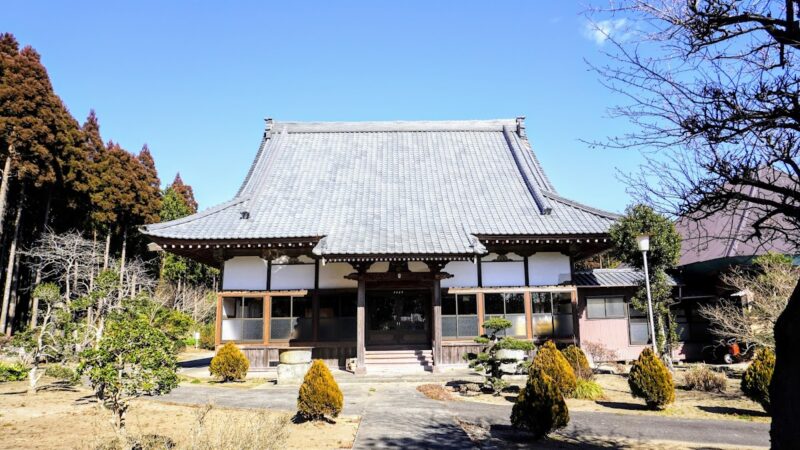
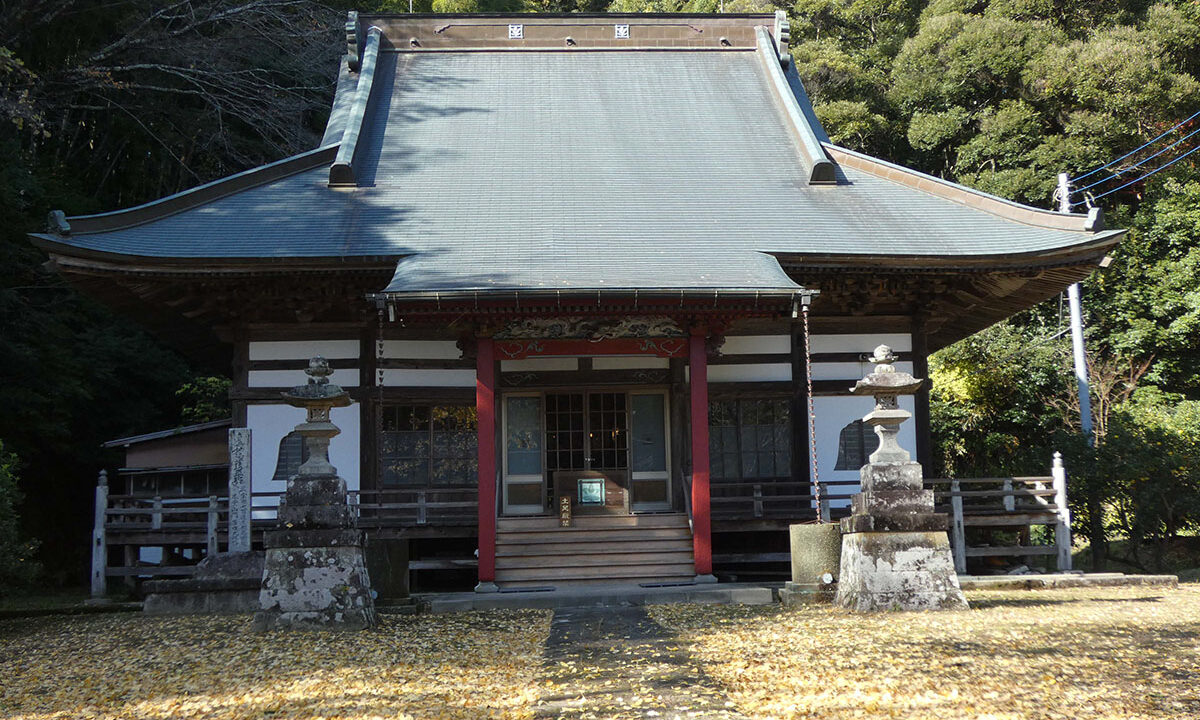
Temple buildings in Chiba Prefecture reflect the architectural styles of various eras, and many are of high cultural value. The main hall is the central building of the temple and the most important space where the principal deity is enshrined.
Many main halls built during the Edo period exhibit an eclectic style, incorporating elements of Zen Buddhism and Daibutsu-style architecture while primarily based on the Japanese style. The roofs are typically hipped or gabled, and tiled roofs are the norm.
Other Temple Buildings
Besides the main hall, various other buildings are located within the temple grounds:
Daishi-do: A hall dedicated to Kobo Daishi, commonly found in Shingon Buddhist temples. The Daishi-do at Enpuku-ji Temple in Choshi was rebuilt in 1841 (Kaei 1), making it a valuable structure with over 150 years of history.
Shoro: A building housing the temple bell, which is rung for time signals in the morning and evening, and during religious ceremonies. Many worshippers visit during the New Year period to ring the bell on New Year’s Eve.
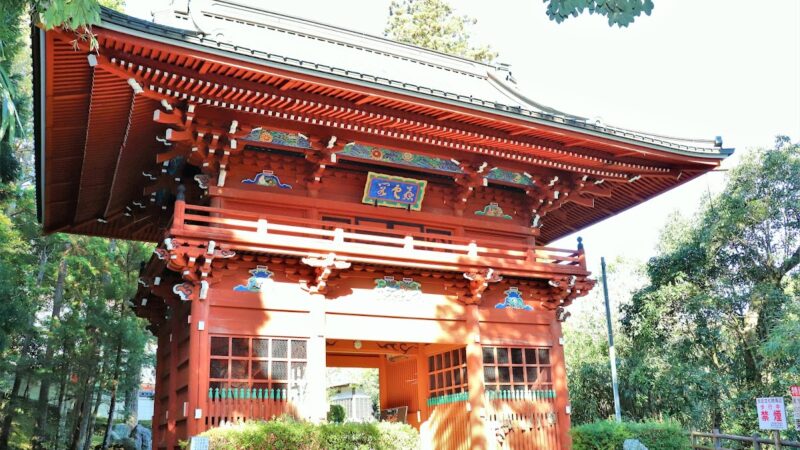
Sanmon: A gate standing at the entrance to the temple, marking the boundary between the secular world and the sacred realm.
Kuri: This building serves as the living quarters for the head priest and as the temple office.
Five-Storied Pagodas and Multi-Storied Pagodas
Some temples in Chiba Prefecture feature stupa architecture, such as five-storied pagodas and multi-storied pagodas. These are symbolic structures housing Buddhist relics and also indicate the temple’s status. The architectural style and decoration of the pagodas reflect the era of their construction and the characteristics of the sect.
Gardens and Temple Grounds
Many temples have gardens on their grounds. Zen temples often feature dry landscape gardens, expressing nature and the universe through stone arrangements and sand patterns. Some temples also have pond gardens, allowing visitors to enjoy the scenery of each season.
The temple grounds contain many ancient and famous trees, and seasonal flowering trees such as cherry blossoms, plum blossoms, and maple trees particularly delight visitors.
Annual Events and Memorial Services
Major Annual Events
Temples in Chiba Prefecture hold various events and memorial services throughout the year. Hatsumode: The first visit to a shrine or temple in the new year, attracting many worshippers. Enpuku-ji Temple in Choshi, in particular, is bustling with people visiting for Hatsumode, as it is the easternmost Kannon temple in the Kanto region, arriving at the temple to see the first sunrise of the year.
Setsubun-e: A bean-throwing ceremony held around February 3rd, where people pray for protection from evil and good fortune.
Hanamatsuri: A celebration of the birth of Buddha on April 8th, where it is customary to pour sweet tea over a statue of the infant Buddha enshrined in a flower-decorated hall.
Obon: An ancestral memorial service held in mid-August, including rituals such as the Segaki memorial service and Bon Odori (Bon dance).
Higan-e: A seven-day memorial service held around the spring and autumn equinoxes, for ancestral worship and personal spiritual practice.
New Year’s Eve Bell Ringing: This is a ritual performed at midnight on New Year’s Eve, where temple bells are rung 108 times to dispel worldly desires and welcome the new year with a pure heart. Many temples allow public participation.
Special Ceremonies and Festivals
Each temple holds its own unique ceremonies, such as those for the principal deity’s festival or the founder’s memorial service. Temples on Kannon pilgrimage routes sometimes hold special ceremonies for pilgrims on a regular basis.
Training Experiences and Programs for Visitors
Zen Meditation Sessions
Zen temples regularly hold Zen meditation sessions open to the public. Enpuku-ji Temple in Inage-ku, Chiba City, holds a Zen meditation session every Thursday from 6 PM to 7 PM, and beginners are welcome. Zen meditation is popular among modern people as a valuable opportunity to calm the mind and reflect on oneself.
Sutra Copying Sessions
Many temples hold sutra copying sessions, where participants can calm their minds and connect with Buddhist teachings by copying scriptures such as the Heart Sutra. Enpuku-ji Temple in Inage-ku, Chiba City, holds a sutra copying session every first Sunday of the month from 1:30 PM to 3:30 PM.
Temple Lodging Experience
Some temples offer lodging as temple lodgings, allowing visitors to experience temple life. Participating in early morning services and enjoying vegetarian meals are examples of experiences different from daily life, promoting mental and physical refreshment and spiritual growth.
Goshuin (Temple Seals) and Temple Treasures
Meaning and Types of Goshuin (Temple Seals)
Goshuin are seals and calligraphic inscriptions given as proof of visiting a temple. In recent years, collecting goshuin has become a popular hobby, and each temple offers its own unique goshuin designs.
At temples on pilgrimage routes such as the Bandō Thirty-Three Kannon Pilgrimage, there are special temple stamps (Goshuin), which pilgrims have inscribed in a dedicated stamp book. These stamp books themselves are sold with unique designs specific to each temple and are popular as souvenirs of pilgrimage.
Temple Treasures and Cultural Properties
Many temples in Chiba Prefecture house numerous valuable temple treasures. These include a wide variety of items such as Buddhist statues, paintings, scriptures, calligraphy, and crafts.
Enpuku-ji Temple in Chōshi possesses many temple treasures, including those featured on the TV Tokyo program “Kaiun! Nandemo Kanteidan” (Good Fortune! Anything Appraisal Team), and also has a haiku monument by the Edo-period merchant, Kochōan, remaining on its grounds.
Furthermore, some temples possess the largest embroidered Nirvana painting in Japan, and these cultural properties serve as important historical and cultural artifacts demonstrating the history and cultural value of these temples.
Access and Visiting Information
Transportation Access
Access to temples in Chiba Prefecture varies depending on the temple’s location.
Access by Train: Many temples are accessible on foot or by bus from stations on railway lines running through the prefecture, such as the JR Sobu Line, JR Togane Line, JR Uchibo Line, and JR Sotobo Line. For example, Enpuku-ji Temple in Inage Ward, Chiba City, is within walking distance of the nearest station.
Access by Car: Access from outside the prefecture is also easy via expressways such as the Higashi-Kanto Expressway, Keiyo Road, and Tateyama Expressway. Many temples have parking facilities for visitors.
Access by Bus: For temples far from train stations, you will need to use local buses. However, some routes have infrequent service, so it is recommended to check the timetable in advance.
Visiting Hours and Admission Fees
Many temples are open for visits during daytime hours (generally from 9:00 AM to 5:00 PM). However, opening and closing times vary by temple, so it’s important to check before visiting.
Regarding admission fees, while entry to the temple grounds is free at most temples, there may be an admission fee to view special facilities such as the main hall or treasure hall.
Manners for Visiting Temples
When visiting a temple, it is important to observe the following manners:
- Bow when passing through the temple gate
- Cleanse your hands and mouth at the water basin
- Quietly clasp your hands together and bow in front of the main hall
- Maintain silence on the temple grounds and refrain from speaking loudly
- Do not take photographs in areas where photography is prohibited
- Do not enter areas other than those designated
- Take your trash with you
Nearby Tourist Spots and Lucky Charm Pilgrimages
Three Lucky Charm Spots on the Choshi Peninsula
Around Choshi City, there are three spots known as “Three Lucky Charm Spots” that people visit to pray for good fortune. Enpuku-ji Temple (Iinuma Kannon) is known as one such place, and it is believed that visiting it along with other sacred sites brings greater blessings.
Japan’s Earliest Sunrise
Choshi City is one of the regions in Japan where you can see the earliest sunrise. Inubosaki, in particular, is famous as a spot to see the first sunrise, and many people visit it in the new year. A popular way to pray for good fortune in the new year is to watch the sunrise and then visit Enpuku-ji Temple (Iinuma Kannon) for your first shrine visit of the year.
Nearby Historical Sites
Besides temples, Chiba Prefecture has many historical sites. Visiting Naritasan Shinsho-ji Temple in Narita City, samurai residences in Sakura City, and Katori Shrine in Katori City, along with temple visits, allows you to gain a deeper understanding of Chiba Prefecture’s rich history and culture.
Characteristics of Temple Culture in Chiba Prefecture
Buddhist Culture in Boso
Chiba Prefecture (formerly known as Kazusa, Shimosa, and Awa Provinces) is a region where Buddhist culture has flourished since ancient times. Especially from the Heian period to the Kamakura period, many temples were founded, becoming centers of local faith.
Spread of Kannon Worship
Kannon worship is prevalent in the Kanto region, and several temples in Chiba Prefecture are included in the Bando Thirty-Three Kannon Pilgrimage. Pilgrimages to these sacred sites have been widely practiced among ordinary people since the Edo period, and many pilgrims still visit today.
Places Associated with Nichiren Shonin
Chiba Prefecture is the birthplace of Nichiren Shonin, and many important Nichiren Buddhist temples, including Tanjoji Temple, are located there. These temples, as centers of Nichiren Buddhist faith, attract worshippers from all over the country.
The Role of Temples in Modern Times
Center of Local Communities
Even in modern times, temples function as important centers of local communities. Through annual events and memorial services, temples serve as places where local residents gather and interact. Furthermore, through the danka (parishioner) system, they play a role in performing Buddhist rituals such as ancestral rites and funerals.
Protection and Preservation of Cultural Properties
Temples play a crucial role in protecting valuable cultural properties and passing them on to future generations. Cultural properties held by temples, including buildings, Buddhist statues, Buddhist paintings, and crafts, are indispensable resources for understanding Japanese history and culture.
In Chiba Prefecture, the Cultural Properties Division of the prefectural government and the education boards of each city and town work in cooperation with temples to protect cultural properties. Through regular surveys and restoration projects, efforts are made to ensure that these cultural properties are properly preserved.
Healing and Spiritual Support
In modern society, temples serve as a haven for people seeking healing and spiritual support. Training programs such as Zen meditation sessions and sutra copying sessions offer valuable opportunities for modern people living in a stressful society to calm their minds and reflect on themselves.
Points to Note and Requests When Visiting a Temple
Regarding Attire
When visiting a temple, it is preferable to wear modest, understated clothing. Especially when entering the main hall or participating in a religious service, revealing clothing should be avoided. Also, choosing shoes that are easy to put on and take off is convenient.
Regarding Photography
Photography is permitted on the temple grounds at most temples, but photography inside the main hall or of Buddha statues may be prohibited. Always check before taking photos and be careful not to photograph in prohibited areas. It is also important to be considerate of other visitors.
Regarding Offerings and Donations
It is customary to offer a donation when visiting a temple. There are no set amounts, but you should offer an amount that reflects your feelings. Offerings are also expected when receiving a temple stamp (Goshuin) or special prayers.
Summary: Enrinji Temple and the Temple Culture of Chiba Prefecture
Chiba Prefecture is home to many historical temples, including Enrinji Temple, each preserving its own unique history and culture. These temples are not merely tourist attractions; they are valuable cultural heritage sites that tell the story of the region’s history and serve as centers of faith for the people.
By visiting temples throughout Chiba Prefecture, including those in Chiba City, Choshi City, Ichikawa City, Funabashi City, Matsudo City, Kashiwa City, Ichihara City, Yachiyo City, Abiko City, Sakura City, and Narita City, you can experience the rich Buddhist culture and history of Chiba Prefecture.
Temple visits offer not only the enjoyment of sightseeing, but also a valuable opportunity to find peace of mind and experience traditional Japanese culture. Using the information presented in this article as a guide, please consider visiting temples in Chiba Prefecture. In the tranquil atmosphere of the temple grounds, you can escape the hustle and bustle of everyday life and enjoy a peaceful time.
For detailed information on each temple, we recommend checking the latest information on the Chiba Prefectural Government’s official website, the tourism websites of each city and town, and the official websites of the temples themselves. Furthermore, when visiting a temple, it is important to observe the temple’s rules and manners and to visit with a reverent attitude.