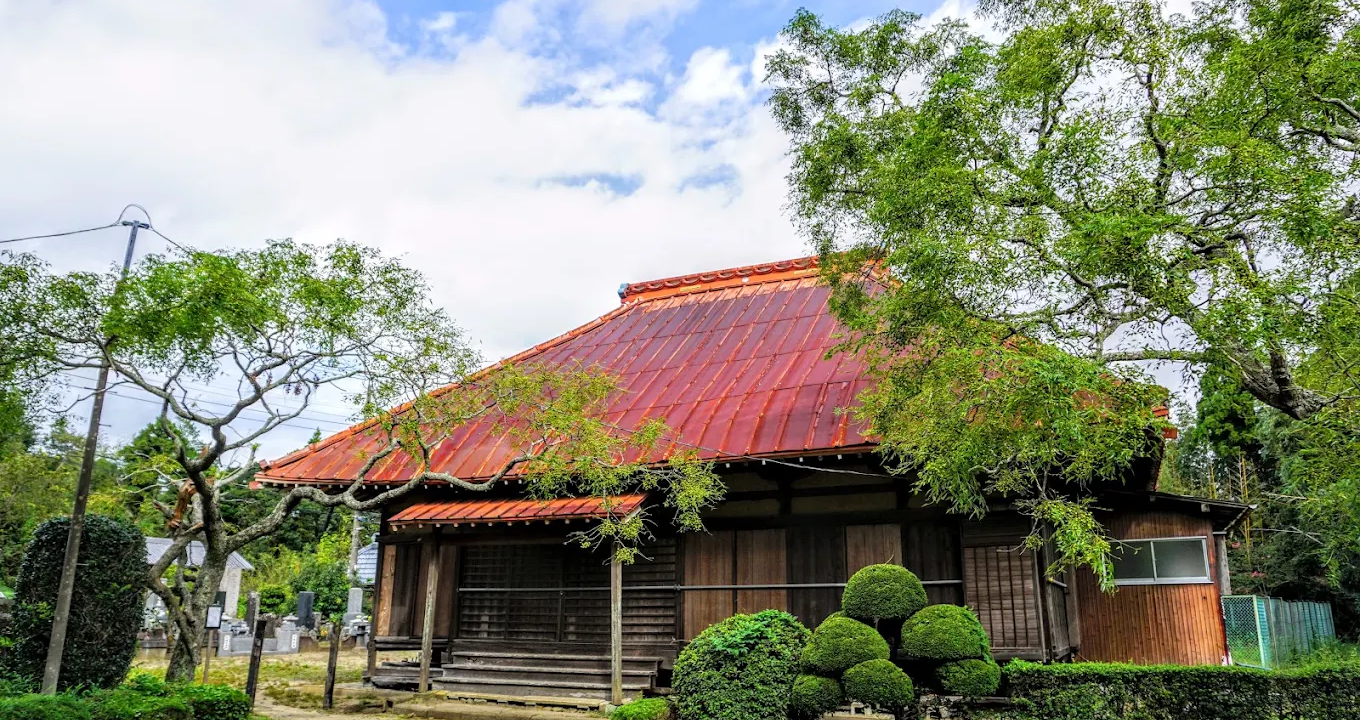
Complete Guide to Yōganji Temple (Chiba Prefecture): History, Highlights, and Access Information
Yōganji Temple is a historic temple located in Chiba Prefecture. This article comprehensively introduces information useful for those considering a visit, including the historical background of Yōganji Temple, highlights within the temple grounds, cultural assets, practical information regarding worship, and access methods.
About Yōganji Temple
Yōganji Temple is a Buddhist temple located in Chiba Prefecture, an important religious facility that conveys the local faith and history to the present day. The temple’s name, “Yōgan,” carries the profound meaning of nurturing the eye of the mind and cultivating the eye to see the truth through the teachings of Buddha.
Throughout its long history, the temple has played an important role as a spiritual center for local residents and as a center of culture and education. Even today, many worshippers and tourists visit, seeking peace of mind in its tranquil grounds.
History of Yōganji Temple
Founding and Founder
The origins of Yōganji Temple can be traced through local historical documents and records preserved within the temple. Like many ancient temples in Japan, Yōganji Temple is believed to have been founded during the medieval to early modern period by influential local figures and devout monks.
Although initially smaller in scale than it is today, Yōganji Temple functioned as a center of Buddhist faith in the region. Information about the founder and the first abbot is fragmentarily recorded in temple records and local histories.
Development during the Edo Period
During the Edo period, Yōganji Temple became deeply rooted in the local community under the temple-parishioner system. During this time, it had many parishioners and strengthened its ties with local residents through funerals and annual events.
During the Edo period, Yōganji Temple functioned not only as a religious institution but also as a place of education and culture. It is believed that a temple school was established, playing a role in teaching reading, writing, and arithmetic to local children.
Also, during this period, major buildings such as the main hall and the priest’s quarters were completed, and the basic layout of the temple grounds was established. Some of the architectural styles and cultural artifacts from that time still remain at the temple today.
Meiji Restoration and Modernization
The anti-Buddhist movement following the Meiji Restoration had a significant impact on temples throughout Japan. It is presumed that Yōganji Temple was also considerably affected during this period, but it was able to preserve its religious traditions thanks to the deep faith of the local residents.
In the modern era, while adapting to social changes, Yōganji Temple maintained its traditional religious activities while also responding to the demands of the new era. It has reached its current form after navigating the turbulent period from before to after World War II.
Sect and Principal Image
Affiliated Sect
Yōganji Temple belongs to one of the major Buddhist sects in Japan and conducts religious activities based on its doctrines and traditions. Each Buddhist sect exhibits distinctive characteristics in its chanting practices, annual events, and temple architecture.
The teachings of a sect are conveyed to its parishioners through daily services, ceremonies, and sermons, providing spiritual support. Furthermore, through its relationship with the head temple of the sect, it functions as part of a broader Buddhist network.
Principal Image and Attendant Deities
The main hall of Yōganji Temple houses the principal image, the central object of worship. The principal image is a crucial element that defines the character of the temple, and worshippers offer prayers and bows before it.
Around the principal image are attendant deities and other figures, representing a solemn Buddhist world. These Buddhist statues are not merely works of art, but have been carefully preserved as objects of faith.
During regularly held ceremonies, chanting and offerings are made to the principal image, and Buddhist teachings are expounded. Especially during annual events, many worshippers gather in the main hall, offering prayers together.
Highlights of the Temple Grounds
Main Hall
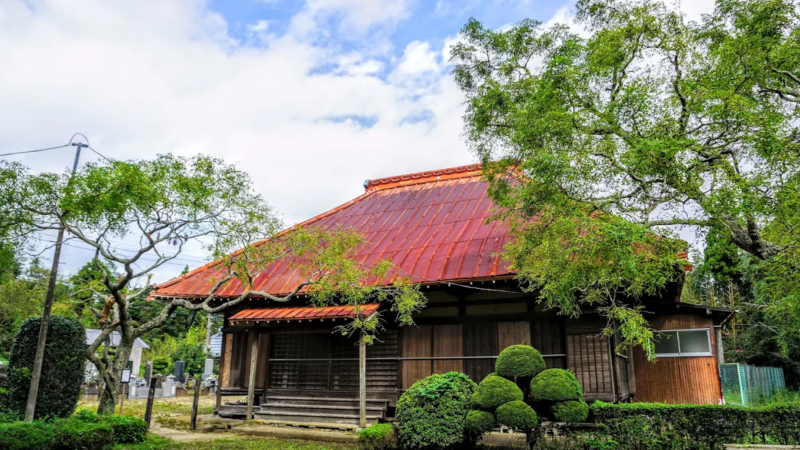
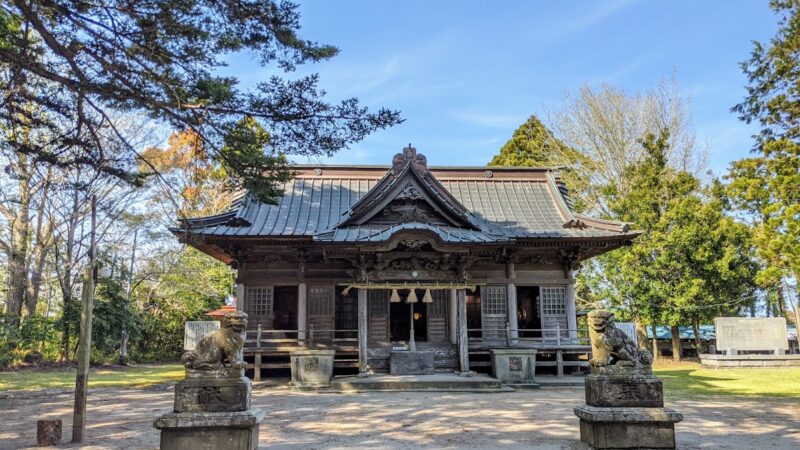
The main hall of Yōganji Temple is the central building of the temple and the core of religious activities. Built in the style of traditional Japanese architecture, the main hall combines the beauty and solemnity of wooden construction.
The principal image is enshrined inside the main hall, and the inner sanctuary is adorned with exquisite decorations. The decorative arts, such as the ceiling paintings and transom carvings, convey the high level of craftsmanship of the time.
Visitors can worship the principal image from the outer sanctuary of the main hall. The time spent praying in the tranquil main hall will be a precious spiritual experience, far removed from the hustle and bustle of everyday life.
Temple Gate
The temple gate, standing at the entrance of the temple, is a symbolic presence separating the secular world from the sacred realm. The temple gate of Yōganji Temple is built in the traditional style, indicating the temple’s status.
Passing through the temple gate signifies stepping from the everyday world into the world of Buddhism. Many visitors bow before the temple gate, compose themselves, and then enter the temple grounds.
The structure and decoration of the temple gate reflect the technology and aesthetic sensibilities of the time of its construction, and it is recognized for its architectural historical value.
Bell Tower
A temple bell hangs in the bell tower on the temple grounds and is rung during morning and evening services and special ceremonies. The sound of the bell resonates throughout the surrounding area, marking the time and serving to remind people of the teachings of Buddhism.
On New Year’s Eve, many visitors come to ring the bell, and it has become a traditional event in the community to welcome the new year.
Cemetery
A cemetery for parishioners is located on the grounds of Yōganji Temple or on adjacent land. The cemetery, where ancestral graves are lined up, is a place that connects the living and the dead, and many people visit to pay their respects during Obon and Higan.
The cemetery is managed through cooperation between the temple and its parishioners, maintaining a clean and tranquil environment.
Gardens and Nature within the Temple Grounds
The grounds of Yōganji Temple are imbued with the beauty of nature throughout the seasons. The well-maintained gardens and plantings soothe the hearts of visitors.
In spring, cherry blossoms and plum blossoms bloom; in summer, the greenery deepens; and in autumn, the autumn leaves color the grounds. The serene snowscape of winter is also exceptional. These natural changes allow one to experience the Buddhist concept of impermanence.
The ancient trees and stone Buddha statues within the temple grounds are also valuable artifacts that tell the story of a long history.
Cultural Properties and Treasures
Designated Cultural Properties
Yōganji Temple may house cultural properties designated by Chiba Prefecture and local municipalities. These cultural properties are recognized for their historical, artistic, and academic value and are carefully preserved as regional cultural heritage.
Various types of cultural artifacts, including buildings, Buddhist statues, paintings, and ancient documents, have been passed down through generations at temples. These are regularly surveyed and preserved, and efforts continue to ensure their transmission to future generations.
Temple Treasures
Regardless of whether they are designated as cultural properties, Yōganji Temple possesses numerous historically valuable temple treasures. These include items associated with the temple’s founder and successive chief priests, works of art donated by parishioners, and old scriptures and historical documents.
These temple treasures are usually not open to the public, but are sometimes displayed on special occasions. Through these treasures, one can learn about the temple’s history and the local culture.
Annual Events
New Year’s Events
At the start of the New Year, many worshippers visit Yōganji Temple for their first shrine visit of the year. From New Year’s Day to the third day, the temple grounds are bustling with people praying for safety and well-being in the new year.
The chief priest also gives New Year’s sermons and prayers, and parishioners welcome the start of the new year before the Buddha.
Spring and Autumn Equinoxes
The Higan period, centered around the spring and autumn equinoxes, is an important time for ancestor worship. At Yōganji Temple, Higan memorial services are held, attended by many parishioners.
The temple grounds are bustling with people visiting graves, expressing gratitude and devotion to ancestors. Higan is also an event that embodies the Buddhist concept of “from this shore to the other shore.”
Obon
Obon, held in summer, is a traditional Japanese event for welcoming and honoring the spirits of ancestors. At Yōganji Temple, the Urabon-e (Obon Festival) is held during the Obon period, including the Segaki (feeding of hungry ghosts) memorial service.
Parishioners clean the graves, offer flowers and other offerings, and comfort the spirits of their ancestors. While Obon customs vary by region, the respect for ancestors remains the same.
Obon rituals differ by region, but the spirit of respect for ancestors is universal. ### Other Annual Events
Yoganji Temple holds various annual events based on the traditions of its sect. These include Buddhist ceremonies such as the Flower Festival (Buddha’s Birthday), Enlightenment Ceremony, and Nirvana Ceremony, as well as local events.
These events provide opportunities for parishioners to learn about Buddhist teachings and deepen their faith.
Visiting Information
Visiting Hours
The grounds of Yoganji Temple are generally open for worship during daytime hours. However, it is recommended to check with the temple in advance regarding entry into the main hall or special viewings.
Specific times may be designated for religious services and events; please inquire in advance if you wish to participate.
Admission Fee
Generally, visiting the temple grounds is free. However, an admission fee may be required for special viewings or exhibitions of treasures.
Temple Visiting Etiquette
When visiting a temple, please observe the following basic manners:
- Bow before entering the temple gate
- Maintain silence and refrain from loud conversations
- Take photographs only in designated areas
- Remove your hat inside the main hall
- Do not enter areas other than those designated
- Take your trash with you
- Smoking only in designated areas
By observing these manners, you show consideration for other visitors and temple staff, ensuring a pleasant temple visit experience.
Goshuin (Temple Seal)
You may be able to receive a Goshuin at Yōganji Temple. Goshuin are popular as proof of your visit and as a record of your connection with the temple.
When receiving a Goshuin, bring your Goshuincho (stamp book) and politely request it at the temple office after your visit. Having the Goshuin fee (generally around 300 yen) ready will make the process smoother.
Access Information
Location
Yōganji Temple is located in Chiba Prefecture. For the exact address, please refer to the temple’s official information or local tourist guides.
Access by Public Transportation
When visiting Yōganji Temple by public transportation, the most common method is to take a bus or taxi from the nearest station.
If there are bus routes from major stations in Chiba Prefecture, you can get off at the nearest bus stop and walk to the temple. It is recommended to check bus timetables and routes in advance.
If using a taxi, you can go directly from the station to the temple; it’s a good idea to confirm the travel time and fare with the driver.
Access by Car
When visiting by car, you will access the temple via major expressways and national roads in Chiba Prefecture. You can get route guidance by entering the temple name or address into your car’s navigation system.
Parking
Yōganji Temple may have a parking lot for visitors. It is recommended to check with the temple before your visit regarding the number of parking spaces and operating hours.
Parking can be particularly crowded during annual events and on weekends, so please allow ample time for your visit or consider using public transportation.
Nearby Tourist Attractions
Temples and Shrines in Chiba Prefecture
When visiting Yōganji Temple, we recommend also visiting other temples and shrines in the surrounding area. Chiba Prefecture is home to numerous historical temples and shrines, each with its own unique history and charm.
Local Tourist Facilities
The area around Yōganji Temple may have tourist facilities such as museums, local history museums, and parks. Visiting these will allow you to gain a deeper understanding of the region’s history and culture.
Natural Scenery
Chiba Prefecture is blessed with abundant nature. Around Yōganji Temple, there may be spots where you can enjoy the changing seasons. Enjoying the local nature in conjunction with your visit to the temple is highly recommended.
Yōganji Temple and the Local Community
Center of the Local Community
For many years, Yōganji Temple has functioned as the spiritual center of the local community. Through the danka (parishioner) system, it has been deeply connected to local residents and has accompanied people through important life events such as weddings, funerals, and annual ceremonies.
Temples are not merely religious institutions; they are also places where local residents gather and interact. During events, intergenerational exchanges occur, strengthening community bonds.
Cultural and Educational Activities
Even in modern times, Yōganji Temple may be contributing to the local community through various cultural and educational activities. It may be holding Buddhist lectures, sutra copying sessions, and Zen meditation sessions, conveying Buddhist teachings and traditional Japanese culture.
It may also function as a place for learning about local history and culture, cooperating in local history research and cultural property preservation activities.
Social Welfare Activities
Based on the Buddhist spirit of compassion, Yōganji Temple may be involved in local social welfare activities. It may be contributing to society through activities such as monitoring and counseling for the elderly, and community cleaning.
The Future of Yōganji Temple
Inheritance of Tradition
As a temple with a long history, Yōganji Temple bears the responsibility of passing on its traditions to future generations. Efforts to preserve tradition in various aspects, such as the preservation of buildings and cultural properties, the continuation of religious ceremonies, and the transmission of Buddhist teachings, continue.
Adapting to Modern Society
At the same time, Yōganji Temple needs to adapt to the changes of modern society. Social changes such as a declining birthrate, an aging population, urbanization, and diversification of values are affecting the role of temples.
To meet the spiritual needs of modern people, new forms of activities and information dissemination are required. Initiatives adapted to the times, such as information dissemination using the internet and social media, and online memorial services, may be considered.
Coexistence with the Community
The future of Yōganji Temple lies in its relationship with the local community. Valuing dialogue with local residents and walking together with them will lead to the sustainability of the temple.
As an open temple, it is also important to create connections with new generations by welcoming people other than parishioners and providing opportunities to experience Buddhism and Japanese culture.
Summary
Yōganji Temple, a historic temple located in Chiba Prefecture, has functioned as a center of local faith and culture for many years. This article provides comprehensive information to help you visit Yōganji Temple, including its history, highlights within the grounds, annual events, visiting information, and access methods.
Temples are not merely tourist attractions; they are living places of faith and important parts of the local community. When visiting Yōganji Temple, paying respects to its history and traditions and offering quiet prayers will bring peace of mind and spiritual fulfillment.
If you have the opportunity to visit Chiba Prefecture, please do visit Yōganji Temple and experience Japanese Buddhist culture and local history. You will be able to spend a precious time away from the hustle and bustle of everyday life in the tranquil atmosphere of the temple grounds.
We hope that Yōganji Temple will continue to be preserved for many years to come as a spiritual center for the community and as a valuable cultural heritage.