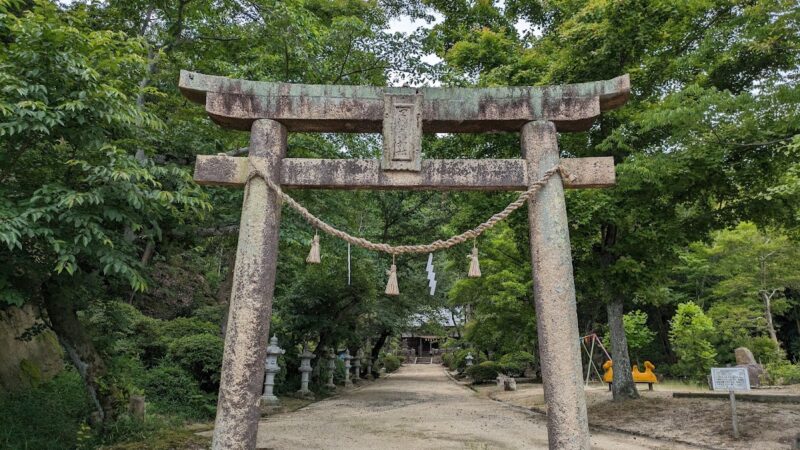
Hayatakihime Shrine (Tamano City, Okayama Prefecture) Complete Guide | The History and Charm of a Hidden Power Spot Dedicated to Seoritsuhime
Nestled quietly in Taki, Tamano City, Okayama Prefecture, Hayatakihime Shrine is an ancient shrine long protected by the local people. Located beyond a residential area along the prefectural road, the shrine grounds are a mystical space surrounded by giant rocks and a clear stream, and are known as a shrine dedicated to the goddess of water. This article will introduce the charm of Hayatakihime Shrine in its entirety, from its history and enshrined deities to its highlights and access methods.
History and Origins of Hayatakihime Shrine
Origins of its Founding and 1300 Years of History
While the exact founding date of Hayatakihime Shrine is unclear, tradition states that it was established on March 15, 701 (Taihō 1), by inviting a deity from one of the twelve Kumano shrines in Kishu Province. This shrine, boasting a long history of approximately 1300 years, is counted among the 105 shrines outside the Shikigai (outer) category in Bizen Province and holds the prestigious rank of Junior Fourth Rank, Lower Grade.
In the Middle Ages, it was known as “Hayataki Daimyōjin,” or simply “Daimyojin” or “Myojin,” but it is said to have reverted to its former name, “Hayatakihime Shrine,” in 1869 (Meiji 2). Its former rank was that of a village shrine, and it has functioned as a center of faith rooted in the local community.
Positioning as an Unlisted Shrine in Bizen Province
The 105 Unlisted Shrines of Bizen Province refer to a group of shrines that, while not listed in the Engishiki Jinmyocho (a list of shrines compiled in the Heian period), have long been revered in the region. Among them, Hayatakihime Shrine holds the high rank of Junior Fourth Rank, Lower Grade, suggesting it was an important site of worship since ancient times. While many historical shrines exist in Okayama Prefecture, this shrine has also functioned as a spiritual pillar of the region.
Current Main Hall and Architectural History
The current main hall was built in July of Genroku 14 (1701), making it a structure with over 300 years of history. As a valuable cultural asset that preserves the architectural style of the mid-Edo period, it tells the story of the region’s history. Together with the worship hall, it forms the center of the shrine grounds, quietly welcoming visitors.
Characteristics of the Deities and Beliefs
Main Deity: Seoritsuhime-no-Mikoto
The main deity of Hayatakihime Shrine is Seoritsuhime-no-Mikoto. Seoritsuhime-no-Mikoto is known as the goddess of water and is revered as a god of purification and cleansing. In Japanese mythology, she appears in the Great Purification Prayer as the god who washes away sins and impurities from rivers to the sea, and is considered to be the one who governs the flow of pure water.
Given the shrine’s location near the Hayataki Valley, it is believed that the abundance and purity of the water in this area are deeply connected to the worship of Seoritsuhime-no-Mikoto.
Enshrined Deities: Hayaakitsuhime-no-Mikoto and Amenoyoshikazura-no-Mikoto
Along with Seoritsuhime-no-Mikoto, Hayaakitsuhime-no-Mikoto and Amenoyoshikazura-no-Mikoto are also enshrined at Hayatakihime Shrine.
Hayaakitsuhime-no-Mikoto is also a water deity, particularly known as the goddess who presides over river mouths and ports. Her worship alongside Seoritsuhime-no-Mikoto forms a belief system that protects the entire flow of water.
While detailed records of Amayoshikuzu-no-Mikoto are scarce, it has been suggested that she may be a deity associated with local beliefs. The harmonious worship of these three deities has created a unique form of worship specific to this shrine.
Benefits and Object of Worship
At Hayatakihime Shrine, which enshrines the water god, the following benefits are believed to be offered:
- Purification and Exorcism: Through the divine virtue of Seoritsuhime-no-Mikoto, the impurities of mind and body are cleansed.
- Protection from Water-Related Disasters: Through the protection of the water gods, one is protected from water-related calamities.
- Abundant Harvest: One is blessed with the bounty of water, essential for agriculture.
- Healing of the Mind: One finds spiritual peace through the pure atmosphere of the shrine grounds.
For centuries, local people have continued to visit the shrine with gratitude and reverence for water, which is essential to their lives.
Highlights and Features of the Shrine Grounds
A Mysterious Space Surrounded by Giant Rocks
The most distinctive feature of Hayatakihime Shrine is the group of giant rocks surrounding the shrine grounds. The landscape, which resembles naturally arranged rocks, seems to convey the ancient belief in sacred rocks. These massive rocks, also known as “Dragon Rocks,” further enhance the sacred atmosphere of the place.
Megalithic worship is an ancient Japanese form of nature worship, where gods were believed to reside in the rocks themselves. The giant rocks scattered throughout the grounds of Hayatakihime Shrine are not merely scenic elements, but objects of worship themselves, welcoming visitors.
The Appearance of the Worship Hall and Main Shrine
Upon entering the grounds, the first thing that catches the eye is the charming worship hall. The wooden architecture harmonizes with the surrounding nature, creating a tranquil atmosphere. Behind the worship hall is the main shrine, built in 1701 (Genroku 14), exuding a sense of over 300 years of history.
In front of the worship hall, goshuin (shrine stamps) and historical information are available for visitors to freely take. This open and welcoming approach reflects the warmth characteristic of a shrine deeply rooted in the community.
Hayataki Valley and Waterscape
The name “Hayataki,” which is also the name of the shrine, refers to the valley in this region. The Hayataki Valley, boasting an 8-meter waterfall, is located approximately 700 meters upstream from the shrine, and the clear flow of water shapes the surrounding environment.
Within the shrine grounds, you can enjoy the natural art created by the interplay of light and water. Especially on sunny days, the light filtering through the trees reflects on the water’s surface, creating a fantastical scene. This “art of light and water” continues to captivate visitors.
About Goshuin (Shrine Seals)
Hayataki Hime Shrine offers Goshuin. They are available in front of the main hall for visitors to freely receive. Shrine Goshuin are popular among many visitors as a record of their visit and as proof of their connection to the shrine.
When receiving a Goshuin, please remember to show respect to the shrine and practice a respectful worship. Photography is permitted, but please be mindful of the sacred nature of the place. ## Hayataki Hime Shrine and Surrounding Power Spots
A Little-Known Power Spot in Okayama
Hayataki Hime Shrine is attracting attention as a particularly “little-known” power spot within Okayama Prefecture. Its appeal lies in the fact that it hasn’t been developed into a large-scale tourist destination, allowing for a quiet and peaceful atmosphere for worship.
As a shrine dedicated to the god of water, it attracts people seeking purification of mind and body, and those seeking spiritual peace. The shrine grounds, surrounded by massive rocks, offer a special space far removed from the hustle and bustle of everyday life, leaving a deep impression on visitors.
Connection to Hayataki Nature Park
Hayataki Nature Park stretches around the shrine, making it possible to combine a nature walk with a visit to the shrine. Enjoying the natural beauty of the valley while experiencing the sacred atmosphere of the shrine will provide a deeper healing experience.
Walking trails are maintained within the park, allowing visitors to enjoy the changing seasons. Especially during the seasons of fresh greenery and autumn leaves, beautiful scenery awaits visitors.
Combining Tamano City with Other Tourist Spots
Tamano City is a port town facing the Seto Inland Sea, and in addition to Hayatakihime Shrine, there are many other attractive tourist spots. Combining it with the art installations around Uno Port and Shibukawa Coast will allow you to enjoy a fulfilling Tamano City sightseeing experience.
It is also relatively easy to access from Okayama City, making it possible to visit as part of an Okayama sightseeing trip.
Access and Visiting Information
Basic Information
Location: 773 and 774 Taki, Tamano City, Okayama Prefecture
Postal Code: 706-0153
Former Shrine Rank: Village Shrine
Deities Enshrined: Seoritsuhime-no-Mikoto, Hayaakitsuhime-no-Mikoto, Amakichikuzu-no-Mikoto
Access by Train
The nearest station is Tsuneyama Station on the JR Uno Line. It takes about 30 minutes to walk from Tsuneyama Station to the shrine, so using a taxi or local bus is recommended. However, since the number of local buses is limited, it is recommended to check the timetable in advance.
From Okayama Station to Tsuneyama Station, it takes about 40 minutes on the JR Uno Line. It is conveniently located and easily accessible from major cities in Okayama Prefecture.
Access by Car
Visiting by private car is the most convenient option. It takes about 40 minutes from Okayama City via National Route 30. Take the prefectural road into the Taki district of Tamano City, and the shrine is located beyond a residential area.
If using a car navigation system, it is recommended to search for “Hayatakihime Shrine” or the address “773 Taki, Tamano City, Okayama Prefecture.” However, the roads around the shrine are narrow and pass through residential areas, so caution is required when driving.
Parking
The shrine has a free parking lot. Since the number of parking spaces is limited, early arrival is recommended, especially on holidays and during festivals. The shrine grounds are a short walk from the parking lot.
Precautions When Visiting
Hayatakihime Shrine is a quiet shrine deeply rooted in the local community. Please observe the following points when visiting:
- Please be quiet within the shrine grounds and be considerate of other visitors.
- Photography is permitted, but please be mindful that this is a sacred place.
- Please take all your trash with you and cooperate in the preservation of the natural environment.
- Please be careful not to climb on or damage large rocks, etc.
- Please be considerate of noise, as the surrounding area is residential.
Seasons and Best Time to Visit Hayatakihime Shrine
Spring Visit
Spring is the season when the fresh greenery is beautiful and the trees in the shrine grounds begin to bud. Visiting the shrine in the refreshing air is perfect for refreshing your mind and body. Spring flowers also begin to bloom around the Hayataki Valley, making it enjoyable to combine with a nature walk.
Summer Visit
In summer, the greenery becomes lush, and the water in the valley creates a cool atmosphere. As a shrine dedicated to the god of water, it is a place where you can feel cool even in the summer heat. However, insect repellent is necessary.
Autumn Visit
Autumn is a beautiful season for viewing autumn foliage. The trees surrounding the shrine grounds change color, creating a magnificent landscape in contrast with the large rocks. You can enjoy a leisurely visit in a calm atmosphere.
Winter Visit
In winter, there are fewer visitors, allowing for a quieter visit. You can feel the sacred atmosphere of the shrine more deeply in the crisp air. However, caution is needed regarding icy roads.
Cultural Value of Hayatakihime Shrine and its Connection to the Community
As a Center of Local Faith
For 1300 years, Hayatakihime Shrine has functioned as a spiritual pillar of the Taki district of Tamano City. Local people have protected this shrine and held festivals for generations. Even today, it plays an important role as a place that strengthens the bonds of the local community.
Gratitude and Reverence for Water
Hayatakihime Shrine holds special significance for the local people as a place to express gratitude for water, which is essential for agriculture and daily life. The worship of Seoritsuhime-no-Mikoto expresses both gratitude for nature’s blessings and awe for natural disasters.
Cultural Value
The main hall, built in 1701 (Genroku 14), and other buildings are valuable cultural assets that convey Edo period architectural techniques. Furthermore, its historical position as a Bizen Province shrine (outside the Shikinaisha) is important material for studying the religious history of Okayama Prefecture.
Characteristics of Seoritsuhime Worship and Related Shrines Nationwide
The Divine Identity of Seoritsuhime
Seoritsuhime-no-Mikoto is a mysterious deity who plays an important role in Japanese mythology, yet rarely appears in the Kojiki and Nihon Shoki. She is clearly mentioned in the Oharae-no-Kotoba (Great Purification Prayer) and has been revered as a goddess of purification since ancient times.
The deity, who carries away sins and impurities to the sea through the flow of water, resonates with many people today as a symbol of purification and rebirth.
Seoritsuhime Worship Across Japan
Shrines dedicated to Seoritsuhime are scattered throughout Japan, particularly near water sources and waterfalls. Hayatakihime Shrine is one such example, demonstrating a form of worship linked to the blessings of water in the region.
Other famous shrines dedicated to Seoritsuhime include Hirota Shrine (Hyogo Prefecture) and Sakunado Shrine (Shiga Prefecture), each possessing its own unique form of worship.
Manners and Etiquette for Visiting a Shrine
Basic Shrine Visit Etiquette
Following basic shrine visit etiquette will lead to a more meaningful experience:
- Bow before passing through the torii gate: This shows respect for entering the sacred area.
- Walk along the edge of the path: The center is considered the path of the gods.
- Purify yourself at the water basin: Purify your left hand, then your right hand, then your mouth.
- Etiquette in front of the main hall: Two bows, two claps, and one bow is the basic ritual.
- Bow upon leaving: Turn around and bow before leaving the torii gate.
Points Unique to Visiting Hayatakihime Shrine
As a shrine dedicated to the water god, it is especially important to purify yourself carefully at the water basin. Also, the large rocks and natural environment within the shrine grounds are objects of worship, so it is important to visit with respect for nature.
Summary: The Charm and Value of Visiting Hayatakihime Shrine
Nestled quietly in Tamano City, Okayama Prefecture, Hayatakihime Shrine is an ancient shrine with a 1300-year history, dedicated to the water goddess Seoritsuhime-no-Mikoto. As one of the 105 shrines outside the Shikinaisha (unofficial shrines) of Bizen Province, it holds the rank of Junior Fourth Rank, Lower Grade, and has long been revered as a center of local faith.
With its mystical grounds surrounded by massive rocks, clear flowing water, and main hall dating back to the Genroku era, this shrine offers many attractions well worth a visit. Because it hasn’t been heavily commercialized for tourism, it can be considered a true power spot where you can experience purification of mind and body in a quiet and peaceful atmosphere.
When sightseeing in Okayama, why not extend your trip a little and visit Hayatakihime Shrine? A special experience awaits you: connect with the pure divine energy of Seoritsuhime-no-Mikoto, enjoy the natural art woven by light and water, and reflect on the forms of faith woven over 1300 years of history.
As the place name Tamano-shi Taki suggests, this area has long been deeply connected to the blessings of water. Through a visit to Hayatakihime Shrine, you can renew your gratitude and reverence for nature and spend a tranquil time away from the hustle and bustle of everyday life.