Complete Guide to Shogetsuji Temple (Kanazawa City, Ishikawa Prefecture) | The Charm of a Nationally Designated Natural Monument Cherry Tree and a Historic Soto Zen Temple
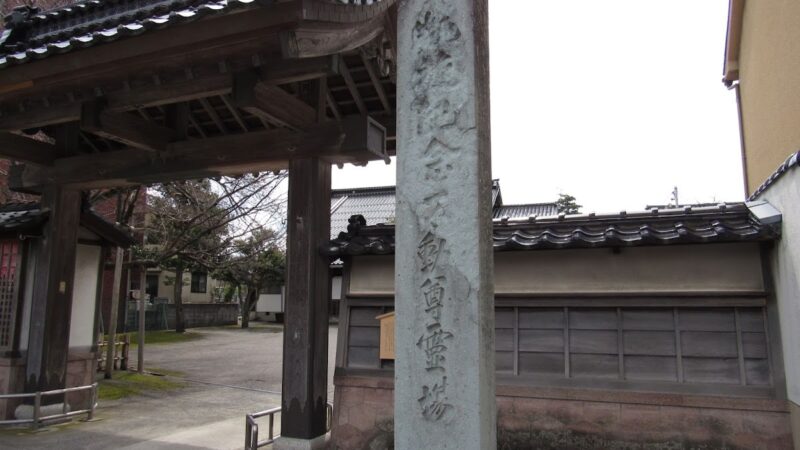
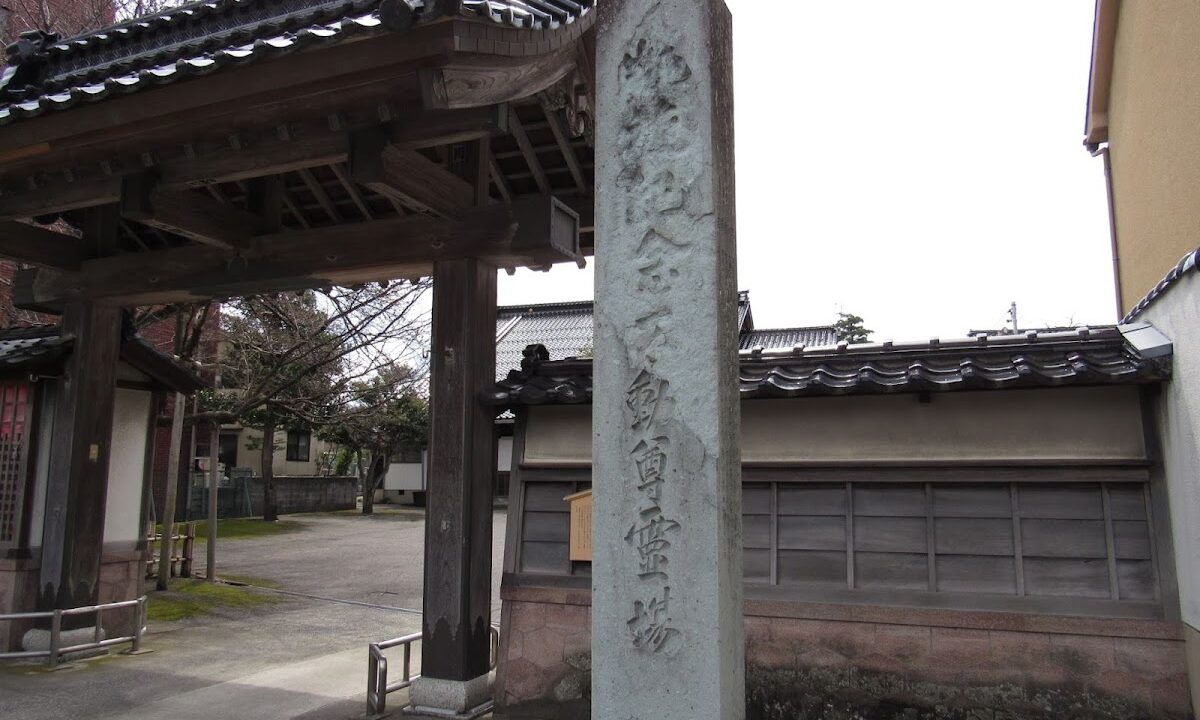
Located in Teramachi 5-chome, Kanazawa City, Ishikawa Prefecture, Shogetsuji Temple is a Soto Zen temple nationally known for its “Great Cherry Tree,” designated as a National Natural Monument. Occupying a corner of Kanazawa’s Teramachi temple district, this ancient temple, with its deep historical ties to the Kaga Domain, captivates visitors with its magnificent cherry blossoms in spring, attracting many worshippers throughout the year.
History and Origins of Shogetsuji Temple
From Founding to Relocation to Kanazawa
Shogetsuji Temple’s founding dates back to 1593 (Bunroku 2). It is said to have begun when Saito Munetada invited Abbot Shiramine to establish the temple in Horii-sho, Echizen Province (present-day Fukui Prefecture). From its founding in this location to its current location, Shogetsuji Temple has experienced several relocations.
After its founding in Echizen, the temple moved to Nonoichi (Nonoichi City, Ishikawa Prefecture), then to Moriyama (present-day Takaoka City, Toyama Prefecture), and finally to Kanazawa. In 1616 (Genna 2), it relocated to its current location at 5-chome, Teramachi, Kanazawa City, Ishikawa Prefecture, and has continued to uphold its religious traditions in this location for over 400 years.
Deep Connections with the Kaga Domain
Shogetsu-ji Temple has cultivated deep ties with the Maeda family of the Kaga Domain. Its connection with the third lord, Maeda Toshitsune, was particularly strong, and records show that Abbot Shigan, the restorer of the temple, received special favors from Toshitsune.
Maeda Toshitsune is known as the lord of Komatsu Castle and greatly contributed to the development of Shogetsu-ji Temple. The famous cherry tree, “O-zakura,” mentioned later, is said to have been bestowed upon Abbot Shigan by Toshitsune, serving as living evidence of the deep connection between the Kaga Domain and Shogetsu-ji Temple.
The Sect and Principal Image of Zuikizan Shogetsuji Temple
Shogetsuji Temple belongs to the Soto Zen sect, and its mountain name is Zuikizan. The Soto Zen sect is a branch of Zen Buddhism that emphasizes “Shikantaza,” that is, simply sitting in meditation.
The principal image is Shakyamuni Buddha, and the temple grounds, including the main hall, are neatly arranged. It is registered with the Ishikawa Prefecture Soto Zen Sect Office and plays an important role as a Soto Zen temple in Ishikawa Prefecture.
The Charm of the Nationally Designated Natural Monument “Great Cherry Tree”
What is the Great Cherry Tree (Goten-zakura) of Shogetsuji Temple?
An essential element when discussing Shogetsuji Temple is the centuries-old cherry tree that stands tall on the temple grounds. This cherry tree is called “Great Cherry Tree” or “Goten-zakura,” and was designated a national natural monument in 1943.
Its scientific name is *Prunus serrulata* (Shogetsuzakura), and it is a precious variety named after Shogetsu-ji Temple. It is said that this cherry tree originally stood within Komatsu Castle and was bestowed upon the temple’s restorer, Abbot Shikishi, by the third lord of the domain, Maeda Toshitsune. Due to its distinguished history of being transplanted from Komatsu Castle, it is also affectionately known as “Goten-zakura” (Palace Cherry).
Characteristics and Scale of the Great Cherry Tree
The great cherry tree at Shogetsu-ji Temple astonishes visitors with its overwhelming size. Its root circumference is approximately 6 meters, its height reaches approximately 14 meters, and its branches spread approximately 20 meters east-west and 15 meters north-south.
Remarkably, a portion of its trunk has broken through the temple’s earthen wall and jutted out onto the street. The life force of the cherry tree, which has grown over many years, pushing against the stone and earthen walls, creates a unique landscape that conveys the power of nature.
The flowers are approximately 5 centimeters in diameter and bloom in beautiful shades of white to pale pink. When in full bloom, the branches are covered in blossoms, making it one of the most spectacular cherry blossom viewing spots in Kanazawa.
Best Viewing Time and Viewing Tips
The large cherry tree at Shogetsuji Temple typically reaches full bloom in mid-April. While the cherry blossom season in Kanazawa varies slightly depending on the climate, it blooms slightly later than Somei Yoshino cherry trees, making mid-to-late April the most beautiful time to see it.
During the peak viewing season, many visitors come from outside the prefecture as well as from the local Kanazawa community. The magnificent branches, extending over the earthen wall, can be enjoyed not only from within the temple grounds but also from the street outside the temple.
In 2003, a young descendant of the large cherry tree, cultivated by the Ishikawa Prefectural Agricultural and Forestry Experiment Station, was donated to Shogetsuji Temple and is being carefully nurtured on the temple grounds as a successor tree. Efforts to protect and preserve this precious cherry tree for future generations continue.
Shogetsu-ji Temple Grounds and Highlights
Main Hall and Temple Layout
Shogetsu-ji Temple maintains a typical temple layout for a Soto Zen temple. Upon passing through the main gate, the main hall is directly ahead, housing a statue of Shakyamuni Buddha as the principal image.
The grounds are meticulously maintained, exuding a simple yet solemn atmosphere characteristic of Zen temples. The stone-paved approach, well-maintained gardens, and trees that change their appearance with the seasons provide visitors with tranquility and peace.
Placement within the Teramachi Temple District
Shogetsu-ji Temple is located in Teramachi 5-chome, Kanazawa City, an area known as the “Teramachi Temple District.” Over 70 temples are concentrated in this area, forming Kanazawa’s historical temple district landscape.
The Teramachi Temple District originates from the concentration of temples by the Kaga Domain when they formed the castle town of Kanazawa, for defensive reasons. Matsugetsuji Temple is positioned as a representative temple within this group of temples in the temple district, boasting a large cherry tree designated as a national natural monument.
Nearby are many other temples, including Shinjoji Temple, making this area a popular tourist destination for exploring the temple district.
Annual Rituals and Temple Activities
Matsugetsuji Temple observes annual religious ceremonies based on the traditions of the Soto Zen sect. Important Buddhist services such as the spring flower festival, the Obon festival (feeding of hungry ghosts), and the autumn equinox service are regularly held.
Furthermore, the temple also conducts services for local parishioners and holds Zen meditation sessions, continuing its activities rooted in the local community as an active religious facility, not merely a tourist spot.
Visiting Information
Location and Access
Location
5-22, Teramachi 5-chome, Kanazawa City, Ishikawa Prefecture 921-8033
Access by Public Transportation
- From JR Kanazawa Station, take the Hokutetsu Bus and get off at the “Hirokoji” bus stop, then walk for about 5 minutes.
- From Kanazawa Station, take the Kanazawa Castle Town Loop Bus (counter-clockwise route) and get off at “Hirokoji,” then walk for about 5 minutes.
- From Kanazawa Station, take the Kanazawa Castle Town Loop Bus and get off at “Hirokoji,” then walk for about 5 minutes.
- Approximately 15 minutes by car from Kanazawa Station.
The Teramachi temple complex is located on the west side of central Kanazawa City, near the Sai River, and is relatively close to Kenrokuen Garden and Kanazawa Castle Park.
Visiting Hours and Fees
Visiting Hours
The temple grounds are generally open for worship during the day. However, the gates may be closed in the early morning or after evening, so daytime visits are recommended.
Admission Fee
Admission to both the temple grounds and buildings is free.
During the cherry blossom season, the temple attracts many visitors, but a peaceful atmosphere is maintained. Photography is permitted, but please remember that this is a religious site and take pictures respectfully.
Nearby Attractions
When visiting Shogetsu-ji Temple, we recommend exploring the surrounding temple district as well.
Shinjo-ji Temple
A Nichiren Buddhist temple, within walking distance of Shogetsu-ji Temple. Its impressive main gate and grounds are highlights.
Myoryu-ji Temple
Known as the “Ninja Temple,” this temple boasts a complex internal structure. Visits require advance reservations.
Saigawa River
A representative river of Kanazawa, flowing west of the temple district. The riverside promenade offers beautiful scenery throughout the seasons.
Cultural Properties and Treasures of Shogetsu-ji Temple
Value as a Nationally Designated Natural Monument
The large cherry tree at Shogetsu-ji Temple was designated a national natural monument in 1943. This designation recognizes its botanical and historical value, making it a valuable cultural property within Ishikawa Prefecture.
Reasons for its designation include its long lifespan, the beauty of its form, its historical significance (the legend of its transplantation from Komatsu Castle), and its value as a unique variety. The fact that it has been given the scientific name *Shogetsu-zakura* also indicates its botanical value.
Other Temple Treasures
Besides the large cherry tree, Shogetsu-ji Temple houses many other temple treasures accumulated over its long history. Ancient documents showing its connection to the Kaga Domain and items related to successive chief priests are carefully preserved.
Many of these temple treasures are not usually open to the public, but they possess academic value as important historical materials that tell the story of the temple’s history.
Points to Note and Etiquette When Visiting Shogetsu-ji Temple
Etiquette for Visiting
Shogetsu-ji Temple is an active religious facility and a place of worship for local parishioners. When visiting as a tourist, please observe the following etiquette:
- Pray quietly within the temple grounds.
- Refrain from loud conversations in the main hall and other buildings.
- Photography is permitted, but refrain from taking pictures during religious services.
- Take your trash with you.
- Parking is limited, so using public transportation is recommended.
Visiting During Cherry Blossom Season
The temple is especially crowded during the peak cherry blossom season in mid-April. If visiting during this time, please note the following:
- Visiting early in the morning is recommended.
- Allow ample time as surrounding roads may be congested.
- Do not touch the cherry branches or pick the flowers.
- Please appreciate the trees with care, keeping in mind that they are a national natural monument.
Shogetsu-ji Temple and the History and Culture of Kanazawa
Formation of the Teramachi Temple District
The Teramachi Temple District in Kanazawa was formed by Maeda Toshiie, the first lord of the Kaga Domain, and his successors as part of the urban planning of the castle town of Kanazawa.
It is believed that the intention was to concentrate the temples in one place to create a defensive base in times of emergency. Furthermore, there was also the aim of enhancing the status of the castle town by creating a religious and cultural center.
The year 1616 (Genna 2), when Shogetsu-ji Temple was relocated to its current location, coincides precisely with this period of Teramachi formation, and occupies an important position in the history of Kanazawa’s urban planning.
Kaga Domain and Buddhist Culture
The Kaga Domain, known as “Kaga Hyakumangoku” (Kaga, a domain worth one million koku), was a wealthy domain that dedicated itself to the promotion of culture and arts. The Maeda family protected Buddhism and supported many temples.
The bestowal of cherry trees by Maeda Toshitsune to Shogetsuji Temple is an episode that demonstrates this good relationship between the lord and the temple. Under the patronage of the Kaga Domain, Shogetsuji Temple developed as a Soto Zen temple and has continued to uphold its Buddhist traditions to this day.
Summary: The Charm and Value of Visiting Shogetsuji Temple
Shogetsuji Temple, located in Teramachi, Kanazawa City, Ishikawa Prefecture, is an ancient Soto Zen temple with high historical and cultural value, boasting a large cherry tree designated as a national natural monument.
Since its founding in 1593, it has been relocated several times before settling in its current location in 1616, and has watched over the history of Kanazawa for over 400 years. The magnificent cherry tree, said to have been bestowed by Maeda Toshitsune, the third lord of the Kaga Domain, boasts an age of several hundred years and captivates many with its stunning blossoms that bloom every year in mid-April.
Located within the historic Teramachi temple district, it continues to play an important role as a key tourist spot in Kanazawa and a place of local worship. The temple grounds, which display different expressions throughout the seasons, are a peaceful space to visit at any time of year, especially during the cherry blossom season in spring.
When you visit Kanazawa, be sure to visit Shogetsuji Temple and experience a space where timeless history and the beauty of nature harmonize. The overwhelming presence of the magnificent cherry tree, a national natural monument, and the tranquil atmosphere of the Zen temple will leave a deep impression on visitors.