Complete Guide to Jōshōji Temple (Kanazawa City, Ishikawa Prefecture) | History, Highlights, and Access Information
Located in the Teramachi temple district of Kanazawa City, Ishikawa Prefecture, Jōshōji Temple is an ancient temple boasting a history of over 400 years as a temple of the Nichiren sect’s Honmon school. It possesses a diverse array of cultural assets and historical legacies, including a valuable painting attributed to Tawaraya Sōtatsu, a mysterious demon mask related to the Ataka Barrier, and the grave of Fukuoka Sōsuke, a loyalist samurai of the late Edo period. This article provides a detailed and comprehensive introduction to Jōshōji Temple, covering its history, highlights, visiting information, and access methods.
Basic Information on Jōshōji Temple
Jōshōji Temple is a temple of the Nichiren sect’s Honmon school located at 5-70 Teramachi 5-chome, Kanazawa City. The Teramachi temple district was formed by Maeda Toshitsune, the third lord of the Kaga Domain, who gathered temples together. It is a representative historical area of Kanazawa, with over 70 temples concentrated in this district.
Sect and Principal Image
Sect: Hokke-shu Honmon-ryu
Principal Image: Ten Realms Mandala
Location: 5-5-70 Teramachi, Kanazawa City, Ishikawa Prefecture
Founded: Early Edo period (estimated)
The Hokke-shu Honmon-ryu is a sect that inherits the teachings of Nichiren Shonin and uses the Lotus Sutra as its fundamental scripture. Shōshōji Temple has been a center of local faith, cherished by many parishioners and visitors for many years.
History of Shōshōji Temple
Founding and Formation of the Teramachi Temple Group
The exact founding date of Shōshōji Temple is not clear from historical records, but it is believed to have been moved to its current location in the early Edo period when the Kaga Domain gathered temples in the Teramachi area.
The Teramachi temple group was formed by Maeda Toshitsune, who consolidated temples as a defensive base for Kanazawa Castle. The intention was to have the temples along the Sai River function as a defensive base in times of emergency. Shōshōji Temple was one of the temples located in the temple district as part of this urban planning.
Development during the Edo Period
Throughout the Edo period, Shōshōji Temple, as a Nichiren Buddhist temple, attracted the faith of the local community. The Kaga Domain protected temples of various sects as part of its religious policy, and the temple district developed into a center of Kanazawa’s religious culture.
Several Edo-period cultural artifacts remain at Shōshōji Temple, and in particular, the paintings on the main hall’s sliding doors, attributed to Tawaraya Sōtatsu, attest to the high level of culture at the time.
The Late Edo Period and Fukuoka Sōsuke
During the late Edo period, Shōshōji Temple had ties to loyalist activists. Within the temple grounds is the grave of Fukuoka Sōsuke, a Kaga Domain samurai who advocated loyalist ideology during the late Edo period, preserving a historical trace of this era.
Fukuoka Sōsuke, a low-ranking samurai of the Kaga Domain, participated in the Sonnō Jōi (Revere the Emperor, Expel the Barbarians) movement and sought to spread loyalist ideology within the domain. The fact that his grave is located at Shōshōji Temple indicates that the temple functioned not merely as a religious institution, but also as an intellectual center during a period of significant change.
Highlights of Shōshōji Temple
Shōshōji Temple boasts numerous historically and culturally significant sights. Here, we introduce the main cultural properties and the charms of the temple grounds.
Paintings by Tawaraya Sōtatsu
One of the greatest highlights of Shōshōji Temple is the paintings on the sliding doors of the main hall. These works are attributed to Tawaraya Sōtatsu, a genius painter of the early Edo period.
Tawaraya Sōtatsu is known as the founder of the Rinpa school and created masterpieces that remain in the history of Japanese art, such as the “Wind God and Thunder God Screen.” The sliding door paintings at Shōshōji Temple are valuable works that showcase Sōtatsu’s style and hold significant importance from an art historical perspective.
While it may be difficult to view them directly due to protection measures, they are carefully preserved as cultural properties of the temple. It is recommended to check in advance whether viewing is possible before visiting.
Kishimojin Hall and the Demon Mask of Ataka Barrier
Within the grounds of Shōshōji Temple is the Kishimojin Hall, which houses the extremely rare “Demon Mask of Ataka Barrier.”
Origin of the Demon Mask
This demon mask is a mystical artifact with a legend that it surfaced from the sea off the coast of Ataka Barrier. Ataka Barrier was a checkpoint located in Komatsu City, Ishikawa Prefecture, and is a historical site known as the setting for the Kabuki play “Kanjinchō.”
The legend of it surfacing from the sea is thought to be a form of “Yorigami faith,” indicating the arrival of gods and Buddhas from across the sea, and is an interesting example of Japanese folk belief.
Unveiling at the Setsubun Festival
This demon mask is unveiled once a year, during the Setsubun festival. Setsubun is a festival to ward off evil spirits and invite good fortune, and the unveiling of the demon mask is a religious event with special significance, attracting many worshippers.
Kishimojin is worshipped as the guardian deity of child-rearing and safe childbirth, and is particularly popular with women and families.
Grave of Fukuoka Sosuke
Within the temple grounds is the grave of Fukuoka Sosuke, a loyalist samurai of the late Edo period. Fukuoka Sosuke was a samurai of the Kaga Domain who was involved in the Sonno Joi (Revere the Emperor, Expel the Barbarians) movement and sought to spread loyalist ideology within the domain.
During the turbulent late Edo period, many samurai acted out of concern for Japan’s future. Fukuoka Sosuke was one of them, and his grave is a valuable historical site that conveys the spirit of that era.
For history enthusiasts and those interested in the history of the late Edo period, this grave is one of the important reasons to visit Shōshōji Temple.
Atmosphere of the Main Hall and Temple Grounds
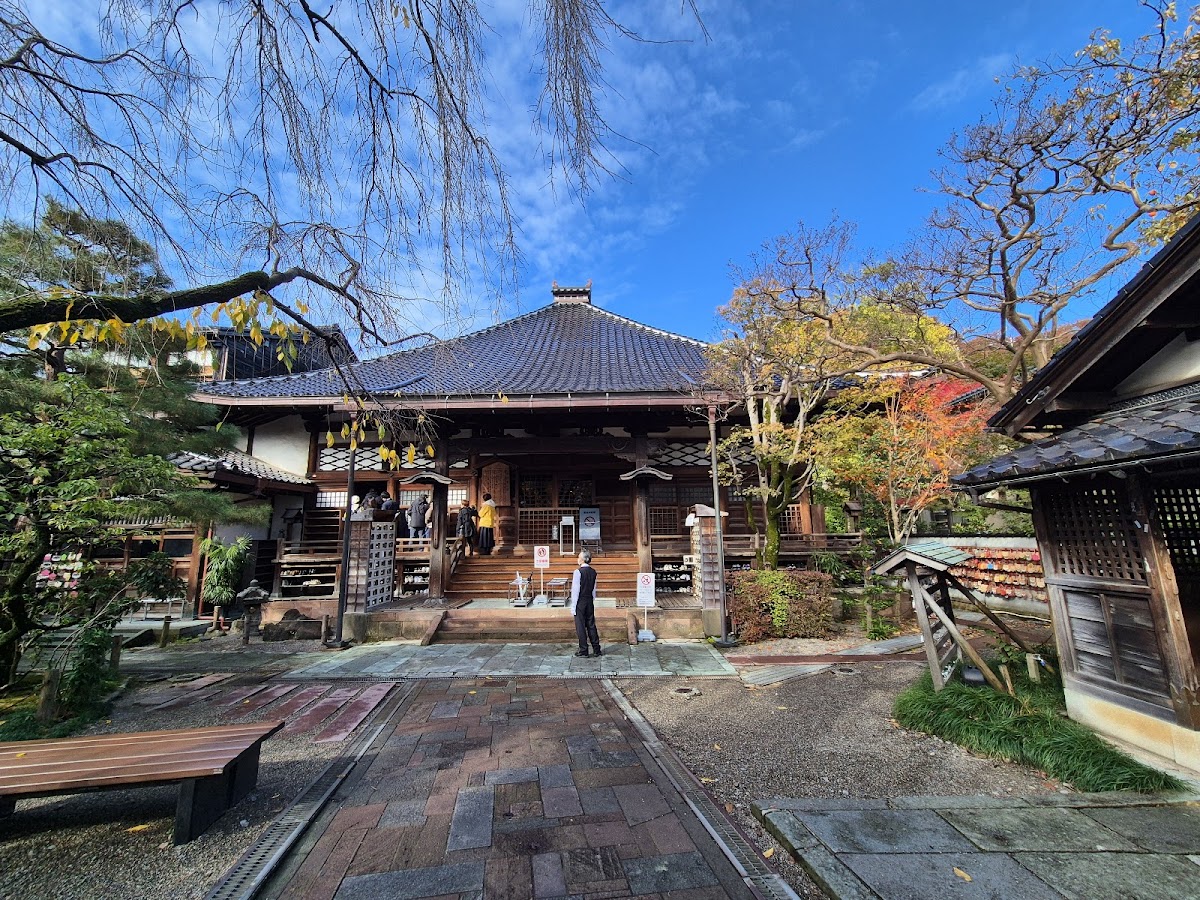
The main hall of Shōshōji Temple maintains the style of traditional temple architecture, creating a tranquil atmosphere. Located in a corner of the Teramachi temple district, it is surrounded by a unique landscape of many temples.
The temple grounds are meticulously maintained, allowing visitors to experience the beauty of nature throughout the seasons. Especially during the cherry blossom season in spring and the autumn foliage season, the entire Teramachi area presents a stunning landscape, making it ideal for a stroll.
Morning and Evening Activity Plans
In recent years, Shōshōji Temple has implemented modern “morning activity” and “evening activity” plans. These unique programs offer opportunities to practice kendo (Japanese swordsmanship) and experience incense offering within the temple grounds.
Experience Details:
- Kendo practice
- Incense offering experience
- Participation in morning service
- Dharma talk by the head priest
These experiential programs are attracting attention as a modern initiative that allows people to feel closer to the temple and provides opportunities to experience Buddhist culture. Those wishing to participate should contact the temple in advance.
Access to Shōshōji Temple
Shōshōji Temple is located in the Teramachi area of Kanazawa City, easily accessible from the city center.
Access by Public Transportation
Nearest Station: Hokuriku Railway Ishikawa Line, “Nomachi Station”
Approximately 10 minutes on foot from Nomachi Station
Access by Bus:
- From Kanazawa Station, take the Hokuriku Railway bus and get off at “Hirokoji” bus stop, then approximately 5 minutes on foot
- From Kanazawa Station, take the Hokuriku Railway bus and get off at “Teramachi 1-chome” bus stop, then approximately 3 minutes on foot
Kanazawa City has a well-developed network of sightseeing buses, with several routes circulating through the Teramachi area. It is recommended to check the latest bus information at the tourist information center.
Access by Car
Location: 5-70, Teramachi 5-chome, Kanazawa City, Ishikawa Prefecture
Approximately 15 minutes by car from Kanazawa Station. While there are several public parking lots in the Teramachi area, parking exclusively for temples is limited, so using public transportation is recommended.
The Teramachi area can be crowded during peak tourist seasons and weekends, so it is recommended to plan your visit with ample time.
Exploring the Teramachi Temple District
When visiting Shōshōji Temple, we recommend exploring the surrounding Teramachi temple district as well. The Teramachi area boasts over 70 temples, each with its own unique history and culture.
Main Highlights of the Teramachi Area
Myōryūji Temple (Ninja Temple) A Nichiren Buddhist temple known as the “Ninja Temple” due to its complex internal structure. Interior tours are available by reservation.
Gannenji Temple A Jōdo Shinshū temple, renowned for its beautiful garden.
Kokutaiji Temple A Rinzai Zen temple with a rich history deeply connected to the tea ceremony.
Teramachi-dai Saigawa Riverside Walking Path A promenade runs along the Saigawa River, allowing you to enjoy a stroll while appreciating the river’s flow and the temple scenery.
The Teramachi area is ideal for a leisurely half-day to full-day stroll, as many attractions are concentrated within walking distance.
Manners and Precautions for Visiting Temples
When visiting a temple, please observe the following manners.
Basic Etiquette for Visiting a Temple
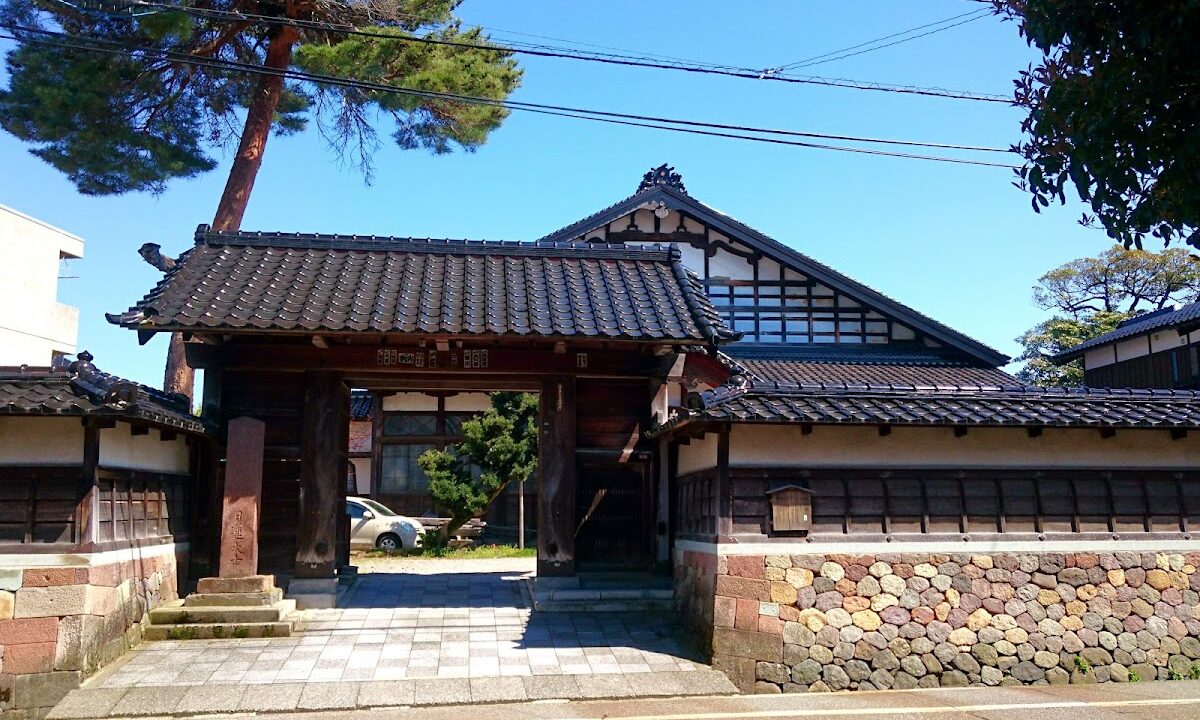
- Bow at the Temple Gate: Bow before entering the temple grounds.
- Respect: Behave quietly within the temple grounds and refrain from loud conversations.
- Consideration for Photography: Permission may be required to photograph the interior of buildings or cultural artifacts.
- Offering a Donation: Offer a donation sincerely when praying.
- Bow Upon Departure: Bow at the temple gate when leaving the temple grounds.
Clothing and Belongings
- Avoid revealing clothing and dress appropriately for your visit.
- The temple district has hills, so comfortable shoes are recommended.
- Don’t forget a parasol or hat in summer, and warm clothing in winter.
Visiting Hours and Admission Fees
General visits to Shōshōji Temple are generally free, but if you wish to have a special viewing or detailed tour of cultural artifacts, it is recommended to contact the temple in advance to confirm.
Visiting hours are usually during daylight hours (generally 9:00 AM to 5:00 PM), but may change due to religious services or events.
Tourist Attractions Around Shōshōji Temple
Here are some nearby tourist attractions you might want to visit when you come to Shōshōji Temple.
Nishi Chaya District
Located about a 10-minute walk from Teramachi, Nishi Chaya District is one of Kanazawa’s three geisha districts, lined with traditional teahouse architecture. It’s an area with a tranquil atmosphere, featuring cafes and traditional craft shops, making it perfect for a stroll.
Saigawa Ohashi Bridge
A beautiful bridge spanning the Saigawa River, offering stunning riverside views. The view at sunset is particularly spectacular.
21st Century Museum of Contemporary Art, Kanazawa
Located about a 10-minute drive from Teramachi, this museum is highly regarded both domestically and internationally for its contemporary art.
Kenrokuen Garden and Kanazawa Castle Park
A representative tourist attraction of Kanazawa. Kenrokuen Garden, one of Japan’s three most beautiful gardens, offers beauty throughout the four seasons.
Annual Events and Festivals
Shōshōji Temple holds various religious events throughout the year.
Main Annual Events
Setsubun Festival (February)
A special event held once a year when the demon mask of Ataka Barrier is unveiled. Bean-throwing ceremonies are also held, attracting many worshippers.
Obon Memorial Service (August)
A memorial service for ancestors is held.
Oeshiki Ceremony (October-November)
An important event of the Nichiren sect commemorating the death anniversary of Nichiren Shonin.
New Year’s Eve Bell Ringing (December 31st)
On New Year’s Eve, the temple bell is rung to welcome the new year.
For detailed event schedules and information on public participation, please contact the temple directly.
Cultural Assets and Academic Value of Shōshōji Temple
Shōshōji Temple is not merely a religious facility; it is a treasure trove of cultural assets and holds significant academic value.
Art Historical Significance of Tawaraya Sōtatsu’s Works
If the paintings on the main hall’s sliding doors are indeed by Tawaraya Sōtatsu, they would be important historical material for Rinpa school studies. Sōtatsu’s works are limited, and the discovery or re-evaluation of new works would have a significant impact on art history.
Folkloric Value
The legend surrounding the demon mask of Ataka Barrier is an interesting case study in the study of Japanese maritime beliefs and beliefs in local deities. The legend of the mask rising from the sea is thought to be a transformed and transmitted belief of ancient seafaring people.
Significance in the Study of Late Edo Period History
The grave of Fukuoka Sōsuke is a valuable historical site for studying the intellectual trends in the Kaga Domain during the late Edo period and the Meiji Restoration. The Kaga Domain wavered between supporting the shogunate and the imperial cause during the late Edo period, and this is an important site as concrete evidence of the activities of the imperial loyalists within the domain.
About the Honmon-ryū School of Nichiren Buddhism
We will introduce basic knowledge about the Honmon-ryū School of Nichiren Buddhism, to which Shōshōji Temple belongs.
Characteristics of the Sect
The Honmon-ryu Hokke-shu is one of the sects that inherits the teachings of Nichiren Shonin, and considers the Lotus Sutra as its fundamental scripture. Chanting the title “Namu Myoho Renge Kyo” is central to its practice.
Head Temple
The head temple is Honmanji Temple in Kyoto, and it has many branch temples throughout Japan.
Characteristics of the Doctrine
- The Lotus Sutra is considered the true teaching of Shakyamuni Buddha.
- Chanting the title makes it possible to attain Buddhahood in this lifetime.
- Emphasizes worldly benefits and social contribution.
Significance of Visiting Shoshoji Temple
Visiting Shoshoji Temple has significance beyond mere sightseeing.
Dialogue with History
By experiencing the temple’s history dating back to the Edo period, the footsteps of the patriots of the late Edo period, and traditional cultural assets, you can feel Japanese history firsthand.
Spiritual Peace
By calming your mind in the tranquil temple grounds and spending time away from daily life, you can achieve spiritual refreshment.
Deepening Cultural Understanding
By experiencing the teachings of the Nichiren sect and Japanese temple culture, your understanding of Japanese culture will deepen.
Experiencing Local Culture
You can experience Kanazawa’s temple district culture, the history of the Kaga Domain, and forms of faith rooted in the region.
Summary
Shōshōji Temple, located in Teramachi, Kanazawa City, Ishikawa Prefecture, is a temple of the Nichiren sect (Honmon-ryū). It is a fascinating ancient temple with a diverse array of cultural assets and historical heritage, including paintings by Tawaraya Sōtatsu, the demon mask of Ataka Barrier, and the grave of Fukuoka Sōsuke.
Located in a corner of the Teramachi temple district, it is an important spot where you can experience Kanazawa’s history and culture. The temple also offers initiatives that blend tradition and modernity, such as the unveiling of the demon mask during the Setsubun festival and morning/evening activity plans, allowing you to experience temple culture in various ways.
When visiting Kanazawa, be sure to visit Shōshōji Temple and experience the depth of its history and culture. You will be able to calm your mind in the tranquil temple grounds and spend a valuable time experiencing traditional Japanese culture.
Visiting Shōshōji Temple in conjunction with a stroll through the entire Teramachi area will allow you to gain a deeper understanding of Kanazawa’s temple culture. We recommend visiting Shōshōji Temple to history buffs, art lovers, and anyone seeking peace of mind.