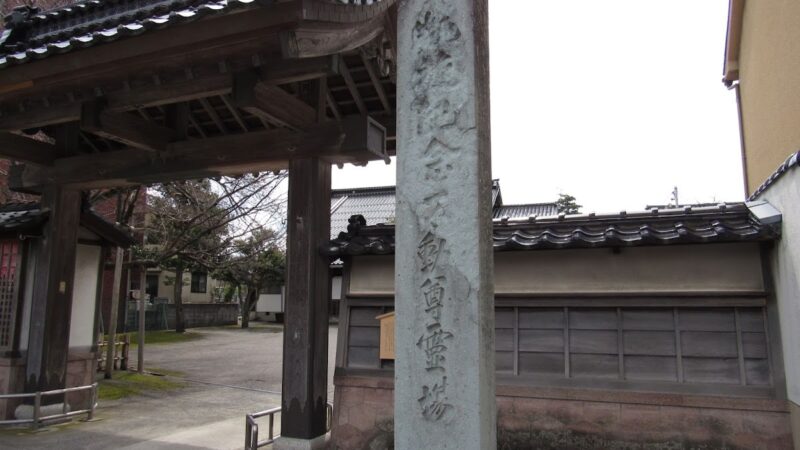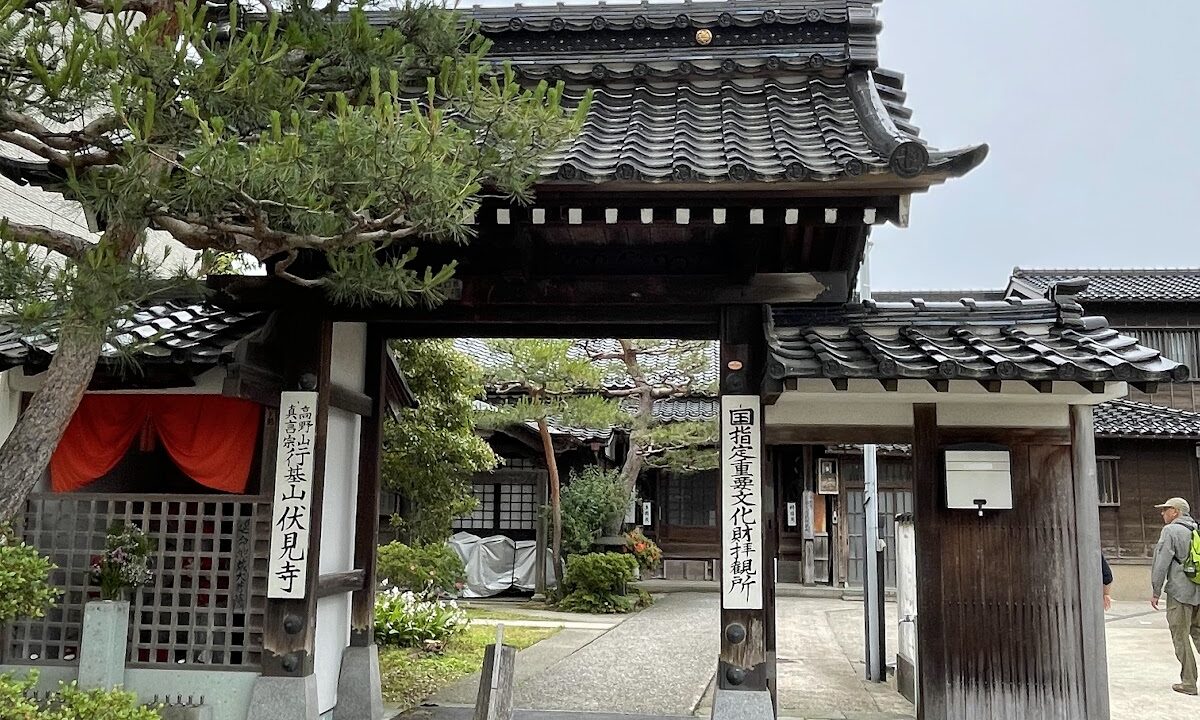
Complete Guide to Fushimi-dera Temple (Ishikawa Prefecture) | The Origin of the Kanazawa Place Name and the Charm of National Treasure-Class Buddhist Statues
Fushimi-dera Temple, nestled in the temple district of Kanazawa City, Ishikawa Prefecture, is an ancient temple of the Koyasan Shingon sect with a history of over 1300 years. Known as a temple associated with Imohori Togoro, the legendary figure from whom the place name Kanazawa originated, it houses numerous valuable cultural assets, including a gilded bronze Buddhist statue from the early Heian period. This article provides a detailed explanation of Fushimi-dera Temple’s history, cultural assets, highlights, and access information.
History and Origin of Fushimi-dera Temple
Founding Legend and Imohori Togoro
Fushimi-dera Temple is said to have been founded in the first year of the Yoro era (717 AD). According to temple tradition, it was built by a man named Imohori Togoro. Imohori Togoro is a legendary figure deeply connected to the origin of the name Kanazawa. Legend says that while digging potatoes in the mountains, he discovered a spring. When he washed the potatoes in the spring water, gold dust adhered to them, giving rise to the name “Kanazawa” (gold-washing stream), which later became “Kanazawa.”
It is said that the Amida Buddha statue, still enshrined as the principal image of Fushimi-dera Temple, was created using this gold dust. Imohori Togoro’s grave remains on the grounds of Fushimi-dera Temple and is an indispensable historical site when discussing the history of Kanazawa.
Naming by Gyoki
The temple’s name, “Fushimi-dera,” is said to have been given by Gyoki, a high-ranking monk of the Nara period. Gyoki was known as a monk who traveled throughout Japan, involved in many temples and social projects. It is believed that he named this temple “Fushimi-dera” when he visited the area. The temple’s mountain name, “Gyoki-san,” also originates from this story.
Affiliation with the Koyasan Shingon Sect
Fushimi-dera Temple belongs to the Koyasan Shingon sect. The Shingon sect is a Buddhist school founded by Kukai (Kobo Daishi) in the early Heian period, and is based on the teachings of Esoteric Buddhism. Fushimi-dera Temple is also known as the 14th pilgrimage site of the Kanazawa Kannon Pilgrimage and has attracted worshippers since ancient times.
A Treasure Trove of Cultural Properties and Buddhist Statues
Principal Image: Amida Buddha Statue (Important Cultural Property)
The Amida Buddha statue, the principal image of Fushimi-dera Temple, is a gilded bronze Buddha statue believed to have been created in the early Heian period and is designated as a National Important Cultural Property. This statue is highly regarded as a masterpiece of gilded bronze Buddha art and is one of the representative works of early Heian period Buddhist art.
Gilded bronze Buddha statues are made by casting a Buddha statue from copper or bronze and then applying gold plating to the surface. Many were produced from ancient to medieval times. The Amida Buddha statue at Fushimi-dera Temple is highly regarded by experts for its elegant form and excellent state of preservation. ### Seated Statue of Fudo Myoo (House in the Goma Hall)
The wooden seated statue of Fudo Myoo housed in the Goma Hall is said to date back to the Konin period (810-824). The Konin period was the early Heian period, a time when Kukai was active. Buddhist statues from this period possess a unique style known as the “Konin style,” characterized by their weighty and powerful expression.
Fudo Myoo is an important deity in Esoteric Buddhism, symbolizing the flame of wisdom that burns away worldly desires. The seated statue of Fudo Myoo at Fushimi-dera Temple can be viewed through glass, leaving a profound impression on visitors.
Other Cultural Assets
In addition to the principal image of Amida Buddha and the seated statue of Fudo Myoo, Fushimi-dera Temple houses numerous other Buddhist statues. These various Buddhas, including the statue of Kannon Bodhisattva, are valuable cultural heritage that convey the faith and artistry of their respective eras. During your visit, you can receive detailed explanations about the temple’s history and Buddhist statues from the head priest or guide, allowing for a deeper understanding.
Highlights of Fushimi-dera Temple
Value as the Origin of the Place Name Kanazawa
The most distinctive feature of Fushimi-dera Temple is its deep connection to the origin of the place name Kanazawa. The presence of the tomb of Imohori Togoro is extremely important for understanding Kanazawa’s history. For tourists visiting Kanazawa, it is a valuable spot where you can trace the origin of the place name.
A Tranquil Space Amidst the Temple District
The temple district where Fushimi-dera Temple is located is a densely populated area of temples spreading west of the Sai River. This district, formed by Maeda Toshitsune, the third lord of the Kaga Domain, gathering temples together, is a representative area of Kanazawa’s historical landscape. Fushimi-dera Temple, in particular, possesses a tranquil atmosphere and is cherished as a place to escape the hustle and bustle of the city and find peace of mind.
A Tranquil Space Amidst the Temple District
The temple district where Fushimi-dera Temple is located is a densely populated area of temples spreading west of the Sai River. This district, formed by Maeda Toshitsune, the third lord of the Kaga Domain, is a representative area of Kanazawa’s historical landscape. Fushimi-dera Temple, in particular, has a tranquil atmosphere and is cherished as a place to escape the hustle and bustle of the city and find peace of mind.
Kanazawa Kannon Pilgrimage Site No. 14
Fushimi-dera Temple is designated as the 14th pilgrimage site of the Kanazawa Kannon Pilgrimage (also known as the Kanazawa Thirty-Three Kannon Pilgrimage). The Kannon pilgrimage is a form of faith where people rely on the compassion of Kannon Bodhisattva to accumulate merit, and it attracts many pilgrims. Many visitors also seek temple stamps (Goshuin), and Fushimi-dera Temple is a constant source of visitors as part of the pilgrimage.
Viewing and Explanation
While there is an entrance fee at Fushimi-dera Temple, in return, you can view the main image and other Buddhist statues, including Kannon Bodhisattva, up close, and receive detailed explanations about the temple’s history and cultural assets. The opportunity for deep learning and a spiritual experience, rather than mere sightseeing, is a major attraction of Fushimi-dera Temple.
Basic Information
Location and Access
Location: 5-chome, Teramachi, Kanazawa City, Ishikawa Prefecture
Access Method:
- Approximately 15 minutes by Hokuriku Railway bus from JR Kanazawa Station, get off at “Hirokoji” bus stop, then approximately 5 minutes on foot.
- Approximately 10 minutes by car from Kanazawa Station.
- Approximately 10 minutes by car from the Kenrokuen/Kanazawa Castle Park area.
The roads in the Teramachi temple district are narrow and parking is limited, so we recommend using public transportation.
Visiting Hours and Admission Fees
We recommend checking visiting hours and admission fees in advance. Visiting may be impossible due to temple events or ceremonies, so it is best to inquire before visiting.
About Goshuin (Temple Seals)
You can receive a Goshuin at Fushimi-dera Temple. As the 14th temple of the Kanazawa Kannon Pilgrimage, the Goshuin is a valuable memento for those undertaking the pilgrimage. We recommend bringing your Goshuincho (stamp book) with you.
Surrounding Area Information
Other Temples in the Teramachi Area
The Teramachi area, where Fushimi-dera Temple is located, is home to over 70 temples. When visiting Fushimi-dera, exploring the surrounding temples will allow you to experience Kanazawa’s temple culture more deeply.
Myoryu-ji Temple (Ninja Temple): One of the most famous temples in Teramachi. It’s affectionately known as the “Ninja Temple” due to its complex interior structure. Interior tours are available by reservation.
Gannen-ji Temple: A temple associated with the Maeda family, lords of the Kaga Domain, known for its beautiful garden.
Kokutai-ji Temple: A Rinzai Zen temple, impressive for its tranquil grounds and magnificent main gate.
Sai River and Sai River Bridge
The Sai River, flowing just east of the Teramachi area, is affectionately known as Kanazawa’s “male river” (the Asano River, in contrast, is known as the “female river”). The view from Saigawa Bridge is beautiful, and many people visit, especially during cherry blossom season and autumn foliage season. A stroll along the Saigawa River before or after visiting Fushimi-dera Temple is also recommended.
Nishi Chaya District
Within walking distance of Teramachi is Nishi Chaya District, one of Kanazawa’s three geisha districts. While not as crowded with tourists as Higashi Chaya District, it offers a tranquil atmosphere where you can experience Kanazawa’s geisha culture. The streetscape lined with traditional buildings is also a popular spot for photography.
Kanazawa 21st Century Museum & Kenrokuen Garden Area
From Fushimi-dera Temple to the center of Kanazawa is about 10-15 minutes by car or bus. You can create a day trip plan by combining it with Kanazawa’s representative tourist spots such as the Kanazawa 21st Century Museum, Kenrokuen Garden, and Kanazawa Castle Park.
Restaurants and Cafes
Around the Teramachi area, there are many cafes housed in renovated old houses and restaurants loved by locals. After visiting Fushimi-dera Temple, we recommend taking a break at a tranquil cafe. You can enjoy dishes made with local ingredients and traditional Japanese sweets unique to Kanazawa.
Points to Note When Visiting Fushimi-dera Temple
Clothing and Belongings
When visiting a temple, please dress appropriately. Especially when visiting the main hall, you will need to remove your shoes, so shoes that are easy to take off and put on are recommended. If you plan to receive a temple stamp (Goshuin), please remember to bring your stamp book.
Photography
Photography is often permitted for the exterior of the temple grounds and gardens, but there may be restrictions on photography inside the main hall or of Buddha statues. Always obtain permission before taking photos.
Maintaining Silence
Fushimi-dera Temple is a place of worship, and many visitors come seeking peace of mind. Please avoid speaking loudly or making noise, and strive for quiet worship.
Best Time to Visit
Fushimi-dera Temple is open year-round, but the entire temple district is especially beautiful during the cherry blossom season in spring and the autumn foliage season. However, it can get crowded during peak tourist seasons, so those who wish to visit in peace should aim for weekday mornings.
The Role of Fushimi-dera Temple in Kanazawa Tourism
While Kenrokuen Garden, Kanazawa Castle, and Higashi Chaya District are well-known Kanazawa attractions, visiting historical temples like Fushimi-dera Temple allows for a more comprehensive understanding of Kanazawa’s rich history and culture.
In particular, understanding the origin of the name “Kanazawa” deepens the significance of visiting this city. The legend of Imohori Togoro is not merely a folktale, but an important story that touches upon the very core of Kanazawa’s identity. Visiting Fushimi-dera Temple will allow you to truly appreciate that Kanazawa has been a place of human activity for over 1000 years.
Summary
Fushimi-dera Temple in Kanazawa City, Ishikawa Prefecture, is an ancient temple of the Koyasan Shingon sect, said to have been founded in 717 AD. It holds high historical and cultural value as a temple associated with Imohori Togoro, who is linked to the origin of the name Kanazawa, and as a temple housing valuable cultural assets such as an early Heian period Amida Buddha statue (an Important Cultural Property) and a seated Fudo Myoo statue from the Konin period.
Located in the tranquil environment of the Teramachi temple district, Fushimi-dera Temple allows visitors to reflect on Kanazawa’s history while praying, making it an unmissable spot for Kanazawa sightseeing. It is also known as the 14th pilgrimage site of the Kanazawa Kannon Pilgrimage, attracting many pilgrims seeking temple stamps.
When visiting Kanazawa, be sure to visit not only major tourist spots but also historically significant temples like Fushimi-dera Temple. There, you’ll find the true essence of Kanazawa that you won’t find in guidebooks. Standing before these important cultural property Buddhist statues and experiencing their 1300 years of history will surely create an unforgettable memory.