Complete Guide to Kōzenji Temple (Iga City, Mie Prefecture) | 600 Years of History and the Charm of the Wind Chime Festival
Kōzenji Temple, located in Ueno City, Iga City, Mie Prefecture, is a major temple of the Sōtō Zen sect, boasting a 600-year history. The “Exorcism Wind Chime Festival,” held from summer to autumn, features approximately 1,500 wind chimes adorning the temple grounds, making it a popular spot attracting many visitors from within and outside the prefecture. This article provides a detailed introduction to Kōzenji Temple, including its history, highlights, and access information.
History and Origins of Kōzenji Temple
600 Years from Founding to the Present
Kōzenji Temple is a Sōtō Zen temple founded approximately 600 years ago by Kaiō Genshun Yamato Son. The Sōtō Zen sect is a branch of Zen Buddhism introduced to Japan from China by Zen Master Dōgen during the Kamakura period, and is characterized by its emphasis on seated meditation (zazen).
Originally, Kōzenji Temple was founded in Tsu City, Mie Prefecture, but it was burned down by Oda Nobunaga and forced to leave Tsu. During this difficult period, thanks to the fervent faith and actions of Watanabe Kanbei, who had a residence in Iga, the temple was rebuilt on the site of his former residence. This historical background is the origin of Kōzenji Temple’s current location in Iga City.
Renovation of the Main Hall Supported by the Temple’s Parishioners
Throughout its long history, Kōzenji Temple has been continuously passed down through generations of parishioners. Approximately five years ago, the main hall underwent a major renovation—the first in 200 years—preserving tradition while creating a system to welcome modern visitors. This renovation has made the temple more accessible to a wider audience, allowing it to continue its role as a center of faith in the region.
Kōzenji Temple Wind Chime Festival | A Summer Tradition of Iga
The Refreshing Sound of Approximately 1,500 Wind Chimes
The most popular event at Kōzenji Temple is the “Exorcism Wind Chime Festival,” held annually from the end of July to the end of September. During this period, approximately 1,500 wind chimes are hung in the temple’s corridors and along the main gate, filling the air with a refreshing sound with every gust of wind.
Wind chimes have long been believed to ward off evil, and it was thought that a protective barrier was created within earshot of their sound, keeping evil away. The wind chimes at Kōzenji Temple are blessed during a Buddhist ceremony before the festival begins, giving them special significance.
Newly Installed Pinwheel Shelf in 2022
For the 2022 Wind Chime Festival, a new pinwheel shelf was installed, adding colorful pinwheels to the temple grounds alongside the wind chimes. This windmill trellis is particularly popular as a photogenic spot, and many posts can be seen on social media. The combination of the sound of wind chimes and the visual beauty of the windmills provides visitors with a sense of coolness and tranquility.
Prayers for the Eradication of COVID-19
In recent years, the Wind Chime Festival has also incorporated prayers for the eradication of COVID-19. In addition to the original meaning of wind chimes as a charm against evil, the festival has become a gathering of people’s hopes to overcome modern difficulties, and has become a popular summer event in Iga-Ueno, attracting many tourists from outside the prefecture.
Purchase of Hirozenji Temple’s Original Wind Chimes
During the Wind Chime Festival, visitors can purchase original wind chimes from Hirozenji Temple. These wind chimes have been blessed in advance during a Buddhist service and can be taken home and displayed as a protective amulet. Along with the sound of the wind chimes, they are a popular item that allows you to incorporate the prayers of Hirozenji Temple into your daily life.
The Charm of Monthly Goshuin Stamps
Kōzenji Temple offers monthly goshuin stamps, which are popular among goshuin collectors. The stamps, designed to match the seasons and events, hold special value as mementos of visits. During the Wind Chime Festival, special goshuin stamps are sometimes available, offering new discoveries with every visit.
Goshuin stamps are not merely commemorative stamps; they are important symbols of visits, forging a connection with the temple. Kōzenji Temple’s goshuin stamps embody the heartfelt brushwork of the head priest and the rich history of Iga.
Zen Meditation and Buddhist Hymn Sessions | A Spiritual Experience for Calming the Mind
Regularly Held Zen Meditation Sessions
Kōzenji Temple, a Sōtō Zen temple, regularly holds Zen meditation sessions. Zen meditation is a fundamental Sōtō Zen practice emphasizing “shikan taza,” which is simply sitting. Even beginners can participate thanks to the careful instruction provided, offering a valuable opportunity to escape the hustle and bustle of everyday life and find inner peace.
Through Zen meditation, you can confront yourself and attain inner peace. In today’s busy society, such quiet time is ideal for refreshing both mind and body.
Experiencing Buddhist Culture through Goeika (Buddhist hymn) Gatherings
Goeika are a form of Buddhist teaching set to music and sung in the form of waka (Japanese poetry), and are a traditional part of Japanese Buddhist culture. Kōzenji Temple also holds Goeika gatherings, where participants can learn the teachings of Buddha through beautiful melodies. This activity, where the mind is purified by vocalization and a sense of unity is felt through group chanting, is popular among many temple parishioners and local residents.
Information on Perpetual Memorial Graves and Tree Burials
Forms of Memorial Service that Meet Modern Needs
Kōzenji Temple offers forms of memorial services that suit modern lifestyles, such as perpetual memorial graves and tree burials. Perpetual memorial service is a system where a temple takes responsibility for providing perpetual memorial services for those who have no successors to their graves or who do not wish to burden their descendants.
Sunny and well-drained cemetery environment
The cemetery at Kōzenji Temple enjoys plenty of sunlight and excellent drainage. It is easy to visit the graves, and a quiet and peaceful atmosphere is maintained, suitable for remembering the deceased. The temple also offers consultations for those considering closing or relocating graves, and the head priest is known for his friendly and approachable demeanor.
Costs and details
For details on the costs of perpetual memorial graves and tree burials, and for information on plots, please contact Kōzenji Temple directly. They will propose the most suitable plan according to each family’s circumstances and wishes.
Highlights of Kōzenji Temple grounds
Beauty of the temple gate and corridors
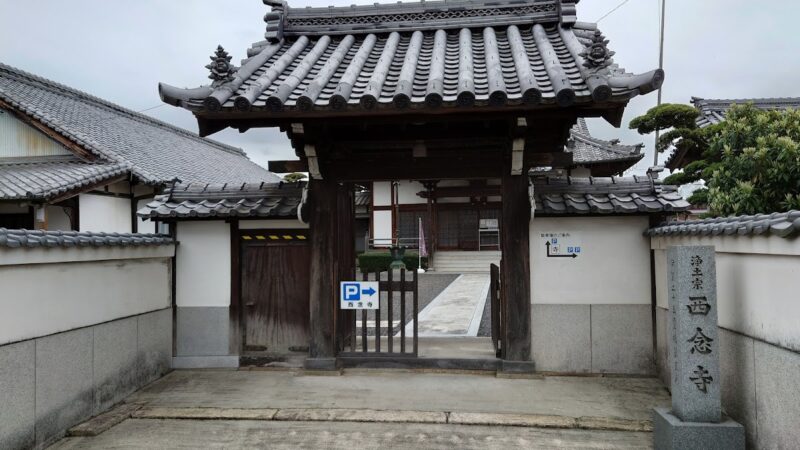
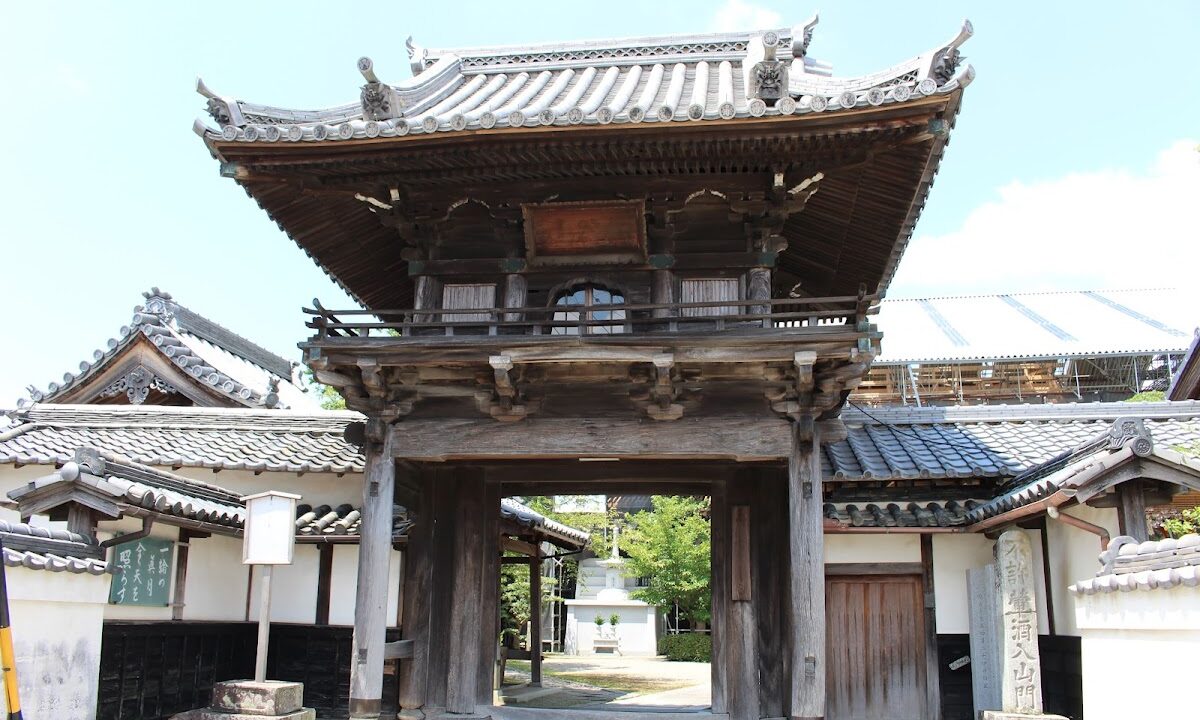
The temple gate of Kōzenji Temple is especially beautifully decorated during the wind chime festival, welcoming visitors. The corridor leading to the temple grounds is adorned with wind chimes, creating a magical experience as you walk beneath them, enveloped in their soothing sounds.
Renovated Main Hall
The main hall, renovated for the first time in 200 years, retains its traditional architectural style while incorporating modern functionality. This renovation, made possible through the cooperation of the temple’s parishioners, symbolizes the beginning of a new chapter in Kōzenji Temple’s history.
Seasonal Appearances of the Temple Grounds
The grounds of Kōzenji Temple display different appearances throughout the seasons. Cherry blossoms in spring, wind chimes and pinwheels in summer, autumn leaves in fall, and a serene, dignified atmosphere in winter—each season offers a unique and worthwhile visit.
Access and Parking Information
Location
Address: Ueno, Iga City, Mie Prefecture
Access from the Nearest Station
The nearest station is “Nishi-Ōte Station” on the Iga Railway, and the temple is within walking distance. You can enjoy a stroll through the charming castle town of Iga-Ueno while visiting.
Parking Information
While parking spaces are available for visitors, congestion is expected during events such as the Wind Chime Festival. Therefore, we recommend considering using public transportation. For detailed parking information, please contact Kōzenji Temple in advance.
Contact Information
Phone Number: 0595-21-0657
Please feel free to contact us regarding visiting hours, event details, and inquiries about perpetual memorial graves.
Tourist Attractions Around Kōzenji Temple
Iga Ueno Castle
Iga Ueno Castle, also known as “Hakuhō Castle,” is a beautiful castle within walking distance of Kōzenji Temple. Its high stone walls are among the tallest in Japan. From within the castle, you can enjoy a panoramic view of Iga city, making it a must-see spot for history buffs.
Iga-ryū Ninja Museum
Iga, known as the home of ninjas, has a ninja museum where you can learn about the history and techniques of ninjas. The demonstration shows are also popular and recommended for families.
Stylish Cafes in Iga
After visiting the Kōzenji Temple Wind Chime Festival, we recommend taking a break at one of the stylish cafes in Iga City. There are many charming cafes scattered throughout the area, including those renovated from old houses and those offering sweets made with local ingredients.
Points to Note and Manners When Visiting Kōzenji Temple
Manners for Visiting the Temple
When visiting the temple, please maintain silence and be considerate of other visitors. Photography is generally permitted, but there are areas where photography is restricted, such as inside the main hall, so please check in advance or follow the temple’s instructions.
Crowd Management During the Wind Chime Festival
The Wind Chime Festival is particularly crowded on weekends and holidays. If you want to visit at a leisurely pace, we recommend choosing a less crowded time, such as weekday mornings.
Dress Code
There are no specific dress code requirements, but please dress appropriately and respectfully for a temple. When visiting the wind chime festival in the summer, don’t forget to take precautions against the heat and insects.
Summary of the Charms of Kōzenji Temple
Located in Iga City, Mie Prefecture, Kōzenji Temple is a central temple of the Sōtō Zen sect with a 600-year history, and continues to be a center of faith in the region. Its history of overcoming the hardship of being burned down by Oda Nobunaga and being rebuilt in Iga through the actions of Watanabe Kanbei speaks to the strong spirituality of this temple.
The wind chime festival, held from summer to autumn, attracts many visitors from within and outside the prefecture with the refreshing sound of approximately 1,500 wind chimes and the beauty of the windmill display. The sound of the wind chimes, imbued with prayers for protection against evil, is believed to soothe the hearts of visitors and function as a protective barrier against negative influences.
From monthly changing goshuin (temple stamps) to regularly held Zen meditation and Buddhist hymn sessions, and perpetual memorial graves that meet modern needs, Kōzenji Temple continues to embrace new initiatives that are in line with the times, while preserving its traditions.
With its friendly head priest, sunny and well-drained cemetery environment, and beautiful main hall renovated for the first time in 200 years, Kōzenji Temple is an open temple that warmly welcomes each and every visitor.
When you visit Iga Ueno, be sure to stop by Kōzenji Temple. In its grounds, where the weight of history and the spirit of modernity harmonize, you can spend time quietly reflecting on yourself. Listening to the sound of wind chimes, calming your mind through Zen meditation, and having your connection to the temple inscribed on a goshuin – such a special experience awaits you.
Kōzenji Temple is not merely a tourist spot; it is a living place of faith where 600 years of history breathes life into. Rooted in the land of Iga and supported by its parishioners, it will continue to provide a place of peace and prayer for many people.