Jodo Sect Sainenji Temple (Iga City, Mie Prefecture) Complete Guide | Goshuin (Temple Seal), History, and Access Information
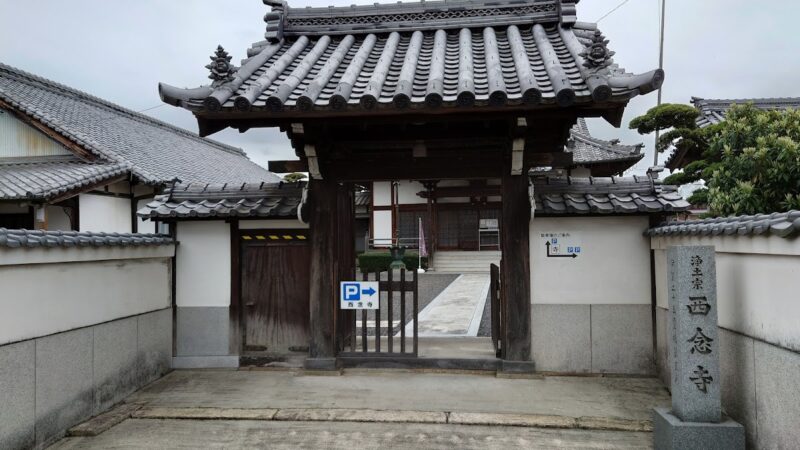
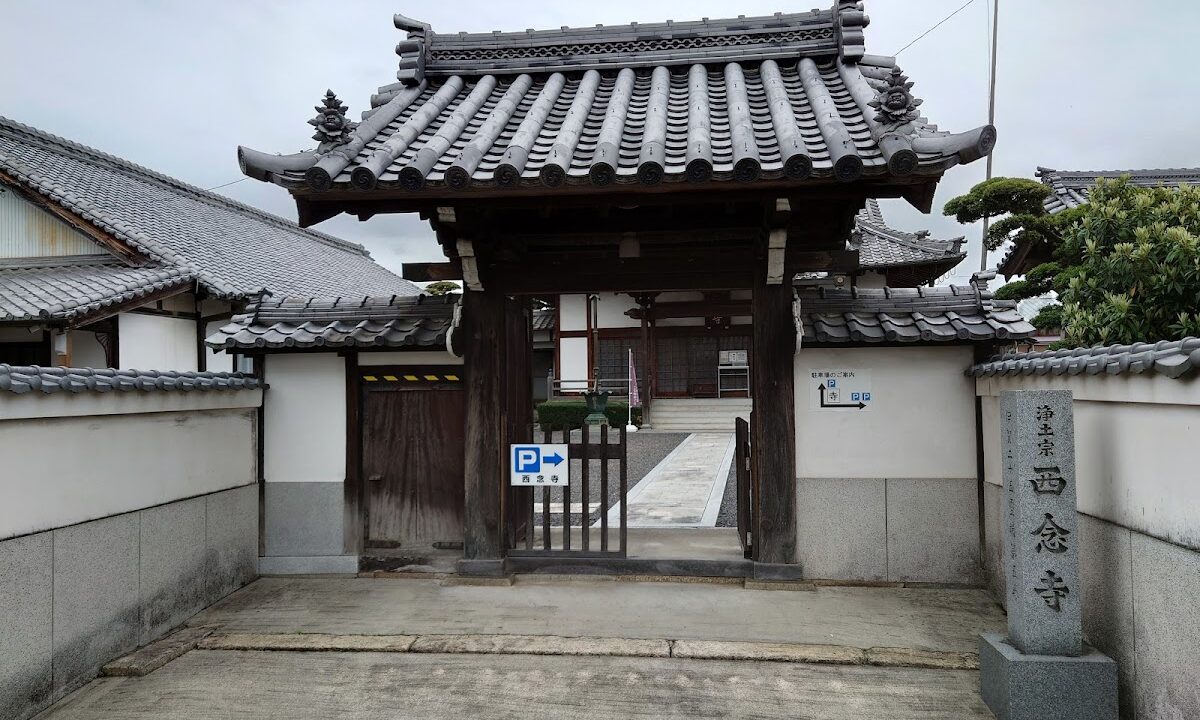
Located in Ueno Manmachi, Iga City, Mie Prefecture, Sainenji Temple is a historic temple of the Jodo sect, known as the fifth temple on the Honen Shonin Iga Twenty-Five Sacred Sites pilgrimage route and the third temple on the Iga Ninja Corridor. This article provides detailed information you should know before visiting Sainenji Temple, including its goshuin (temple seal), history, points of interest within the temple grounds, and access methods.
About Jodo-shu Sainenji Temple
Basic Information
Official Name: Jodo-shu Sainenji Temple
Location: 2296 Ueno Manmachi, Iga City, Mie Prefecture
Sect: Jodo-shu (Pure Land Buddhism)
Pilgrimage Site: 5th of the 25 Sacred Sites of Honen Shonin in Iga, 3rd of the Iga Ninja Corridor
Phone Number: 0595-21-1291
Nearest Station: Within walking distance from Nishi-Ote Station on the Iga Railway
Sainenji Temple is a Jodo-shu temple located in the heart of Iga City, close to Ueno Castle, and is a place of local faith. As a sacred site conveying the teachings of Honen Shonin, and as an important temple in Iga, a land associated with ninjas, it attracts many visitors.
Characteristics of Sainenji Temple
The most distinctive feature of Sainenji Temple is that, while being a traditional temple, it values communication with visitors through a modern approach. Known for its unique initiatives, such as disseminating the latest information through social media and creating handmade goshuin (temple stamps) using eraser stamps, this temple plays a vital role in spreading the teachings of the Jodo sect. It also serves as a hub for conveying local history and culture as part of the Iga Ninja Corridor.
History of Sainenji Temple
Founding and History
The founding date and detailed history of Sainenji Temple, a Jodo sect temple, are known for its deep roots in local faith. The Jodo sect, founded by Honen Shonin (1133-1212), teaches that anyone can attain rebirth in the Pure Land by chanting “Namu Amida Butsu.”
Sainenji Temple has long been a center for spreading Honen Shonin’s teachings in the Iga region, attracting the faith of local people throughout its long history.
Connection to Iga
Iga City is nationally known as the home of ninjas, but it is also a region where Buddhist culture has flourished since ancient times. Sainenji Temple is positioned as the third stop on the Iga Ninja Corridor, symbolizing the history of Iga where ninja culture and Buddhist culture coexist.
Located in a corner of the Ueno castle town, it is believed to have played an important role as a spiritual pillar of the region alongside the development of the castle town.
About the 25 Sacred Sites of Honen Shonin in Iga
The 25 Sacred Sites of Honen Shonin in Iga are a pilgrimage route in the Iga region that conveys the teachings of Honen Shonin, the founder of the Jodo sect of Buddhism. Sainenji Temple holds an important position as the fifth stop on this pilgrimage.
The pilgrimage is considered a form of spiritual practice where one visits each temple, receives a Goshuin (temple stamp), and experiences Buddhist teachings, finding peace of mind. By visiting all 25 temples, including Sainenji Temple, one can gain a deeper understanding of Honen Shonin’s teachings.
About Goshuin (Temple Seals) and Goshuincho (Stamp Books)
Features of Sainenji Temple’s Goshuin
Sainenji Temple’s goshuin has attracted attention from many goshuin enthusiasts due to its uniqueness. Its most distinctive feature is that it is a hand-printed, pre-written goshuin using an eraser stamp.
Goshuin Details:
- Format: Pre-written only (direct inscription in stamp books is not performed)
- Donation: 300 yen per stamp
- Features: Handmade design using an eraser stamp
- Types: Limited edition goshuin are also available depending on the season and events.
Goshuin using eraser stamps are hand-printed one by one, resulting in a warm and inviting finish. The designs are also carefully crafted, making them very popular as souvenirs of visits.
Latest Limited Edition Goshuin Information
Sainenji Temple sometimes offers limited edition goshuin to coincide with seasonal events and special days. This information is mainly shared on social media (Instagram, etc.), so we recommend checking it before your visit.
The following are examples of limited-edition goshuin (temple/shrine stamps):
- Seasonal Limited Goshuin: Designs tailored to the four seasons (spring, summer, autumn, and winter)
- Event Limited Goshuin: Special designs for Buddhist events such as Obon and Higan
- Monthly Goshuin: Goshuin with designs that change monthly
Limited-edition goshuin may be available in limited quantities, so if you want to be sure to receive one, we recommend visiting early or inquiring in advance.
How to Receive a Goshuin (Temple Stamp)
The process for receiving a Goshuin at Sainenji Temple is as follows:
- Visit: First, visit the main hall and offer your prayers to the principal image of Buddha.
- Application: Apply for a Goshuin at the temple office or designated location.
- Payment of Offering: Pay 300 yen per stamp.
- Receiving: Receive a pre-printed Goshuin.
The pre-printed Goshuin should be attached to your Goshuincho (stamp book) using glue or tape for storage. Using special glue for Goshuincho will allow you to attach it neatly.
About Goshuincho
For information on whether Sainenji Temple offers its own original Goshuincho, please contact the temple directly or check their social media for the latest information.
There is also a Goshuincho specifically for the 25 sacred sites of Honen Shonin in Iga, which is recommended for those undertaking the pilgrimage.
Offerings and Amulets
Offerings at Sainenji Temple
In addition to temple seals (Goshuin), Sainenji Temple offers a variety of offerings. These offerings are popular with many visitors as mementos of their visit and as a way to connect with Buddhist teachings in their daily lives.
The types of offerings include:
- Amulets: Amulets tailored to various wishes
- Talismans: Talismans for family safety, etc.
- Prayer Beads: Prayer beads used when chanting Buddhist prayers
- Others: Special offerings according to the season and events
For detailed information on the types of offerings and offering fees, please contact the temple directly.
Significance of Offerings
The offerings at Sainenji Temple, a Jodo sect temple, are not merely souvenirs, but important items for bringing the compassion of Amida Buddha and the teachings of Honen Shonin into daily life. By wearing an amulet or enshrining a talisman at home, you can feel closer to the teachings of Buddhism.
Highlights of the Temple Grounds and Cultural Properties
Main Hall
The main hall of Sainenji Temple is a building with a solemn atmosphere befitting a Jodo sect temple. The principal image, Amida Buddha, is enshrined inside, and visitors can quietly offer their prayers.
How to pray in the main hall:
- Bow before the main hall
- Place your offering in the offering box
- Join your hands in prayer and chant “Namu Amida Butsu”
- Bow and leave
Atmosphere of the Temple Grounds
Despite being located in the city center of Iga, Sainenji Temple grounds have a quiet and peaceful atmosphere. Its location in a corner of the Ueno castle town gives it a historical feel.
Seasonal flowers are planted on the grounds, allowing visitors to enjoy the beauty of nature throughout the seasons.
Regarding Photography
Photography is generally permitted on the temple grounds, but please note the following:
- Obtain prior permission before photographing inside the main hall.
- Be considerate of other visitors.
- Remember to show respect to the temple when posting on social media.
- Consult the temple in advance for commercial photography.
Access and Visiting Information
Access by Train
Using the Iga Railway:
- Get off at Nishi-Ote Station on the Iga Railway, approximately 5-10 minutes on foot.
- Also within walking distance (approximately 10-15 minutes) from Ueno-shi Station on the Iga Railway.
Using JR:
- Get off at Iga-Ueno Station on the JR Kansai Main Line, transfer to the Iga Railway.
- Alternatively, take a taxi or bus from Iga-Ueno Station.
Access by Car
Access from Major Roads:
- Approximately 10 minutes from Ueno IC on the Meihan Expressway.
- Accessible from National Route 25 and National Route 163
Parking:
We recommend checking with the temple in advance regarding the availability and number of parking spaces. There are also coin-operated parking lots nearby.
Visiting Hours and Admission Fee
Visiting Hours: Generally follows the visiting hours of other temples, but please inquire in advance for details.
Admission Fee: Entry to the temple grounds is generally free.
Holidays: There are no specific holidays, but the temple may be closed for religious services, etc.
If you wish to receive a Goshuin (temple stamp) or other commemorative items, we recommend checking by phone in advance.
Nearby Tourist Attractions
There are many attractive tourist spots in Iga City near Sainenji Temple:
Ueno Castle (Iga Ueno Castle):
A beautiful castle, also known as Hakuhō Castle, within walking distance of Sainenji Temple. Its high stone walls are among the tallest in Japan.
Iga-ryū Ninja Museum:
A representative tourist facility of Iga, the home of ninjas. You can learn about the history and techniques of ninjas.
Danjiri Hall: A facility exhibiting the danjiri floats used in the traditional Ueno Tenjin Festival of Iga Ueno.
Haiseiden: A building honoring Matsuo Basho, and one of the symbols of Iga City.
Visiting these spots along with Sainenji Temple allows you to experience Iga’s history and culture more deeply.
Honen Shonin’s Twenty-Five Sacred Sites Pilgrimage
Significance of the Pilgrimage
The Honen Shonin’s Twenty-Five Sacred Sites Pilgrimage are sacred sites in the Iga region that convey the teachings of Honen Shonin, the founder of the Jodo sect. By visiting the twenty-five temples, you can experience the teachings of Nembutsu and attain peace of mind.
Sainenji Temple holds an important position in this pilgrimage as the fifth temple on the route.
How to Visit the Sacred Sites
- Prepare a Special Stamp Book: Obtain a stamp book specifically for the 25 Sacred Sites of Honen Shonin in Iga.
- Visit Each Temple: You can visit at your own pace without being bound by order.
- Receive a Stamp: After visiting each temple, receive a stamp.
- Completion: The pilgrimage is completed when you visit all 25 temples.
Combining with Other Pilgrimage Sites
The temples of the 25 Sacred Sites of Honen Shonin in Iga, including Sainenji Temple, are scattered throughout Iga City and the surrounding areas. It is possible to visit multiple temples in one day, or you can visit them slowly over several visits.
Combining the pilgrimage with sightseeing in Iga City will make for a more fulfilling experience.
About the Iga Ninja Corridor
What is the Iga Ninja Corridor?
The Iga Ninja Corridor is a tourist route established by Iga City, a place associated with ninjas. This includes not only ninja-related facilities but also temples and shrines, allowing you to experience the history and culture of Iga comprehensively.
Sainenji Temple is positioned as the third stop, allowing you to experience Iga’s history from both the perspectives of ninja culture and Buddhist culture.
How to Enjoy the Ninja Corridor
When touring the Iga Ninja Corridor, it is convenient to use the dedicated map and guidebook. You can also collect special stamps and goshuin (temple/shrine seals) at each spot, adding to the enjoyment of collecting.
Sainenji Temple may offer special goshuin related to the Ninja Corridor, so please check the latest information before visiting.
Annual Events and Ceremonies
Main Annual Events
Sainenji Temple, a Jodo sect temple, holds various ceremonies and events throughout the year.
Main Events:
- Shushōe: New Year’s memorial service
- Shunki Higane: Spring equinox memorial service
- Gōtane: Memorial service celebrating the birth of Honen Shonin (April)
- Urabon-e: Obon memorial service
- Shūki Higane: Autumn equinox memorial service
- Gyokie: Memorial service on the anniversary of Honen Shonin’s death (January)
For dates and details of these events, please contact the temple directly.
Participation in Memorial Services
The general public may be able to participate in memorial services. By participating in memorial services, you can gain a deeper understanding of the teachings of the Jōdo sect and accumulate merit through nembutsu (recitation of Amida Buddha’s name).
If you wish to participate, please contact the temple in advance to confirm the date and what to bring.
The Teachings of the Jodo Sect and Sainenji Temple
What is the Jodo Sect?
The Jodo Sect is a sect of Japanese Buddhism founded by Honen Shonin (1133-1212). It teaches that by chanting “Namu Amida Butsu,” anyone can attain rebirth in the Pure Land through the vow of Amida Buddha.
Characteristics of the Jodo Sect:
- Exclusive Nembutsu: Emphasis on simply chanting the Nembutsu
- Easy Practice: An easy practice that anyone can follow
- Reliance on Other Power: Salvation through the power of Amida Buddha’s vow
Faith at Sainenji Temple
At Sainenji Temple, based on the teachings of Honen Shonin, faith through Nembutsu is highly valued. Visitors can experience the compassion of Amida Buddha by chanting “Namu Amida Butsu” in the main hall.
Temples regularly hold events such as Buddhist chanting ceremonies, providing opportunities to chant Buddhist prayers together with local believers.
Manners and Points for Visiting a Temple
Basic Manners for Visiting a Temple
When visiting a temple, please observe the following basic manners:
- Attire: Dress neatly and appropriately.
- Greetings: Bow at the temple gate before entering the grounds.
- Quietness: Be quiet within the temple grounds.
- Mobile Phones: Set to silent mode and refrain from making calls.
- Smoking: Smoking is prohibited within the temple grounds.
- Pets: Check in advance whether pets are allowed.
Flow of Visiting a Temple
- Temple Gate: Bow before entering the grounds.
- Water Basin: Cleanse your hands and mouth (if there is a water basin).
- Main Hall: Pay your respects to the principal image of Buddha.
- Temple Stamp: Receive a temple stamp after your visit.
- Departure: Bow at the temple gate before leaving.
Photography Etiquette
Photography is generally permitted on the temple grounds, but please note the following:
- Photography is often prohibited inside the main hall.
- Be considerate and avoid including other visitors in your photos.
- Refrain from using flash photography.
- Remember to show respect to the temple when posting on social media.
Latest Announcements and Information
Information Dissemination via Social Media
Sainenji Temple disseminates the latest information through social media such as Instagram. You can obtain timely information such as limited-edition goshuin (temple stamps) and event announcements.
How to obtain information:
- Instagram: Search for “Chūanji/Sainenji [Jōdo-shū] Iga City, Mie Prefecture”
- Direct contact with the temple: 0595-21-1291
Things to check before visiting
We recommend checking the following points before visiting:
- Visiting hours
- Availability of Goshuin (temple stamps) (may not be available during religious services, etc.)
- Availability of limited edition Goshuin
- Availability of parking
- Schedule of special events
Recommended temples in Mie Prefecture
When visiting Sainenji, why not also visit other attractive temples in Mie Prefecture?
Temples around Iga City
Chūanji: A Jōdo-shū temple located in Iga City, like Sainenji. It is often visited together with Sainenji.
Kanbodaiji: An ancient Shingon-shū temple located in Iga City. The main hall (Seido), a nationally designated Important Cultural Property, is a valuable example of Kamakura period architecture.
Famous Temples in Mie Prefecture
Senshuji Temple (Tsu City): The head temple of the Shinshu Takada sect. A large temple possessing the National Treasures, the Miei-do and Nyoraido halls.
Keishoji Temple (Kameyama City): An ancient temple known for the Jizo of Seki. Located in Sekijuku, a post town on the Tokaido road.
Visiting these temples together allows you to experience the rich Buddhist culture of Mie Prefecture.
Frequently Asked Questions (FAQ)
Q1: Can I get the temple stamp (Goshuin) at Sainenji Temple directly written in my Goshuincho (stamp book)?
A: Sainenji Temple only offers pre-printed Goshuin stamps. These are hand-printed stamps using an eraser stamp and are available for 300 yen each. Please paste the pre-printed stamp into your Goshuincho for safekeeping.
Q2: Is there parking available? A: Please contact the temple directly (0595-21-1291) in advance regarding the availability and number of parking spaces. There are also coin-operated parking lots nearby that you can use.
Q3: Is there an entrance fee?
A: Entry to the temple grounds is generally free. A donation of 300 yen is required to receive a Goshuin (temple stamp).
Q4: Can I purchase a Goshuincho (stamp book) for the Honen Shonin Iga Twenty-Five Sacred Sites pilgrimage at Sainenji Temple?
A: Please contact the temple directly regarding the availability of Goshuincho specifically for the pilgrimage. When starting the pilgrimage, you can often obtain the Goshuincho at the first temple or other major temples.
Q5: Where can I find information about limited-edition Goshuin?
A: Information about limited-edition Goshuin is mainly posted on social media such as Instagram. Please search for “Chūanji/Sainenji [Jōdo-shū] Iga City, Mie Prefecture” to check the latest information. ### Q6: Do you offer mail-order services for Goshuin (temple stamps)?
A: Mail-order services for Goshuin vary depending on the temple’s policy. Please contact the temple directly. Generally, Goshuin are given on the premise of visiting the temple in person.
Q7: I would like to participate in the annual events. How can I do that?
A: Please contact the temple by phone in advance to inquire about the dates and participation methods for annual events. Some events are open to the general public, so please check the details before participating.
Q8: Are there any special Goshuin for the Iga Ninja Corridor?
A: Special Goshuin may be given as the third stop of the Iga Ninja Corridor. Please check social media or contact the temple directly for the latest information.
Q9: Can I get to Sainenji Temple from Nishi-Ote Station without getting lost?
A: It is within walking distance from Nishi-Ote Station, but if it is your first visit, we recommend checking the route using a map app beforehand. Remembering that it’s near Ueno Castle will make it easier to find.
Q10: What other items are available besides the Goshuin (temple stamp)?
A: There are various items available, such as amulets and prayer beads. Please check directly with the temple during your visit for details on the types and offering fees. Special items may also be available depending on the season and events.
Summary
Seinenji Temple (Iga City, Mie Prefecture), a Jodo sect temple, is the fifth temple on the Honen Shonin Iga Twenty-Five Sacred Sites pilgrimage and the third temple on the Iga Ninja Corridor, making it an important temple that conveys the history and culture of Iga.
The handmade Goshuin, created using rubber stamps, have a warm feel and are very popular as a memento of your visit. Limited edition Goshuin are also regularly offered, so there are new discoveries to be made with each visit.
Located in the heart of Iga City, near Ueno Castle, it’s an easily accessible temple to visit in conjunction with Iga sightseeing. Why not combine it with other tourist spots such as the Ninja Museum and Ueno Castle to experience Iga’s history and culture comprehensively? Seinenji Temple offers a peaceful retreat where you can experience the teachings of Honen Shonin’s “Namu Amida Butsu” and find inner peace in its tranquil grounds. We highly recommend you visit.
Before your visit, please check the latest information via social media or phone, and observe proper etiquette to ensure a peaceful and enjoyable experience.