Complete Guide to Tsutenji Temple (Okinawa Prefecture) | Thorough Explanation from Zen Meditation and Sutra Copying Experiences to History
What is Tsutenji Temple? Okinawa Prefecture’s Only Authentic Zen Temple
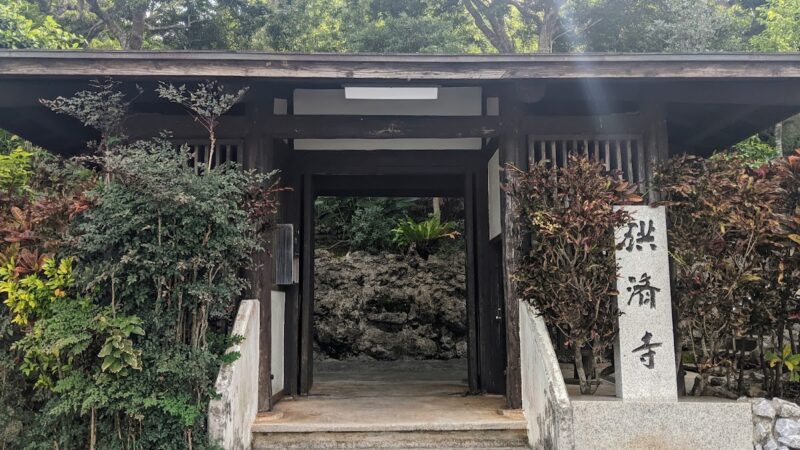
Tsutenji Temple is a Zen temple of the Rinzai sect, Shokokuji school, located in Ushirohara, Yaese-cho, Shimajiri-gun, Okinawa Prefecture. Its official name is “Reinanzan Tsutenji,” and it is known as one of the few authentic Zen training centers in Okinawa Prefecture.
Okinawa Prefecture has a unique religious culture dating back to the Ryukyu Kingdom era, and its historical background differs from that of Buddhist temples on the mainland. Therefore, Tsutenji Temple, officially operating as a Rinzai sect Zen temple, serves as a valuable center of Buddhist culture in Okinawa Prefecture.
The temple regularly holds Zen meditation and sutra copying sessions for the general public, providing an environment where even beginners can easily experience Zen practice. It also accepts corporate training and group programs, and is widely used as a place for spiritual cultivation.
Basic Information and Profile of Tsutenji Temple
Location and Contact Information
Address: 326-4 Ushirohara, Yaese-cho, Shimajiri-gun, Okinawa 901-0504, Japan
Phone: 098-998-6876
FAX: 098-987-0668
Sect and History
Sect: Rinzai Zen, Shokokuji School
Mountain Name: Reinanzan
Rinzai Zen is a branch of Zen Buddhism that was introduced to Japan during the Kamakura period. It emphasizes zazen (seated meditation) with the aim of “seeing one’s true nature.” The Shokokuji School is a sect with Shokokuji Temple in Kyoto as its head temple. Kinkakuji and Ginkakuji also belong to the same sect.
Tsutenji Temple plays an important role in spreading the teachings of Rinzai Zen in Okinawa Prefecture, attracting many worshippers and those seeking training not only from the local area but also from outside the prefecture.
About the Facility
Tsūtenji Temple’s grounds include the main hall and tranquil spaces for Zen meditation and sutra copying. In Okinawa’s warm climate, surrounded by nature, you can calm your mind and dedicate yourself to spiritual practice.
Daily services are held in the main hall, and consultations regarding Buddhist services and memorial services are accepted at any time. Parking is also available, making it convenient to access by car.
Access | How to Get to Tsutenji Temple
Access by Public Transportation
Using Ryukyu Bus:
- Get off at the “Kohara” bus stop (Ryukyu Bus) and walk for approximately 1 minute.
- Approximately 30-40 minutes by bus from Naha city center.
The temple is conveniently located just a 1-minute walk from the bus stop, making it easily accessible even without a car. It is recommended to check the bus timetable on the Ryukyu Bus official website in advance.
Access by Car
The temple is approximately 30 minutes by car from Naha Airport and about 25 minutes from downtown Naha. The most common route is via National Route 507 towards Yaese Town.
Entering “326-4 Ushirohara, Yaese-cho, Shimajiri-gun, Okinawa Prefecture” or “Tsūtenji Temple” into your car navigation system will lead you smoothly. There is parking available on the temple grounds, so visiting by car is convenient.
Landmarks in the Area
The temple is approximately 5 minutes by car from Yaese Town Hall and easily accessible from tourist spots such as Gushikami Castle Ruins and Yaese Park. Located in a peaceful residential area, it offers a quiet environment for focused meditation.
Zen Meditation Sessions | Zen Meditation Experience for Beginners
Zen Meditation Session Details and Flow
Tsūtenji Temple holds regular Zen meditation sessions every month. The Zen meditation session program is as follows:
Time: 7:30 PM – 9:00 PM (Evening Session) or 6:30 AM – 8:00 AM (Morning Session)
Program Content:
- Explanation: (15 minutes): A detailed explanation of Zen meditation etiquette and posture.
- Zen Meditation: (20 minutes x 2 sessions): Sit quietly and focus on your breath.
- Dharma Talk: (15 minutes): The head priest shares Buddhist teachings and practical advice for daily life.
- Tea Ceremony: (20 minutes): Participants socialize while enjoying tea.
How to Participate and Notes
Participation Fee: 500 yen
Schedule: Monthly schedules can be found on the Tsutenji Temple official website or by phone.
Meeting Time: Please arrive 15 minutes before the start time.
Attire: Comfortable clothing (e.g., tracksuits or loose-fitting pants).
- Please refrain from wearing skirts due to the Zen meditation posture.
- For those with foot pain or knee problems, seated meditation in a chair is also possible.
- Wearing socks is recommended.
Reservations: Reservations are generally not required, but if you are a first-timer or wish to participate as a group, we recommend contacting us by phone in advance.
Effects and Benefits of Zen Meditation
Zen meditation, by calming the mind and taking time to confront oneself, can be expected to have the following effects:
- Stress reduction and relaxation
- Improved concentration
- Deeper self-awareness
- Improved emotional control
- Improved sleep quality
Especially in modern society, time to quietly confront oneself away from smartphones and computers is extremely valuable. Tsutenji Temple’s Zen meditation sessions are beginner-friendly, and careful instruction is provided, so even those new to Zen practice can participate with confidence.
Sutra Copying Session | A Mental Training Method of Copying the Heart Sutra
What is Sutra Copying?
Sutra copying is a practice of carefully copying Buddhist scriptures character by character. Tsutenji Temple offers a sutra copying session of the Heart Sutra (Hannya Shingyo). The Heart Sutra is a short sutra, consisting of only 276 characters, but it condenses the core teachings of Mahayana Buddhism.
Details of the Sutra Copying Session
Registration: Registration is accepted at any time (anyone can participate).
Duration: Approximately 1-2 hours (depending on individual pace).
How to Participate: It is recommended to contact the temple by phone in advance to discuss your preferred date and time.
What to Bring: Nothing in particular is required (brushes, ink, and sutra copying paper are provided by the temple).
Effects of Sutra Copying
Sutra copying is said to have the following effects:
- Calming the mind and unifying the spirit
- Cultivating concentration
- Practicing beautiful handwriting
- Providing an opportunity to engage with Buddhist teachings
- Practicing mindfulness
By writing each character with heartfelt intention, you can detach yourself from daily distractions and focus on “the present moment.” In this digital age, the act of writing with a brush feels fresh and brings peace of mind.
Corporate Training and Group Programs
Tsūtenji Temple actively accepts not only individual Zen meditation and sutra copying sessions, but also corporate training and various group programs.
Use in Corporate Training
In recent years, an increasing number of companies are incorporating Zen practice as part of their human resource development and mental health care programs. Tsutenji Temple offers the following programs:
- Zen meditation experience for new employee training
- Mindfulness training for managers
- Zen practice for team building
- Stress management training
How to Apply for Group Use
If you wish to use the temple as a group, please contact us by phone (098-998-6876) in advance. After discussing the number of participants, desired date and time, and program content, we will propose the most suitable plan.
Consultation Regarding Buddhist Services and Memorial Services
Tsūtenji Temple also accepts consultations regarding everyday Buddhist services and memorial services.
Buddhist Services We Can Handle
- Funeral and memorial services
- Buddhist memorial services (e.g., first seven days, forty-ninth day, first anniversary, third anniversary)
- Ancestor memorial services
- Memorial services for stillborn babies
- Other general Buddhist services
How to Consult
Consultations regarding Buddhist services can be made by phone or by visiting the temple in person. We recommend contacting us by phone in advance to explain your needs and schedule a visit. The head priest will provide courteous assistance and propose the most appropriate solution for your specific situation.
The History of Tsutenji Temple and Buddhism in Okinawa
Buddhist Culture in Okinawa
Okinawa Prefecture has developed its own unique religious culture since the Ryukyu Kingdom era. While Buddhism was adopted in the Ryukyu Kingdom, it developed differently from mainland Japan, forming a unique religious culture that fused with indigenous beliefs such as Utaki (sacred grove) worship.
During the Battle of Okinawa in World War II, many temples were destroyed, and the number of Buddhist temples decreased significantly during the post-war reconstruction process. Therefore, compared to mainland Japan, there are fewer Buddhist temples in Okinawa Prefecture today, and Zen temples in particular are extremely rare.
The Role of Tsutenji Temple
Against this backdrop, Tsutenji Temple functions as an important center for spreading the teachings of the Rinzai school of Zen Buddhism in Okinawa Prefecture. Not only does it spread Buddhist teachings to local residents, but it also provides a place for practical training such as Zen meditation and sutra copying, making it a spiritual haven for modern people.
Places to Visit Along with Nearby Tourist Attractions
Yaese Town, where Tsutenji Temple is located, and its surrounding areas have numerous historical and cultural attractions.
Gushikami Castle Ruins
Located about 10 minutes by car from Tsutenji Temple, Gushikami Castle Ruins are the remains of the castle of an Aji (local lord) from the Ryukyu Kingdom era. From the castle ruins, you can enjoy a panoramic view of the East China Sea and admire the beautiful scenery.
Yaese Park
Yaese Park, known for its cherry blossoms, is about 5 minutes by car from Tsutenji Temple. From late January to early February, the Taiwan cherry blossoms bloom earlier than on the mainland.
Peace Memorial Park
The Peace Memorial Park in Itoman City, a site of fierce fighting during the Battle of Okinawa, is about a 20-minute drive from Tsutenji Temple. It features the Cornerstone of Peace, inscribed with the names of all those who died in the Battle of Okinawa, allowing visitors to learn about the preciousness of peace.
Okinawa World
Okinawa World, a theme park where you can experience Okinawan culture and nature, is about a 15-minute drive from Tsutenji Temple. It includes the Gyokusendo Cave and facilities for experiencing traditional crafts.
Manners and Mindset When Visiting Tsutenji Temple
Manners for Visiting
When visiting a temple, please observe the following manners:
- Behave quietly within the temple grounds
- Bow before entering the main hall
- Obtain permission before taking photographs
- Take your trash with you
- Be considerate of other visitors and practitioners
Attire
No special attire is required, but it is desirable to wear clothing that reflects the sacred nature of a temple. If participating in a Zen meditation session or sutra copying session, choose comfortable clothing as mentioned above.
Mindset
When visiting Tsutenji Temple, it is recommended to approach it not as a tourist attraction, but as a time to reflect on yourself. Cherish your time at Tsutenji Temple as a valuable opportunity to escape the hustle and bustle of everyday life and quietly look inward.
Attitude
When visiting Tsutenji Temple, it is recommended to approach it with the mindset of taking time to reflect on yourself rather than simply visiting a tourist spot. Cherish your time at Tsutenji Temple as a precious opportunity to escape the hustle and bustle of everyday life and quietly look inward. ## Summary | Finding Inner Peace at Tsutenji Temple
Tsutenji Temple is a Zen temple of the Rinzai sect, Shokokuji branch, located in Ushirohara, Yaese-cho, Shimajiri-gun, Okinawa Prefecture. It is a valuable Zen training center in Okinawa. Through regularly held zazen (seated meditation) sessions and calligraphy sessions (sutra copying) that are available at any time, even beginners can easily experience Zen practice.
Access is convenient, just a 1-minute walk from the Ryukyu Bus Kotsu “Ushirohara” bus stop, and easily accessible from Naha city center by car in about 30 minutes. The temple also offers a wide range of programs for corporate training and group activities, catering to diverse needs.
In modern society, maintaining inner peace is becoming increasingly important. Experiencing zazen and calligraphy at Tsutenji Temple will provide a valuable opportunity to release daily stress and confront oneself. When visiting Okinawa, be sure to visit Tsutenji Temple and experience the world of Zen.
For the latest zazen session schedules and detailed information, please check the official Tsutenji Temple website or contact them directly by phone (098-998-6876). We look forward to your warm welcome.