Complete Guide to Koju-ji Temple (Kagoshima Prefecture): History and Access Information for Jodo Shinshu Temples in Hioki City and Minamikyushu City
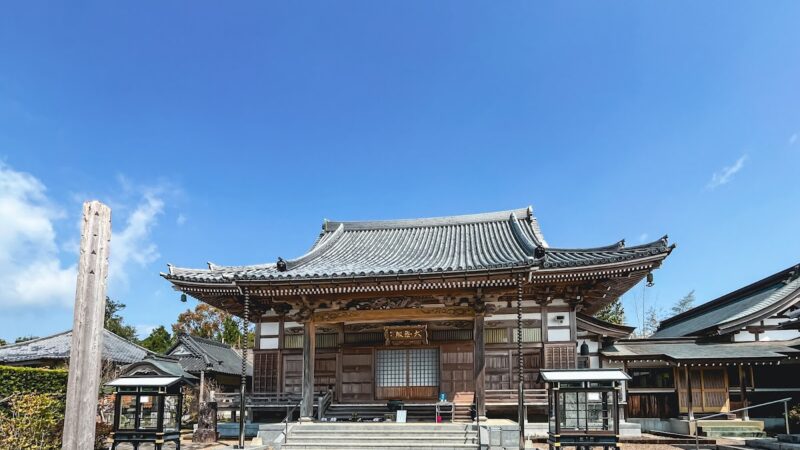
There are several temples named “Koju-ji” in Kagoshima Prefecture, each playing an important role as a center of local faith. This article provides detailed information about Koju-ji temples in Kagoshima Prefecture, including their location, sect, history, access methods, and services offered, to help those considering a visit.
Overview of Koju-ji Temples in Kagoshima Prefecture
There are mainly two Koju-ji temples identified in Kagoshima Prefecture. One is a Jodo Shinshu Higashi Honganji-ha (Shinshu Otani-ha) temple located in Tokushige, Ijuin-cho, Hioki City, and the other is a Jodo Shinshu Honganji-ha temple located in Chiran-cho, Minamikyushu City. Despite sharing the same name, they belong to different sects and conduct activities rooted in their respective communities.
Differences between Koju-ji Temple in Hioki City and Koju-ji Temple in Minamikyushu City
Although the two temples share the same name, they differ in location, sect, and management style. Koju-ji Temple in Hioki City boasts convenient transportation access, being within walking distance of JR Ijuin Station. On the other hand, Koju-ji Temple in Chiran-cho, Minamikyushu City, is situated within the historic townscape of Chiran.
Detailed Information on Koju-ji Temple (Ijuin-cho, Hioki City)
Basic Information and Access
Koju-ji Temple, located in Tokushige, Ijuin-cho, Hioki City, belongs to the Jodo Shinshu Higashi Honganji sect (Shinshu Otani sect). It also operates an official website and actively engages in modern information dissemination.
Location: 444-2 Tokushige, Ijuin-cho, Hioki City, Kagoshima Prefecture 899-2502
Phone Number: 099-272-2232
Access:
- Approximately 2-3 minutes on foot (approx. 194m) from JR Kagoshima Main Line “Ijuin Station”
- Very close to the station exit, convenient access on foot
- Accessible by car via National Route 3
Characteristics of the Sect and Beliefs
Koju-ji Temple (Hioki City) belongs to the Higashi Honganji branch of the Jodo Shinshu sect. The Higashi Honganji branch considers Shinran Shonin as its founder and teaches that salvation is attained through the vow of Amida Buddha by chanting “Namu Amida Butsu.”
A characteristic of Jodo Shinshu is that it does not require rigorous training or precepts, and the doctrine holds that everyone is equally saved through chanting the Buddha’s name. This is one of the reasons why it is easily accessible to the general public and widely practiced throughout Japan.
Services Offered
Koju-ji Temple (Hioki City) offers the following services:
Perpetual Memorial Grave: A grave where the temple provides perpetual memorial services and management for those without successors or those concerned about future grave maintenance.
Tree Burial: A burial method for those who wish to return to nature, with increasing demand in recent years.
Columbarium: An indoor facility for storing cremated remains, allowing for visits regardless of weather.
Grave Closure Support: Consultation and support are provided for organizing existing graves and transitioning to perpetual memorial graves, etc.
Atmosphere of the Priest and Temple
According to user reviews, the priest of Koju-ji Temple (Hioki City) is highly regarded for his friendly and approachable demeanor. Even first-time visitors to the temple or those wishing to discuss funerals and memorial services can feel comfortable consulting with him.
Its convenient location makes it easy to visit whenever one feels like it, a feature highly valued by parishioners and visitors alike.
Detailed Information on Koju-ji Temple (Chiran-cho, Minamikyushu City)
Basic Information and Access
Located in Chiran-cho, Minamikyushu City, Koju-ji Temple belongs to the Jodo Shinshu Honganji sect. Chiran is a historical town known for its samurai residences and the Peace Museum for Kamikaze Pilots, and the temple supports local faith within this area.
Location: 6224, Chiran-cho Gun, Minamikyushu City, Kagoshima Prefecture 897-0302
Phone Number: 0993-83-2017
Access:
- Approximately 40 minutes by car from Kagoshima City
- Approximately 10 minutes by car from Chiran town center
- By public transport, take a bus from Kagoshima Chuo Station towards Chiran, then walk from the nearest bus stop.
Characteristics of the Sect and Beliefs
Koju-ji Temple (Minamikyushu City) belongs to the Jodo Shinshu Honganji sect. The Honganji sect has Nishi Honganji as its head temple and, like the Higashi Honganji sect, inherits the teachings of Shinran Shonin, but has developed as a separate sect due to historical circumstances.
A characteristic of the Honganji sect is the teaching that one can attain rebirth in the Pure Land by believing in the original vow of Amida Buddha and chanting the Nembutsu. It also has unique characteristics in its funeral and memorial service rituals, which are deeply intertwined with local culture. ### Connection with the Local Community
Chiran Town is known for its preserved historical townscape and is a popular tourist destination. Koju-ji Temple (Minamikyushu City) has served as a spiritual support for residents within the context of this region’s history and culture.
It actively participates in local Buddhist services and annual events, playing a central role in the community.
The Teachings of Jodo Shinshu and Koju-ji Temple
What is Jodo Shinshu?
Jodo Shinshu is a Buddhist sect founded by Shinran Shonin (1173-1263), a monk of the Kamakura period. Shinran Shonin inherited the teachings of Honen Shonin and established the concept of “Tariki Hongan” (reliance on the power of others).
Meaning of Tariki Hongan: This teaching states that salvation is achieved not through one’s own power (jiryoku), but through the power of Amida Buddha’s vow (tariki). This means that the path to salvation is equally open to ordinary people who find it difficult to accumulate ascetic practices or good deeds.
Differences between the Higashi Honganji and Honganji Schools
Due to historical circumstances, Jodo Shinshu Buddhism is primarily divided into the Higashi Honganji (Shinshu Otani) and Honganji (Nishi Honganji) schools.
Higashi Honganji (Shinshu Otani) School:
- Head temple: Higashi Honganji (Shinshu Honbyo) in Kyoto
- Belongs to Koju-ji Temple in Hioki City
- While the essence of the doctrines is the same, there are differences in historical circumstances and organizational management.
Honganji (Nishi Honganji) School:
- Head temple: Nishi Honganji (Ryukokuzan Honganji) in Kyoto
- Belongs to Koju-ji Temple in Chiran-cho, Minamikyushu City
- One of the largest Buddhist organizations in Japan
Both schools inherit the teachings of Shinran Shonin, and there are no major differences in the fundamental doctrines, but due to historical divisions, they operate as separate organizations.
Main Buddhist Services and Events Held at Koju-ji Temple
Annual Events
Jodo Shinshu temples hold various Buddhist services and events throughout the year. It is believed that Koju-ji Temple also holds the following events:
Spring Equinox Service (March): A week-long service centered around the spring equinox, dedicated to honoring ancestors.
Birthday Celebration (Around April 8th): A service celebrating the birth of Shinran Shonin. Also known as Hana Matsuri (Flower Festival).
Obon (August): An important event to welcome and honor the spirits of ancestors. In Jodo Shinshu, it is considered a “Joyful Gathering.”
Autumn Equinox Service (September): A week-long service centered around the autumn equinox.
Ho-on-ko (Around November): The most important Buddhist service in Jodo Shinshu, commemorating the anniversary of Shinran Shonin’s death and praising his virtues.
Funerals and Memorial Services
At Koju-ji Temple, funerals and various memorial services are held for parishioners and members of the local community:
- Funeral and Farewell Ceremony
- First Seven-Day Memorial Service
- Forty-Ninth Day Memorial Service
- Annual Memorial Services (First Anniversary, Third Anniversary, etc.)
- Monthly Memorial Service
Jodo Shinshu funerals have a unique ritual that differs from other sects, signifying the sending of the deceased to the Pure Land of Amida Buddha.
Perpetual Memorial Services and Modern Needs
Increasing Demand for Perpetual Memorial Graves
In recent years, due to the declining birthrate, aging population, and the rise of nuclear families, managing traditional family graves has become increasingly difficult. Against this social backdrop, the demand for “perpetual memorial graves,” where temples provide perpetual memorial services and management, is increasing.
Koju-ji Temple (Hioki City) also offers perpetual memorial graves, catering to the following needs:
- Those without children, or those who do not wish to burden their children with the responsibility of maintaining a grave.
- Those living far away and finding regular grave visits difficult.
- Those who wish to reduce their financial burden.
- Those who are not bound by religion or sect.
The Option of Tree Burial
For those who wish to return to nature or who do not wish to adhere to the traditional tombstone format, tree burial is another option. In tree burial, a tree serves as the grave marker instead of a tombstone, and the remains are buried around it.
It is environmentally friendly and has relatively low maintenance costs, making it popular among younger generations.
The Convenience of Columbariums
Columbariums are indoor facilities, allowing for visits regardless of weather. Furthermore, maintenance work such as weeding is unnecessary, making them attractive for the elderly.
Demand is increasing, particularly in urban areas, and temples like Koju-ji Temple (Hioki City), located near train stations, offer especially high convenience. ## For Those Considering a Visit to Koju-ji Temple
Points to Note for First-Time Visitors
When visiting a temple for the first time, please keep the following points in mind:
Prior Contact: If you are visiting for a memorial service or consultation, it is recommended to contact the temple by phone in advance. This will allow you to confirm the priest’s schedule and ensure you have ample time for a consultation.
Attire: For formal memorial services, mourning attire or black-based clothing is appropriate. For consultations or tours, clean and subdued attire is acceptable.
Items to Bring: If bringing an offering or donation, it is customary to wrap it in a white envelope or wrapping paper. The amount may vary depending on local customs and the type of memorial service, so it is advisable to check in advance.
Topics You Can Consult On
Koju-ji Temple offers consultations on the following:
- Requests and consultations regarding funerals and memorial services
- Viewings and contracts for perpetual memorial graves, tree burials, and columbariums
- Consultations regarding the management of existing graves and grave closures
- Questions about Buddhist rituals in general
- Consultations regarding life and faith concerns
The head priest is not only a Buddhist expert but also a counselor with extensive life experience. We encourage you to feel free to consult with him.
Buddhist Culture in Kagoshima Prefecture and the Role of Koju-ji Temple
Religious Background of Kagoshima Prefecture
Kagoshima Prefecture is a region that has cultivated its own unique culture since the time of the Satsuma Domain. Buddhism has also been deeply rooted there since ancient times, and there are temples of various sects, including Jodo Shinshu.
In particular, Jodo Shinshu was widely practiced among samurai and commoners, and has served as a spiritual pillar of the local community. Koju-ji Temple is also thought to have supported the religious lives of the local people within this history.
The Role of Temples in Modern Times
In modern society, temples are not merely religious institutions but also play a central role in local communities.
- Spiritual Support: Providing spiritual support during life’s milestones and difficult times
- Cultural Preservation: Passing on traditional Buddhist culture and local history to future generations
- Social Contribution: Participating in local welfare and educational activities
- End-of-Life Support: Providing assistance and consultation for end-of-life preparations
Koju-ji Temple, too, can be said to be exploring the role of temples in modern society while fulfilling these diverse roles.
Summary: The Charm of Koju-ji Temple (Kagoshima Prefecture)
In Kagoshima Prefecture, there are temples named “Koju-ji” in Ijuin-cho, Hioki City and Chiran-cho, Minamikyushu City. Both temples belong to the Jodo Shinshu sect, but are affiliated with different denominations, Higashi Honganji-ha and Honganji-ha respectively, and are engaged in activities rooted in their respective communities.
In particular, Koju-ji Temple in Hioki City is characterized by its convenient location within walking distance of JR Ijuin Station and its services that cater to modern needs, such as perpetual memorial graves and tree burials. The temple’s abbot’s kind personality is also highly regarded, creating an environment where even first-time visitors can feel at ease seeking advice.
Koju-ji Temple in Chiran-cho, Minamikyushu City, supports local faith amidst a historic townscape, preserving the teachings of the Jodo Shinshu Honganji sect.
Koju-ji Temple, which handles various consultations related to the end of life, such as funerals, memorial services, perpetual memorial services, and grave closures, can be said to represent a new role for temples in modern society. Those considering a visit are advised to contact the temple by phone first and feel free to consult with them.
The Jodo Shinshu teaching that “all people will be saved equally” continues to bring hope and peace to many people in modern society. Koju-ji Temple plays an important role in continuing to pass on these teachings to the community.