Gakuzoji Temple (Saitama Prefecture) Complete Guide: History, Goshuin (Temple Seal), Access, and Highlights Explained in Detail
Located in Saitama Prefecture, Gakuzoji Temple is an important temple that conveys the history and culture of the region to the present day. This article provides a detailed explanation of everything you need to know before visiting, from the historical background of Gakuzoji Temple to information on visiting and its highlights.
About Gakuzoji Temple
Gakuzoji Temple is a Buddhist temple located in Saitama Prefecture, with a long history as a center of faith for local residents. The temple’s name, “Gakuzo,” refers to the study of the Three Pitakas (Sutra Pitaka, Vinaya Pitaka, and Abhidharma Pitaka) in Buddhism, reflecting the temple’s character as one that has carefully preserved and passed down the teachings of Buddhism.
Basic Temple Information
Gakuzoji Temple is located in a tranquil environment and is known as a place that provides peace of mind to visitors. The temple grounds are surrounded by nature that changes with the seasons, showing different expressions depending on the time of year you visit.
History of Gakuzoji Temple
Origin of Founding
The founding of Gakuzoji Temple can be learned from local historical documents and temple traditions. Like many local temples, Gakuzoji Temple has a history deeply intertwined with regional development and the spread of Buddhism.
From the medieval to the early modern period, many temples were built in Saitama Prefecture, serving as spiritual pillars in local communities. Gakuzoji Temple is one such temple, having a history of attracting the faith of local residents.
From the Edo Period to the Present
During the Edo period, under the danka system (parishioner system), the temple strengthened its ties with local people and contributed to the community through funerals, memorial services, and annual events. Despite the impact of the anti-Buddhist movement after the Meiji Restoration, its history of preserving the flame of faith is a story common to many local temples.
Even in modern times, Gakuzoji Temple continues to play a central role in the local community while inheriting traditional Buddhist practices.
Sect and Principal Image
Affiliated Sect
The sect to which Gakuzoji Temple belongs has distinctive characteristics in its doctrines, methods of practice, and ritual forms. Japanese Buddhism is divided into various sects, each with its own unique history and teachings.
About the Principal Image
The principal image, which is central to a temple, represents the core of the temple’s faith. The principal image of Gakuzoji Temple is carefully enshrined as a being that receives the wishes of worshippers and demonstrates the compassion of Buddha.
By joining your hands in prayer before the principal image enshrined in the main hall, you can escape the hustle and bustle of everyday life and have a time to calm your mind.
Highlights of the Temple Grounds
Main Hall
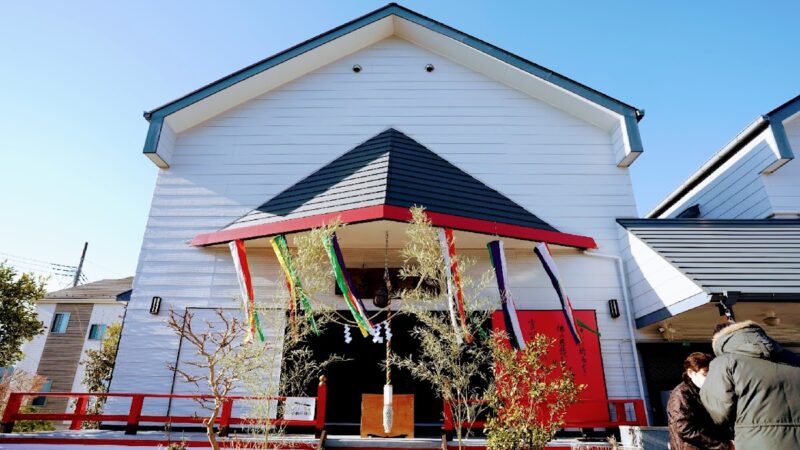
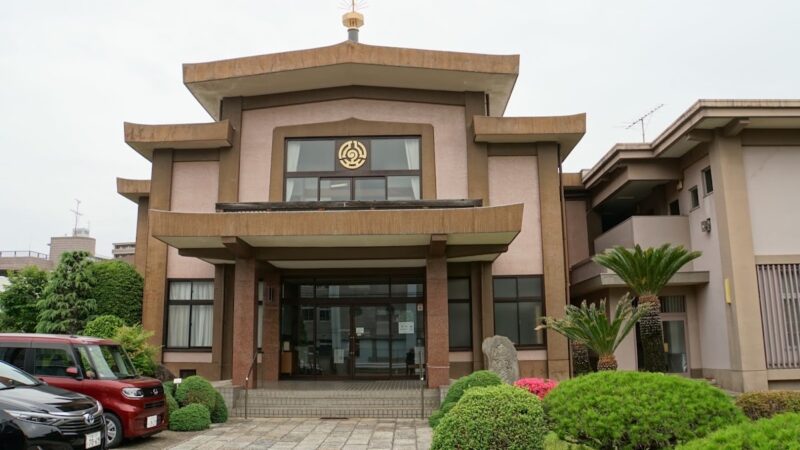
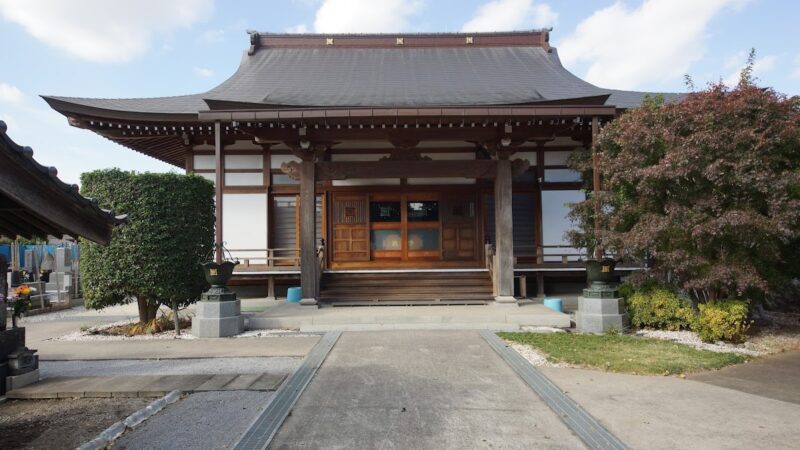
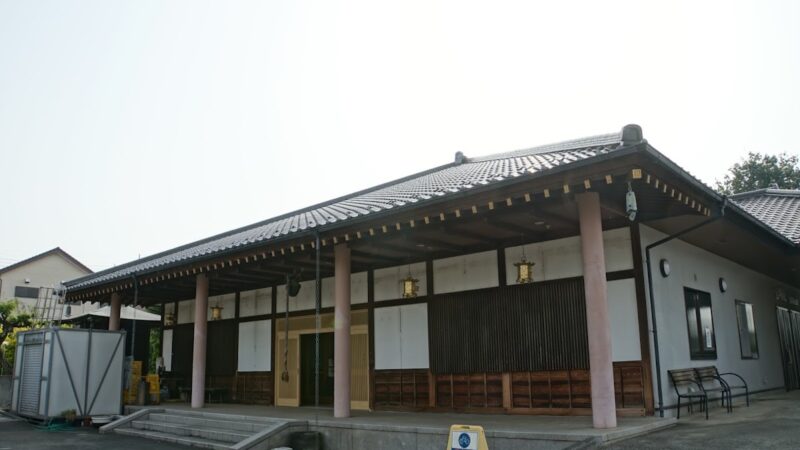
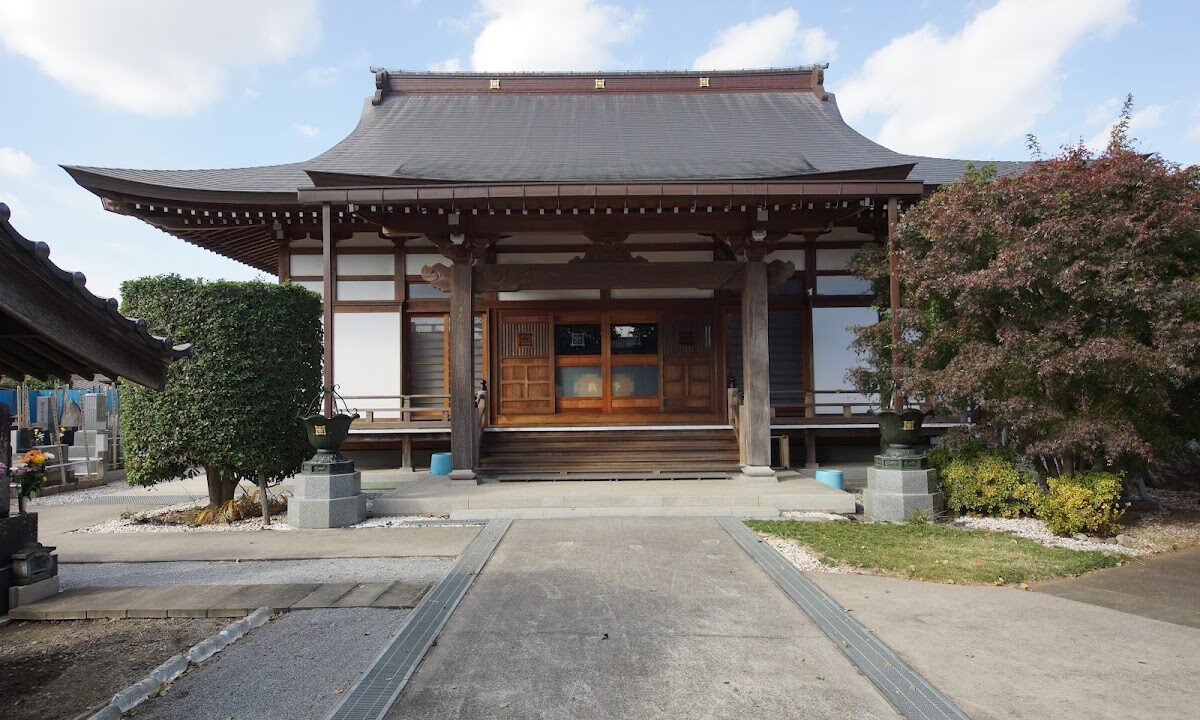
The main hall of Gakuzoji Temple welcomes worshippers as the central building of the temple. Its architectural style exhibits characteristics of traditional temple architecture, allowing you to feel the beauty and solemnity of wooden construction.
Inside the main hall, various Buddhist statues and implements are arranged around the principal image, creating a solemn atmosphere. When visiting the temple, it is important to quietly put your hands together and offer your prayers with sincerity.
Natural Environment of the Temple Grounds
The grounds of Gakuzo-ji Temple offer beautiful natural scenery that changes with the seasons. In spring, cherry blossoms and fresh greenery; in summer, deep green; in autumn, vibrant autumn leaves; and in winter, the crisp, serene air soothes the hearts of visitors.
By strolling through the temple grounds, you can forget the hustle and bustle of the city and spend precious time becoming one with nature.
Stone Buddhas and Monuments
The temple grounds are dotted with stone Buddhas and monuments that tell the story of history. These are evidence of past faiths and valuable cultural assets that convey the history of the region to the present day.
Each stone Buddha embodies the wishes and prayers of those who dedicated it, and by quietly putting your hands together in prayer, you can connect with the feelings of people across time.
Annual Events and Memorial Services
Main Annual Events
Gakuzo-ji Temple holds various annual events based on Buddhist traditions.
New Year’s Day/First Shrine Visit
Many worshippers visit temples at the start of the new year to pray for peace and happiness throughout the year. First shrine visits are a traditional Japanese custom and an important event for temples.
Spring and Autumn Equinox Services
During the equinox period, centered around the spring and autumn equinoxes, memorial services are held to honor ancestors. The equinox period is considered the time when this world and the next are closest, making it an important time to express gratitude and respect for ancestors.
Obon Memorial Service
During the summer Obon festival, memorial services are held to welcome and honor the spirits of ancestors. While dates vary by region, it is an important event that attracts many parishioners and worshippers.
New Year’s Eve Bell Ringing
On New Year’s Eve, the temple bell is rung, symbolizing the removal of 108 worldly desires and preparing to welcome the new year with a pure heart.
Special Memorial Services
Special memorial services related to the temple’s history and origins are sometimes held several times a year. These memorial services serve as an opportunity to reaffirm the connection between the temple and the community and to renew one’s faith.
Goshuin (Temple Seal) Information
About the Issuance of Goshuin
In recent years, collecting goshuin has become popular as part of temple and shrine visits. Gakuzoji Temple may also issue goshuin.
Goshuin are not merely commemorative stamps, but sacred items bestowed by the temple as proof of worship. When receiving one, it is proper etiquette to first offer heartfelt prayers at the main hall, and then respectfully request one at the goshuin office.
About Goshuincho (Goshuin Books)
It is common to receive goshuin in a dedicated goshuincho. If Gakuzoji Temple has its own original goshuincho, it would be a good idea to obtain one as a memento.
When receiving a goshuin, it is customary to pay a fee of around 300 to 500 yen. The amount varies depending on the temple, so it is best to check.
Goshuin (Temple Stamp) Reception Hours
The reception hours for Goshuin are determined by the temple’s opening hours and the monks’ schedules. Generally, it’s from 9:00 AM to around 4:00 PM, but it’s recommended to check before your visit.
Goshuin may not be available during religious services or events, so it’s best to inquire in advance.
Access Methods
Access by Public Transportation
Gakuzoji Temple can be accessed using public transportation. The distance and travel time from the nearest station are important pieces of information when planning your visit.
Access by Train
Take a local train from a major station in Saitama Prefecture to the nearest station. From the nearest station, you can reach the temple on foot or by bus.
Access by Bus
If using the bus from the nearest station, it’s convenient to check the bus timetable in advance. Also, be sure to know the walking route from the bus stop to the temple.
Access by Car
If you are visiting by private car, it is recommended to enter the temple’s address into your car’s navigation system or use nearby landmarks as a target.
Route from Major Roads
Checking access routes from major roads and expressways in Saitama Prefecture in advance will ensure a smooth arrival.
Parking Information
If the temple has a parking lot for visitors, check the number of spaces and operating hours. During major events, congestion is expected, so consider using public transportation.
Nearby Landmarks
There may be landmarks such as local public facilities and commercial establishments around Gakuzoji Temple. Using these as a reference will help even first-time visitors arrive without getting lost.
Manners and Points for Visiting a Temple
Basic Manners for Visiting a Temple
When visiting a temple, it is important to observe basic manners.
Regarding Clothing
No special clothing is required, but avoid revealing or overly flashy clothing, and aim for clean and understated attire.
Behavior on Temple Grounds
Temple grounds are a sacred place. Please refrain from speaking loudly or running around, and pray quietly. It is important to follow the rules in areas where smoking and eating/drinking are prohibited.
Regarding Photography
Whether or not photography is permitted on the temple grounds and buildings varies from temple to temple. Refrain from taking photos where there are signs prohibiting photography, and even where it is permitted, be considerate of other worshippers.
Etiquette for Worship
Bowing at the Temple Gate
When entering a temple, bow at the temple gate before entering the grounds. This is a gesture of respect for entering the realm of Buddha.
Procedure for Washing Hands
If there is a water basin for washing hands and mouth, purify your hands and mouth before proceeding to the main hall. Hold the ladle in your right hand and purify your left hand, then hold the ladle in your left hand and purify your right hand, then hold the ladle in your right hand again, receive water in your left hand, and rinse your mouth. Finally, hold the ladle upright and purify the handle.
Worship at the Main Hall
Before the main hall, quietly clasp your hands together and pray with all your heart. If you wish to offer a monetary donation, quietly place it in the offering box. Unlike Shinto shrines, clapping is not customary in temples.
Guidelines for Worship
Visiting a temple is not merely sightseeing; it is a time to quiet your mind and reflect on yourself. Cherish this opportunity to escape the hustle and bustle of daily life, connect with Buddhist teachings, and find inner peace.
By praying with various wishes in mind—such as gratitude to ancestors, family health, and social peace—you can gain a deeper sense of spiritual fulfillment.
Attractions Around Gakuzoji Temple
Nearby Tourist Spots
When visiting Gakuzoji Temple, you can have a more fulfilling experience by also visiting nearby tourist spots.
Saitama Prefecture boasts diverse tourist resources, including historical shrines and temples, nature parks, and museums. Around Gakuzoji Temple, there are likely to be facilities and landmarks where you can learn about the region’s history and culture.
Local Specialties and Cuisine
After visiting the temple, enjoying local specialties and regional cuisine is a highlight of any trip. Saitama Prefecture boasts unique local food cultures and traditional crafts.
Dining at local restaurants and purchasing local products at souvenir shops contributes to the local economy.
Cultural Significance of Gakuzoji Temple
Connection to the Local Community
Gakuzoji Temple has served not only as a religious institution but also as a cultural center of the local community.
Historically, temples have functioned as centers for education, welfare, and arts and culture. They have a history of multifaceted social contributions, including education at temple schools, relief for the poor, and providing venues for festivals and performing arts.
Even today, they serve as a center for traditional local events and cultural activities, providing a place for intergenerational exchange.
Value as a Cultural Asset
Temples preserve various cultural assets, including temple architecture, Buddhist statues, ancient documents, and paintings. These are valuable historical materials that tell the story of the region and are cultural heritage that should be passed down to future generations.
Gakuzoji Temple may also possess cultural assets that tell the story of the region’s history. By carefully preserving and appropriately displaying these, their value as cultural education and tourism resources will also be created.
Precautions for Visiting
Opening Hours and Visiting Hours
Temples have opening and closing times. Generally, visiting hours are from sunrise to sunset, but this varies by temple, so it is recommended to check in advance.
Especially if you wish to receive a Goshuin (temple stamp) or participate in a specific event, be sure to check the hours before visiting.
Event and Memorial Service Schedules
On days when major events or memorial services are held, general visits may be restricted. Conversely, this can also be a good opportunity to participate in special events.
Checking the temple’s website or calling before your visit will allow you to plan your visit effectively.
Consideration of Weather and Season
Temple visits include outdoor activities, so preparations according to the weather and season are necessary.
In summer, taking precautions against heatstroke, such as wearing a hat and staying hydrated, is important. In winter, taking precautions against the cold is crucial. When it rains, prepare an umbrella or rain gear, and be careful of slippery ground.
Contacting Gakuzo-ji Temple
Importance of Prior Confirmation
If you wish to confirm opening hours, the issuance of temple stamps, and event schedules before visiting Gakuzo-ji Temple, you can contact the temple directly.
When making inquiries by phone, it is advisable to do so during reasonable hours (around 9:00 AM to 5:00 PM) to avoid disrupting the temple’s operations.
Regarding Visit Reservations
Reservations are not required for general visits, but for group visits or requests for special services, it is necessary to contact the temple in advance to make arrangements.
While the temple welcomes visitors, sudden large group visits may be difficult to accommodate, so consideration is needed.
The Significance of Visiting Gakuzo-ji Temple
Seeking Peace of Mind
Modern society is a time of stress and information overload, making it difficult to maintain peace of mind. Visiting a temple offers a valuable opportunity to temporarily escape from daily life and quiet the mind.
Temples rooted in the community, like Gakuzoji Temple, have a quiet and peaceful atmosphere, unlike large, famous tourist temples. Spending time there can help you rediscover your true self.
Experiencing History and Culture
Temple visits are also an experience of engaging with Japanese history and culture. Buddhism has formed the foundation of Japanese spiritual culture for over 1500 years.
By visiting Gakuzoji Temple, you can touch upon a part of its long history and reflect on the faith and lives of our ancestors.
Deepening Local Understanding
Visiting a local temple is an entry point to understanding the history and culture of that region. Temples are closely connected to their communities, and their history is the history of the region itself.
By learning about the local culture of Saitama Prefecture through Gakuzoji Temple, you will develop a deeper understanding of and affection for the region.
Summary
Gakuzoji Temple, located in Saitama Prefecture, is an important temple that conveys the history and faith of the region to the present day. In the tranquil temple grounds, you can find peace of mind and connect with Buddhist teachings, offering a precious escape from the hustle and bustle of everyday life.
When visiting, observe basic manners and understand the temple’s history and cultural value to make the experience more meaningful. Even when receiving a temple stamp (Goshuin), treat it not merely as a souvenir, but as a cherished memento of your visit.
A visit to Gakuzoji Temple will be a meaningful experience for those seeking inner peace, those interested in history and culture, and those wanting to discover the charm of the region. Why not pay a visit sometime?
Saitama Prefecture is dotted with many temples and shrines. Starting from Gakuzoji Temple, a pilgrimage to surrounding temples and shrines will surely bring new discoveries and inspiration.