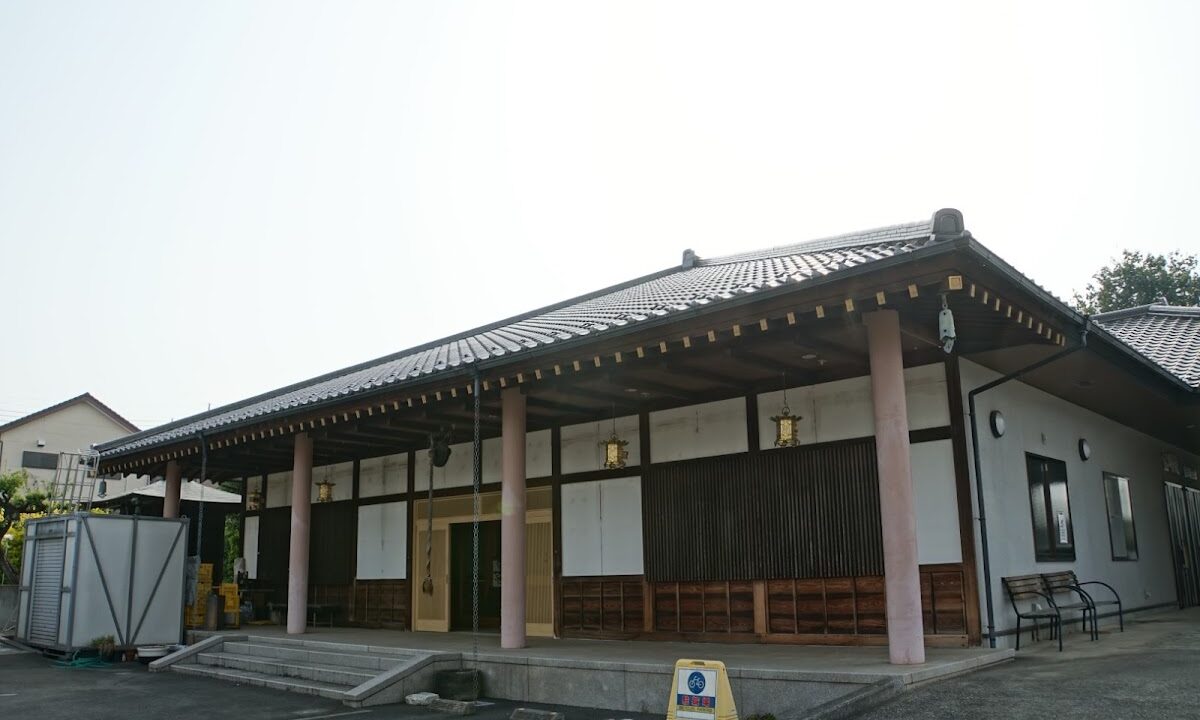
Shinseiji Temple (Iwatsuki Ward, Saitama City, Saitama Prefecture) Complete Guide | History, Access, and Funeral Information
Shinseiji Temple, located in Iwatsuki Ward, Saitama City, Saitama Prefecture, is a historically significant temple deeply rooted in the community, cherished by many visitors and parishioners. This article comprehensively introduces useful information for those considering visiting or using Shinseiji Temple, from basic information and historical background to funeral and memorial service information and access methods.
Basic Information on Shinseiji Temple
Location and Access
Location: 2-12-35 Honcho, Iwatsuki Ward, Saitama City, Saitama Prefecture
Phone Number: 048-756-1643
Shinseiji Temple is located in the heart of Honcho, Iwatsuki Ward, Saitama City, within the historic townscape of Iwatsuki. Iwatsuki flourished as a castle town, and Shinseiji Temple serves as a center of local faith amidst the historical atmosphere of the town.
Detailed Access Information
Access by Train:
- Approximately 10 minutes on foot from Iwatsuki Station on the Tobu Urban Park Line (Tobu Noda Line)
- Exit the east exit of Iwatsuki Station and proceed along Iwatsuki Honmachi Street to reach the temple.
Access by Car:
- Approximately 10 minutes from the Tohoku Expressway “Iwatsuki IC”
- Accessible from National Route 16; proceed towards the Iwatsuki city center.
- Please inquire with the temple in advance regarding parking spaces for visitors.
Access by Bus:
- Bus routes are also available from Iwatsuki Station.
- Get off at the “Honmachi” bus stop and walk for a few minutes.
History and Origins of Shinsei-ji Temple
Historical Background of Iwatsuki
Iwatsuki Ward in Saitama City flourished as a castle town of the Iwatsuki Domain during the Edo period. The town of Iwatsuki, which developed around Iwatsuki Castle, saw the construction of many temples and shrines, and Shinseiji Temple has supported the faith of the local people throughout its history.
Iwatsuki is also known as a town of dolls, and is a cultural area where traditional crafts are passed down through generations. Within this historic townscape, Shinseiji Temple has been a spiritual haven for local residents across generations.
Temple Characteristics
Shinseiji Temple is known as a community-oriented temple among temples in Saitama Prefecture. While maintaining the danka (parishioner) system, it provides funeral and memorial service services that meet modern needs.
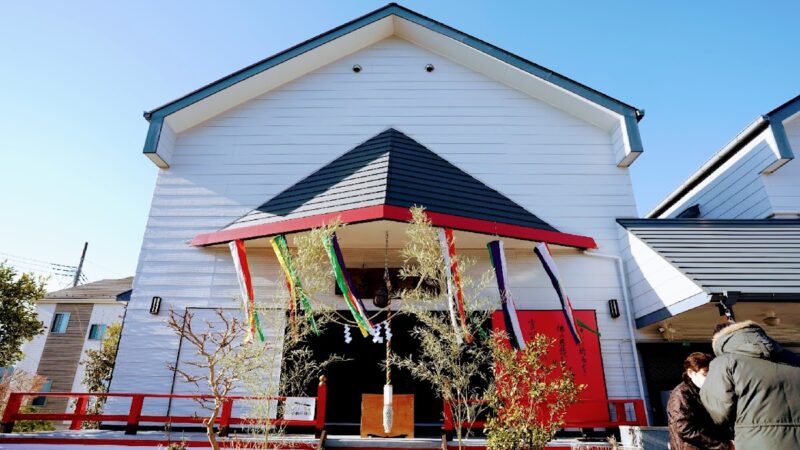
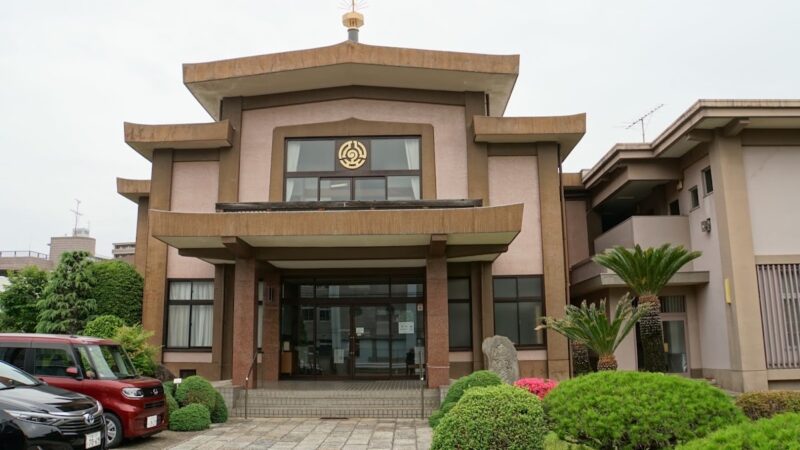
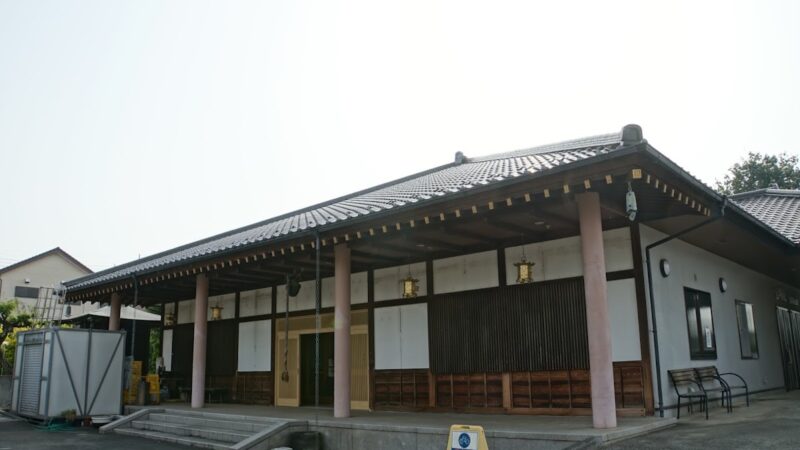
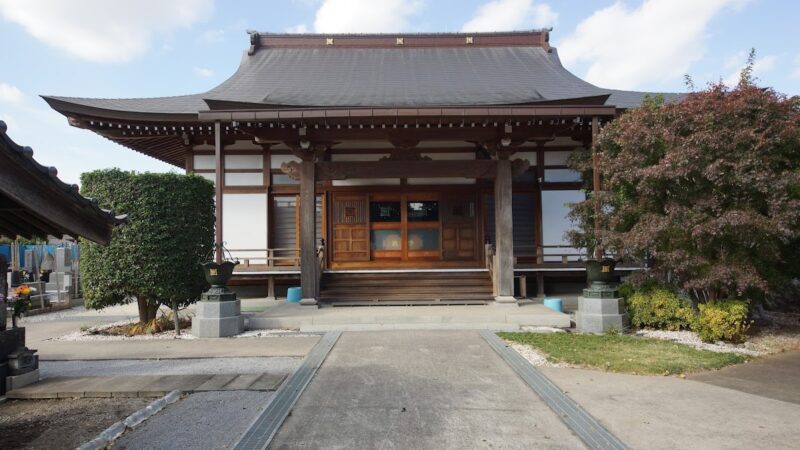
The temple’s architectural style and the atmosphere of its grounds offer visitors tranquility and peace. Even in the increasingly urbanized city of Saitama, it remains a valuable space that retains its historical charm.
Funeral and Memorial Service Information
About Funerals at Shinseiji Temple
Shinseiji Temple can conduct traditional Buddhist funerals. Temple funerals are held using the main hall and other facilities on the temple grounds, allowing for a solemn farewell to the deceased.
Characteristics of Temple Funerals:
- Solemn funeral ceremonies are possible in the main hall.
- Respectful chanting and sermons by the head priest.
- A warm atmosphere that values connections with parishioners.
- Conducted according to traditional Buddhist rituals.
Collaboration with Funeral Homes
If you wish to hold a funeral at Shinseiji Temple, we provide services in collaboration with local funeral homes. There are several funeral homes in and around Iwatsuki Ward, Saitama City, allowing you to choose a company that can handle funerals at Shinseiji Temple.
Points to Consider When Choosing a Funeral Home:
- Choose a company with experience in funerals at Shinseiji Temple.
- A company that provides clear estimates.
- 24-hour emergency support system.
- Funeral plans that offer high-quality service at low prices.
- The personality and responsiveness of the staff.
About Memorial Services and Buddhist Rites
Shinseiji Temple also conducts various memorial services after funerals.
Main Memorial Services:
- First Seven Day Memorial Service
- Forty-Ninth Day Memorial Service
- Annual Memorial Services (First, Third, Seventh Anniversary, etc.)
- Obon Memorial Service
- Higan Memorial Service
- Monthly Memorial Service
Please consult with the temple in advance regarding the dates and content of memorial services. Some temples accept consultations for non-parishioners, so we recommend contacting them first.
Temple Environment in Iwatsuki Ward, Saitama City
Temple Culture in Iwatsuki Ward
Iwatsuki Ward in Saitama City has many temples besides Shinsei-ji Temple. Due to its historical background as a castle town, temples of various sects coexist, supporting the local faith.
Main Characteristics of Iwatsuki Ward:
- A castle town with preserved historical streetscapes
- Preservation of traditional crafts (Iwatsuki dolls)
- Existence of temples of diverse sects
- Strong ties between local communities and temples
Relationship with surrounding temples
There are numerous temples in Saitama Prefecture, each with its own unique history and characteristics. Even within Saitama City alone, temples are distributed throughout various areas such as Motobuto, Komaba, Segasaki in Urawa Ward, and Mimuro in Midori Ward.
Furthermore, looking at Saitama Prefecture as a whole, many temples exist in cities such as Ageo, Asaka, Kasukabe, Kawaguchi, Kawagoe, Gyoda, Kumagaya, Konosu, Koshigaya, Shiki, Tokorozawa, Toda, Hasuda, Hanno, Fujimi, and Warabi, each serving as a center of faith in its respective region.
Points to Note When Visiting Shinseiji Temple
Temple Visiting Etiquette
When visiting a temple, it is important to observe basic temple visiting etiquette.
Basic Temple Visiting Etiquette:
- Bow when passing through the temple gate
- Be quiet within the temple grounds
- Clasp your hands together and bow when praying in the main hall
- Take photographs only in designated areas
- Set your mobile phone to silent mode
Attire
For regular visits, clean and presentable attire is acceptable. However, if attending a funeral or memorial service, it is advisable to wear formal mourning attire or ceremonial clothing.
Visiting Hours and Contact Information
If you wish to visit Shinseiji Temple or inquire about funeral/memorial service arrangements, it is recommended that you contact the temple by phone in advance.
Contact Number: 048-756-1643
Especially for funeral/memorial service consultations or first-time visits, making an appointment in advance will allow you to receive courteous service from the head priest and temple staff.
Temple Culture in Saitama Prefecture and the Position of Shinseiji Temple
Overview of Temples in Saitama Prefecture
While Saitama Prefecture does not have many temples of the head temple status, it has numerous temples of the special head temple status and temples that play important roles in their respective communities. Temples of various sects are distributed throughout the prefecture, and a diverse Buddhist culture is deeply rooted there.
Major Sects in Saitama Prefecture:
- Tendai Sect
- Shingon Sect
- Soto Sect
- Rinzai Sect
- Jodo Sect
- Jodo Shinshu Sect
- Nichiren Sect
- Other Sects
The Role of Shinseiji Temple in the Community
Shinseiji Temple is located in the heart of Honcho, Iwatsuki Ward, Saitama City, and serves as a spiritual support for local residents. While maintaining intergenerational connections through the danka system (parishioner system), it operates as a temple that responds to the needs of modern society.
In Saitama Prefecture, which is undergoing rapid urbanization, Shinseiji Temple’s continued role as a core of the local community while preserving traditional temple culture is a major characteristic.
Advantages of Holding a Funeral at Shinseiji Temple
Realization of a Traditional Buddhist Funeral
A funeral held at a temple takes place in a solemn atmosphere, unlike a funeral hall or crematorium. A funeral held in the main hall can be conducted in accordance with the original Buddhist ritual of sending the deceased to the Buddha.
Direct Relationship with the Chief Priest
At a temple funeral, you can interact directly with the chief priest. A major advantage of a temple funeral is that the priest carefully listens to the deceased’s life and the family’s feelings, and reflects them in sermons and chanting.
Continuous Memorial Services
By holding a funeral at Shinseiji Temple, subsequent memorial services and ceremonies can be continued at the same temple. This allows you to maintain a long-lasting connection with the deceased and remember them through regular memorial services.
About the Danka System
What it Means to Become a Danka
A Danka refers to a family that provides financial and spiritual support to a specific temple. Becoming a temple parishioner allows you to have priority in holding funerals and memorial services at that temple and to build a deep relationship with the head priest.
Benefits of being a parishioner:
- Guaranteed funerals and memorial services at the temple
- Regular memorial services by the head priest
- Use of the temple cemetery (varies depending on the temple)
- Access to consultation on all aspects of Buddhist rituals
- Connection with the local community
Responsibilities of a parishioner:
- Payment of parishioner fees
- Participation in temple events (to the extent possible)
- Cooperation in the maintenance and operation of the temple
Use by Non-Parishioners
If you wish to hold a funeral or memorial service at Shinsei-ji Temple, it may be possible to consult even if you are not a parishioner. However, since the response varies depending on the temple’s policies and circumstances, please contact us by phone first.
Sightseeing and Temple Visits in Iwatsuki
Around Iwatsuki Castle Ruins Park
Iwatsuki Ward, where Shinsei-ji Temple is located, is dotted with historical spots, including Iwatsuki Castle Ruins Park. In addition to visiting temples, you can also experience the history and culture of Iwatsuki.
Main attractions in Iwatsuki:
- Iwatsuki Castle Ruins Park
- Iwatsuki Doll Museum
- Historical townscape
- Various temples and shrines
Recommendation for Temple Visits
Saitama Prefecture has many temples, making temple visits enjoyable. Each temple has its own unique history and characteristics, and you will discover something new by visiting them.
Starting from Shinseiji Temple, visiting other temples in Saitama City and Saitama Prefecture will allow you to gain a deeper understanding of Saitama’s Buddhist culture.
The Role of Temples in Modern Times
As a Core of Local Communities
In modern society, temples are not merely religious facilities, but also play a role as a core of local communities. Shinseiji Temple, too, functions as a place that fosters connections among residents in the Iwatsuki area.
A Place of Spiritual Support
In today’s increasingly urbanized and digital world, temples are becoming more important as places of spiritual support for people. Spending time in the quiet grounds provides a precious opportunity to escape the hustle and bustle of everyday life and reflect on oneself.
Preservation of Traditional Culture
Temples are not only places of Buddhist religion, but also places of preservation of Japanese traditional culture. They play a role in passing on the culture that has been handed down through a long history, including architectural styles, Buddhist statues and implements, and ritual practices, to future generations.
How to Contact Shinsei-ji Temple
Inquiries by Phone
All inquiries to Shinsei-ji Temple are accepted by phone.
Phone Number: 048-756-1643
Examples of Inquiries:
- Consultation regarding funerals and memorial services
- Confirmation of visiting hours
- Detailed access information
- Consultation regarding temple parishioners
- Other questions about the temple
Precautions When Visiting
If you plan to visit in person, we recommend contacting us by phone in advance whenever possible. Because the head priest may be absent or unavailable due to memorial services, prior contact is recommended to ensure service is available.
Summary
Shinsei-ji Temple is a historically rooted temple located in Honcho, Iwatsuki-ku, Saitama City, Saitama Prefecture. Its address is 2-12-35 Honcho, Iwatsuki-ku, Saitama City, Saitama Prefecture, and its telephone number is 048-756-1643.
In addition to its convenient location, approximately a 10-minute walk from Iwatsuki Station on the Tobu Urban Park Line, it plays an important role as a center of faith for local residents amidst the historic townscape of Iwatsuki.
For important life events such as funerals and memorial services, the temple can conduct solemn ceremonies in accordance with traditional Buddhist rituals. It also collaborates with local funeral homes, enabling it to provide clear estimates and high-quality funeral plans at low prices.
If you are looking for a temple in Iwatsuki-ku, Saitama City, or within Saitama Prefecture, or if you are considering a funeral or memorial service, we recommend contacting Shinsei-ji Temple first. With its emphasis on the humanity of the head priest and staff, you can entrust your important ceremonies to them with peace of mind.
While there are temples throughout Saitama Prefecture, including in Ageo, Asaka, Kasukabe, Kawaguchi, Kawagoe, Gyoda, Kumagaya, Konosu, Koshigaya, Shiki, Tokorozawa, Toda, Hasuda, Hanno, Fujimi, and Warabi, Shinseiji Temple, located in the historic Honcho area of Iwatsuki Ward, Saitama City, is a temple that balances tradition with modern needs, and will continue to be a vital part of the community.