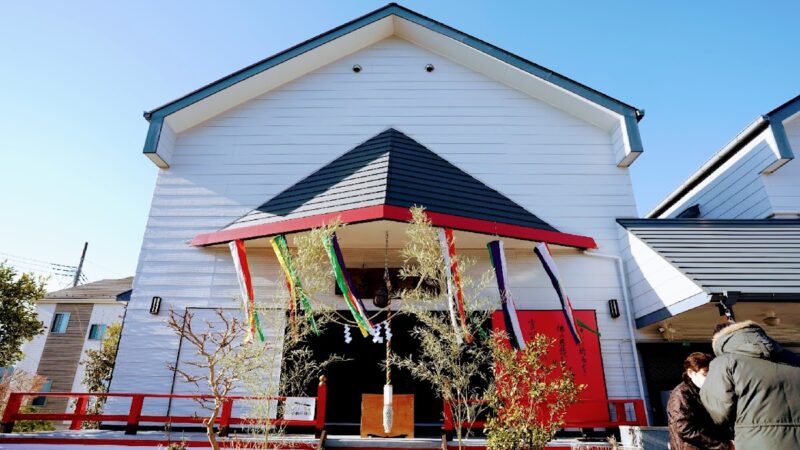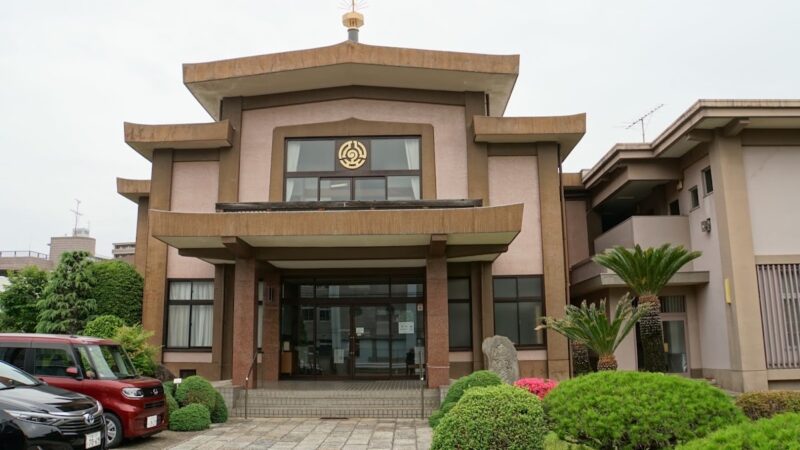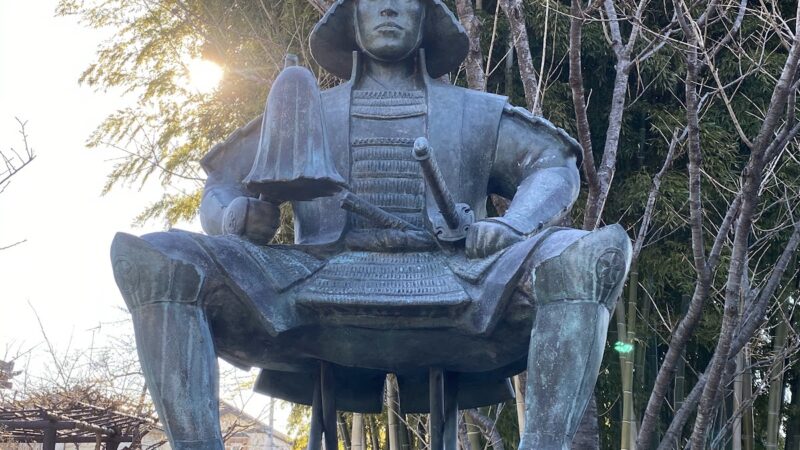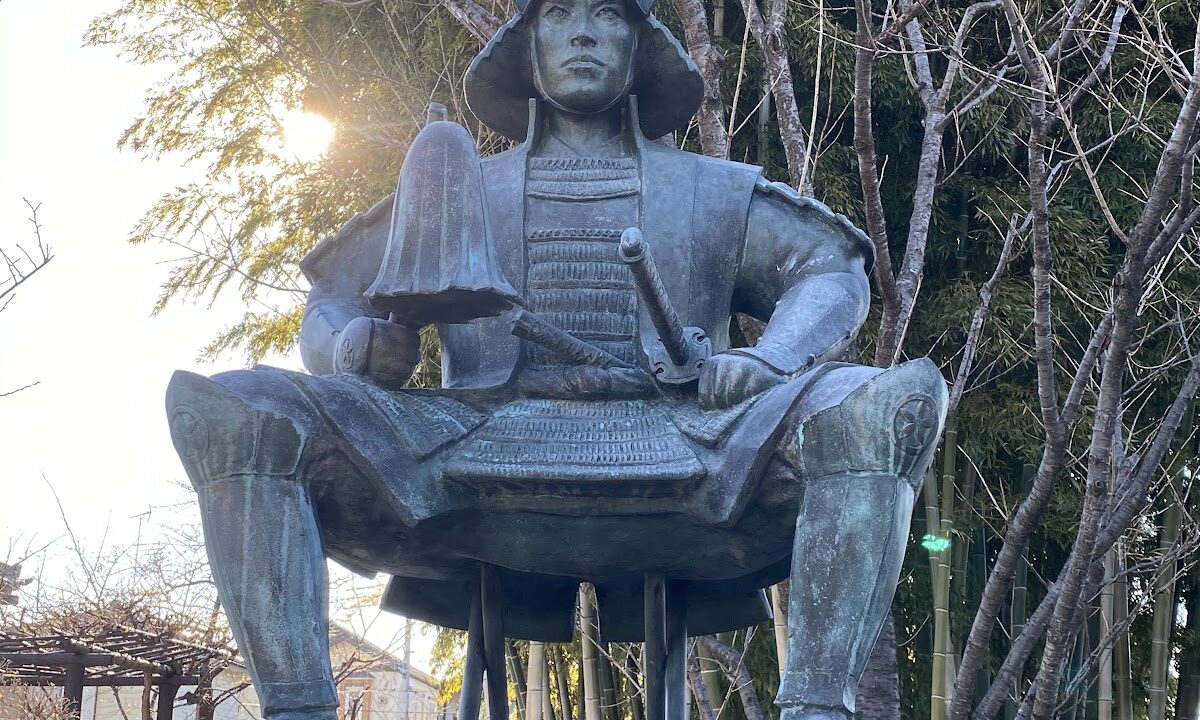
Horinji Temple (Iwatsuki Ward, Saitama City, Saitama Prefecture) Complete Guide | History, Access, and Highlights
Located in Honcho, Iwatsuki Ward, Saitama City, Saitama Prefecture, Horinji Temple is an ancient temple of the Soto Zen sect with a history of over 400 years. Known as a place associated with Ota Dokan, it is one of the important temples indispensable to understanding the history of Iwatsuki. This article comprehensively introduces all the information you need to know before visiting Horinji Temple, including its detailed history, highlights, access methods, and information on Goshuin (temple stamps).
Basic Information on Horinji Temple
Horinji Temple’s mountain name is “Taiheizan,” and it enshrines a statue of Shakyamuni Buddha as its principal image. As a Soto Zen temple, it is positioned as a branch temple of Dounji Temple in Fujieda City, Shizuoka Prefecture, which is the head temple.
Location: 1-7-10 Honcho, Iwatsuki-ku, Saitama City, Saitama Prefecture
Postal Code: 339-0057
Phone Number: 048-757-7670
Sect: Soto Zen
Mountain Name: Taiheizan
Principal Image: Shakyamuni Buddha
Founder: Kakuo Bunto
History of Horinji Temple
Founding and the Higashimatsuyama Period
There are various theories regarding the founding date of Horinji Temple, but it is said that the founder was Kakuo Bunto. Kakuo Bunto is believed to have passed away in July of Bunroku 4 (1595), and it is thought that the foundation of Horinji Temple was laid during this period.
Initially, Horinji Temple is said to have been located in Higashimatsuyama City, not in the current Iwatsuki-ku, Saitama City. During this period, it was known as “Taiheizan Jizo-ji” and functioned as a center of local faith. While detailed records of the temple’s initial state in Higashimatsuyama are lacking, it is presumed to have been a popular temple for ordinary people, centered on Jizo worship.
Relocation to Iwatsuki and its Relationship with the Ota Clan
The most important turning point in the history of Horin-ji Temple was its relocation to its current location by Ota Sukemasa, the lord of Iwatsuki Castle. Ota Sukemasa was a samurai warrior of the Sengoku period and a great-grandson of Ota Dokan.
The background to Ota Sukemasa’s relocation of Horin-ji Temple from Higashimatsuyama to Iwatsuki included the development of the Iwatsuki castle town and religious policies. In castle towns during the Sengoku period, temples served not only as defensive strongholds but were also considered important as spiritual pillars for the local people. As part of his efforts to develop the castle town of Iwatsuki, Sukemasa sought to strengthen the cultural and religious foundation of the town by inviting influential temples.
After the relocation, the temple’s name was changed from “Jizo-ji” to “Horin-ji.” This name change is thought to have symbolized a fresh start in a new location. The mountain name, “Taihei-zan,” is believed to have been retained to reflect the original place name and a wish for peace.
Development after the Edo Period
During the Edo period, Horin-ji flourished under the patronage of the Iwatsuki domain. As a Soto Zen temple, it attracted followers primarily from the local community and became a central figure in Iwatsuki’s Buddhist culture.
Notably, the tomb of Ota Dokan was established at Horin-ji. Ota Dokan was a samurai of the late Muromachi period and a renowned general known for constructing Edo Castle. Although Dokan was assassinated in 1486 through a plot by his lord, Uesugi Sadamasa, it is believed that a tomb for Dokan was erected at Horinji Temple because his descendant, Ota Sukemasa, became the lord of Iwatsuki Castle.
The existence of this tomb has increased the historical value of Horinji Temple as a temple associated with Ota Dokan, making it a place visited by many history enthusiasts and researchers.
Meiji Restoration and Modernization
The wave of anti-Buddhist movement following the Meiji Restoration had a significant impact on temples throughout Japan, but Horinji Temple overcame this difficult period through its strong ties with the local community. While based on the danka system (parishioner system), it continued to function as a place of worship for local residents.
During the Showa era, the townscape of Iwatsuki changed with the progress of urbanization, but Horinji Temple was preserved as a historical building and remains so to this day. Improvements to the temple grounds have also been made, creating an environment that is easily accessible to visitors.
Horinji Temple in the Modern Era
Currently, Horinji Temple has two aspects: that of a cultural property of Saitama City and that of an active religious facility. While fulfilling its role as a local temple for parishioners, it is also a popular historical tourist spot.
In Iwatsuki Ward, known as the “town of dolls,” Horinji Temple is an important historical and cultural heritage site that supports the region’s identity. Various memorial services and events are held throughout the year, and it plays a central role in the local community.
Highlights of Horinji Temple
The Tomb of Ota Dokan
Many visitors to Horinji Temple come to see the tomb of Ota Dokan. Located in a corner of the temple grounds, this tomb holds special significance for history buffs as a place to remember the famous general who built Edo Castle.
The tomb stands in a quiet atmosphere, and an information board detailing Dokan’s achievements is also installed. Many visitors come to this valuable historical site, where they can feel the footsteps of a warrior who survived the turbulent Sengoku period.
Main Hall and Shakyamuni Buddha Statue
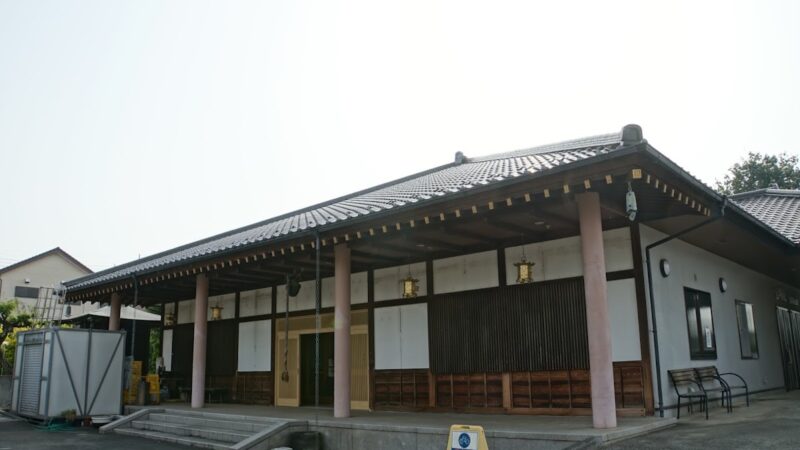
The main hall of Horinji Temple houses the principal image, a statue of Shakyamuni Buddha. The main hall, with its solemn atmosphere characteristic of a Soto Zen temple, offers visitors tranquility and peace.
The architectural style of the main hall exhibits the characteristics of traditional Soto Zen temples, conveying the beauty of wooden architecture to this day. The majestic atmosphere inside leaves a deep impression on visitors.
Atmosphere of the Temple Grounds
Despite its location within walking distance of Iwatsuki Station, Horinji Temple maintains a quiet and peaceful atmosphere. Within the spacious grounds, in addition to the main hall, other temple buildings such as the priest’s quarters and bell tower are arranged, forming a traditional temple landscape.
Trees are planted on the grounds, allowing visitors to enjoy the changing seasons. The beautiful scenery, especially during the fresh greenery of spring and the vibrant autumn foliage, welcomes visitors.
Stone Monuments and Sculptures that Tell the Story of History
The temple grounds are dotted with various stone monuments and sculptures that tell the story of its long history. Many of these were erected from the Edo period to the Meiji period, and they are valuable historical materials that convey the state of faith at the time and the history of the temple.
Information on Goshuin (Temple Seals) and Other Items
About Goshuin
Horinji Temple offers Goshuin to visitors. Goshuin are popular among many visitors as proof of their visit to the temple.
The Goshuin features the calligraphy of “Taiheizan Horinji” and the temple’s seal, giving it a dignified appearance befitting a Soto Zen temple. Those wishing to receive a Goshuin can request it at the temple office after visiting the main hall.
Goshuin (temple stamp) Reception Hours: During regular visiting hours (please inquire with the temple for details)
Offering Fee: A typical amount (approximately 300-500 yen)
Even if you do not have a goshuincho (stamp book), you may be able to receive a pre-printed goshuin, so we recommend checking in advance.
Items Offered
In addition to goshuin, Horinji Temple also offers items such as amulets and talismans. These are available not only to temple parishioners but also to general visitors. For details, please inquire at the temple office during your visit.
Access
Access by Train
Public transportation is the most convenient way to access Horinji Temple.
Nearest Station: Iwatsuki Station, Tobu Noda Line (Tobu Urban Park Line)
Distance from Station: Approximately 200m (4-5 minutes on foot)
Iwatsuki Station is on the Tobu Noda Line, located approximately 15 minutes from Omiya Station and 10 minutes from Kasukabe Station. It is very close to the station and easily accessible on foot.
Directions from Iwatsuki Station:
- Exit the east exit of Iwatsuki Station
- Walk straight down the street in front of the station
- Head towards Iwatsuki Honmachi
- You will arrive at Horinji Temple in approximately 5 minutes.
The path from the station to the temple is flat, and there are signs, so even first-time visitors can arrive without getting lost.
Access by Car
If you are visiting by private car, the following route is convenient.
Access from Major Roads:
- Approximately 10 minutes from the Tohoku Expressway “Iwatsuki IC”
- From National Route 16, head towards Iwatsuki city center.
Parking: Please inquire with the temple in advance regarding the availability and number of parking spaces. There are also paid parking lots around Iwatsuki Station.
Nearby Tourist Attractions
When visiting Horinji Temple, we recommend also visiting other tourist attractions in Iwatsuki.
Iwatsuki Castle Ruins Park: A park developed on the site of Iwatsuki Castle, also known as a cherry blossom viewing spot. It is within walking distance of Horinji Temple.
Iwatsuki Doll Museum: A museum where you can learn about the history and culture of doll making, a traditional industry of Iwatsuki.
Toki no Kane (Time Bell): A historical building beloved as a symbol of Iwatsuki.
An “Iwatsuki Walking Map” including these spots is available at tourist information centers, allowing you to plan an efficient sightseeing route.
Notes and Manners for Visiting the Temple
Manners for Visiting the Temple
Horinji Temple is an active religious facility and a place of worship for its parishioners. Please observe the following manners when visiting the temple:
- Be quiet on the temple grounds and refrain from loud conversations.
- Take photographs only in designated areas (photography may be prohibited inside the main hall, etc.).
- Do not touch or climb on buildings or stone structures.
- Always take your trash with you.
- Smoking is strictly prohibited except in designated areas.
Regarding Clothing
There are no specific dress code regulations, but considering that it is a religious facility, it is advisable to avoid overly revealing clothing. Also, when walking around the temple grounds, we recommend wearing comfortable shoes.
Visiting Hours
Horinji Temple is generally open for visits during daylight hours, similar to most temples. However, visits may be restricted during religious services or other events, so we recommend checking in advance.
If you wish to receive a Goshuin (temple stamp), it is especially advisable to check the temple office’s operating hours in advance.
Historical Connections between Horinji Temple and Iwatsuki
Formation of Iwatsuki Castle Town and Temples
Iwatsuki, where Horinji Temple is located, developed as a castle town of Iwatsuki Castle from the Sengoku period to the Edo period. In the formation of the castle town, temples played an important role not only defensively but also as centers of culture and education.
Since its relocation by Ota Sukemasa, Horinji Temple has been deeply rooted in the local community as one of the main temples in Iwatsuki Castle town. In the town planning of the castle town, temples were often grouped together as “temple towns,” and it is thought that several temples existed around Horinji Temple.
The Ota Clan and Iwatsuki
The Ota clan, descendants of Ota Dokan, ruled this area for a long time as lords of Iwatsuki Castle. The establishment of Dokan’s tomb at Horinji Temple demonstrates the Ota clan’s respect for their roots and their ancestors.
The existence of this tomb elevates Horinji Temple beyond a mere local temple to an important historical site that conveys the history of the Ota clan. Even today, it remains a reason why researchers of Ota Dokan and history enthusiasts from across Japan visit the temple.
Iwatsuki, the Town of Dolls, and Temple Culture
From the Edo period onward, Iwatsuki developed as a town of doll making. Taking advantage of its location along the Edo highway, Iwatsuki dolls grew as an industry, meeting the demands of Edo.
Temples were not unrelated to the development of this local industry. The demand for Buddhist altars and implements, as well as the craftsmanship necessary for doll making, meant that temple culture and traditional crafts mutually influenced and developed together.
Horinji Temple remains to this day as a witness to this historical and cultural development of Iwatsuki.
Horinji Temple as a Soto Zen Temple
Soto Zen Teachings and Practices
Horinji Temple belongs to the Soto Zen sect, a branch of Zen Buddhism founded by Zen Master Dogen during the Kamakura period. It is known as a sect that emphasizes “Shikantaza,” that is, single-minded devotion to seated meditation.
In Soto Zen temples, the idea that daily life itself is a form of spiritual practice is highly valued. Religious activities at Horinji Temple are also based on these Soto Zen teachings.
Relationship with the Head Temple
Horinji Temple is positioned as a branch temple of Dounji Temple, the head temple located in Fujieda City, Shizuoka Prefecture. Soto Zen temples have a hierarchical structure, with Eiheiji Temple in Fukui Prefecture and Sojiji Temple in Kanagawa Prefecture as the grand head temples, followed by branch temples below them.
This head-branch relationship maintains the unity of the sect while providing a foundation for each regional temple to cultivate its own unique history and culture.
Annual Events
Soto Zen temples hold various religious services and events throughout the year. It is believed that Horinji Temple also regularly holds services for its parishioners and local residents.
The main annual events include the following (please contact the temple for details):
- Shushōe (New Year’s service): A religious service held in the new year
- Spring and Autumn Equinox services
- Hanamatsuri (Buddha’s Birthday): April 8th
- Obon (Buddha’s Festival) service
- Kaisanki (Founder’s Memorial Service): A memorial service commemorating the temple’s founder, Kakuōbun, and others.
These events are important opportunities for religious practice for parishioners and also serve as a place to deepen the bonds of the local community.
Significance of Visiting Horinji Temple
As a Place for Historical Learning
Horinji Temple is a valuable place for learning about the history of Iwatsuki from the Sengoku period to the Edo period. It offers multifaceted historical learning opportunities, including its relationship with Ōta Dōkan, the formation of the Iwatsuki castle town, and the spread of the Soto Zen sect. For those particularly interested in Ota Dokan, this is an important spot to trace the footsteps of the renowned general who built Edo Castle. Visiting the actual burial site of a figure learned about in history textbooks will make history feel more tangible.
As a Place of Spiritual Healing
Spending time in the quiet temple grounds, away from the hustle and bustle of modern society, is a healing experience for the soul. The tranquil atmosphere of Horinji Temple offers an opportunity to release daily stress and reflect on oneself.
The Soto Zen teaching of valuing “the here and now” is a meaningful message for modern people. By quietly walking through the temple grounds and offering prayers in the main hall, you can find inner peace.
As a Place for Understanding Local Culture
Visiting Horinji Temple is an entry point to understanding the culture of the Iwatsuki region. Iwatsuki is known as a town of dolls, but behind this lies a long history and rich culture.
Temples are centers of local culture, and Horinji Temple embodies the history and culture of Iwatsuki. Understanding how local people have preserved their faith and passed down their culture allows for a deeper understanding of the region.
Summary
Located in Iwatsuki Ward, Saitama City, Saitama Prefecture, Horinji Temple is an ancient Soto Zen temple with a history of over 400 years. Relocated from Higashimatsuyama by Ota Sukemasa, it is a historically significant temple housing the tomb of Ota Dokan and is beloved by many.
Despite its convenient location just a 5-minute walk from Iwatsuki Station, Horinji Temple maintains a quiet and peaceful atmosphere, making it valuable as both a place for historical learning and a place of spiritual healing. It warmly welcomes visitors seeking Goshuin (temple stamps), history buffs tracing the footsteps of Ota Dokan, and tourists wanting to experience Iwatsuki’s culture.
If you have the opportunity to visit Iwatsuki, please do visit Horinji Temple. Spending quiet time in its grounds, steeped in long history, will surely lead to new discoveries and insights. Taiheizan Horinji Temple will undoubtedly continue to play an important role in Iwatsuki, serving as a bridge connecting the past and the present.