Enma-dera Temple (Saitama Prefecture) Complete Guide: A Thorough Explanation of History, Goshuin (Temple Seal), and Access Information
What is Enma-dera Temple?: The Center of Enma Worship in Saitama Prefecture
Enma-dera Temple is a general term for temples in Saitama Prefecture that enshrine Enma Daio (King Yama). Enma Daio is known in Buddhism as the king of the underworld, judging people’s actions in the afterlife. Several temples related to Enma worship exist within Saitama Prefecture, each attracting the faith of local people.
Enma worship is a unique religious culture that fuses Japanese folk beliefs and Buddhism, and it became widely popular among ordinary people, especially after the Edo period. The saying, “If you lie, King Yama will pull out your tongue,” is a lesson many Japanese people likely heard in their childhood.
Major Enma Temples in Saitama Prefecture
Enma Temple (Zenkoji Temple) in Kawaguchi City
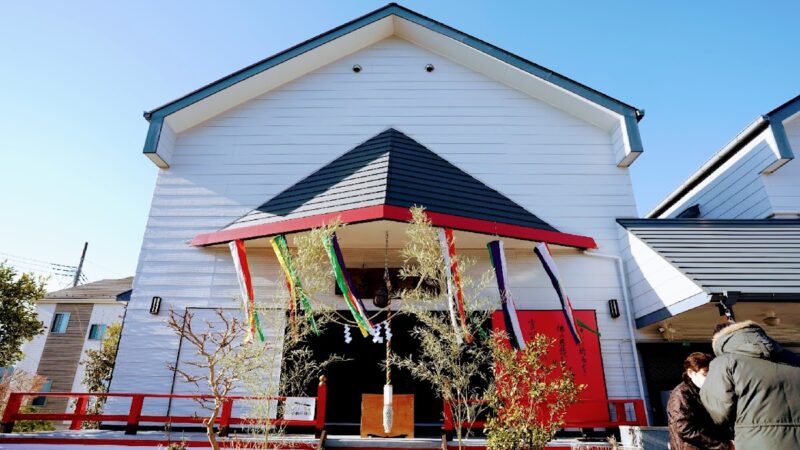
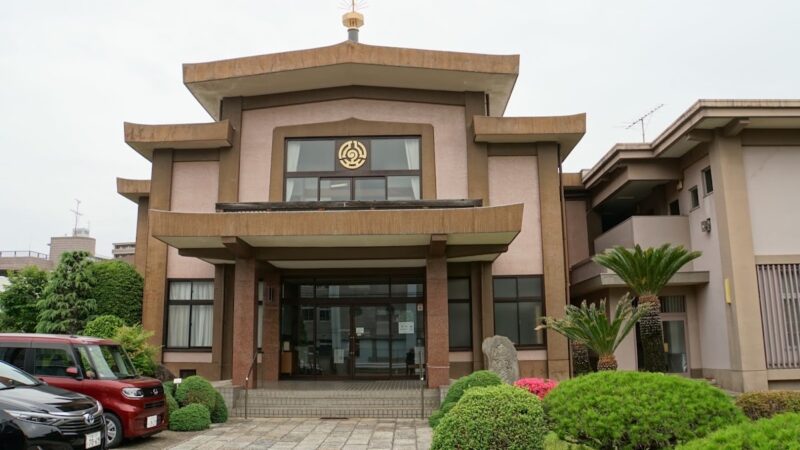
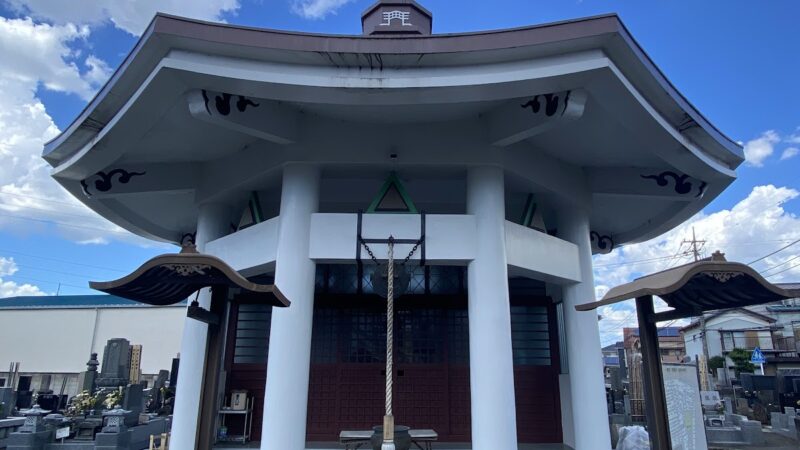
Kawaguchi City is home to Zenkoji Temple, known as a temple dedicated to Enma Daio (King Yama). This temple is affectionately known as “Enma-dera” by locals and boasts a history dating back to the Edo period. A magnificent statue of Enma Daio is enshrined in the main hall, attracting many worshippers.
Enma Faith in and around Saitama City
Saitama City and its surrounding areas also have numerous temples and Jizo halls dedicated to Enma Daio. These temples have long served as spiritual pillars for local communities, attracting the faith of many.
History and Origin of Enma Temples
Origin of Enma Faith
Enma faith is believed to originate from “Yama,” a figure appearing in the ancient Indian Vedic mythology. This deity was introduced to Japan via China and developed uniquely in conjunction with the Buddhist concept of hell. In Japan, the worship of Enma (the King of Hell) spread among the aristocracy during the Heian period and became widespread among the common people from the Kamakura period onward. Especially during the Edo period, it functioned as an important means of popular education, alongside “Hell Scrolls” and “Ten Kings of Hell” beliefs.
Development of Enma Worship in Saitama Prefecture
Saitama Prefecture, adjacent to Edo (Tokyo), was a bustling area during the Edo period, with many major roads passing through it. Enma halls and temples dedicated to Enma were built at these important transportation points, serving as places to pray for the safety of travelers and the repose of the dead.
Characteristics and Highlights of the Enma Daio Statue
The Appearance of Enma Daio
The Enma Daio statue typically has the following characteristics:
- Angry Expression: A terrifying face with raised eyebrows and wide-open eyes
- Red Face: Often painted red to symbolize anger
- Crown and Attire: A crown and lavish attire in the style of Chinese officials
- Scepter: A flat, plate-like instrument held in the hand
- Attendants: Accompanied by assistants such as the Chief Priest and Record Keeper
Layout of the Enma Hall
In many Enma temples, the statue of Enma Daio is surrounded by statues of the “Ten Kings,” judges of the underworld. The Ten Kings preside over the ten judgment halls through which souls pass after death, corresponding to each memorial service from the seventh day after death to the third anniversary.
Goshuin Information
Characteristics of Enma-ji Temple’s Goshuin
The goshuin given at Enma-ji Temple has the following characteristics:
- Ink Writing: Characters such as “Enma Daio” and “Juo”
- Red Seal: The temple’s seal or a seal symbolizing Enma Daio
- Special Days: Limited edition goshuin may be given on festival days or special memorial service days.
Etiquette When Receiving a Goshuin
Goshuin are not merely stamps, but are given as proof of worship. Please observe the following etiquette:
- First, complete your prayers at the main hall.
- Prepare your goshuincho (stamp book) (stamps may also be given on plain paper).
- Prepare the offering fee (usually 300-500 yen).
- Request using polite language.
- Wait quietly while your goshuin is being written.
Annual Events and Temple Festivals
Temple Festival of Enma Daio
The temple festival of Enma Daio is generally held on the 16th of every month. Especially January 16th and July 16th are major festival days, attracting many visitors.
Main Annual Events
- First three days of the New Year: New Year’s visits to the temple
- January 16th: First Enma Festival (New Year’s grand festival)
- Obon (August): Time for ancestor worship
- July 16th: Enma Festival Day (believed to be the day the gates of hell open)
Special memorial services are held on these days, and the Enma statue, usually kept private, may be unveiled.
Access Information
Example of Access to Enma-ji Temple in Kawaguchi City
Access by Train:
- Approximately 15 minutes on foot from JR Keihin-Tohoku Line “Kawaguchi Station”
- Or by local bus
Access by Car:
- Approximately 10 minutes from Shuto Expressway Kawaguchi Line “Kawaguchi PA”
- It is recommended to check the availability of parking in advance.
Points to Note When Visiting
- Opening hours vary depending on the temple (generally 9:00 to 17:00)
- It is also necessary to check the reception hours for Goshuin (temple stamps)
- Visiting may be prohibited during religious services
- Please check in advance whether photography is permitted.
Cultural Significance of Enma-ji Temple
Role as a Folk Belief
Enma-ji Temple is not merely a religious facility, but has also functioned as a place for moral education in the local community. The teaching that “If you do bad things, you will be judged by Enma-sama” was an important means of teaching children to distinguish between good and evil.
Formation of Views on Life and Death
The belief in Enma (the King of Hell) has had a significant influence on the formation of Japanese views on life and death. By concretely imagining the afterlife, people recognized the importance of their actions in life and developed a philosophy of striving for a better way of living.
Nearby Tourist Attractions
Attractions around Kawaguchi
- Kawaguchi Shrine: A shrine beloved as the guardian deity of the region.
- Kawaguchi City Green Center: A vast botanical garden.
- SKIP City: Cultural facilities including a video museum.
Enjoying Activities Alongside Your Visit
Visiting Enma-ji Temple will be a more fulfilling experience if you use it as an opportunity to learn about the history and culture of Saitama Prefecture. Visiting nearby temples and shrines (“temple and shrine pilgrimage”) is also popular.
Benefits of Visiting Enma-ji Temple
Expected Benefits
- Fulfillment of Wishes: Learning the importance of living honestly
- Family Safety: Health and safety for family members
- Protection from Misfortune: Protection from disasters
- Healthy Growth of Children: Cultivating moral values
- Ancestral Remembrance: Praying for the repose of the deceased
Guidelines for Visiting
Enma Daio (King Yama) is considered a being who “sees through lies.” When visiting, it is important to reflect on your own actions and vow to live honestly.
Preservation and Future of Enma-ji Temple
Value as a Cultural Asset
Among the statues of King Yama enshrined at Enma-ji Temples in Saitama Prefecture are valuable cultural assets passed down from the Edo period. Efforts continue to preserve and pass on these as important historical materials that tell the story of the region.
Significance in the Modern Age
Even in modern society, Enma-ji Temple continues to hold significance as a place for contemplating morality and ethics. Especially in this age of increasing digitalization, the spiritual value of such traditional places of worship is being re-evaluated.
Summary: A Recommendation to Visit Enma-ji Temple
Enma-ji Temple in Saitama Prefecture is a precious place where traditional Japanese folk beliefs and Buddhist culture are fused. The fearsome statue of King Enma simultaneously teaches people the importance of honesty and good deeds.
By visiting this historic temple, we, living in the modern age, can gain an opportunity to re-examine our own way of life. When you visit Saitama Prefecture, be sure to visit Enma-ji Temple and experience its unique worldview and the weight of its history.
Whether you are a collector of temple stamps, interested in Japanese folk beliefs, or simply want to see a rare Buddhist statue, Enma-ji Temple caters to a variety of interests. Through your visit, you can surely touch upon a part of Japan’s rich spiritual culture.