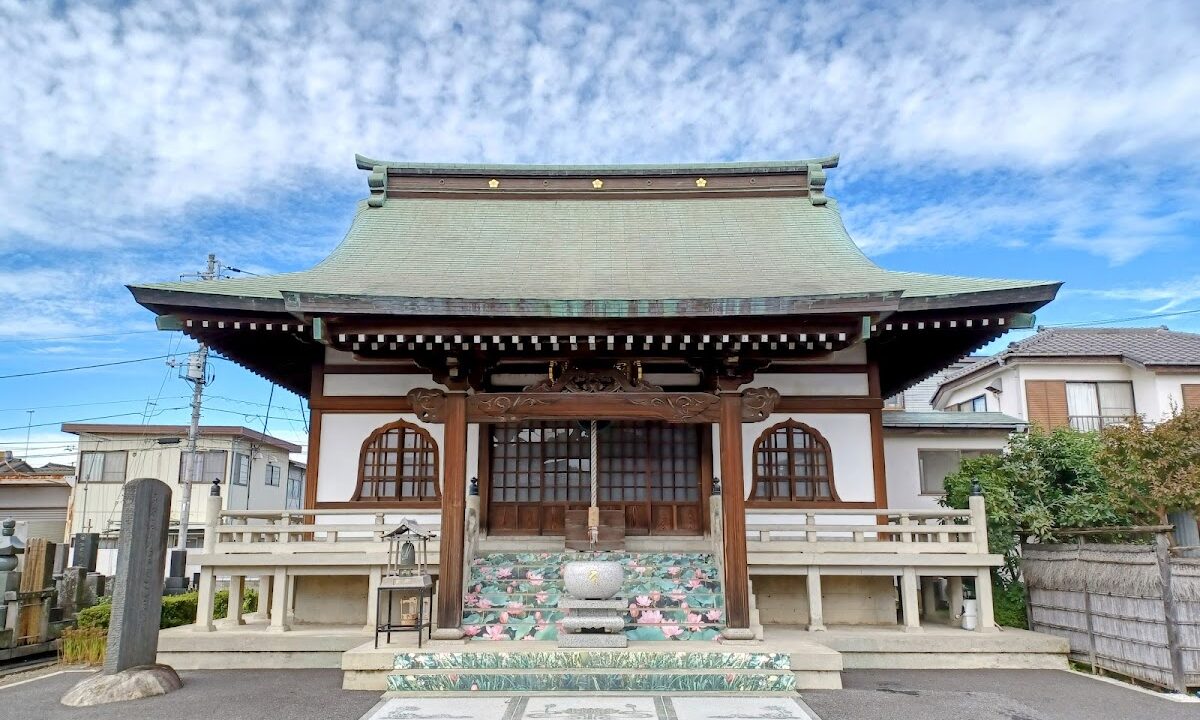
Fuzenji Temple (Asaka City, Saitama Prefecture) Complete Guide | History, Goshuin (Temple Seal), and Access Information
Fuzenji Temple, located in Tajima, Asaka City, Saitama Prefecture, is a historic temple belonging to the Chizan branch of the Shingon sect. Its official name is “Tajimayama Eigenin Fuzenji,” and it is known as an ancient temple cherished by the local people. This article provides a detailed explanation of Fuzenji Temple’s history, highlights within the temple grounds, goshuin information, and access methods.
History and Origins of Fuzenji Temple
Founding History
Several records exist regarding the founding of Fuzenji Temple. Generally, it is believed to have been founded in Genna 3 (1617), with Tominaga Zen’emon Morisada (Fuzenji Eiyo Teigen), the local administrator of Tajima Village, serving as the founder. The temple’s name, “Tomizen,” is said to have been derived from the first character of the founder, Tominaga Zen’emon’s name.
Possibility of an Older Origin
However, an ancient monument dating back to Oan 2 (1369) still exists on the temple grounds. This fact suggests that the history of Tomizen-ji Temple is even older, and it is presumed that some kind of religious facility existed there at least by the late 14th century. This ancient monument is a valuable medieval stone structure within Saitama Prefecture and holds significant historical value for research purposes.
Positioning as a Shingon-shu Chizan-ha Temple
Tomizen-ji Temple, as a temple of the Shingon-shu Chizan-ha sect, has transmitted the teachings of Esoteric Buddhism. The Shingon-shu Chizan-ha sect considers Kobo Daishi Kukai as its founder and is centered around Chishaku-in Temple (Kyoto), the head temple of the Chizan-ha sect. Many Shingon-shu Chizan-ha temples exist in Saitama Prefecture, and Tomizen-ji Temple is one of them, supporting the local Buddhist culture.
Highlights and Cultural Assets of the Temple Grounds
Main Hall and Lotus-Patterned Stone Staircase
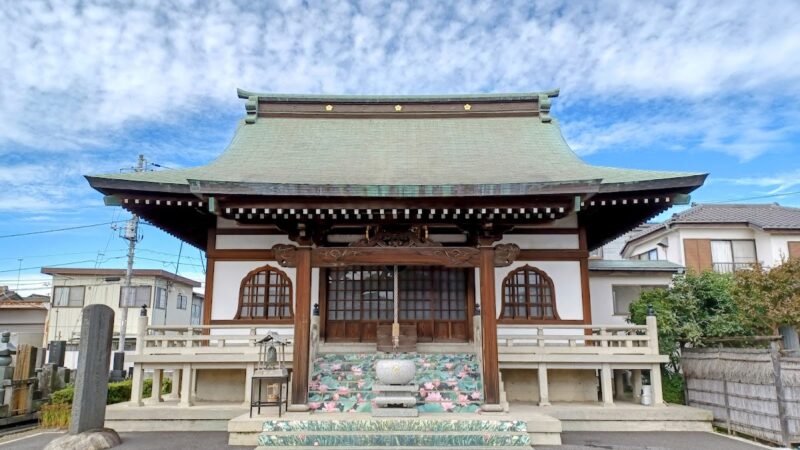
The most striking feature of the grounds of Tomizenji Temple is the lotus-patterned stone staircase leading to the main hall. This staircase is designed in the shape of a lotus flower, symbolizing the Pure Land in Buddhism, and is meant to guide worshippers to a pure world. It is a precious space where one can experience a sense of peace and tranquility as they ascend the steps.
Principal Image: Standing Statue of Enmei Jizo Bodhisattva
The principal image of Tomizenji Temple is a wooden standing statue of Enmei Jizo Bodhisattva. Jizo Bodhisattva is worshipped as a bodhisattva who saves all sentient beings in the six realms, and is especially widely revered as the guardian deity of children. Enmei Jizo is also an object of worship for those wishing for longevity and good health, and many worshippers visit the temple.
Ancient Monument from the 2nd Year of Ōan
As mentioned above, an ancient monument bearing the inscription of 1369 (Ōan 2nd year) is preserved on the temple grounds. This stone structure is one of the oldest cultural assets in Asaka City and is a valuable resource for understanding the beliefs and stonemasonry techniques of the time. It is a noteworthy item for history enthusiasts and researchers.
Atmosphere of the Temple Grounds
Despite being located in an urban area, the grounds of Tomizenji Temple maintain a tranquil atmosphere. The well-maintained gardens and trees display different expressions throughout the seasons, providing peace to visitors. Especially during the cherry blossom season in spring and the autumn foliage season, visitors can enjoy beautiful scenery.
Information on Goshuin (Temple Seals)
About the Issuance of Goshuin
Tomizenji Temple offers Goshuin (temple seals). Goshuin are popular among many visitors as proof of worship and as a way to forge a connection with the temple. Those wishing to receive a Goshuin (temple stamp) should speak to the temple office after completing their prayers at the main hall.
About Goshuincho (Stamp Books)
We recommend bringing your Goshuincho when receiving a Goshuin. Even if you do not have a Goshuincho, you may be able to receive a pre-printed Goshuin; we recommend checking in advance.
Visiting Etiquette
A Goshuin is not a stamp rally; it is proof of your visit. Always offer your prayers at the main hall and pray sincerely before receiving your Goshuin. A donation is required for receiving a Goshuin (generally around 300 yen).
Annual Events and Memorial Services
Main Annual Events
At Tomizenji Temple, as a Shingon Buddhist temple, various annual events are held. Many parishioners participate in seasonal memorial services such as Hatsumode (first shrine visit of the year), Setsubun (bean-throwing festival), and the Obon (Buddhist festival) Segaki (feeding of hungry ghosts) memorial service. These events also serve as opportunities to deepen the bonds of the local community. ### Jizo Bon Festival
As the principal image is Jizo Bodhisattva, a special memorial service is held during the Jizo Bon Festival (August). Many local families visit as this event prays for the healthy growth of children.
Access and Basic Information
Location
1-6-11 Tajima, Asaka City, Saitama Prefecture 351-0032
Phone Number
048-456-0053
Access from the Nearest Station
Access to Tomizenji Temple is very convenient.
Access by Train
- Approximately 8 minutes on foot from JR Musashino Line “Kita-Asaka Station”
- Approximately 8 minutes on foot from Tobu Tojo Line “Asakadai Station”
Kita-Asaka Station and Asakadai Station are adjacent, and access is possible from either station. The path from the station to the temple is flat, and there are well-maintained signs.
Access by Car
If you are coming by car, you can access the temple from National Route 254 (Kawagoe Kaido).
Parking
There is parking space for visitors on the temple grounds, but the number of spaces is limited, so we recommend using public transportation whenever possible. Please note that congestion is expected, especially during events.
Visiting Hours
It is generally recommended to enter the temple grounds during daylight hours. If you wish to receive a Goshuin (temple stamp) or prayers, we recommend calling ahead to confirm.
Nearby Attractions
Shrines and Temples in Asaka City
There are many other historical shrines and temples scattered around Tomizenji Temple. Those visiting temples and shrines in Asaka City may want to visit these as well.
Asaka no Mori (Asaka Forest)
Asaka City maintains a lush green environment while being easily accessible from central Tokyo. After visiting Tomizenji Temple, we recommend taking a walk through the surrounding parks and walking paths.
Local Cultural Facilities
Nearby are facilities where you can learn about local history and culture, such as the Asaka City Museum and Library. Visiting these facilities would be beneficial for a deeper understanding of the history of Tomizenji Temple.
Points and Manners for Visiting
Etiquette for Visiting
The basic etiquette for visiting a Shingon Buddhist temple is as follows:
- Bow at the temple gate before entering the grounds.
- Cleanse your hands and mouth at the water basin.
- Join your hands in prayer in front of the main hall and offer your donation.
- Ring the temple bell (gakuchi) if available.
- Join your hands in prayer and pray sincerely.
- Bow and leave.
Regarding Photography
Photography is generally permitted on the temple grounds, but there may be restrictions on photographing the interior of the main hall or Buddha statues. It is recommended to check before taking photos or to take them discreetly. Also, please be considerate of other visitors.
Attire
While there are no specific dress code requirements, modest attire that reflects the sacred nature of the place is desirable. Especially when attending a memorial service, please choose clothing in subdued colors.
The Charm of Tomizenji Temple
The Weight of History
With a long history potentially dating back to the 14th century, Tomizenji Temple embodies the very history of Asaka City. An ancient monument from the second year of the Oan era (1379) testifies to the long history of this area as a place of worship.
Harmony of City and Nature
Despite its proximity to central Tokyo, the temple grounds maintain a quiet and peaceful atmosphere. It is a place to escape the hustle and bustle of the city and find peace of mind, cherished not only by locals but also by visitors from afar.
Center of the Community
Tomizenji Temple is not merely a tourist spot; it has functioned as the center of faith and life for the local people. Through annual events and memorial services, it serves as a place for intergenerational exchange, deepening the bonds of the local community.
Unique Features: Lotus-Patterned Stone Staircase
The lotus-patterned stone staircase leading to the main hall is a distinctive feature of Tomizenji Temple. Incorporating the lotus flower, a symbol of Buddhism, the staircase offers visitors both visual beauty and spiritual meaning.
Points to Note When Visiting Tomizenji Temple
Advance Confirmation Recommended
If you wish to receive a temple stamp (Goshuin), prayers, or participate in special events, it is recommended to confirm by phone in advance. There may be times when the temple is unable to accommodate requests, so this is especially important for visitors from afar.
Seasonal Differences in Attractions
Tomizenji Temple displays different expressions throughout the four seasons. The fresh greenery of spring, the deep green of summer, the autumn foliage, and the tranquility of winter each have their own unique charm. Visiting multiple times will allow you to discover the temple’s diverse appeal.
Consideration for Neighbors
Tomizenji Temple is located in a residential area, so consideration for nearby residents is necessary when visiting. Please refrain from loud conversations and nighttime visits, and offer your prayers quietly.
Summary
Fuzenji Temple in Asaka City, Saitama Prefecture, is an ancient temple of the Shingon Chizan sect, said to have been founded in 1617 (Genna 3). An ancient monument on the temple grounds dating back to 1369 (Oan 2) suggests the possibility of an even older history. Its official name is Tajimayama Eigenin Fuzenji, and its principal image is a wooden standing statue of Enmei Jizo Bodhisattva.
With its impressive lotus-patterned stone steps in the main hall, historical monuments, and tranquil atmosphere, this temple offers many points of interest. Its convenient location, approximately an 8-minute walk from Kita-Asaka Station on the JR Musashino Line or Asakadai Station on the Tobu Tojo Line, makes it easily accessible from central Tokyo.
The temple also offers Goshuin (temple stamps), making it a recommended temple not only for history enthusiasts but also for those collecting Goshuin. As a place of worship deeply rooted in the community, and as a place to find peace of mind away from the hustle and bustle of the city, it is cherished by many.
When you visit Asaka City, be sure to stop by Tomizenji Temple and experience its history and tranquil atmosphere. This temple, which has attracted the faith of local people for over 400 years, continues to offer timeless value even today.