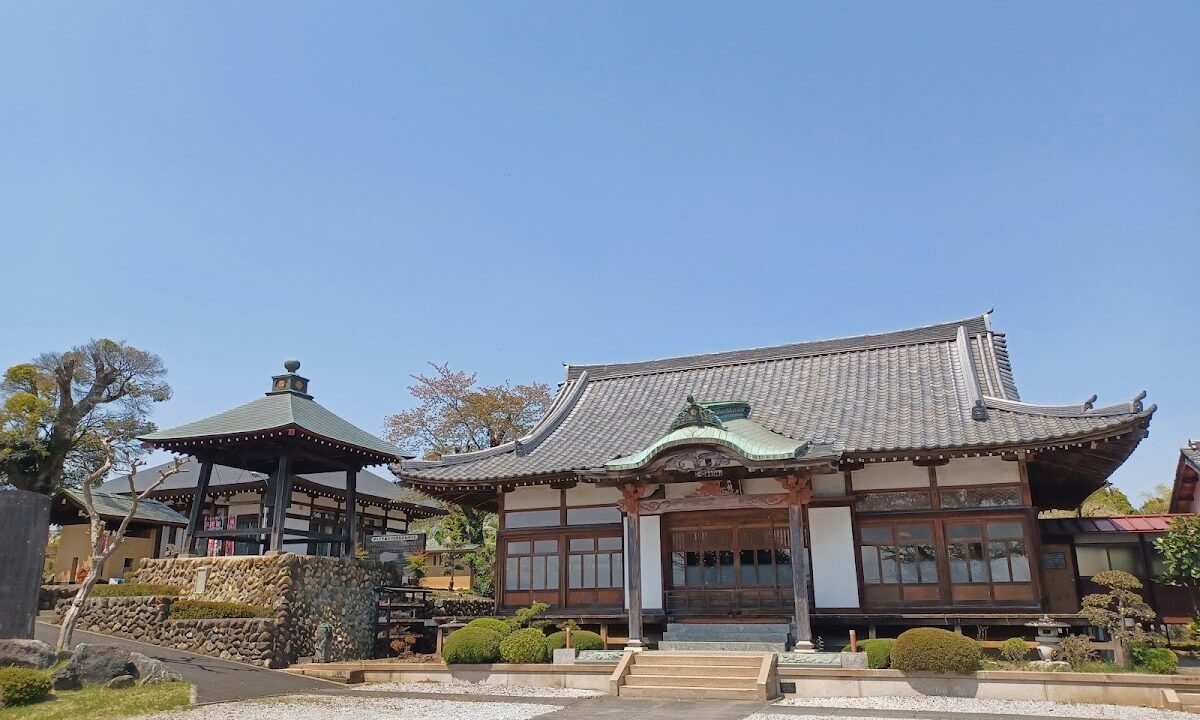
Ryūenji Temple (Iruma City, Saitama Prefecture) Complete Guide | History, Access, and Tree Burial: A Thorough Explanation
Ryūenji Temple, located in Iruma City, Saitama Prefecture, is a historic Shingon Buddhist temple said to have been founded during the Kennin era (1201-1204). Its official name is “Ryūgakuzan Kankiin Ryūenji,” and it is a venerable temple with Kūkai Bodhisattva as its principal deity, attracting the faith of the local community. This article provides a detailed and comprehensive introduction to Ryūenji Temple, including its history, highlights within the temple grounds, access methods, and the increasingly popular tree burial.
History and Origins of Ryūenji Temple
Founding during the Kennin Era and Jakuren Hōshi
The founding of Ryūenji Temple dates back to the Kennin era (1201-1204). It is said that the temple’s origins lie in the fact that Jakuren Hoshi (Fujiwara no Sadanao), a renowned poet and founder of Rengein Temple, enshrined a statue of Senju Kannon (Thousand-Armed Kannon) in this location during a pilgrimage through Musashi Province. Jakuren Hoshi was a cultural figure who was active from the late Heian period to the early Kamakura period, and many of his poems are included in the Shin Kokin Wakashū (New Collection of Ancient and Modern Japanese Poetry).
Restoration by Shun’yo Wajō
Approximately 500 years after its founding, in the Edo period, Shun’yo Wajō, who passed away in Hōei 6 (1709), is said to have restored Ryūenji Temple. During this period, the temple’s structure was established, and the foundation of the current temple layout was laid.
Official Document from Tokugawa Iemitsu
A noteworthy event in Ryūenji Temple’s history is the receipt of an official document granting 15 koku of temple land from Tokugawa Iemitsu in Keian 2 (1649). This is an important document showing that the Edo Shogunate officially recognized the temple’s land holdings, indicating that Ryūenji Temple was recognized as an important religious facility in the region even at that time.
Basic Information on Ryūenji Temple (Ryūgakuzan Kankiin)
Sect and Mountain/Temple Name
- Sect: Shingon Buddhism
- Mountain Name: Ryūgakuzan
- Temple Name: Kankiin
- Temple Name: Ryūenji
- Principal Image: Kokuzō Bosatsu (Akasagarbha Bodhisattva)
Location and Contact Information
- Location: 717, Shinkyu, Iruma City, Saitama Prefecture
- Jurisdiction: Western Japan, centered around Iruma City
Kokuzō Bosatsu is worshipped as a bodhisattva who bestows wisdom and good fortune, and is especially believed to bring benefits such as improved memory, academic success, and business prosperity.
Highlights and Layout of the Temple Grounds
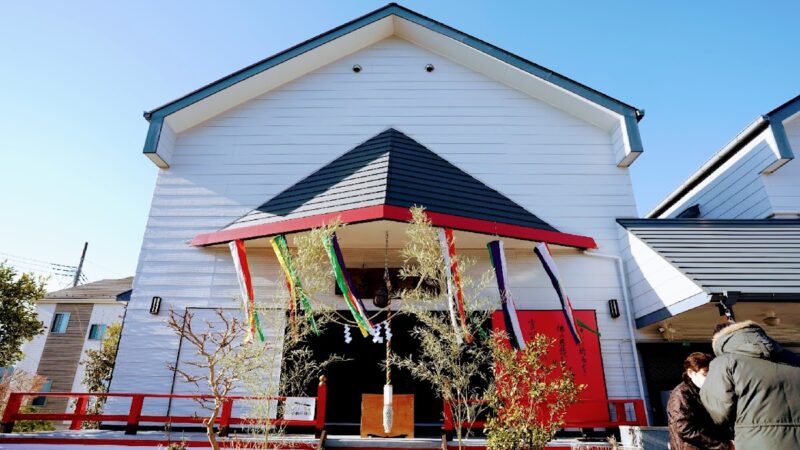
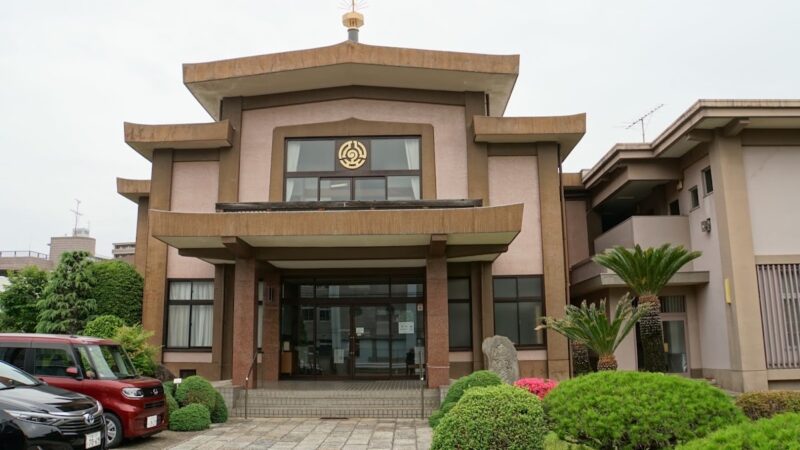
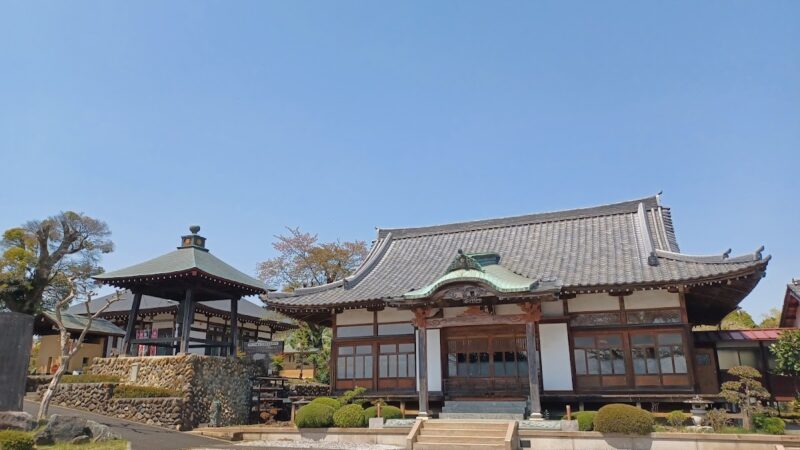
Ryūenji Temple’s grounds feature a traditional temple architectural layout with multiple halls arranged around the main hall.
Main Hall
Located at the front of the grounds, the main hall houses the principal image, Kūkai Bodhisattva. Visitors can offer prayers here, expressing their daily gratitude and making wishes. The architectural style of the main hall strongly reflects the characteristics of Shingon Buddhist temples, creating a solemn atmosphere.
Kannon Hall
To the left of the main hall stands the Kannon Hall. It is believed that this hall houses the statue of the Thousand-Armed Kannon, which is the origin of Ryūenji Temple’s founding. The Thousand-Armed Kannon is a symbol of compassion, representing the salvation of all sentient beings with its thousand arms, and this is an important hall visited by many worshippers.
Priest’s Quarters (Kuri)
To the right of the main hall is the priest’s quarters (kuri). The Kuri (temple kitchen/living quarters) is the living space within the temple, where the head priest and his family conduct their daily lives. It also serves as the temple office, handling various consultations and applications for memorial services.
Bell Tower
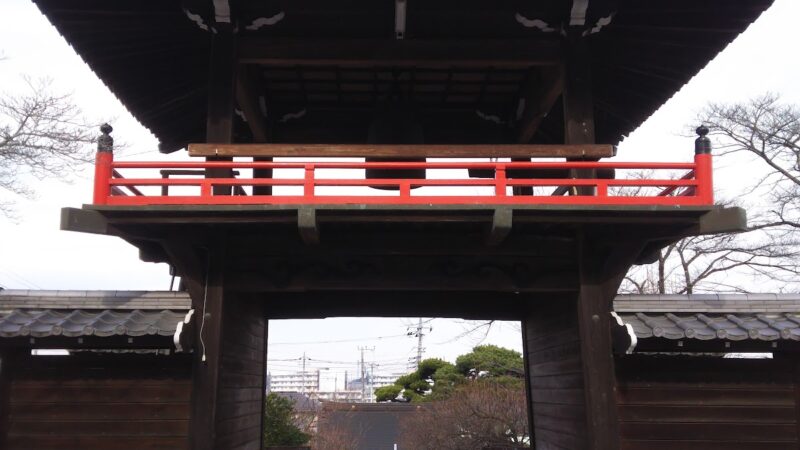
A bell tower is also located on the temple grounds and is used for events such as the ringing of the New Year’s Eve bell. The sound of the temple bell plays an important role in dispelling worldly desires and restoring a pure heart.
Daishi Hall
To the left of the Kannon Hall is the Daishi Hall, where Kobo Daishi (Kukai), the founder of the Shingon sect, is enshrined. In Shingon temples, the Daishi Hall is one of the central places of worship and is deeply connected to the beliefs associated with the Shikoku 88 Temple Pilgrimage.
Jizo Bodhisattvas (Sun-Cutting and Child-Rearing)
To the left of the Kannon Hall is a separate hall enshrining the Jizo Bodhisattva (Sun-Cutting Jizo) and the Jizo Bodhisattva (Child-Rearing Jizo). The Jizo statue known for granting wishes with a set deadline, and the Jizo statue for child-rearing, attracting the faith of parents praying for the healthy growth of their children, are both familiar objects of worship for local residents.
About Ryuenji Temple’s Tree Burial
In recent years, Ryuenji Temple has been offering tree burials to meet modern needs. Tree burials are attracting attention as a new form of memorial service due to their emphasis on returning to nature and the fact that they do not require successors.
What is a Tree Burial?
A tree burial is a burial method in which a tree is used as a grave marker instead of a tombstone. Fulfilling the desire to rest in nature, this burial site offers the following features compared to traditional graves:
- No successor required: Eliminates the burden of grave maintenance on descendants.
- Cost-effective: Often lower initial costs compared to traditional graves.
- Nature-oriented: Based on the concept of returning to nature.
- Open to all religions and denominations: In most cases, available regardless of religion.
Features of Ryuenji Temple’s Tree Burial
Ryuenji Temple’s tree burial offers a peaceful environment within the grounds of a historic temple, allowing for memorial services surrounded by nature. It’s a new style of burial site that blends traditional Shingon Buddhist memorial services with the modern form of tree burial.
Price Information for Tree Burial
The cost of a tree burial varies depending on the type of plot, the number of people buried, and the memorial service period. Generally, the following factors influence the price:
- Individual or communal burial plot
- Number of people who can be buried (1 person, 2 people, family, etc.)
- Whether or not there is an annual maintenance fee
- Memorial service period (13th anniversary, 33rd anniversary, etc.)
For specific pricing, we recommend contacting Ryuenji Temple directly. Visits are also possible, so it’s important to actually visit the site and get a feel for the atmosphere.
Comparison with traditional graves
In addition to tree burials, Ryuenji Temple also offers traditional graves. Traditional graves are burial plots that are passed down through generations, and it is possible to erect a tombstone and engrave the family name. Traditional graves are suitable for the following people:
- Those who want a family grave passed down through generations
- Those who desire memorial services with traditional tombstones
- Those who have a guaranteed successor
Both tree burials and traditional graves have their own advantages, so it is important to choose according to your family’s situation and wishes.
How to Access Ryuenji Temple
Ryuenji Temple, located in Iruma City, Saitama Prefecture, can be accessed by train, bus, or car.
For those coming by train or bus
Using the Seibu Ikebukuro Line
- Get off at Irumashi Station on the Seibu Ikebukuro Line
- Approximately 20 minutes on foot from the station
- If using the bus: Take a bus bound for Kawabe or Nakagami
- Get off at the “Peare Iruma Entrance” bus stop and walk for approximately 10 minutes
Irumashi Station is one of the main stations on the Seibu Ikebukuro Line, and can be reached from Ikebukuro in about 40 minutes using the limited express or express train. There are also many commercial facilities around the station, allowing you to make effective use of your time before and after your visit.
For those arriving by car
Using the Ken-O Expressway
- Approximately 10 minutes by car from the Ken-O Expressway “Iruma IC”
- Accessible via National Route 16, etc.
Ryuenji Temple has a parking lot for visitors, making it convenient to access by car. However, it may be crowded during memorial services and events, so we recommend visiting with plenty of time to spare.
Access time from major surrounding cities
- From central Tokyo: Approximately 1 hour to 1 hour 30 minutes
- From Tokorozawa: Approximately 30 minutes
- From Kawagoe: Approximately 30 minutes
- From Hannō: Approximately 20 minutes
Annual events and memorial services at Ryuenji Temple
Ryuenji Temple, a Shingon Buddhist temple, holds various Buddhist events and memorial services throughout the year.
Main Annual Events
- First three days of the New Year: First shrine visit of the year, New Year’s prayers
- Spring and Autumn Equinoxes: Equinox memorial services
- Obon: Urabon-e (Buddhist festival)
- New Year’s Eve: Ringing of the temple bell
These events also serve as opportunities for interaction with local residents, and many worshippers visit at these seasonal turning points.
Individual Memorial Services and Ceremonies
Ryūenji Temple also accepts individual memorial services and ceremonies such as:
- Funeral and memorial service
- Annual memorial services (First anniversary, third anniversary, seventh anniversary, etc.)
- Ancestral memorial service
- Memorial service for stillborn babies
- Pet memorial service (Services may vary depending on the temple)
For inquiries and consultations regarding memorial services, please contact the temple office in advance.
The History of Iruma City and the Role of Ryūenji Temple
Overview of Iruma City
Iruma City is located in the southwestern part of Saitama Prefecture, approximately 40 km from central Tokyo. Known nationwide as a production area for Sayama tea, it has developed into a livable city where rich nature and urban functions are in harmony.
The Role of Ryūenji Temple in the Region
Ryūenji Temple is located in the Shinkyu district of Iruma City and has a history of over 800 years, serving as a spiritual center for the region. Affectionately known as “Shinkyu’s Tenno-sama,” it has played a vital role as a central figure in the faith and culture of the local residents.
The history of receiving a shuinjo (official seal) from Tokugawa Iemitsu demonstrates the importance of Ryūenji Temple in this region, and speaks to its continued existence as a temple deeply connected to the local community from the Edo period to the present day.
Points and Guidelines for Visiting Ryūenji Temple
Etiquette for Visiting
Here are the basic etiquette guidelines for visiting Ryūenji Temple, a Shingon Buddhist temple:
- Bow at the Temple Gate: Bow before entering the temple grounds.
- Purify at the Water Basin: Cleanse your hands and mouth.
- Worship at the Main Hall: Bow and clasp your hands together before the principal image, Kūkai Bodhisattva.
- Worship at Each Hall: Visit the Kannon Hall, Daishi Hall, etc., in order.
- Pray to Jizo Bodhisattva: Offer your prayers to the Jizo Bodhisattva of Child-Rearing
Regarding Attire
For a normal visit, no special attire is required, but please note the following:
- Avoid overly flashy clothing.
- If attending a memorial service, formal attire such as semi-formal wear is desirable.
- Avoid clothing that exposes a lot of skin, even in summer.
Regarding Offerings and Donations
Offerings during visits and donations during memorial services should follow the temple’s customs and local traditions. If you have any questions, it is recommended to consult the temple office in advance.
Tourist Attractions Around Ryuenji Temple
Here are some tourist attractions around Iruma City that you might want to visit in conjunction with your visit to Ryuenji Temple.
Main Tourist Attractions in Iruma City
- Mitsui Outlet Park Iruma: One of the largest outlet malls in Japan
- Sayama Tea Plantation: Beautiful tea plantation scenery
- Iruma City Museum ALIT: A facility where you can learn about the history and culture of the region
- Sainomori Iruma Park: A vast natural park where you can enjoy a stroll
Nearby Temples and Shrines
- Takakura-ji Temple: Another historical temple in Iruma City
- Atago Shrine: A shrine worshipped as the guardian deity of the region
Visiting these spots before or after your visit will allow you to gain a deeper understanding of the charm of Iruma City.
Frequently Asked Questions about Ryuenji Temple
Visiting Hours
While the grounds of Ryuenji Temple are generally open for free visits during the day, the hours for services at the temple office may be limited. If you have specific matters to discuss, such as applying for a memorial service or inquiring about tree burial, it is recommended to contact the temple in advance before visiting.
Parking
Parking is available for visitors, but it may become crowded during large memorial services or events. Especially during the equinox and Obon periods, please allow ample time for your visit or consider using public transportation.
Viewing Tree Burial Sites
Tree burial plots can be viewed. It is important to actually see the site and confirm the atmosphere and environment. If you wish to view the plots, please contact the temple in advance to receive a more detailed explanation.
Religious Affiliation
Ryuenji Temple is a Shingon Buddhist temple, but it may accept tree burials regardless of religious affiliation. Please contact the temple directly for details.
Summary: The Charm and Future of Ryūenji Temple
Ryūenji Temple, located in Iruma City, Saitama Prefecture, is a Shingon Buddhist temple with a history of over 800 years since its founding during the Kennin era. With a rich historical background including its founding by Jakuren Hōshi, restoration by Shunyo Wajō, and the receipt of a shuinjō (official seal) from Tokugawa Iemitsu, the temple grounds, featuring a variety of buildings including the main hall, Kannon hall, Daishi hall, and the Jizo statues for protection and child-rearing, offer visitors a place of peace and faith.
In recent years, in addition to traditional temple management, the temple has also undertaken new initiatives to meet modern needs, such as offering tree burials. By offering both traditional graves and tree burials, it proposes a form of memorial service that accommodates diverse values and lifestyles.
Located at 717 Shinkyu, Iruma City, Saitama Prefecture, Ryuenji Temple is easily accessible: approximately 20 minutes on foot from Irumashi Station on the Seibu Ikebukuro Line, or approximately 10 minutes on foot from the “Pearle Iruma Entrance” bus stop, or about 10 minutes by car from the Iruma Interchange on the Ken-O Expressway.
While preserving its history and traditions, Ryuenji Temple also meets the needs of modern society, making it an important option not only for local residents but also for visitors from Saitama Prefecture and beyond, as well as those seeking a final resting place. Why not visit Ryuenji Temple to seek the wisdom and blessings of Kokuzo Bodhisattva, or for ancestral veneration and future peace of mind?
For detailed information, the latest event schedule, and pricing for tree burials, we recommend contacting Ryuenji Temple directly. Visiting the temple and experiencing its atmosphere firsthand will allow you to more deeply appreciate the charm of this historic temple.