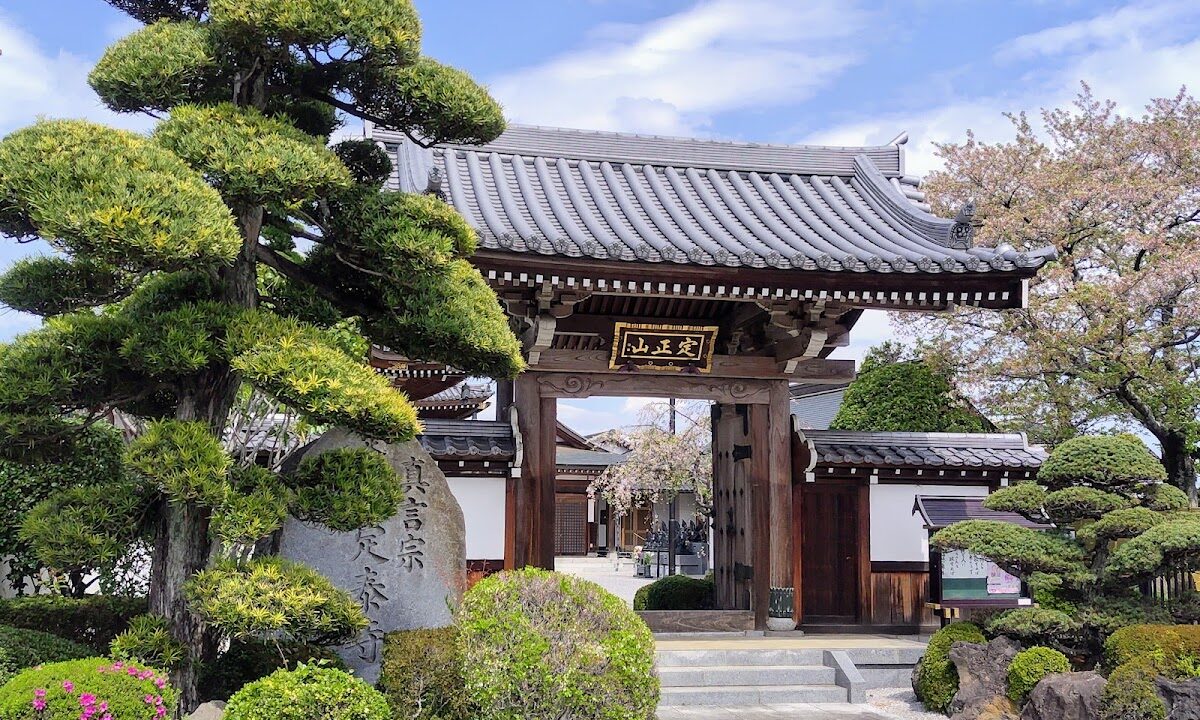
Complete Guide to Jōtaiji Temple (Kazo City, Saitama Prefecture) | A Thorough Explanation of Perpetual Memorial Services, Memorial Services for Stillborn Children, History, and Access
Located in Minami-Ōkusawa, Kazo City, Saitama Prefecture, Jōtaiji Temple is a historic temple belonging to the Chizan branch of the Shingon sect. It is known as an open temple, attracting many visitors not only from its parishioners but also from a wide area of Tokyo and Saitama seeking perpetual memorial services and memorial services for stillborn children. This article provides a detailed explanation of everything you need to know before visiting Jōtaiji Temple, including its history, memorial services, costs, points of interest within the temple grounds, and access methods.
Basic Information and Overview of Jōtaiji Temple
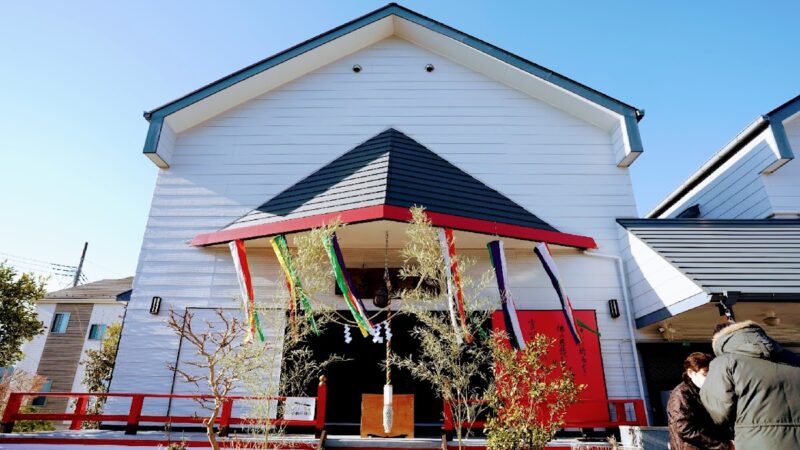
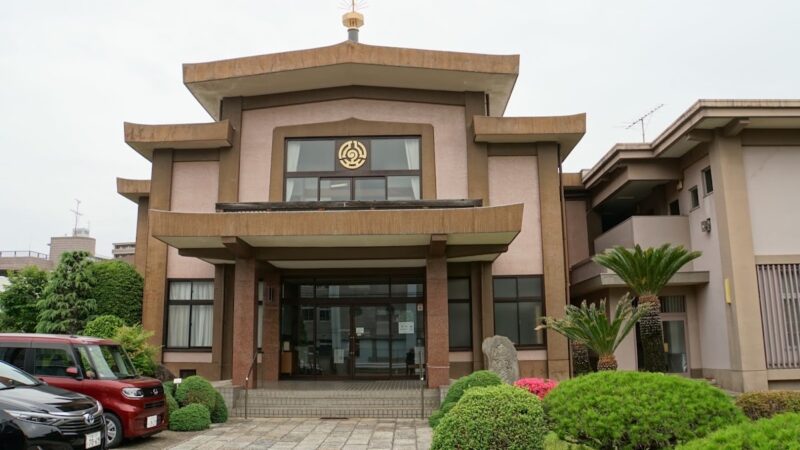
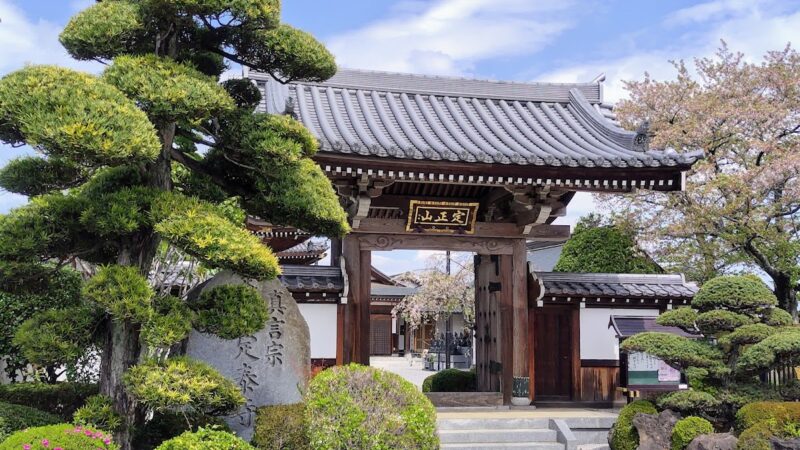
Jōtaiji Temple is formally known as “Jōshōzan Jōkōin Jōtaiji” and enshrines Amida Buddha as its principal image. The current principal image is said to have been created in 1681 (Tenna 1) during the Edo period by the master sculptor Hōkō Sōji, making it a valuable Buddhist statue with a history of over 340 years.
Temple Name: Jōshōzan Jōkōin Jōtaiji
Sect: Shingon-shu Chizan-ha
Principal Image: Amida Buddha
Location: 3225 Minami-Ōkuwa, Kazo City, Saitama Prefecture
Phone Number: 0480-65-4552 / 4511
The greatest characteristic of Jōtaiji Temple is its open approach, where anyone, not just parishioners, can easily seek advice. They accept consultations on various Buddhist matters, including perpetual memorial services, memorial services for stillborn babies, various Buddhist ceremonies, prayers, wakes, and funerals. They also provide guidance to priests of various sects and locations for memorial services.
History and Cultural Assets of Jōtaiji Temple
History Continuing from the Kamakura Period
Jōtaiji Temple has a long history, and valuable cultural assets from the Kamakura period remain on its grounds. Of particular note is the stone monument from Kenchō 5 (1253 AD). This year falls within the mid-Kamakura period, when Hōjō Tokiyori served as regent, making it over 770 years old.
This stone monument is the oldest stupa in Kazo City and is considered a rare and valuable cultural asset in Saitama Prefecture. It features a canopy above the seed syllable, which was written in gold powder, making it a unique and valuable historical artifact.
Principal Image from the Edo Period
As mentioned above, the current principal image, an Amida Buddha statue, was created in Tenna 1 (1681). As a valuable Buddhist statue that conveys the characteristics of Buddhist sculpture from the early to mid-Edo period, it attracts many visitors. The principal image enshrined in the main hall has been carefully preserved as the center of faith at Jōtai-ji Temple.
Teitaiji Temple’s Perpetual Memorial Service
Features of Perpetual Memorial Graves
Teitaiji Temple offers perpetual memorial graves that meet modern needs. Perpetual memorial services are a system where the temple takes responsibility for performing memorial services in perpetuity, making it a suitable method for those without successors or those who do not want to burden their descendants.
Main Features of Teitaiji Temple’s Perpetual Memorial Graves:
- Available even without becoming a temple parishioner: An open system available to anyone, not just parishioners.
- All denominations welcome: Accepts people of denominations other than Shingon Buddhism.
- Individual and joint memorial services: Allows you to choose the memorial service format that suits your needs.
- Pre-need application available: A secure system that allows you to apply yourself during your lifetime.
- Plans with no management fees available: Reduce future burdens with a lump-sum payment.
About the Cost of Perpetual Memorial Services
The cost of perpetual memorial graves varies depending on the type of memorial service and the method of interment. Generally, the following fee structure applies:
- Communal Perpetual Memorial Service: Relatively reasonable pricing
- Individual Interment: After a certain period of individual interment, the remains are interred communally
- Perpetual Individual Interment: The remains are interred individually in perpetuity
Specific costs vary depending on the type of memorial service and the desired duration, so it is recommended to inquire directly with the temple. Teitaiji Temple has a system in place to allow for easy consultation regarding budget and wishes, and will propose a memorial service method that is within your means.
Flow of Interment
The general flow for perpetual memorial services at Teitaiji Temple is as follows:
- Consultation and Visit: First, contact us by phone or email to schedule a visit.
- On-site Confirmation: Visit the temple, meet with the head priest, and inspect the cemetery and columbarium.
- Application Procedure: Decide on the type of memorial service and submit the necessary documents.
- Payment of Fees: Pay the fees based on the contract.
- Interment Ceremony: Schedule an interment and memorial service.
- Start of Perpetual Memorial Service: From here on, the temple will continue the memorial service responsibly.
Details of Mizuko Kuyo (Memorial Service for Stillborn Children)
Features of Mizuko Kuyo at Teitaiji Temple
Teitaiji Temple is widely known among those seeking Mizuko Kuyo in the Tokyo and Saitama areas. Mizuko Kuyo is a memorial service for the souls of fetuses who died due to miscarriage, stillbirth, or abortion, and is an important ceremony for parents to find peace of mind.
Features of Mizuko Kuyo (memorial service for aborted or stillborn babies) at Teitai-ji Temple:
- Privacy Consideration: Individual memorial services are available, allowing you to perform the service without worrying about other visitors.
- Respectful Memorial Service: The head priest carefully chants sutras for each child, praying for their peaceful repose.
- Continuous Memorial Service: Annual and regular memorial services are available after the initial service.
- Emotional Care: We support the healing of parents’ hearts through the memorial service.
Flow and Costs of Mizuko Kuyo
Mizuko Kuyo proceeds as follows:
- Prior Consultation: Discuss your desired date and time for the memorial service by phone.
- Visit to the Temple: Visit the temple at the reserved date and time.
- Memorial Service: Chanting of sutras and memorial service in the main hall or a designated memorial area.
- Worship of Jizo: Pray to the Mizuko Jizo statue.
- Consultation on Perpetual Memorial Service: Perpetual memorial services are available upon request.
Regarding costs, they vary depending on the content and frequency of the memorial service, so it is recommended to check with the temple in advance. At Teitai-ji Temple, there is a welcoming atmosphere where you can easily discuss your financial situation, and they will propose memorial services within your means.
Other Memorial and Prayer Services
Various Buddhist Services and Ceremonies
At Teitaiji Temple, in addition to perpetual memorial services and memorial services for stillborn babies, we accept various memorial services and ceremonies:
- Annual Memorial Services: Various annual memorial services such as the first anniversary, third anniversary, and seventh anniversary
- Obon Memorial Services: Ancestor memorial services during the Obon festival
- Higan Memorial Services: Memorial services during the spring and autumn Higan periods
- Monthly Memorial Services: Memorial services on the anniversary of death each month
- Ancestral Memorial Services: Memorial services for successive generations of ancestors
- Pet Memorial Services: We can also discuss memorial services for your beloved pets
Prayers and Supplications
As a Shingon Buddhist temple, we also perform various prayers and supplications:
- Family Safety: Prayers for the health and peace of the family
- Good Health: Prayers for recovery from illness and good health
- Business Prosperity: Prayers for the development of your business
- Traffic Safety: Blessings for cars and motorcycles
- Academic Success: Prayers for passing exams and improving academic performance
- Exorcism: Exorcising evil spirits during unlucky years
- Prayers for Safe Childbirth: Prayers for the safety of mother and child
Support for Funerals and Memorial Services
At Teitaiji Temple, we accept consultations regarding wakes, funerals, and memorial services not only from our parishioners but also from others. We provide introductions to priests of various sects and guidance on funeral halls and memorial service venues, offering comprehensive support for all aspects of Buddhist services.
Even in the case of a sudden funeral, our experienced priests will provide careful assistance and support to ensure that the important ceremony of sending off the deceased is conducted smoothly.
Annual Events
At Teitai-ji Temple, various Buddhist events are held throughout the year:
- Hatsumode: New Year’s visit and prayers
- Setsubun-e: Bean-throwing and exorcism
- Spring Equinox: Spring equinox memorial service
- Hanamatsuri: Celebrating the birth of Buddha
- Obon-e: Ancestor memorial service during Obon
- Autumn Equinox: Autumn equinox memorial service
- Segaki-e: Memorial service for those without relatives
- Joya no Kane: Ringing the temple bell on New Year’s Eve
Many of these annual events are open to people other than temple parishioners, fulfilling the temple’s role as an open community temple.
Temple Grounds Guide
Main Hall
The main hall houses the principal image, Amida Buddha, created in Tenna 1 (1681). This is the central building of Jōtaiji Temple, where various Buddhist ceremonies and memorial services are held in a solemn atmosphere. The interior provides a space where worshippers can quietly offer their prayers, and many find peace of mind upon seeing the compassionate face of the principal image of Buddha.
Cemetery
Jōtaiji Cemetery is known as one of the well-maintained cemeteries in Kazo City. In addition to traditional burial plots, it offers a variety of burial options to meet modern needs, including perpetual memorial graves and tree burials.
Features of the Cemetery:
- Excellent Sunlight: Bright and open environment
- Well-Maintained: Cemetery grounds are always kept clean
- Barrier-Free Access: Designed to be easily accessible for the elderly and those in wheelchairs
- Ample Parking: Convenient for those visiting by car
- Water and Rest Area: Well-equipped facilities necessary for visiting graves
Mizuko Jizo Statue
A Jizo statue for the repose of stillborn babies is enshrined here, and many parents visit to pray for the repose of their children’s souls. It is a quiet and peaceful place where one can offer heartfelt prayers.
Historical and Cultural Assets
In addition to the aforementioned stone monument from Kencho 5 (1253), the grounds are dotted with historical stone structures and cultural assets. These are carefully preserved as valuable legacies that convey the history of Kazo City to the present day.
Information on Teitaiji Temple Facilities
Facilities for Visitors
Teitaiji Temple provides the following facilities to ensure a comfortable visit for visitors:
- Parking: A spacious parking area accommodating multiple standard-sized cars.
- Restrooms: Clean and well-maintained restrooms for visitors.
- Rest Area: A rest area available for use while waiting for services or ceremonies.
- Water Basin: A place to purify oneself before worship.
- Memorial Service Room: A dedicated space for memorial services and ceremonies.
- Columbarium: A facility for housing cremated remains.
Barrier-Free Accessibility
The temple grounds are barrier-free in major areas to ensure that elderly visitors and those with disabilities can visit with peace of mind. However, as it is a historical temple, there are some areas with steps, so it is recommended to consult in advance.
Access Methods
Access by Train
Nearest Station: Hanasaki Station, Tobu Isesaki Line
Travel Time: Approximately 15 minutes on foot from the station (approximately 2 km)
Hanasaki Station is on the Tobu Isesaki Line and is easily accessible from Tokyo. The route from the station to Jōtaiji Temple is relatively flat, making it easily accessible on foot.
Access by Car
Expressway: Approximately 5 minutes from Kazo IC on the Tohoku Expressway
Major Road: Accessible from National Route 125
The temple is very close to Kazo IC and is easily accessible. It is located in a place that is easily accessible by car from a wide area of Tokyo and Saitama. Entering “Jōtaiji Temple” or the address “3225 Minami-Ōkusawa, Kazo City, Saitama Prefecture” into your car navigation system will allow you to arrive smoothly.
Parking Information
A parking lot is available on the temple grounds, accommodating large numbers of visitors during religious services and other occasions. If you plan to visit in a large vehicle, it is advisable to contact the temple in advance.
Booking a Visit/Consultation at Jōtai-ji Temple
How to Book a Visit
Jōtai-ji Temple accepts visits to its perpetual memorial graves, tree burials, and columbarium at any time. Visiting the temple, speaking with the head priest, and experiencing the atmosphere of the grounds will help you determine if you feel comfortable entrusting your loved ones’ memorial services to the temple.
How to Make a Reservation:
- Phone: 0480-65-4552 / 4511
- Reception Hours: Weekdays, Saturdays, Sundays, and Holidays (Please confirm details by phone)
We recommend checking the following during your visit:
- Location and Scenery: Sunlight and atmosphere of the cemetery
- Personality of the Chief Priest: Is he approachable and easy to talk to?
- Maintenance: Is the temple grounds and cemetery kept clean?
- Details of Costs: Details of initial costs, annual maintenance fees, etc.
- Contents of Memorial Services: What specific memorial services will be performed?
- Access: Is it easily accessible?
Preparation for Consultation
To ensure a smooth visit for tours and consultations, please prepare the following:
- Budget estimate
- Desired type of memorial service (individual, communal, etc.)
- Sect (if other sects)
- Planned date of interment
- Notes on Questions
Jōtaiji Temple values a welcoming atmosphere where people can easily seek advice, making it a comfortable place for first-time visitors.
Reviews and Reputation of Jōtaiji Temple
The following are comments from people who have actually used Jōtaiji Temple’s services:
- “The head priest was very attentive and helpful”: I was anxious about my first perpetual memorial service, but the thorough explanation put me at ease.
- “Easy Access”: Located near the Kazo Interchange on the Tohoku Expressway, making it easily accessible from Tokyo.
- “Clean and Peaceful Grounds”: The well-maintained grounds allow for confident entrustment of memorial services.
- “Accepts Non-Parishioners”: The temple’s open and welcoming attitude is commendable.
- “Clear Costs”: The estimate is easy to understand, eliminating worries about additional fees.
On the other hand, as it is a historical temple, there are some steps in some areas, and reservations may be difficult to obtain during peak seasons. It is recommended to contact the temple in advance to schedule a visit.
Comparison with Other Temples and Cemeteries in the Kazo City Area
While there are several temples and cemeteries in Kazo City and the surrounding area, Jōtai-ji Temple stands out in the following ways:
- History and Tradition: An ancient temple with a history dating back to the Kamakura period
- Open Approach: Available to anyone, not just temple members
- Comprehensive Support: Offers a wide range of services, from perpetual memorial services and memorial services for stillborn babies to funerals
- Convenient Access: Close to the highway interchange and within walking distance of the station
- Shingon-shu Chizan-ha: A temple of traditional Shingon Esoteric Buddhism
When comparing with other cemeteries, it is important to actually visit several temples and make a comprehensive judgment not only on cost but also on atmosphere, the personality of the head priest, and the content of memorial services.
Support for Grave Closure and Reburial
Jōtai-ji Temple also accepts consultations regarding “grave closure,” which has been increasing in recent years. For those who can no longer manage their distant graves or who have no successors, we also offer support for removing remains from existing graves and reburying them in the perpetual memorial grave at Teitaiji Temple.
Grave Closure Process:
- Consult with the current grave administrator (temple/cemetery)
- Apply for a reburial permit (city/town/village office)
- Removal of remains
- Acceptance procedures at Teitaiji Temple
- Interment ceremony
- Commencement of perpetual memorial service
Even if the procedures are complex, the head priest of Teitaiji Temple will provide careful advice, so you can consult with us with peace of mind.
Benefits of Pre-arrangement
At Teitaiji Temple, it is also possible to reserve a perpetual memorial grave during your lifetime. Pre-arranging your burial place offers the following advantages:
- Choose your own memorial site: Decide on a place where you feel at ease according to your own wishes.
- Reduces the burden on your family: Your family won’t have to frantically search for a place.
- Pre-determined costs: No worries about future price fluctuations.
- Peace of mind: You can prepare yourself mentally as part of end-of-life planning.
- Regular visits: Become familiar with the cemetery while you are still alive.
For those considering end-of-life planning, deciding on a memorial site in advance brings great peace of mind to both yourself and your family.
Summary: Reasons to choose Jōtaiji Temple
Jōtaiji Temple in Kazo City, Saitama Prefecture, is an open temple that meets modern needs while possessing a history and tradition dating back to the Kamakura period. Its greatest feature is that various memorial services, including perpetual memorial services and memorial services for stillborn babies, are easily accessible to anyone, not just temple members.
Those who should consider Teitaiji Temple:
- Those who have no successor and are considering perpetual memorial services
- Those who wish to perform a peaceful memorial service for a miscarried or stillborn child
- Those looking for a temple easily accessible from Tokyo or Saitama
- Those who wish to have a memorial service performed at a historical temple
- Those who wish to request a memorial service without becoming a parishioner
- Those who want to decide on their memorial service location while they are still alive
At Teitaiji Temple, the head priest will listen attentively to your concerns and propose the most suitable memorial service method tailored to your individual circumstances. We recommend contacting us by phone first and then visiting the temple to experience the atmosphere. Please experience the warmth and sense of security that the temple possesses, which cannot be conveyed through photos or information alone.
A memorial service is the last gift to the deceased and an important act that leads to peace of mind for the bereaved family. At Teitaiji Temple, a historical temple, you can rest assured that you are in a safe environment to entrust the memorial service of your loved one.