Complete Guide to Kōshōji Temple (Kawaguchi City, Saitama Prefecture) | Saba Daishi of the Shingon Chizan School, History, and Access Information
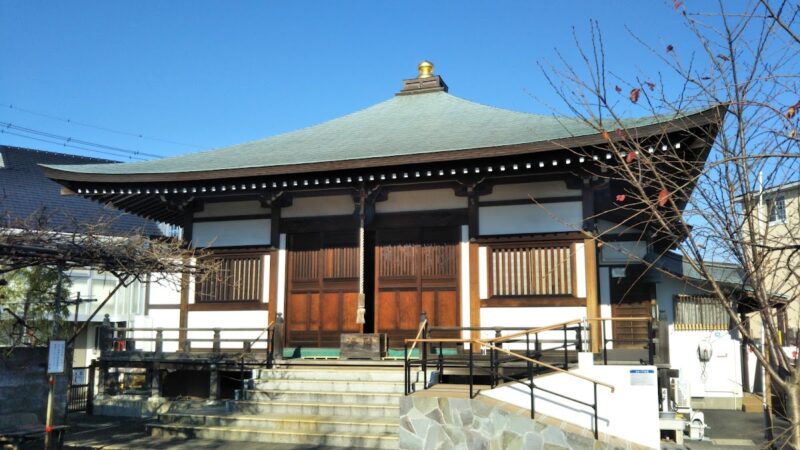
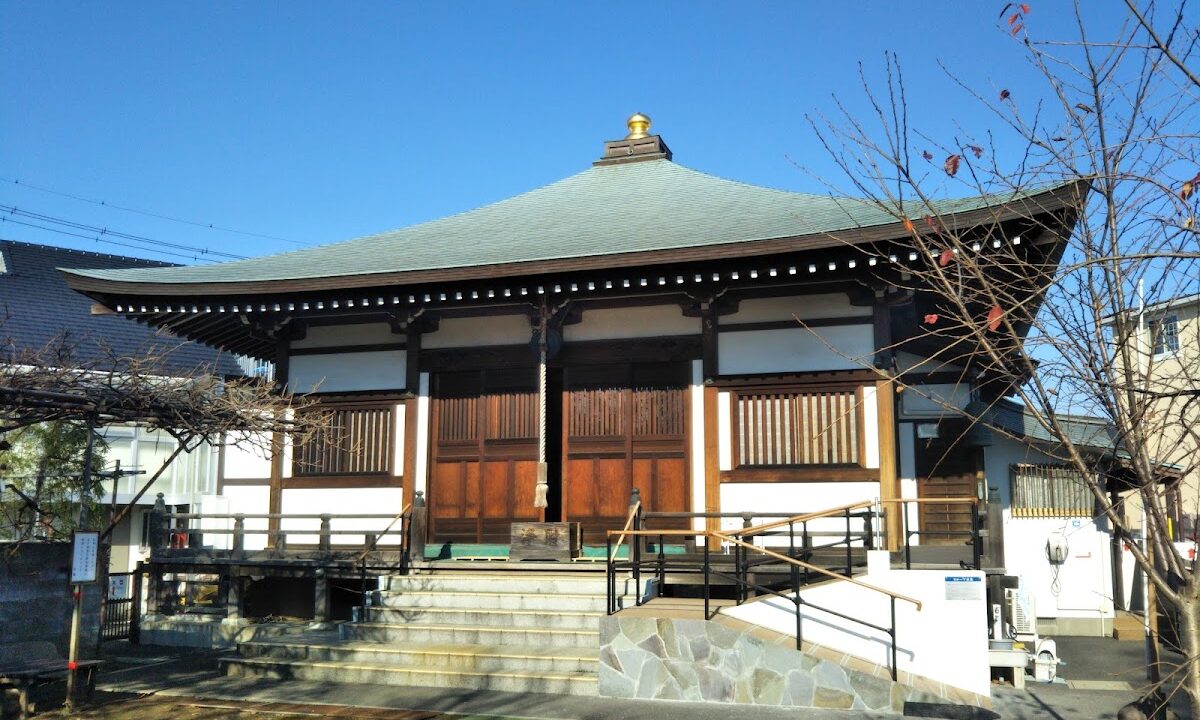
Kōshōji Temple, located in Sasama, Kawaguchi City, Saitama Prefecture, is a historic temple belonging to the Shingon Chizan School. Affectionately known locally as “Saba Daishi,” this temple, whose mountain name is Asama-san Muryō-in, has a history of relocating to its current location due to the Meiji-era separation of Shinto and Buddhism. This article provides a comprehensive explanation of Kōshōji Temple, including its detailed history, basic information, access methods, and its role in modern times.
Basic Information and Location of Kōshōji Temple
Official Name and Sect of the Temple
Kōshōji Temple is a Buddhist temple belonging to the Shingon Chizan School. The Shingon Chizan School is one of the major sects of Shingon Buddhism and is a large religious organization with approximately 3,000 temples nationwide. There are 87 temples in Kawaguchi City, Saitama Prefecture, and Kōshōji Temple is one of them, supporting the local faith.
Official Name: Kōshōji Temple
Mountain Name: Asama-san Muryōin
Sect: Shingon-shu Chizan-ha
Principal Image: Fudo Myoo
Address and Access Details
Location: 2-13-5 Sasama, Kawaguchi City, Saitama Prefecture
Postal Code: 333-0816
Telephone Number: 048-296-0035
Kōshōji Temple is located in the Totsuka district of Kawaguchi City, and is conveniently accessible from the Sasama, Kisorō, Kitaharadai, and Higashi-Kawaguchi areas. It is also relatively close to central Tokyo and functions as an important religious facility in southern Saitama Prefecture.
Transportation Access
Access to Kōshōji Temple is most convenient by car. The temple has a parking lot with a capacity of approximately 30 cars, so you can use it with peace of mind when visiting by car or attending funerals.
Access by Public Transportation:
- The nearest station is Higashi-Kawaguchi Station on the JR Musashino Line.
- It is convenient to use a bus or taxi from the station.
Access by Car:
- Approximately 15 minutes from the Soka Interchange on the Tokyo Outer Ring Expressway.
- Approximately 20 minutes from the Shingo Interchange on the Shuto Expressway Kawaguchi Line.
- Parking available (approximately 30 cars).
History and Origins of Koshōji Temple
About the Temple’s Founding and First Abbot
The details of Koshōji Temple’s founding date, first abbot, and founder are unknown due to the loss or destruction of many records caused by disasters and fires. This is a challenge faced by many ancient temples in Japan, and it is necessary to unravel the history from oral traditions and limited historical materials.
The Separation of Shinto and Buddhism and the Relocation of the Temple
A noteworthy event in the history of Kōshōji Temple is its relocation due to the Separation of Shinto and Buddhism decree in the early Meiji era. Originally, Kōshōji Temple was built on the site of the current Sengensha Shrine. However, when the Meiji government issued the Separation of Shinto and Buddhism decree, it became necessary to clearly separate shrines and temples.
As a result of this policy, Kōshōji Temple was relocated from the grounds of Sengensha Shrine to its current location at 2-13-5 Sasama, Kawaguchi City. This historical background is still reflected in the temple’s mountain name, “Sengen-yama.”
The Origin and Belief of “Saba Daishi”
Kōshōji Temple is affectionately known locally as “Saba Daishi.” There are several theories about the origin of this name, but it is thought to be related to a legend about mackerel associated with Kōbō Daishi (Kūkai). In Shingon Buddhist temples, devotion to Kobo Daishi is strong, and this nickname suggests that the worship of Daishi is deeply rooted in the community at Koshōji Temple.
Principal Deity and Object of Worship
About Fudo Myoo
The principal deity of Koshōji Temple is Fudo Myoo. Fudo Myoo is one of the most important deities in Shingon Esoteric Buddhism and is considered an incarnation of Dainichi Nyorai.
Characteristics of Fudo Myoo:
- Holds a demon-subduing sword in his right hand and a lasso (kensaku) in his left.
- Bears flames on his back and crushes worldly desires with an angry expression.
- Removes all obstacles and protects practitioners.
- Symbolizes an unwavering heart and unshakeable faith.
Many temples of the Shingon Chizan sect have Fudo Myoo as their principal deity, and esoteric Buddhist rituals such as Goma fire rituals are performed. It is believed that Koshōji Temple also holds religious services centered on the worship of Fudo Myoo. ### Doctrines and Characteristics of the Shingon-shu Chizan-ha
The Shingon-shu Chizan-ha is a sect that has developed independently within the Shingon sect. Its head temple is Chishaku-in in Kyoto City, Kyoto Prefecture, and it continues to transmit the teachings of Shingon Esoteric Buddhism to the present day.
Characteristics of the Shingon-shu Chizan-ha:
- Emphasis on the practice of Esoteric Buddhism
- Rituals such as incantations, prayers, and fire rituals
- The teaching of “instantaneous enlightenment”
- Deep faith in Kobo Daishi Kukai
- Valuing ties with parishioners
Several Shingon-shu Chizan-ha temples exist in Kawaguchi City, Saitama Prefecture, and are organized as the Saitama First Diocese. Koshōji Temple also belongs to this diocese and develops local Buddhist activities in cooperation with other temples.
About Koshōji Sengen Hall
Function as a Funeral Hall
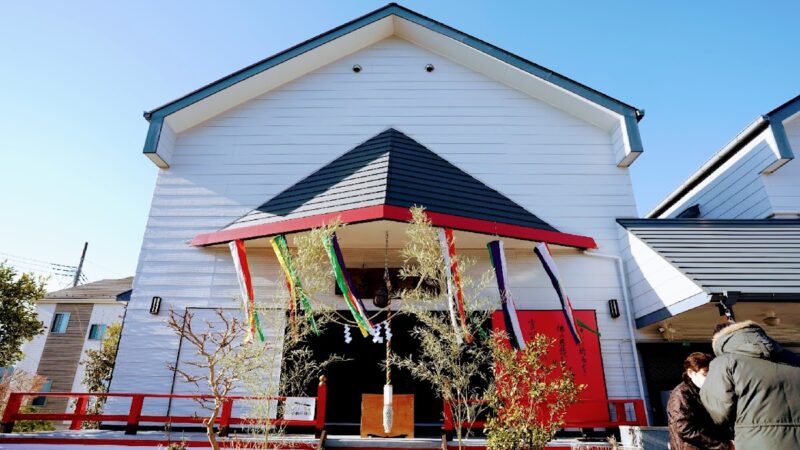
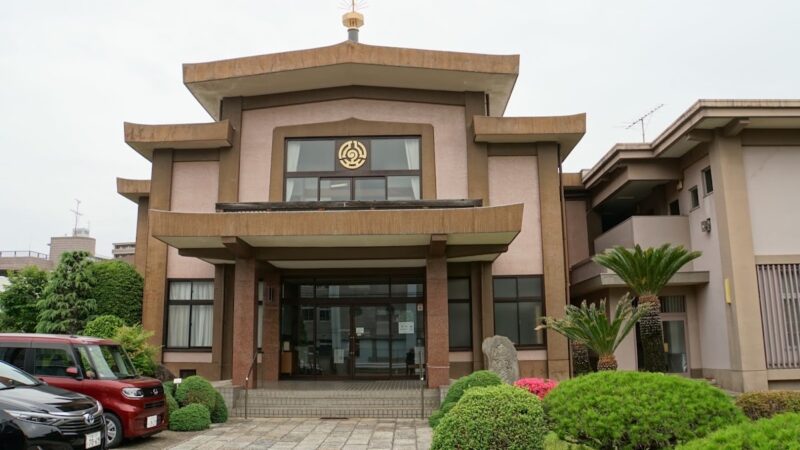
Koshōji Temple has a Japanese-modern funeral hall called “Sengen Hall” attached to it. This facility is widely used by local residents in the Totsuka district of Kawaguchi City as an ideal venue for family funerals.
Features of Sengen Hall:
- A funeral hall with a modern Japanese design
- Suitable size and facilities for family funerals
- Parking available for approximately 30 cars
- Easily accessible from Sasama, Kisorō, Kitaharadai, and Higashikawaguchi areas
How to Request a Funeral
If you wish to hold a funeral at Kōshōji Temple, you cannot do so by calling Kōshōji Temple directly. To hold a funeral at Kōshōji Temple, you must request it through one of their affiliated funeral homes.
Major affiliated funeral homes include Yamazaki Tenrei, and you can arrange a funeral at Kōshōji Sengen Hall through these funeral homes. Pre-consultations are also available, so we recommend contacting a funeral home early if you are considering a funeral.
User Feedback and Reputation
Kōshōji Sengen Hall is widely used by residents of southern Kawaguchi City, primarily in the Totsuka district. The temple is particularly appreciated by those who prefer family funerals for its tranquil atmosphere and comprehensive facilities. The large parking lot is also a popular feature, allowing for convenient use even with many attendees traveling from afar.
Temple Culture in Kawaguchi City and the Role of Kōshōji Temple
Distribution of Temples in Kawaguchi City
Kawaguchi City, Saitama Prefecture, has 87 temples, representing a diverse range of denominations. Kawaguchi City flourished as a foundry during the Edo period, and numerous temples were built to support the faith of craftsmen and merchants.
Main Denominations in Kawaguchi City:
- Shingon Buddhism (Chizan, Buzan, etc.)
- Sōtō Zen Buddhism
- Jōdo Buddhism
- Jōdo Shinshū Buddhism
- Nichiren Buddhism
Kōshōji Temple, as a temple of the Shingon Chizan sect, plays a central role in esoteric Buddhist faith. It functions particularly as a center of faith for local residents in the Totsuka area.
Major Temples in the Surrounding Area
Near Kōshōji Temple, there are several other historical temples.
Kōzen-in: A Sōtō Zen temple located in Kawaguchi City, founded in 1546 (Tenbun 15) by Jōten Tōeki. Its principal image is a statue of Shakyamuni Buddha, and it is known for containing the graves of the Tomita family, vassals of the Ina clan. Kōzen-in is famous for its beauty throughout the seasons, with the hydrangeas in summer and the autumn leaves being particularly noteworthy.
Along with these temples, Kōshōji Temple plays an important role in shaping the Buddhist culture of Kawaguchi City.
Deeper Understanding of the Shingon-shu Chizan-ha
History and Development of the Chizan-ha
The Shingon-shu Chizan-ha is a sect classified as Shingi Shingon-shu within the Shingon sect. Its history dates back to the Muromachi period, and it inherits the teachings of Kōgyō Daishi Kakuban. The head temple, Chishaku-in, was founded in Kyoto during the time of Toyotomi Hideyoshi and flourished under the patronage of Tokugawa Ieyasu. Currently, it is a large religious organization with approximately 3,000 branch temples throughout Japan.
Activities of the Saitama First Diocese
The Saitama First Diocese, to which Kōshō-ji Temple belongs, is composed of Shingon Chizan-ha temples in southern Saitama Prefecture. The diocese regularly holds memorial services and training sessions to promote cooperation among temples and improve doctrinal knowledge.
Diocesan activities include:
- Annual memorial services (Spring and Autumn Equinox services, Obon Segaki, etc.)
- Training and education of monks
- Contribution activities to the local community
- Protection and preservation of cultural properties
Annual Events and Memorial Services at Kōshō-ji Temple
Major Annual Events
As a temple of the Shingon Chizan-ha sect, Kōshō-ji Temple is believed to hold various memorial services and events throughout the year.
Spring Events:
- Spring Equinox Ceremony (March)
- Flower Festival (Buddha’s Birthday, April 8th)
- Kobo Daishi’s Birthday Ceremony (June 15th)
Summer Events:
- Obon Segaki Ceremony (August)
- Urabon-e (Buddhist All Souls’ Day)
Autumn Events:
- Autumn Equinox Ceremony (September)
- Fudo Myoo Festival
Winter Events:
- Last Daishi Ceremony (December 21st)
- New Year’s Eve Bell Ringing (December 31st)
- Shusho-e Ceremony (January 1st)
Monthly Events and Goma Ritual
In Shingon Buddhist temples, it is common to hold memorial services on the 21st of each month as the festival day for Kobo Daishi, and some temples also hold services on the 28th as the festival day for Fudo Myoo. It is possible that memorial services are also held at Kosho-ji Temple to coincide with these festival days.
Goma ritual is a representative ceremony of Shingon Esoteric Buddhism, a practice in which a fire is lit and prayers are offered to Fudo Myoo (Acala). The fire is lit with various wishes in mind, such as family safety, business prosperity, recovery from illness, and traffic safety.
Guidelines and Manners for Visiting Koshōji Temple
Etiquette for Worship
When visiting a temple, it is important to observe basic etiquette.
Basic Procedure for Visiting a Temple:
- Bow at the temple gate before entering the grounds.
- Cleanse your hands and mouth at the water basin.
- Join your hands in prayer before the main hall.
- If offering a monetary donation, do so quietly.
- If there is a bell tower, ring the bell after praying (avoid ringing it before praying, as this is considered a “return bell”).
- Bow at the temple gate again when leaving.
Photography
Photography is generally permitted within temple grounds, but please note the following:
- Permission may be required to photograph inside the main hall.
- Refrain from photographing during religious services.
- Be considerate of other visitors.
- Obtain permission in advance for commercial use.
Clothing and Belongings
For regular visits, no special attire is required, but clean and subdued clothing is preferred. For religious services, semi-formal attire or plain everyday clothing is appropriate.
Items that are helpful to bring:
- Prayer beads (rosary)
- Offering or donation (if attending a memorial service)
- Goshuincho (stamp book) (if you wish to receive a Goshuin stamp)
Kōshōji Temple’s Relationship with the Local Community
As a Center of the Local Community
Kōshōji Temple is not merely a religious facility; it also plays an important role as a hub for the local community. For the residents of the Sasama district of Kawaguchi City, Kōshōji Temple holds the following meanings:
- A place for ancestral worship and cemetery management
- A place for life rituals (funerals, memorial services)
- A place to convey the history and culture of the region
- A place of spiritual solace
The Role of Temples in Modern Society
In modern society, with its declining birthrate, aging population, and increasing urbanization, the role of temples is also changing. The establishment of the Kōshōji Sengen Hall represents a new form of temple that meets modern needs.
Roles Required of Modern Temples:
- End-of-Life Planning Support and Funeral Consultation
- Grief Care (Emotional Support for Bereaved Families)
- Community Watch Activities
- Cultural Preservation and Educational Activities
- Providing a Place to Support Mental Health
History of Kawaguchi City and Kōshōji Temple
Development of Kawaguchi City and Temples
Kawaguchi City developed as a foundry town from the Edo period, and grew into an industrial city after the Meiji era. After the war, it also developed as a commuter town for Tokyo, and is now the second largest city in Saitama Prefecture with a population of approximately 600,000.
Amidst this urban development, temples, including Kōshōji Temple, have remained rooted in the community as unchanging places of faith. They have overcome the historical ordeal of relocation due to the separation of Shinto and Buddhism, and have continued to preserve the Dharma to this day.
Characteristics of the Sasama District
The Sasama district, where Kōshōji Temple is located, is in the southeastern part of Kawaguchi City, close to the border with Tokyo. Formerly an agricultural area, it is now being developed as a residential area. Nevertheless, historical temples and shrines like Kōshōji Temple remain, preserving the region’s history to this day.
The Teachings and Practices of Shingon Esoteric Buddhism
The Philosophy of Attaining Buddhahood in This Lifetime
The fundamental philosophy of Shingon Buddhism is “attaining Buddhahood in this life.” This teaching states that one can become a Buddha in this very body, a different approach from other Buddhist sects that emphasize attaining enlightenment after long periods of ascetic practice.
Kūkai, the founder of Shingon Buddhism, taught that one can reach the state of Buddhahood in this life through the practice of esoteric Buddhism. This teaching highlights the importance of practicing the Buddhist path in daily life.
The Practice of the Three Mysteries
In Shingon Esoteric Buddhism, the goal is to achieve unification with the Buddha by aligning the three mysteries of body, speech, and mind with the three mysteries of the Buddha.
What are the Three Secrets?
- Body Secret: Forming mudras (specific hand shapes)
- Speech Secret: Chanting mantras
- Mind Secret: Focusing the mind on the Buddha (meditation)
Through these practices, practitioners approach the state of Buddhahood. It is believed that these traditional esoteric Buddhist practices are also preserved at Kōshōji Temple.
Contact Information for Kōshōji Temple
Contact Information
For inquiries regarding visits to Kōshōji Temple or memorial services, please contact the following:
Phone Number: 048-296-0035
Address: 2-13-5 Sasama, Kawaguchi City, Saitama Prefecture 333-0816
Funeral Inquiries
If you wish to hold a funeral at Kōshōji Sengen Hall, you will need to contact our affiliated funeral home. We also accept pre-consultations, so please feel free to contact us.
Visiting Hours
Generally, temple visiting hours are from sunrise to sunset. However, specific times may be designated for religious services and events, so please check in advance.
Summary: The Charm and Value of Kōshōji Temple
Located in Sasama, Kawaguchi City, Saitama Prefecture, Kōshōji Temple is a historic temple belonging to the Chizan branch of the Shingon sect. Affectionately known locally as “Saba Daishi,” this temple, whose mountain name is Asama-san Muryōin and whose principal deity is Fudo Myoo, has undergone historical changes, including relocation due to the Meiji-era separation of Shinto and Buddhism, before arriving at its current location.
Although many old documents have been lost due to disasters, Kōshōji Temple continues to transmit the teachings of Shingon Esoteric Buddhism to the present day as a center of faith in the region and as a member of the Saitama First Diocese.
In modern times, it also features a modern Japanese-style funeral hall, “Sengen Hall,” catering to contemporary needs, including family funerals. Our temple has a parking lot that can accommodate approximately 30 cars and is widely used by residents of the Sasama, Kisorō, Kitaharadai, and Higashikawaguchi areas.
Kawaguchi City has 87 temples, each playing an important role in the local community. Among them, Kōshōji Temple, balancing tradition and innovation, will continue to exist as a spiritual haven for the local residents.
For inquiries regarding visits to Kōshōji Temple or memorial services, please contact us by phone (048-296-0035). For funeral arrangements, please contact us through our affiliated funeral home. Why not visit this historic temple, offer your prayers in peace, and feel the protection of Fudo Myoo?