Dokei-in Temple (Shizuoka Prefecture) Complete Guide | A Thorough Explanation of its Plum Blossom Spot, History, and Highlights
Dokei-in Temple, located in Hatori, Aoi-ku, Shizuoka City, Shizuoka Prefecture, is an ancient Soto Zen temple known as one of the prefecture’s leading plum blossom spots, boasting approximately 400 plum trees. Affectionately known locally as “Otoken-san,” it is a temple of significant historical value as the birthplace of the Baika-ryu (plum blossom) style of flower arrangement. This article comprehensively explains everything you need to know before visiting, from the history of Dokei-in Temple and its highlights within the temple grounds to the charm of its plum garden and access methods.
What is Dokei-in Temple? | An Ancient Soto Zen Temple Nestled on Mount Kuju
Dokei-in Temple is a Soto Zen temple located in the mountainous area of Hatori, Aoi-ku, Shizuoka City, and its mountain name is “Kuju-zan.” As a branch temple of Eihei-ji Temple, it boasts a history of over 500 years and enshrines the Thousand-Armed, Thousand-Eyed Kannon Bodhisattva as its principal image. It is also known as the second temple on the Warashina Twenty-One Sacred Sites pilgrimage route, and has been deeply rooted in the community as a place of faith.
Beloved Local Temple: “Otoken-san”
Local residents affectionately call it “Otoken-san” or “Token-san,” and it is cherished not merely as a tourist spot, but as a place of faith deeply integrated into daily life. It is a familiar temple to the citizens of Shizuoka, attracting many visitors throughout the year, not just during the spring plum blossom season.
History of Dokei-in Temple | A Journey from the Muromachi Period
The history of Dokei-in Temple dates back to the mid-Muromachi period. Originally, there was a Shingon Buddhist temple called Kikei-in (hermitage) on this site. However, in 1450 (Hotoku 2), Sekisō Enchū, a Dharma successor of the Soto Zen high priest Jōchū Tengin, arrived at this location.
Founding and Founder
Sekisō Enchū received a land donation from Fukushima Iga-no-kami, a local influential figure, and built a temple in 1452 (Kyōtoku 1), naming it Dōkei-in. Records indicate that his teacher, Jōchū Tengin, was the founding abbot, while Sekisō Enchū himself referred to himself as the second abbot. Fukushima Iga-no-kami became the founder, and since then, the temple has developed into a place of worship for the local people.
Importance as the Birthplace of the Baika-ryū School
Dōkei-in holds a special position within the Soto Zen school as the “birthplace of the Baika-ryū school.” Baika-ryu refers to a style of Buddhist hymn-like chanting, a unique form of Buddhist recitation sung during Soto Zen Buddhist ceremonies. A stone monument marking the birthplace of Baika-ryu stands on the temple grounds, making it a historical site of interest to Soto Zen temple officials nationwide.
Dokei-in Plum Garden | One of the Prefecture’s Top Plum Blossom Viewing Spots
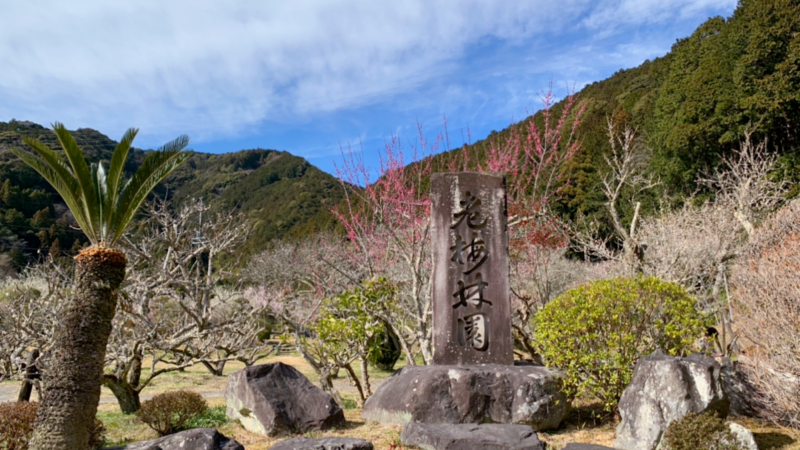
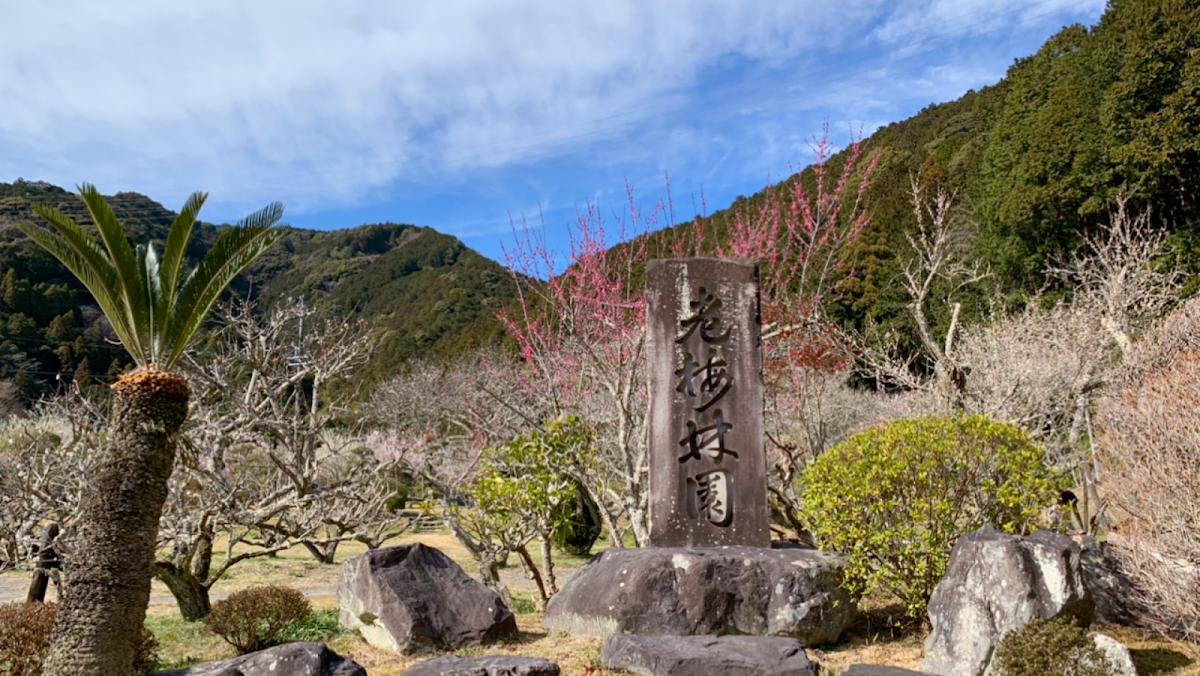
The greatest attraction of Dokei-in Temple is undoubtedly its magnificent plum garden. Approximately 400 plum trees, planted and passed down through generations of abbots, bloom beautifully from late February to early March each year.
The Deep Connection Between Zen Master Dogen and Plum Blossoms
Zen Master Dogen, the founder of the Soto Zen sect, is known for his deep love of plum trees and flowers. The plum garden at Dokei-in Temple was created in accordance with Zen Master Dogen’s teachings, with successive abbots planting plum trees throughout the garden. It’s not merely a garden for ornamental purposes; it also holds significance as a place of practice embodying the spirit of Zen.
Highlights and Features of the Plum Garden
The plum garden at Dokei-in Temple features a mix of white and red plum trees, planted with trees of various sizes and ages. The sight of approximately 300 to 400 plum trees blooming simultaneously is breathtaking, making it one of the finest plum groves in the Tokai region and within the prefecture, attracting many visitors.
Located in a quiet mountain setting, it evokes the atmosphere of an ancient temple on the outskirts of Kyoto, allowing visitors to enjoy the plum blossoms in tranquility away from the hustle and bustle of the city. The path from the approach to the main hall is also surrounded by plum trees, and the entire temple grounds are enveloped in the fragrance of plums during this season, making it a truly special experience.
Best Time to See the Plum Blossoms
The best time to see the plum blossoms at Dokei-in Temple is typically from late February to early March. During this time of year, the temple grounds are bustling with many tourists and photography enthusiasts. Because there are various plum varieties, from early-blooming to late-blooming, visitors can enjoy the plum blossoms for a relatively long period, from mid-February to mid-March.
Especially on sunny mornings, the plum blossoms illuminated by the morning sun are beautiful and perfect for photography. Weekends can be crowded, so visiting on a weekday is recommended for a more relaxed viewing experience.
Highlights of the Temple Grounds | Main Hall and Ususama Myoo
Besides the plum garden, there are many other points of interest within the grounds of Dokei-in Temple.
Main Hall and Thousand-Armed, Thousand-Eyed Kannon Bodhisattva
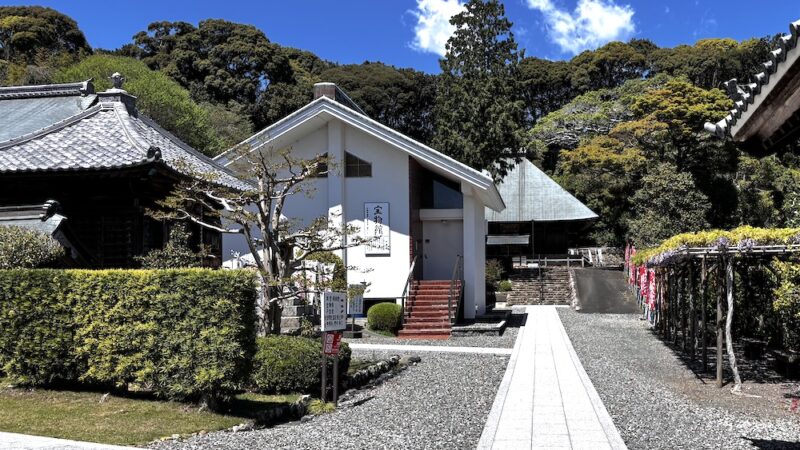
The main hall houses the principal image, the Thousand-Armed, Thousand-Eyed Kannon Bodhisattva, where visitors can quietly offer their prayers. The main hall, with its simple yet solemn atmosphere typical of a Soto Zen temple, provides a calming space.
Ususama Myoo, the God of Toilets
Dokei-in Temple enshrines Ususama Myoo, known as the “God of Toilets.” Ususama Myoo is worshipped as a Buddha who purifies impurities, and people with problems related to toilets and excretion, in particular, visit the temple to pray.
Within the temple grounds, there is a building with a traditional Japanese-style toilet for worshippers, and a unique method of worship involves stepping over this toilet while praying. People suffering from lower body ailments, constipation, hemorrhoids, and other such problems come from all over Japan seeking blessings.
The Approach and the Four Cedar Trees
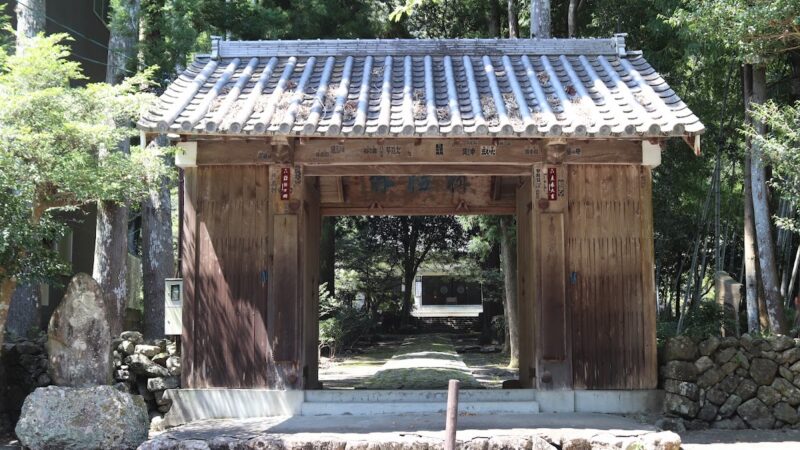
The approach to Dokei-in Temple is a charming path winding through quiet mountains, lined with cedar trees on both sides. The four giant cedar trees, known as the “Four Cedar Trees,” are a particularly noteworthy sight, evoking a sense of long history. Even just walking along the approach will give you a refreshing feeling, far removed from the secular world.
Stone Monument Marking the Origin of the Baika-ryu School of Buddhism
A stone monument marking the origin of the Baika-ryu school of Buddhism stands on the temple grounds, signifying its importance in the history of the Soto Zen sect. Many visitors can be seen taking commemorative photos in front of this monument.
The Charms of Dokei-in Temple Through the Seasons | Fresh Greenery and Autumn Leaves
Dokei-in Temple offers beautiful scenery throughout the year, not just during the plum blossom season.
Fresh Greenery in Early Summer
After the plum blossom season ends, the temple grounds are enveloped in vibrant fresh greenery. From May to June, the young leaves are dazzling, and visiting the temple in the refreshing air is invigorating for both mind and body.
Autumn Leaves
In autumn, the trees on the temple grounds turn beautiful colors, making it a famous spot for viewing autumn foliage. It’s less crowded than the plum blossom season, making it a recommended time for those who want to enjoy the autumn leaves in peace.
Annual Events | Founder’s Memorial Festival and New Year’s Eve Bell Ringing
Dokei-in Temple holds various events throughout the year.
Founder’s Memorial Festival
Every year on July 19th and 20th, the Founder’s Memorial Festival is held, attracting many worshippers. This is an important event commemorating the temple’s founder, Jochu Tengin, and includes a memorial service. It is recommended to inquire with the temple in advance for details.
New Year’s Eve Bell Ringing
On New Year’s Eve, visitors can ring the temple bell, and local residents gather to welcome the new year. The sound of the bell echoing through the quiet mountains creates a solemn atmosphere befitting the end of the year.
Zen Meditation Sessions
Dōkei-in Temple regularly holds Zen meditation sessions, which are open to the public. Those interested in experiencing Soto Zen meditation should inquire with the temple and participate.
Access and Visiting Information
Basic Information
- Official Name: Kujusan Dokeiin
- Location: Hatori, Aoi-ku, Shizuoka City, Shizuoka Prefecture
- Sect: Soto Zen
- Mountain Name: Kujusan
- Principal Image: Thousand-Armed, Thousand-Eyed Kannon Bodhisattva
- Year of Founding: 1452 (Kyotoku 1)
- Founder: Jochu Tengin
- Founder: Fukushima Iga-no-kami
- Pilgrimage Site: No. 2 of the Warashina Twenty-One Sacred Sites
Admission Fee and Visiting Hours
- Admission Fee: Free
- Visiting Hours: Anytime (Daytime visits recommended)
Access Method
Dokeiin is located in the mountains, about 30 minutes by car from the center of Shizuoka City. Public transportation access is limited, so visiting by private car is recommended.
Access by Car:
- Head north on National Route 362 from central Shizuoka City towards Hatori.
- Search for “Dokeiin” or its address on your car navigation system.
- Parking is available (may be crowded during plum blossom season).
Public Transportation:
- A short walk is required from the nearest bus stop.
- For details, please check Shizuoka City’s bus routes or contact the temple.
Nearby Tourist Attractions
When visiting Dokeiin, you can also explore nearby tourist attractions. Shizuoka City’s Aoi Ward boasts numerous historical temples, shrines, and natural landscapes, making it possible to spend a full day leisurely sightseeing.
Dokeiin’s Ratings and Reviews
Dokeiin receives high praise from visitors. Its beauty, especially during plum blossom season, is lauded as “one of the most magnificent plum orchards in the prefecture,” making it a popular spot among photography enthusiasts.
The tranquil environment, well-maintained grounds, and warm atmosphere of the local people provide visitors with a pleasant experience. The unique experience of praying to the god of toilets also attracts the interest of many visitors.
Notes and Manners When Visiting Dokei-in Temple
Visiting Manners
Dokei-in Temple is an active temple and a place of spiritual training. Please observe the following manners when visiting:
- Be quiet on the temple grounds and refrain from loud conversations.
- Obtain permission before taking photographs inside the main hall or buildings.
- Always take your trash with you.
- Do not break plum branches or pick flowers.
- Share the parking lot with others.
Crowd Management During Plum Blossom Season
The peak plum blossom season, from late February to early March, is particularly crowded on weekends and holidays. If you want to enjoy the blossoms at a leisurely pace, visiting on a weekday morning is recommended. Also, the parking lot can become full, so plan to arrive early.
To Fully Enjoy the Charms of Dokei-in Temple
Dokei-in Temple is not merely a tourist destination; it is a living temple supported by a long history and deep faith. Beyond the beauty of its plum blossoms, it possesses a multifaceted charm, encompassing the history of the Soto Zen sect, the teachings of Zen Master Dogen, and the faith of the local people.
When you visit, don’t just take pictures; quietly walk through the temple grounds, offer your prayers at the main hall, and enjoy the fragrance of the plum blossoms, feeling the history and spirituality of this place. This temple, affectionately known as “Otoken-san,” continues to offer visitors peace of mind and the beauty of the seasons.
Summary | Dokei-in Temple: A Hidden Gem of Shizuoka
Dokei-in Temple is an ancient Soto Zen temple located in Hatori, Aoi-ku, Shizuoka City, Shizuoka Prefecture. It is one of the prefecture’s leading plum blossom viewing spots, boasting approximately 400 plum trees. Founded in 1452, it is an important temple known as the birthplace of the Baika-ryu (plum blossom style) and is affectionately known locally as “Otoken-san.”
The best time to see the plum blossoms is from late February to early March, and the sight of the entire temple grounds enveloped in the blossoms and their fragrance is breathtaking. Furthermore, there are attractions to enjoy throughout the year, including worshipping Ususama Myoo, the god of toilets, the changing seasons, and annual events such as the founder’s memorial service.
It’s easily accessible, about a 30-minute drive from the center of Shizuoka City, and admission is free, allowing visitors to come anytime. When you visit Shizuoka, be sure to visit Dokeiin Temple and experience the beautiful space where history and nature intertwine.