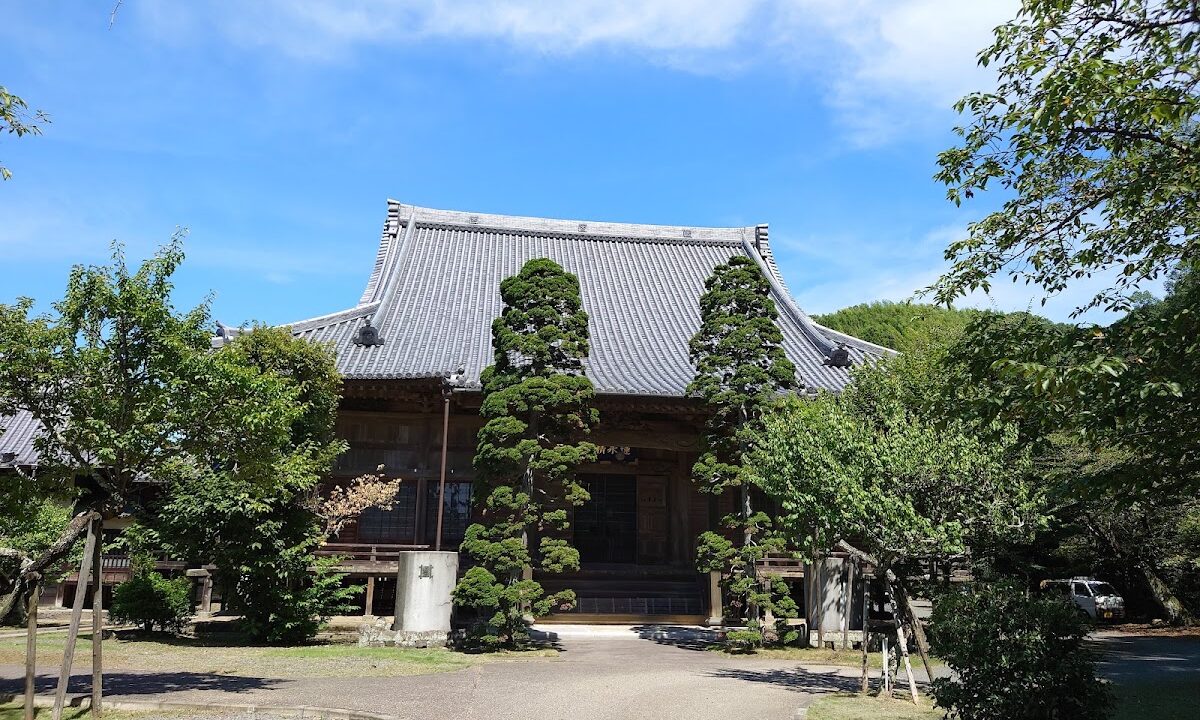
Ren’eiji Temple (Shizuoka Prefecture) Complete Guide: A Thorough Explanation of History, Highlights, and Access Information
Located in Kutsuya, Aoi-ku, Shizuoka City, Ren’eiji Temple is a head temple (historically significant temple) of the Nichiren sect with a history of over 700 years. It is known as a temple of high historical value, due to its deep connection with Lady Oman (Yōjuin), a concubine of Tokugawa Ieyasu, and its founding by Nichiji Shōnin, a senior disciple of Nichiren Daishonin. This article provides a detailed explanation of Ren’eiji Temple’s history, highlights, access methods, and surrounding tourist information—all the information you need to know before visiting.
What is Ren’eiji Temple?: Basic Information and Overview
Ren’eiji Temple is a head temple of the Nichiren sect located at 2-7-1 Kutsuya, Aoi-ku, Shizuoka City, Shizuoka Prefecture. Its mountain name is Teishōzan, and it is also commonly known as “Sanshō Ren’eiji.” It is located along Prefectural Road 67 and is easily accessible, about 10 minutes by bus from Shizuoka Station. ### Basic Data on Ren’ei-ji Temple
- Official Name: Teishozan Ren’ei-ji Temple
- Sect: Nichiren Buddhism
- Temple Rank: Head Temple (Historically Significant Temple)
- Founding: Koan 6 (1283)
- Founding Priest: Nichiji Shonin (Renge Ajari)
- Founding Patron: Matsuno Clan
- Location: 2-7-1 Kutsuya, Aoi-ku, Shizuoka City, Shizuoka Prefecture
- Phone Number: 054-261-4356
It holds the status of a head temple in the Nichiren sect and is positioned as one of the important religious facilities in Shizuoka City.
History of Ren’ei-ji Temple: From its founding by Nichiji Shonin to the present day
Circumstances of its Founding and Nichiji Shonin
The history of Ren’ei-ji Temple dates back to Koan 6 (1283). The temple was founded by Nichiji Shonin (Renge Ajari), known as one of Nichiren Daishonin’s six most senior disciples. As a leading disciple of Nichiren Daishonin, Nichiji Shonin directly inherited his teachings and founded Ren’ei-ji Temple in Shizuoka as a base for Nichiren Buddhism.
The main patron was the Matsuno family, and the temple was built with the support of influential local figures. The mountain name, “Teishozan,” is also thought to indicate a connection to the Matsuno family.
Nichiji Shonin later aspired to missionary work overseas, and in 1295, he is said to have left Japan and embarked on a journey to the north. While his whereabouts remain shrouded in mystery, Ren’ei-ji Temple continues to be an important temple that conveys the spirit of Nichiji Shonin.
The Deep Connection Between Tokugawa Ieyasu and Lady Oman
A noteworthy aspect of Ren’ei-ji Temple’s history is its relationship with Lady Oman (Yojuin), a concubine of Tokugawa Ieyasu. Lady Oman is an important figure known as the birth mother of Tokugawa Yorifusa, the first lord of the Mito Tokugawa family (one of the three main branches of the Tokugawa clan), and Tokugawa Yorinobu, the first lord of the Kishu Tokugawa family.
Lady Oman was a devout follower of the Nichiren sect of Buddhism and spent her later years in Edo. She was particularly devoted to Ren’ei-ji Temple and made significant contributions to its development. After her death, the “Yōjuin Memorial Tower” was erected at Ren’ei-ji Temple, and it is now a designated cultural property of Shizuoka City.
This memorial tower is a valuable historical artifact demonstrating Lady Oman’s faith and her connection to the Tokugawa family, and is one of Ren’ei-ji Temple’s most important cultural assets.
Relationship with Mito Mitsukuni
Mito Mitsukuni (known as Mito Kōmon), Lady Oman’s grandson, is also said to have been interested in Ren’ei-ji Temple, which was associated with his grandmother. The connection between the Mito Tokugawa family and Ren’ei-ji Temple continued throughout the Edo period, contributing to the temple’s maintenance and development.
Highlights and Cultural Properties of Ren’ei-ji Temple
The Memorial Tower of Yōjuin (Oman no Kata)
A must-see when visiting Ren’ei-ji Temple is the Yōjuin Memorial Tower, a designated cultural property of Shizuoka City. This memorial tower was erected to commemorate Oman no Kata, a concubine of Tokugawa Ieyasu and the grandmother of the Mito and Kishu Tokugawa families.
The memorial tower is highly regarded as a masterpiece of Edo period stone art and is a valuable relic that speaks to the power of the Tokugawa family at the time and the depth of Oman no Kata’s faith. It is carefully maintained and is especially recommended for history buffs and those interested in the Tokugawa family.
The Atmosphere of the Main Hall and Temple Grounds
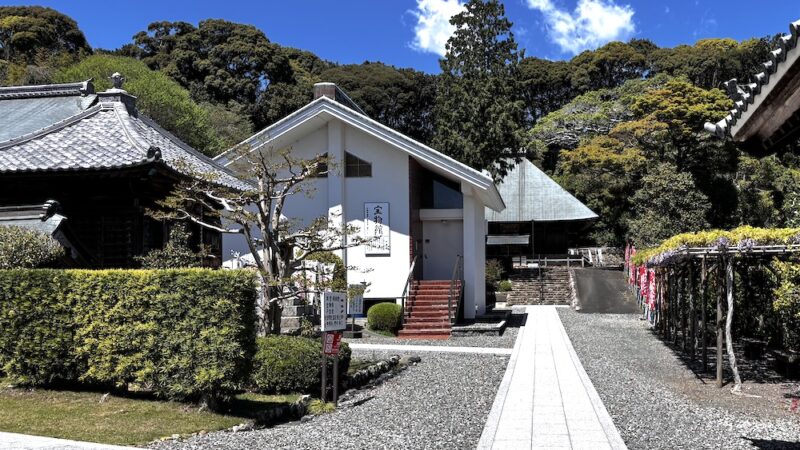
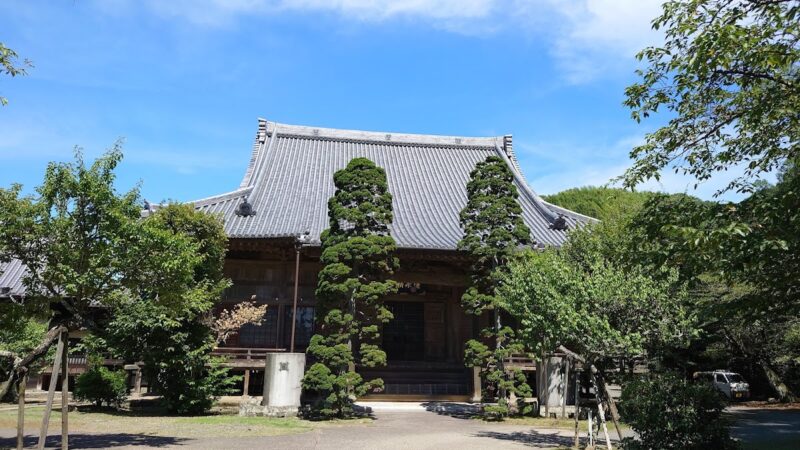
While Ren’ei-ji Temple’s main hall possesses the solemn atmosphere of a Nichiren Buddhist temple, its location in a residential area of Shizuoka City gives it a friendly atmosphere. The temple grounds are of a moderate size, providing a peaceful environment for worship.
You can see the pine tree that gave the temple its nickname, “Mitsumatsu Ren’eiji,” in its current state within the temple grounds. The historical trees and stone monuments within the grounds are also points of interest for visitors.
About Goshuin (Temple Seals)
You can receive a Goshuin at Ren’eiji Temple. As a head temple of the Nichiren sect, this dignified Goshuin will be a valuable item for those collecting them. When requesting a Goshuin, it is recommended to contact the temple in advance to confirm available times.
It is important to observe proper temple etiquette and make your request quietly and respectfully. Bring your Goshuincho (stamp book) and prepare an offering.
How to Access Ren’eiji Temple
Access by Public Transportation
By Bus from JR Shizuoka Station
- Take a Shizutetsu bus from the JR Shizuoka Station North Exit Bus Terminal
- Get off at the “Kutsutani” bus stop, approximately 3 minutes on foot
- Travel time: approximately 10 minutes
- Multiple bus routes are available
Using the Shizuoka Railway Shizuoka-Shimizu Line
- Approximately 15 minutes on foot from Yunoki Station
- Approximately 10 minutes from Shin-Shizuoka Station to Yunoki Station
The temple is easily accessible from Shizuoka Station and conveniently located for sightseeing. There are also a relatively large number of buses, making access by public transportation convenient.
Access by Car
From the Tomei Expressway
- Approximately 15 minutes from the Shizuoka Interchange
- Located along Prefectural Road 67
Parking
- There may be parking spaces at the temple, but it is recommended to check in advance.
- There are also several coin-operated parking lots in the surrounding area.
When accessing by car, Prefectural Road 67 is a good landmark. Entering “Ren’eiji Temple” or the address “2-7-1 Kutsuya, Aoi-ku, Shizuoka City” into your car navigation system will provide accurate directions.
Recommended Tourist Spots near Ren’eiji Temple
Shizuoka Sengen Shrine
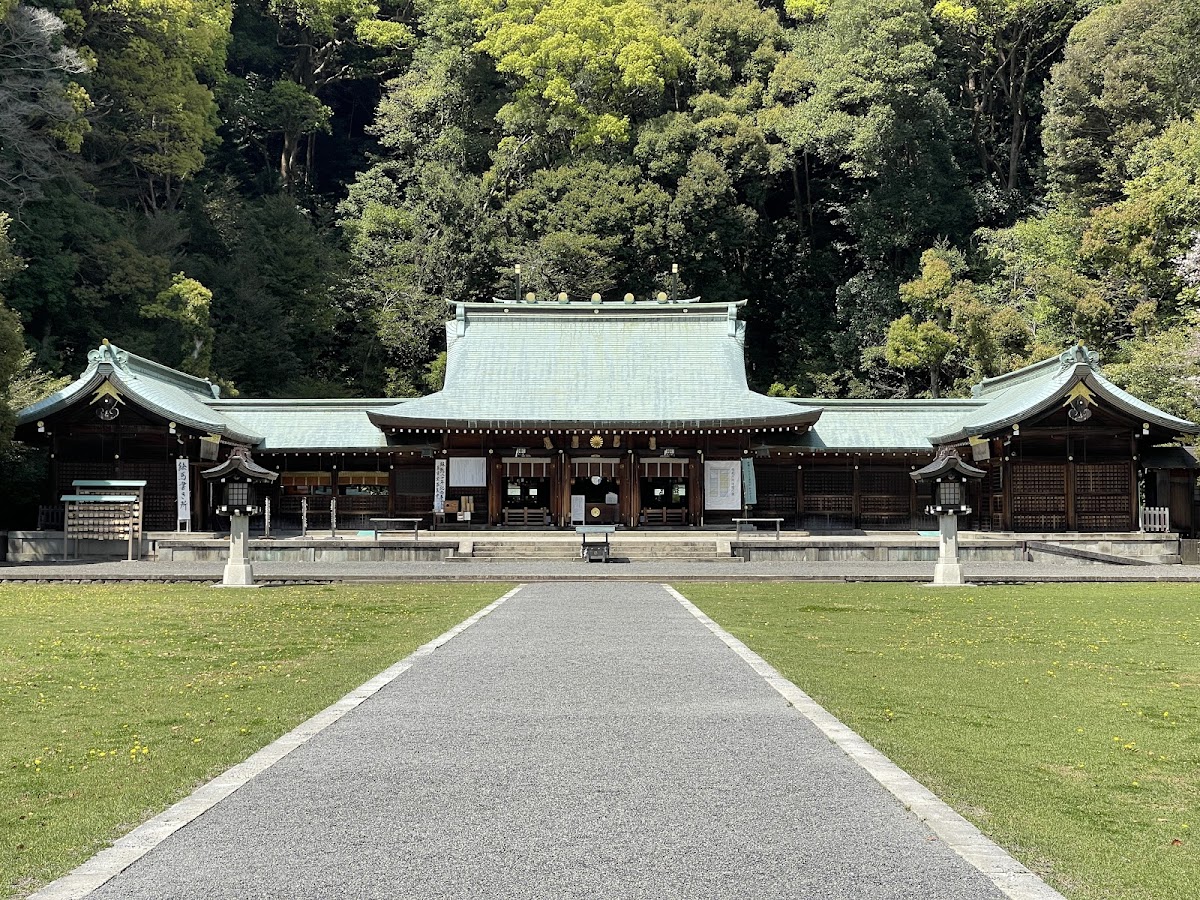
Shizuoka Sengen Shrine, located about 5 minutes by car or 15 minutes on foot from Ren’eiji Temple, is a representative shrine of Shizuoka City. It consists of three shrines: Kanbe Shrine, Sengen Shrine, and Ootoshi Mioya Shrine, and is affectionately known as “Osengen-sama.” It is also known as the place where Tokugawa Ieyasu held his coming-of-age ceremony, and its magnificent shrine buildings are designated as important national cultural properties.
Sunpu Castle Park
Located about a 15-minute walk from Shizuoka Station and about a 10-minute drive from Ren’ei-ji Temple, Sunpu Castle Park is the site of Sunpu Castle, where Tokugawa Ieyasu spent his later years. The vast park features a reconstructed East Gate and Tatsumi Turret, making it ideal for historical walks. It’s a popular spot for locals to relax and enjoy seasonal flowers.
Shizuoka Prefectural Museum of Art
Located about a 20-minute drive from Ren’ei-ji Temple, the Shizuoka Prefectural Museum of Art is a full-fledged museum with an attached Rodin Pavilion. It houses works by artists associated with Shizuoka, as well as masterpieces from both Eastern and Western art, making it a popular cultural tourist spot.
Nihondaira
Nihondaira, a representative scenic spot of Shizuoka City, is about a 30-minute drive from Ren’ei-ji Temple. From a hill 307 meters above sea level, it offers breathtaking panoramic views of Mount Fuji, Suruga Bay, and the Izu Peninsula. The view from the Nihondaira Yume Terrace is particularly spectacular and a highlight of Shizuoka sightseeing.
Gourmet Information Around Ren’eiji Temple
Shizuoka Oden
Shizuoka City boasts numerous restaurants serving “Shizuoka Oden,” characterized by its dark broth and skewered ingredients. Many long-established oden restaurants are scattered around Ren’eiji Temple and Shizuoka Station, allowing you to enjoy the local flavor.
Sakura Shrimp Cuisine
Sakura shrimp, caught in Suruga Bay, are a Shizuoka specialty. They can be enjoyed in various forms, such as raw sakura shrimp, tempura, and sakura shrimp rice. Many restaurants around Shizuoka Station serve sakura shrimp dishes.
Tuna Dishes
Fresh tuna, caught in Shimizu Port, is another representative Shizuoka delicacy. Numerous restaurants in the city offer fresh sashimi and tuna rice bowls.
Green Tea Soba & Matcha Sweets
Shizuoka is one of Japan’s leading tea-producing regions. There are plenty of dishes and desserts that utilize tea, such as green tea soba and matcha-based sweets. Enjoying Shizuoka’s unique cuisine after visiting Ren’eiji Temple is highly recommended.
Points to Note and Manners When Visiting Ren’eiji Temple
Visiting Hours
Ren’eiji Temple is a Nichiren Buddhist temple, and is generally open for visits during the day. However, visits may be restricted during religious services or events. If you wish to visit or receive a temple stamp (Goshuin), it is recommended to call ahead to confirm.
Dress Code and Manners
- Avoid revealing clothing and dress appropriately for your visit.
- Be quiet on the temple grounds and refrain from loud conversations.
- Photography is only permitted in designated areas; please check beforehand if photography is permitted inside the main hall, etc.
- When offering a monetary donation, bow respectfully.
Nichiren Buddhist Worship Etiquette
In Nichiren Buddhism, chanting the mantra “Namu Myoho Renge Kyo” is fundamental. Please follow these steps when visiting the temple:
- Bow at the temple gate before entering the grounds.
- Cleanse your hands and mouth at the water basin.
- Join your hands in prayer in front of the main hall and chant “Namu Myoho Renge Kyo.”
- Offer your donation and bow again.
- Bow at the temple gate before leaving.
Annual Events and Special Days at Ren’ei-ji Temple
Main Events of the Nichiren Sect
As a Nichiren sect temple, Ren’ei-ji Temple holds the following annual events:
- Oeshiki: A memorial service for Nichiren Shonin held around October 13th.
- Obon Memorial Service: Ancestor memorial service held in August.
- Spring and Autumn Equinox Services: Memorial services centered around the spring and autumn equinoxes.
- Hatsumode: Visiting a temple during the first three days of the New Year
The Oeshiki festival, in particular, is one of the most important events at Nichiren Buddhist temples, attracting many visitors. Visiting during this time will allow you to experience a different atmosphere at the temple than usual.
Temple and Shrine Tours in Shizuoka City and Ren’eiji Temple
Nichiren Buddhist Temples in Shizuoka City
Besides Ren’eiji Temple, there are several other Nichiren Buddhist temples in Shizuoka City that can be incorporated into your temple and shrine tour route. Those interested in Nichiren Buddhism will gain a deeper understanding by visiting multiple temples.
Historical Sites Associated with Tokugawa Ieyasu
Ren’eiji Temple, which has ties to Tokugawa Ieyasu through Lady Oman, is positioned as one of the “Historical Sites Associated with Ieyasu” in Shizuoka City. Visiting it along with Sunpu Castle Park, Shizuoka Sengen Shrine, and Kunozan Toshogu Shrine will allow you to gain a deeper understanding of the relationship between Tokugawa Ieyasu and Shizuoka.
Visitor Feedback and Reputation of Ren’eiji Temple
Evaluation from History Enthusiasts
Ren’eiji Temple is highly regarded by history enthusiasts for its rich history, including its founding by Nichiji Shonin and its relationship with Lady Oman. It is considered a must-see spot, especially for those interested in its connection to the Tokugawa family.
Quiet Worship Environment
Despite being located in a residential area, the temple grounds offer a quiet and peaceful atmosphere, making it ideal for leisurely worship. Its lack of commercialization allows visitors to experience the authentic atmosphere of a temple.
Easy Access
Its convenient location, approximately 10 minutes by bus from Shizuoka Station, is a major advantage for tourists. Its easy accessibility during Shizuoka sightseeing has earned it high praise from many visitors.
Ren’eiji Temple and Shizuoka’s Culture and History
History of Nichiren Buddhism in Shizuoka
Shizuoka Prefecture is one of the important centers of Nichiren Buddhism, with many Nichiren temples established there from the Kamakura period onward. Ren’ei-ji Temple is one of the oldest temples in Shizuoka Prefecture and has played a central role in the propagation of Nichiren Buddhism in the region.
The Relationship Between the Tokugawa Family and Shizuoka
Because Tokugawa Ieyasu spent his later years in Sunpu (present-day Shizuoka City), many historical sites related to the Tokugawa family remain in Shizuoka City. Ren’ei-ji Temple is one of them and is an important component of Shizuoka’s historical and cultural heritage.
Tips for Maximizing Your Visit to Ren’ei-ji Temple
Recommended Prior Study
Before visiting Ren’ei-ji Temple, studying basic knowledge about Nichiji Shonin, Nichiren Buddhism, and the relationship between Lady Oman and the Tokugawa family will make your visit more meaningful. It is also recommended to use the information in this article as a reference to further research areas that interest you.
Combining with Nearby Sightseeing
While a visit to Ren’ei-ji Temple alone is fine, combining it with nearby tourist spots such as Shizuoka Sengen Shrine and Sunpu Castle Park will allow you to enjoy a more fulfilling Shizuoka sightseeing experience. Try planning to visit multiple spots in one day.
Seasonal Charms
Ren’eiji Temple can be visited throughout the four seasons, but each season offers a different charm:
- Spring: Cherry blossom season, beautiful fresh greenery
- Summer: Obon memorial services, lush temple grounds
- Autumn: Oeshiki festival, beautiful autumn leaves
- Winter: New Year’s visit, tranquil atmosphere
It’s a good idea to visit Ren’eiji Temple multiple times to enjoy its different expressions depending on the time of year.
Summary: The Charms and Value of Visiting Ren’eiji Temple
Located in Aoi Ward, Shizuoka City, Ren’eiji Temple is a head temple of the Nichiren sect with a history of over 700 years, possessing rich history and cultural value. Founded by Nichiji Shonin, a senior disciple of Nichiren Daishonin, it has a deep connection with Lady Oman, a concubine of Tokugawa Ieyasu, and has played an important role in Japanese history through its relationships with the Mito and Kishu Tokugawa families.
Located in a convenient location near Shizuoka Station, yet maintaining a quiet and peaceful environment for worship, Ren’ei-ji Temple is a recommended spot not only for history buffs but for all visitors to Shizuoka.
Housing the valuable cultural asset of the Yōjuin Memorial Tower, Ren’ei-ji Temple offers a glimpse into the history of Nichiren Buddhism and the Tokugawa family. It’s a temple you should definitely add to your Shizuoka sightseeing list. Learning about its history beforehand and observing proper etiquette during your visit will lead to a deeper experience.
Spend a peaceful moment at Ren’ei-ji Temple, where you can feel the history and culture of Shizuoka.
Frequently Asked Questions (FAQ)
Q1: Is there an entrance fee to Ren’ei-ji Temple?
A1: Ren’ei-ji Temple is generally free to visit. However, there may be restrictions during special ceremonies or events, so it is recommended to check in advance. Offerings and donations are optional.
Q2: Can I get a Goshuin (temple stamp) at Ren’ei-ji Temple?
A2: Yes, you can get a Goshuin at Ren’ei-ji Temple. However, please note that the available hours may be limited, so if you definitely want to receive a Goshuin (temple stamp), we recommend calling ahead to confirm. Please prepare your Goshuincho (stamp book) and an offering (usually around 300 yen) and make your request politely.
Q3: Does Ren’eiji Temple have parking?
A3: There may be parking spaces at the temple, but we recommend checking details in advance. There are also coin-operated parking lots nearby, so access by car is possible. Using public transportation is also convenient.
Q4: How long does it take to visit Ren’eiji Temple?
A4: A normal visit takes about 20-30 minutes. If you want to carefully view the Yojuin Memorial Tower and stroll around the temple grounds, it’s best to allow about an hour. If you are combining it with other nearby tourist spots, we recommend planning with ample time.
Q5: When is the best time to visit Ren’eiji Temple?
A5: Ren’eiji Temple is open for worship throughout the year, but the best time to visit is during the Oeshiki festival (around October 13th), an important event of the Nichiren sect. The temple grounds are also beautiful during the cherry blossom season in spring and the autumn foliage season. For those who wish to worship in peace and quiet, weekday mornings are recommended.
Q6: Are there places to eat near Ren’eiji Temple?
A6: There are several restaurants around Ren’eiji Temple, but for more options, we recommend the area around Shizuoka Station. Around Shizuoka Station, you’ll find many restaurants serving Shizuoka cuisine, such as Shizuoka oden, sakura shrimp dishes, and tuna dishes. It’s only about a 10-minute bus ride away, so a plan to eat near Shizuoka Station after visiting the temple is a good idea.
Q7: Is photography allowed at Ren’eiji Temple?
A7: General photography is permitted within the temple grounds, but there may be restrictions on photography inside the main hall and certain cultural properties. It is recommended to check before taking photos, or ask the temple staff if you are unsure. Also, please be considerate of other visitors and take photos quietly.
Q8: I would like to know more about the relationship between Ren’ei-ji Temple and Lady Oman.
A8: Lady Oman (Yōjuin) was a concubine of Tokugawa Ieyasu and the mother of Tokugawa Yorifusa, the first lord of the Mito Tokugawa family, and Tokugawa Yorinobu, the first lord of the Kishu Tokugawa family. A devout follower of the Nichiren sect, she deeply revered Ren’ei-ji Temple and contributed to its development. After her death, the Yōjuin memorial tower erected at Ren’ei-ji Temple is now a designated cultural property of Shizuoka City. This memorial tower is one of the most important sights at Ren’ei-ji Temple.